







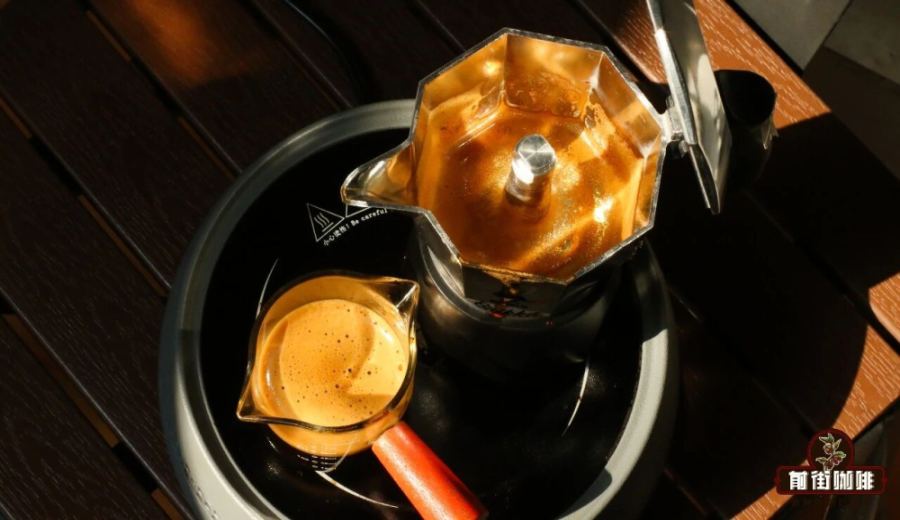
Introduction:When brewing coffee with a moka pot, selecting beans with the right roast level is key to influencing flavor and extraction efficiency. This article delves into why medium-dark roasts are better suited to the high-pressure environment of a moka pot, and shares several practical recommendations. Whether you prefer a rich crema or are seeking distinctive regional flavor profiles, you’ll find a suitable choice here.
The moka pot extracts coffee under pressure, which places specific demands on the roast level of the beans. Light roast beans are typically denser and harder in texture. Although fine grinding can help improve extraction rates, the high temperature and pressure can easily lead to over-extraction, resulting in pronounced acidity, a sharp mouthfeel, and difficulty in fully releasing the crema layer. In contrast, medium-dark roast beans perform more stably in this brewing method—not only balancing acidity and bitterness but also helping to bring out a rich crema aroma, making them widely recommended by professional baristas.
If you use a moka pot at home regularly, it’s advisable to prioritize medium-dark roast blends or house blends. These beans are usually optimized for high-pressure espresso-style extraction, delivering a balanced ratio of acidity, sweetness, and bitterness, along with a thick crema layer, making them suitable for various brewing methods. From practical experience, this roast level helps achieve effective extraction in a short time, avoiding the excessive volatilization of flavor compounds.
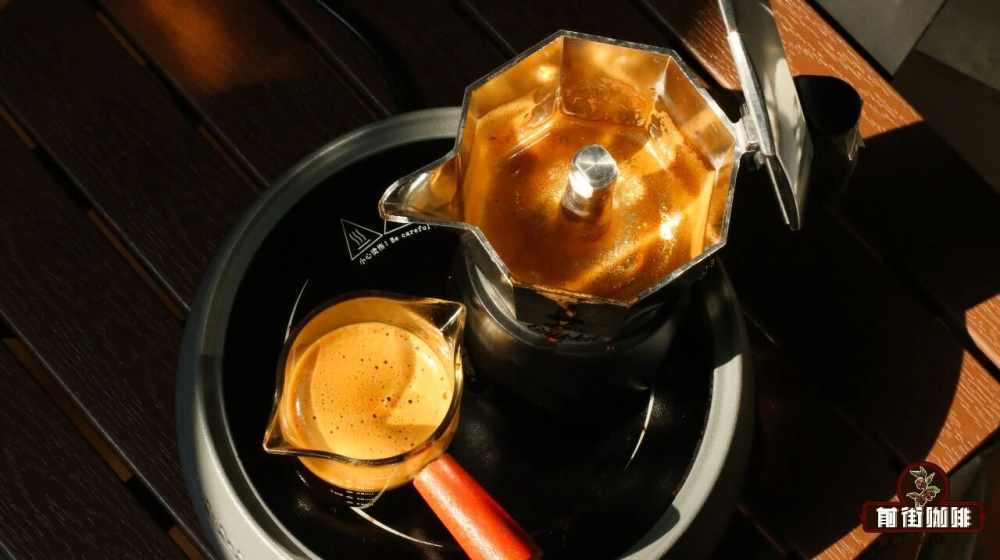
For example, a medium-dark roast blend of Brazilian Red Bourbon and Yunnan small-seed variety is often used for moka pot brewing. Such recipes typically feature aromas reminiscent of creamy chocolate, with a noticeable sweetness detectable upon grinding. The brewed coffee leans toward a nutty profile, balanced with a hint of ripe plum acidity and sweetness. It’s suitable for direct drinking or as a latte base, offering high compatibility—not only great for home use but also commonly found in daily offerings at coffee shops.
If you care more about the crema performance of your coffee, or want to practice latte art with a moka pot, it’s recommended to choose blends with high crema yield. Some classic Italian blend recipes often carry combined aromas of butter, roasted hazelnuts, caramel, and dark chocolate. Under the high-pressure extraction of a moka pot, these beans can form a thick crema, resulting in a robust and layered mouthfeel. When brewed as black coffee, the flavor is clean and mellow; when milk is added, it becomes smooth and silky—ideal for all kinds of milk-based coffee drinks.
Besides blends, if you’re keen to explore the unique flavors of specific regions, medium-roast single-origin beans are also a great choice for the moka pot. For instance, medium-roast single-origin beans from certain well-known estates in Brazil or Papua New Guinea typically exhibit distinct nuttiness and natural cane sugar sweetness, with a clear and balanced flavor profile. Under high-pressure extraction, these beans can showcase the unique terroir characteristics of their origin while maintaining a moderate acidity-to-sweetness ratio—perfect for coffee lovers who appreciate origin-specific flavors.
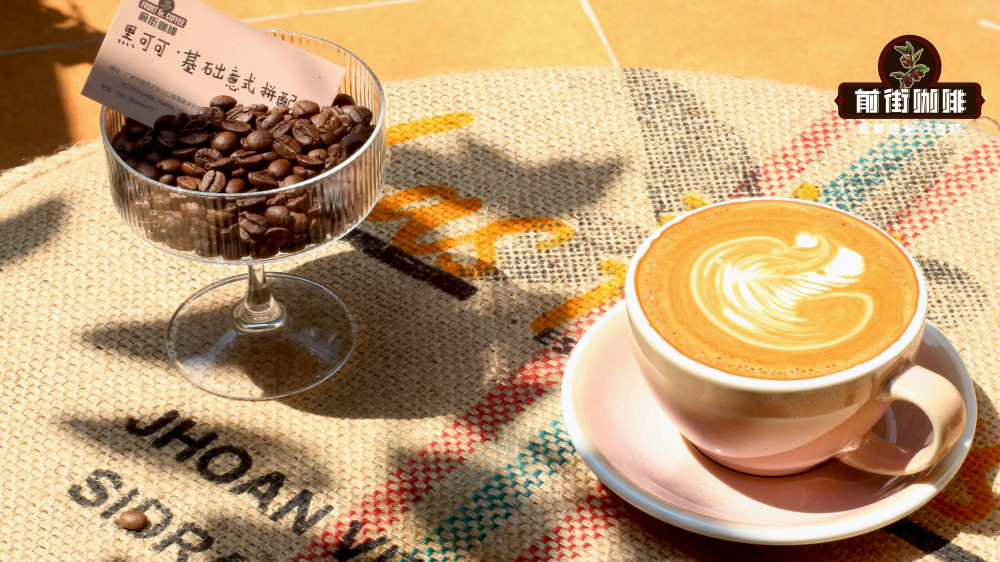
In summary, when using a moka pot, it’s recommended to prioritize medium-dark roast coffee beans. Whether blends or single origins, they can deliver better extraction results and flavor performance under high pressure. Additionally, proper grind size (generally finer than pour over but not overly powdery), brew ratio, and heating speed are also key factors affecting the final cup. Through continuous experimentation and adjustment, you’ll be able to find the moka pot coffee combination that best suits your taste.
The above content is compiled by CoffeeHunters, a coffee news website.


