







Introduction:The moka pot is a classic brewing device that many coffee enthusiasts have at home. Not only is it simple in structure, but it also allows you to easily brew rich coffee with an espresso-like flavor at home. This article delves into the history and working principles of the moka pot, and provides a detailed explanation of the correct steps from grinding beans, filling the basket, pouring water, to heating and turning off the heat. It also addresses why the coffee brewed during the first few uses of a new moka pot is not recommended for drinking, helping readers enjoy the pleasures of moka pot brewing safely and effectively.
The moka pot is practically an iconic symbol of Italian kitchens, found in nearly every Italian household. In recent years, with the rise of camping and home pour over trends, this easy-to-use, stove-powered device has once again gained popularity among coffee lovers. This article will start with the history of the moka pot, introduce its extraction principles in depth, and walk through the key operational steps — from selecting beans, grinding, filling, pouring water, heating, to turning off the heat — helping users brew a rich, espresso-like beverage.
At the same time, we will also explore a common question: why is it not recommended to drink the coffee from the first to third brews of a new moka pot? Understanding these details will make your experience with the moka pot smoother and more satisfying.
The history of the moka pot dates back to the early 20th century, when coffee culture was gradually becoming popular in Italy, but traditional espresso machines were large and expensive, typically found only in commercial settings. To allow ordinary households to enjoy strong coffee, Italian engineer Alfonso Bialetti was inspired by the steam pressure principle of traditional washing machines and applied this concept to coffee makers. After years of refinement, he finally launched the Moka Express in 1933 — the moka pot as we know it today.
This pot combines the concepts of siphon and pressure extraction, achieving efficient brewing with a simple structure. It quickly became an essential household item in Italy and remains widely popular to this day.
The moka pot mainly consists of three parts: the lower chamber holds water, the middle part contains a filter basket for placing coffee grounds, and the upper chamber collects the brewed coffee. By heating the lower chamber, the water inside turns into steam, creating pressure that pushes the hot water up through a central metal tube, passing through the coffee grounds in the filter basket, and finally collecting in the upper chamber, resulting in a richly flavored coffee.
This steam-pressure-based extraction method allows the moka pot to replicate an espresso-like taste at home without the need for complex equipment, making it especially suitable for outdoor camping or home use. For those who enjoy a strong flavor but don’t want to invest in expensive professional espresso machines, the moka pot is undoubtedly a high-value option.
To brew a flavorful cup of coffee with a moka pot, selecting beans and grinding them properly is the first critical step. Since the moka pot operates in a relatively high temperature environment, it is recommended to use medium to dark roasted coffee beans, or espresso blends specifically designed for espresso. If you choose light roasted beans, they may be over-extracted under high temperature and pressure, resulting in overly sharp acidity and bitterness.
In terms of grind size, it is recommended to adjust to a consistency close to superfine sugar or very fine powder to ensure that water can adequately extract flavor compounds as it passes through the coffee bed, but not so fine as to cause blockage or over-extraction.
In practical operation, start by placing 20 grams of coffee grounds into the filter basket and gently but evenly tamp them down. Be careful not to apply too much pressure, which could hinder water flow. Next, pour water into the lower chamber, making sure the water level stays below the safety valve to avoid overflow or abnormal pressure during heating.
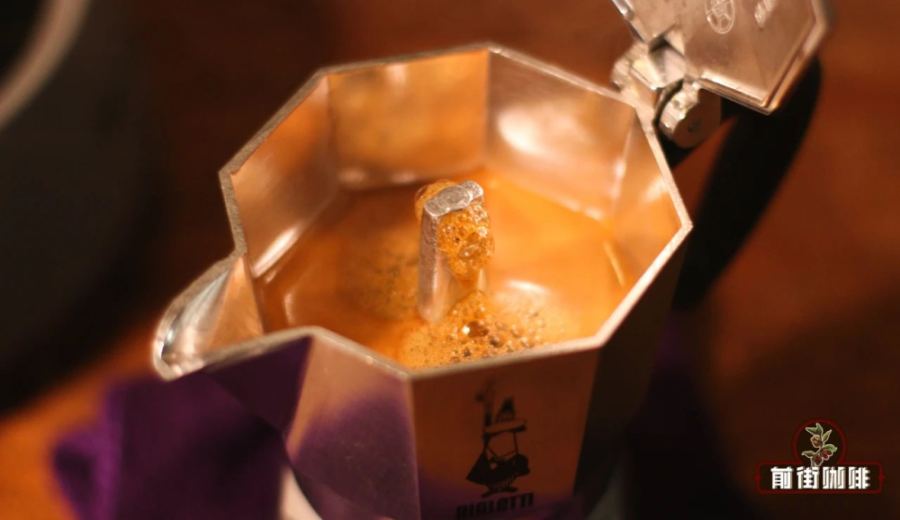
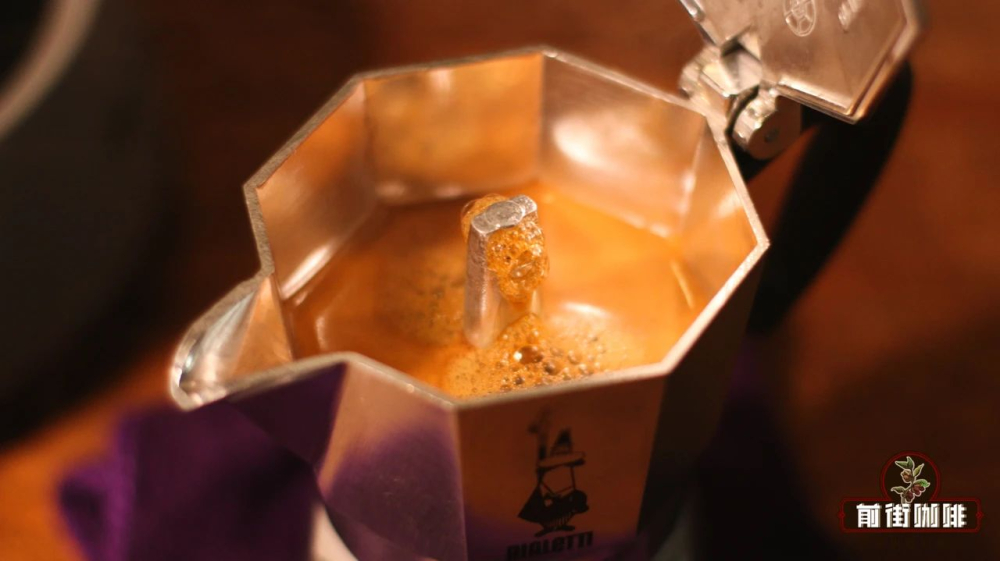
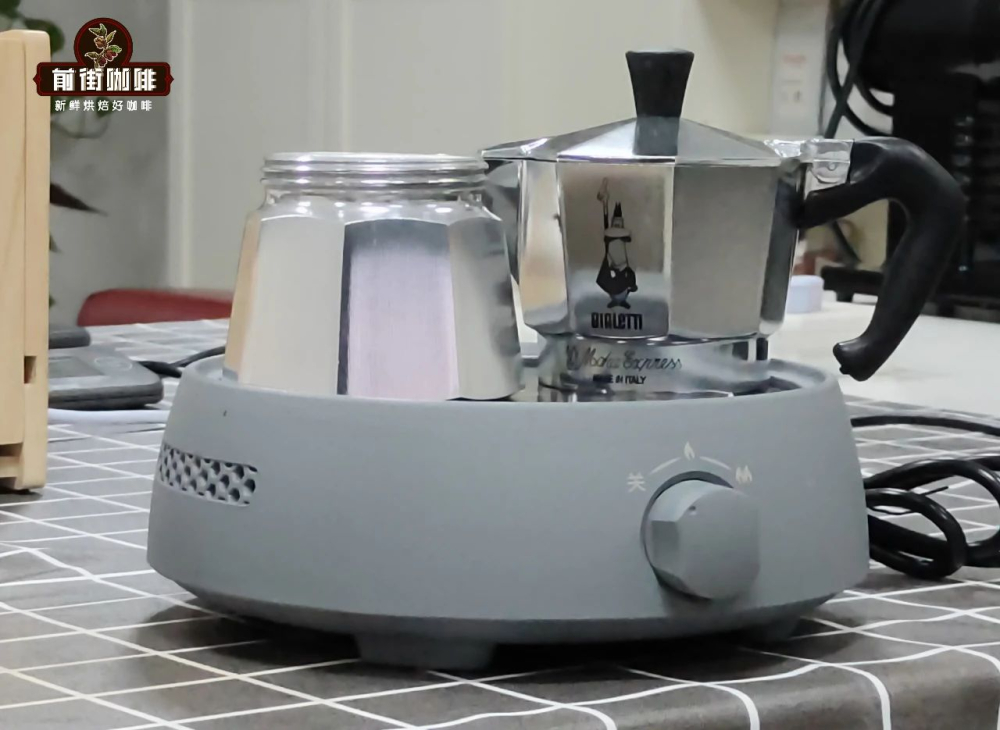
After installing the filter basket onto the lower chamber, screw on the upper chamber tightly to ensure a secure connection between the two parts, preventing any leakage during heating. Before starting to heat, it is recommended to leave the lid open and begin heating over low to medium heat while observing the extraction process. This helps you control the heat and prevents the liquid from boiling over too soon. If your stove has wide burner grate spacing, consider placing a stable stand or trivet under the moka pot to prevent it from tipping over during heating.
When you see the coffee liquid beginning to emerge from the central tube and gradually rising into the upper chamber, it means the extraction is underway. Once the coffee in the upper chamber is near full or you notice the flow slowing down and the color lightening, turn off the heat immediately to avoid over-extraction or burnt, bitter flavors. It’s best to pour the coffee into your cup shortly after turning off the heat to prevent continued residual heat from altering the flavor balance.
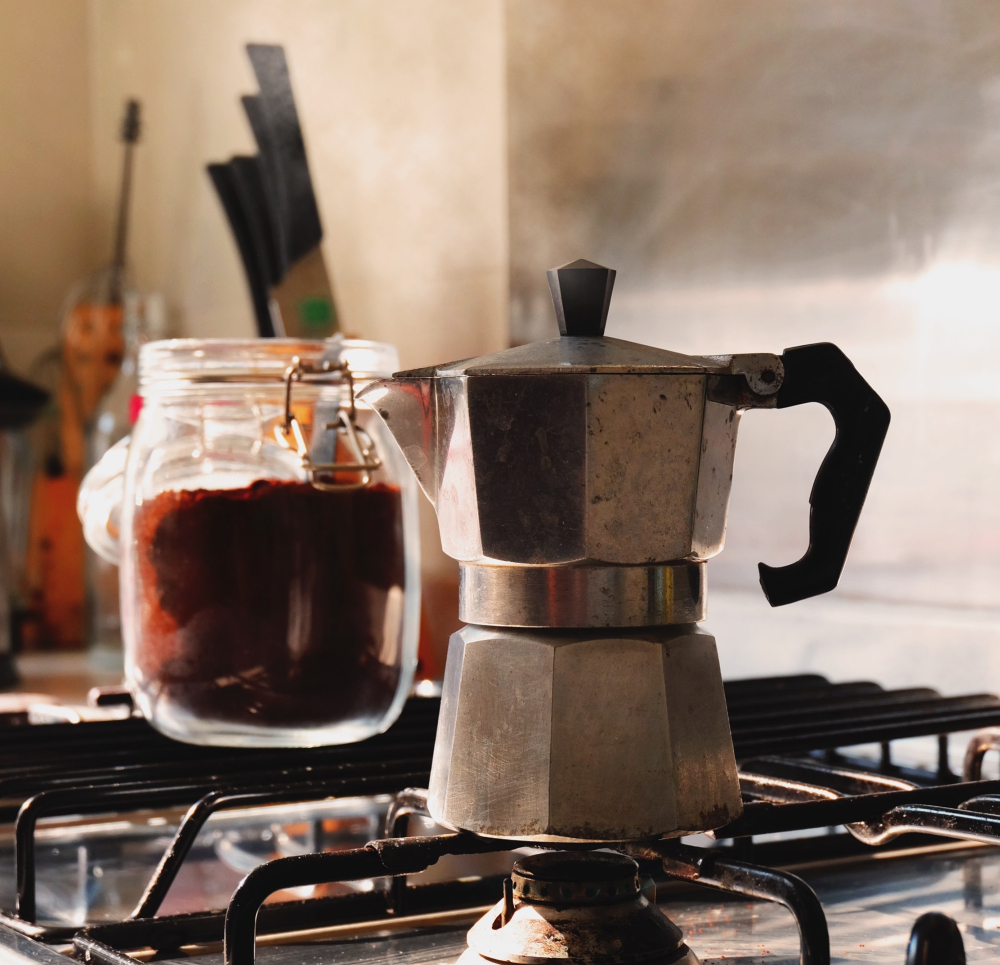
As for why it’s not recommended to drink the coffee from the first three brews of a new moka pot, it mainly relates to residual oils, metal processing particles, or protective coatings left over from the manufacturing process. During the initial heating, these substances may dissolve or be released into the coffee, affecting both flavor and potentially health. Therefore, it is advised to either boil the moka pot with just water for the first two to three uses or discard the brewed coffee those times to ensure the subsequent coffee is clean and safe.
Mastering these basic techniques and precautions will not only help you use the moka pot more safely but also enable you to brew coffee with better flavor, closer to professional espresso. Whether for daily home use or outdoor adventures, the moka pot is a reliable coffee companion.
The above content is compiled by CoffeeHunters, a coffee news website.


