







Introduction:Thanks to the unique geographical environment of the Andes Mountains, Colombia produces diverse and high-quality Arabica coffee. From the traditional MAM regions to the increasingly popular Huila in the south, each area showcases a rich variety of flavor profiles due to differences in altitude and climate. This article will delve into the main characteristics of Colombia’s coffee-producing regions, the green bean grading standards, and analyze the classic flavor profile of washed Huila, helping you fully grasp the quality logic and selection essentials of Colombian coffee.
Colombia is one of the important Arabica coffee producers in South America. Its uniquely favorable geography, especially the Andes Mountains that run through the western part of the country, provides ideal conditions for coffee cultivation. These mountainous areas not only feature varied terrain with altitudes ranging from 800 to 2300 meters but also boast fertile, nutrient-rich soil, enabling Colombia to produce coffee year-round and establish its reputation as a stable coffee supplier.
The Andes Mountains consist of three major ranges, which not only provide abundant sunlight and moderate shade but also allow different regions to develop unique microclimates, thereby influencing the flavor direction of the coffee. As a result, Colombian coffee cultivation can be roughly divided into the traditional MAM regions and the recently spotlighted premium southern regions.
The so-called MAM regions refer to the three core areas located in the central Andes: Medellín, Armenia, and Manizales. Among them, coffee from the Medellín region is particularly well-regarded. Its beans are full-bodied, aromatic, and feature a well-balanced acidity and sweetness. It is generally recommended to roast these beans to a dark level, which can bring out a rich and captivating taste, making it highly favored by hardcore coffee enthusiasts.
The Nariño region is located in the southern part of the country, at altitudes ranging from 1500 to 2300 meters, making it one of the few areas in Colombia capable of growing ultra-high-altitude coffee. Coffee from this area often has complex layers, but due to the challenges posed by the high altitude—such as greater risk of plant diseases and the fact that most farms are small-scale operations averaging just around 2 hectares per household—it is a typical example of meticulous, small-batch farming.
The Santander region, located on the eastern side of the mountains, sits at altitudes between 1400 and 1600 meters and features a relatively dry climate. Since coffee trees are often planted in forested environments that offer good shade, fruit ripening is slowed down. Coupled with large diurnal temperature variations and fertile soil, the coffee produced here usually boasts strong aromas and carries distinctive herbal notes along with a long-lasting sweet aftertaste. The Rosa Valley bean variety from this region exemplifies this with its pronounced rose and peach aroma.
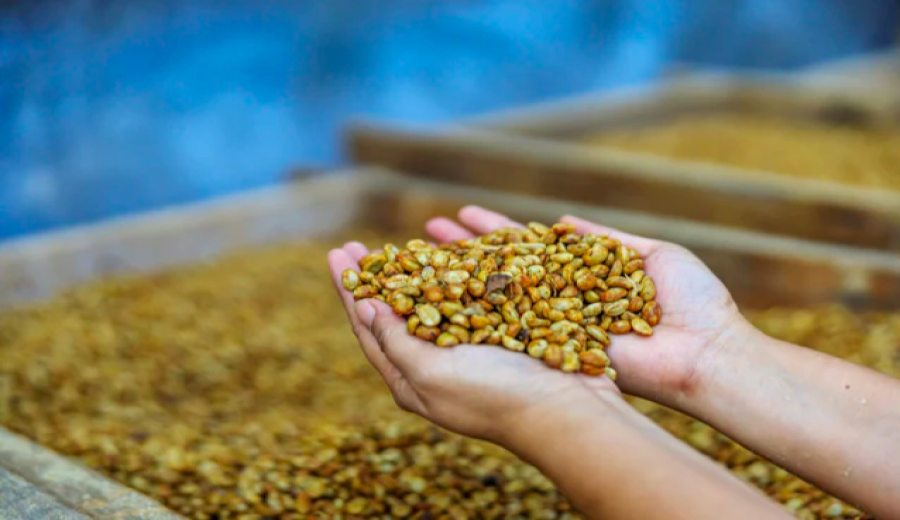
The southern Huila region has rapidly emerged in recent years as a hub for premium coffee in Colombia, accounting for approximately 12% of the country’s total coffee output. The terrain is mainly hilly, with elevations generally exceeding 1500 meters, and it is further enriched by the presence of the Cauca River, which provides a stable water source. Huila mainly relies on micro-lots and smallholder farming models. Different microclimates paired with diverse processing methods give rise to highly distinctive flavor profiles. To experience the classic style of Huila, it is recommended to choose medium-dark roasted beans processed using the washed method, which can deliver a harmonious sweetness of nuts, dark chocolate, and caramel, with soft and layered acidity.
Colombia enforces a strict grading system for exported green beans, led by the National Federation of Coffee Growers (FNC). The classification is primarily based on bean size, sieve size passing rate, and overall quality. Higher altitudes usually mean a longer growth cycle for coffee, which helps accumulate more sugars and aromatic compounds, making it easier for high-altitude coffees to meet higher-grade standards.
Common Colombian green bean grades include:Supremo 18, referring to coffee beans that pass through a size 18 sieve. These beans are large and smooth, allowing up to 10% of size 17 sieve beans to be mixed in;Supremo 17/18, which consists of beans retained above the 17/18 sieve, also requiring a uniform and flat appearance, and allows up to 5% of size 14 sieve beans;Excelso EPgrade permits 10% or 5% of beans falling within the 14/12 sieve range, with beans still considered medium to large in size; additionally,UQG(usually good quality) refers to coffee beans that pass through a size 14 sieve but not a size 12 sieve, typically accounting for no more than 1.5% of the lot.
In addition to the mainstream grades mentioned above, Colombia also has special grades such asExtra(16 mesh and above),Premium(18 mesh and above), andMinama(almost entirely uniform 15 mesh beans). These grades not only affect the appearance and price of the coffee but also serve as important references for traceability and quality control. Each batch of exported green beans is meticulously recorded with information on origin, processing method, and grading, facilitating traceability and selection for both consumers and roasters.
The above content is compiled by CoffeeHunters, a coffee news website.


