







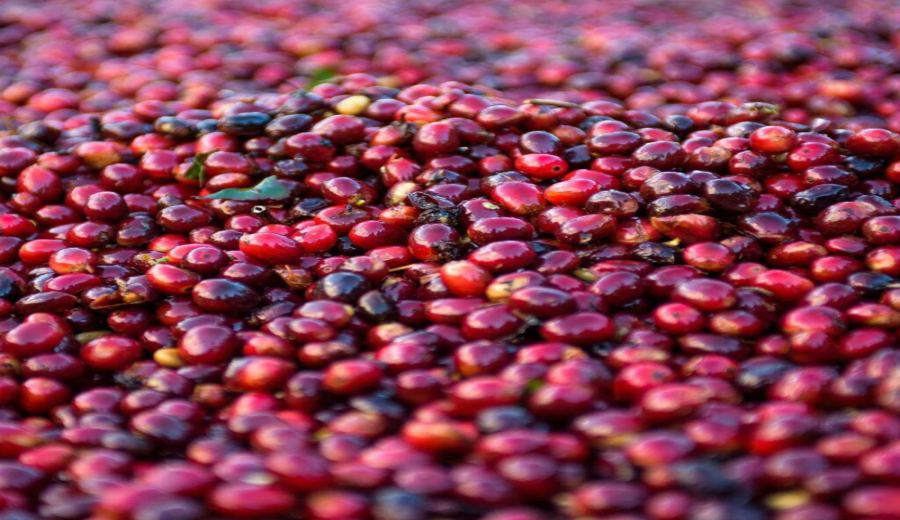
Introduction:Panama Geisha coffee is renowned for its unique floral and fruity aromas, making it a star variety in the specialty coffee world. This article delves into the origin background and flavor origins of Geisha, explores the reasons behind its rising prices, and discusses how suitable roasting and brewing methods can bring out its delicate layers. It also provides practical pour-over coffee brewing parameters and steps to help you enjoy high-quality Geisha flavors easily at home.
In the world of specialty coffee, Panama Geisha is hailed as one of the most iconic representative varieties. Its distinctive citrus, floral, and tea-like flavors have captivated coffee enthusiasts worldwide. With frequent wins in international competitions and the boost from auction markets, Geisha has not only gained immense fame but also seen its prices soar, becoming what many consider an unattainable "luxury."
What exactly creates such enchanting flavors in Geisha? In fact, it’s closely related to its varietal genetics, cultivation altitude, microclimate conditions, strict harvesting standards, and subsequent processing methods. Panama’s high-altitude growing regions, especially the Boquete area, boast fertile volcanic soil and significant day-night temperature variations, providing ideal growing conditions for Geisha. These factors contribute to its unique citrus notes and refined acidity.
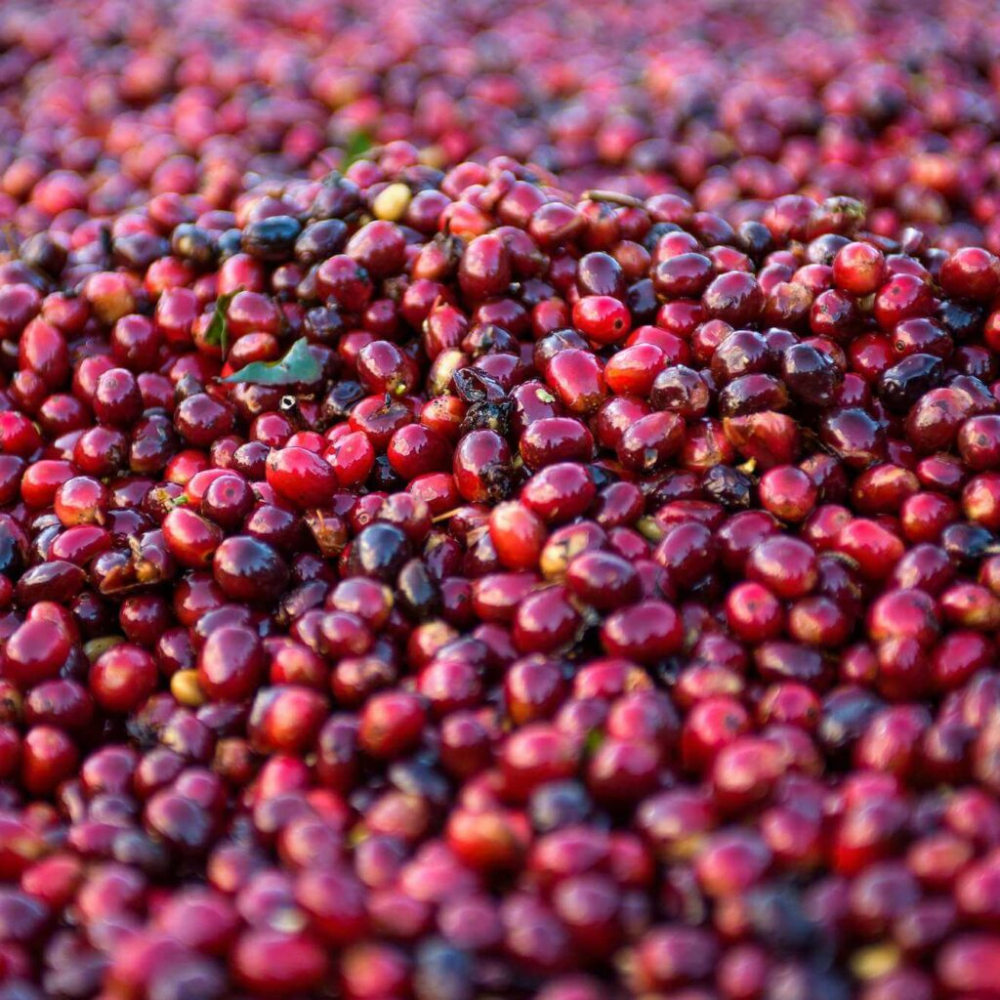
In its early days, Geisha was not particularly expensive, but as it consistently won top awards in major international roasting competitions—such as the Best of Panama—its popularity skyrocketed. The consumer pursuit of its distinctive flavors, coupled with limited production, high processing costs, and the influence of auction mechanisms, has gradually positioned Geisha as synonymous with high-priced coffee. Even so, many coffee lovers still wonder: are there Geisha options that offer excellent flavors at more accessible price points?
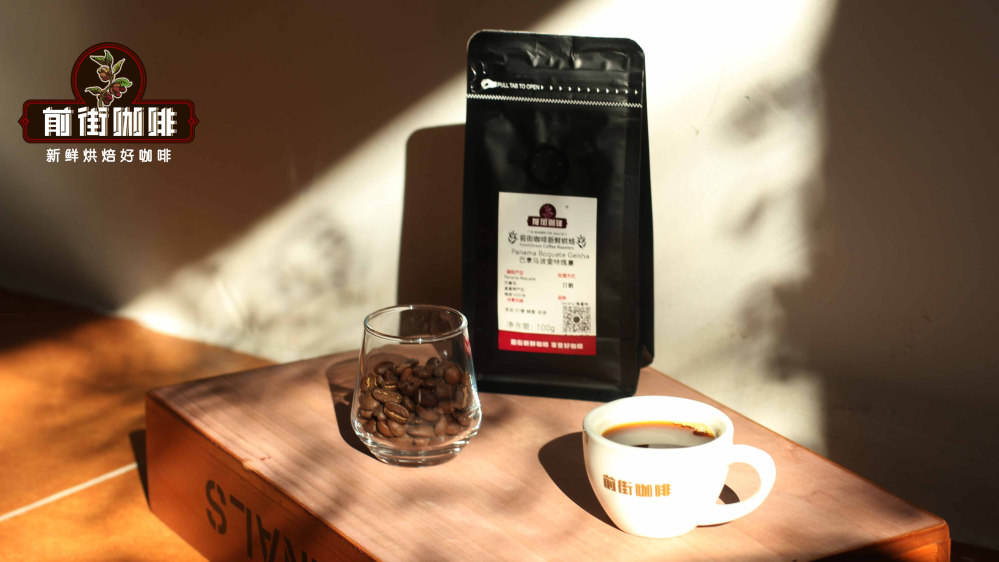
The answer is yes. By selecting the right growing regions and processing methods, and using an appropriate roast level to highlight its bright acidity and floral-fruit notes, you can experience Geisha-like flavors with better cost-performance. Among these, Geisha processed via the washed method often delivers a cleaner, crisper taste. When paired with a medium-light roast, it accentuates its signature white floral, lemon, and citrus acidity, with even a hint of green-tea-like elegance in the aftertaste—akin to sipping a high-quality Tieguanyin oolong tea.
If you wish to conveniently experience the layered flavors of Geisha at home, filter-drip coffee bags (hang-drip) are an ideal choice. However, since these require pre-ground coffee and have a larger surface area exposed to air, their aroma tends to dissipate more easily. Therefore, it’s recommended to choose hang-drip packs made from freshly roasted beans to preserve the fullest aroma and flavor. Generally, the optimal flavor peak is within 5 to 14 days after roasting—this is the best time to enjoy them.
When brewing filter-drip coffee, several key parameters and techniques greatly influence the final extraction result. First is water temperature, which is recommended to be controlled at around 90°C. You can let freshly boiled water sit for about 1–2 minutes to slightly lower the temperature to a suitable extraction range for medium-light roasts. Water that’s too hot can lead to over-extraction, resulting in burnt or bitter tastes; water that’s too cool may cause under-extraction, leading to weak flavors.
Secondly, the coffee-to-water ratio is also a crucial factor affecting flavor balance. It’s generally recommended to use a 1:15 to 1:17 ratio, meaning 1 gram of coffee grounds to 15–17 milliliters of water. This allows the delicate flavors of Geisha to fully shine without being overly intense.
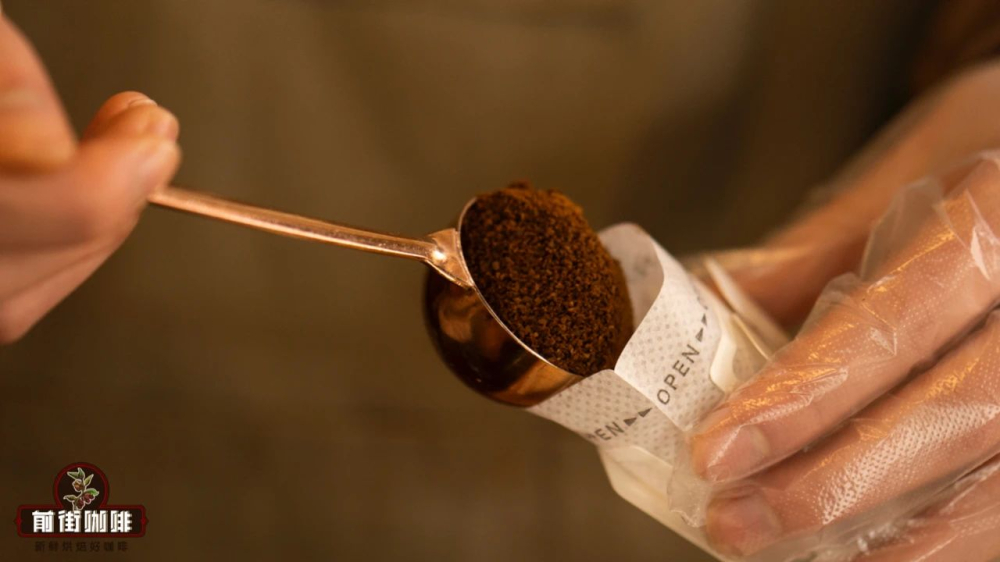
In practice, first open the hang-drip pack, tear along the dotted line to open the non-woven bag, and unfold the two “ears” on the sides to hang them on the rim of your cup. Then, start with a small amount of hot water for blooming—the water volume should be about 2–3 times the weight of the coffee grounds. The blooming time should be controlled at 10–20 seconds; this step awakens the aromatic molecules in the coffee grounds. After blooming, switch to a steady fine stream of water, pouring in a circular motion until the water level nears the top of the cup. Once about half of the coffee liquid has dripped through, continue pouring until full. Finally, wait for all the coffee liquid to finish filtering through, which takes about 2–3 minutes.
Throughout the process, it’s recommended to use a three-stage pouring method: the first stage for blooming, the second to pour until about seven-eighths full, and the last to fill completely and wait for dripping to finish. This method helps achieve even extraction, avoiding localized over- or under-extraction, so every sip showcases the delicate layers and rich fruitiness of Geisha.
Additionally, although hang-drip coffee is convenient to use, it’s important to pay attention to the freshness of the coffee grounds and storage methods. It’s recommended to consume them soon after purchase and store the hang-drip packs in a cool, dry place, away from direct sunlight and moisture, to maintain optimal flavor. As long as you keep these tips in mind, even beginner coffee drinkers can easily brew a cup of elegant, layered Geisha coffee at home, enjoying a high-quality experience akin to hand brewing.
The above content is compiled by CoffeeHunters, a coffee news website.


