








Introduction:Take an in-depth journey through Indonesia’s Sumatra region to explore its three renowned coffee-growing areas — GAYO (Aceh), Lintong, and Sidikalang — and learn how variations in altitude, tree varieties, and processing methods shape each region’s unique cup profile. We’ll also demystify the term “Golden Mandheling” and clarify its actual registration status. Featuring insights from an on-site visit to PWN and their warehouse, this guide helps coffee enthusiasts make more informed choices when selecting premium Sumatran beans.
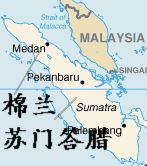
As one of Indonesia’s premier coffee-producing regions, Sumatra boasts several well-known growing areas, among which the GAYO (Aceh), Lintong, and Sidikalang regions stand out the most. These areas not only differ in altitude but also vary in the coffee tree varieties planted and the processing methods used, resulting in distinct flavor profiles. Through firsthand visits and in-depth interviews, this article analyzes the differences among these three regions and uncovers the various myths surrounding the highly acclaimed “Golden Mandheling.”
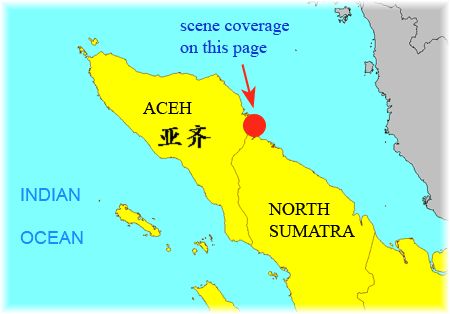
Among the many coffee-growing regions in Sumatra, the mountainous GAYO area (also known as the Aceh region) is currently the most esteemed for its Arabica beans. With elevations ranging from approximately 1,500 to 2,500 meters, the region enjoys cool weather and significant day-night temperature variations. Coupled with local farmers’ long-standing dedication to cultivating traditional tree varieties, this has led to coffees with rich, stable flavor layers. GAYO coffee goes by several names in both domestic and international markets, such as Gayo Arabica, Gayo Mandheling, Lake Tawar, and Takengon Mandheling. Interestingly, however, the term “Mandheling” is not commonly used locally — if you ask farmers directly about “Mandheling,” they may not understand, whereas referring to it as “Arabica” makes communication much smoother. This shows that “Mandheling” is actually a generic international term for the coffee from this region, rather than a local designation.
Due to GAYO’s focus on carefully selected traditional tree varieties and high-altitude cultivation, the coffee quality here is relatively consistent and excellent. As a result, major exporters like PWN (PAWANI) now source almost exclusively from this region. However, it’s worth noting that Aceh was once closed off for political reasons for a long time. Although peace has since been restored, travelers are still advised to avoid going there alone and to seek assistance from local guides to ensure safety. There have been numerous incidents of foreigners being kidnapped in the past, and even local residents exercise caution.
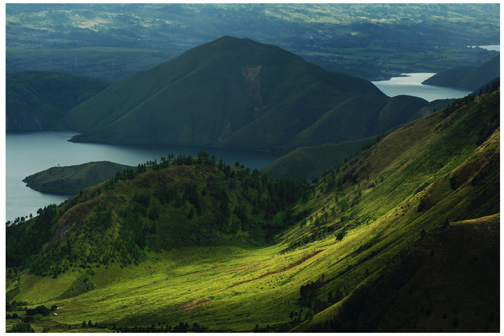
In contrast to GAYO’s premium positioning, the Lintong region is better known for its scenic landscapes, being close to Sumatra’s famous Lake Toba, with elevations ranging from about 1,400 to 1,800 meters. In earlier years, the region grew varieties such as Jember, Garundang Typica, and Ateng, and the coffee produced was once quite outstanding. However, in recent years, in pursuit of higher yields and earlier harvests, some farmers have switched to faster-growing new varieties, which has unfortunately led to an overall decline in flavor. This shift caused some previously Lintong-focused exporters to prioritize GAYO beans instead. Moreover, Lintong coffee was previously restricted by export policies, but those restrictions have now been lifted, allowing enthusiasts to finally enjoy more representative offerings from the region. For coffee-loving travelers, a trip to Lintong can also include a visit to the majestic Lake Toba, making it a highly worthwhile destination.
As for the Sidikalang (西地加朗) region, while it enjoys some local recognition, its production is primarily geared toward meeting Indonesia’s domestic demand, with relatively limited exports. As such, this article will not delve further into this region.
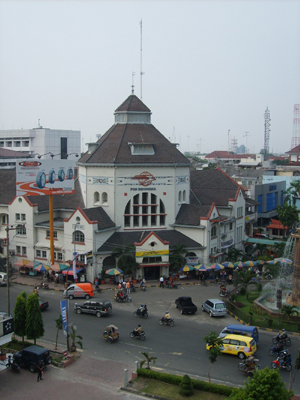
During this exploration, we also visited several prominent exporters in Medan, the capital of Sumatra, among which PAWANI (abbreviated as PWN) stands out as the most representative. Established over half a century ago by Mr. Tjoa Djoa Po and his partners, the brand name signifies long-term commitment. Notably, PAWANI was one of the first companies in Indonesia to successfully promote Arabica coffee in overseas markets, making it a significant representative of ethnic Chinese contributions to international coffee trade. Its primary markets include the United States, Japan, and Taiwan. Now, I am honored to be their first authorized domestic distributor, hoping that through this collaboration, more enthusiasts can enjoy the classic coffees from this longstanding brand.
Currently, PWN is managed by the founder’s son, Mr. Tjoa Wei Chih, along with two other seasoned veterans, who continue to uphold the founder’s principle of “quality first.” Rather than expanding operations to meet rising market demand, they insist on personally overseeing every step of the process — from origin management and harvesting to packaging — ensuring strict quality control. In the past, PWN also sourced beans from Lintong, but due to the decline in local quality, they have now fully shifted to the GAYO mountain region. Additionally, in response to growing domestic demand for smaller packaging sizes, I specifically requested that PWN switch their supplied beans to 30-kilogram packs and transition from traditional woven palm leaf sacks to jute bags, enhancing storage stability and transport convenience.
When it comes to the widely known “Golden Mandheling,” there are quite a few misconceptions. After verifying with PWN, it turns out that the name “Golden Mandheling” is officially registered in Indonesia only by PWN. As a result, in places like Taiwan or mainland China, anyone can claim their product as “Golden Mandheling,” so consumers need to judge authenticity for themselves. Furthermore, the processing method for Golden Mandheling differs significantly from that of regular Mandheling. While the GAYO region generally uses the honey process and Lintong mainly employs the semi-washed method, Golden Mandheling, though also semi-washed, undergoes a far more intricate manual selection and processing procedure. First, the coffee cherries must be handpicked by skilled workers right in the fields to select only the highest-quality fruit. Then, expert processors carry out a special washing process before quickly sending the beans to the factory for at least five rounds of manual sorting. Only then are they packaged for export. The entire process demands extreme attention to detail and significant manual labor, which gives rise to its distinctive aroma and taste — and also explains its relatively high price. Additionally, after being stored for a period, Golden Mandheling beans gradually turn golden in color, a transformation not seen in ordinary Mandheling beans, serving as another reference point for identifying authenticity.
Throughout the interview, the three senior executives at PAWANI demonstrated remarkable professionalism and approachability. Not only were they eager to share their expertise, but they also provided detailed answers to every question — one of the key reasons behind the company’s long-term stability and success. Their unwavering commitment to quality is undoubtedly a cornerstone of Sumatran specialty coffee’s international reputation.
In summary, if you wish to explore the diverse flavors of Sumatran coffee, it’s recommended to start with beans from the GAYO region. Not only will you experience the richness and complexity brought by high altitudes and traditional tree varieties, but you can also ensure you’re getting the most authentic and fresh Mandheling experience through official authorized channels. Whether you’re a pour over enthusiast or someone deeply immersed in extraction parameters and flavor wheels, the GAYO series of Sumatran coffee beans is definitely worthy of a spot in your collection.
The above content is compiled by CoffeeHunters, a coffee news website.


