







Introduction:How did Panamanian Geisha rise from an obscure variety to the pinnacle of specialty coffee? This article delves into its Ethiopian lineage, its rise at Panama’s Hacienda La Esmeralda, and explains the differences between Red and Green labels along with the impact of processing methods. From flavor profiles to auction records, and then to brewing techniques—culminating in a complete siphon brewing guide—this piece helps you fully grasp this uniquely flavorful coffee bean.
In the world of specialty coffee, Panamanian Geisha stands out with its bright floral notes, delicate citrus tones, and layered acidity, gradually earning a place among the elite. Some even argue that its performance surpasses that of traditional “kings” like Jamaican Blue Mountain and “queens” like Hawaiian Kona. This article begins with the origin of the Geisha variety, tracing its journey from Ethiopia to Central America, and explores how Panama’s Hacienda La Esmeralda elevated it to global stardom through auctions and meticulous selection. It also covers the differences between Red and Green labels, the effects of processing, and includes a practical siphon brewing tutorial.
The Geisha variety can be traced back to 1931, when it was discovered in the Gesha forest of Ethiopia and later sent to the Kenya Coffee Research Institute for study. It was introduced to Uganda and Tanzania in 1936, Costa Rica in 1953, and didn’t take root in Panama until the 1970s, when Don Pachi Serracin, owner of the Hacienda Potrero Cerrado farm, obtained seeds from CATIE (Centro Agronómico Tropical de Investigación y Enseñanza) in Costa Rica. This highland-origin variety, once planted only as a windbreak, has now become a globally sought-after star.
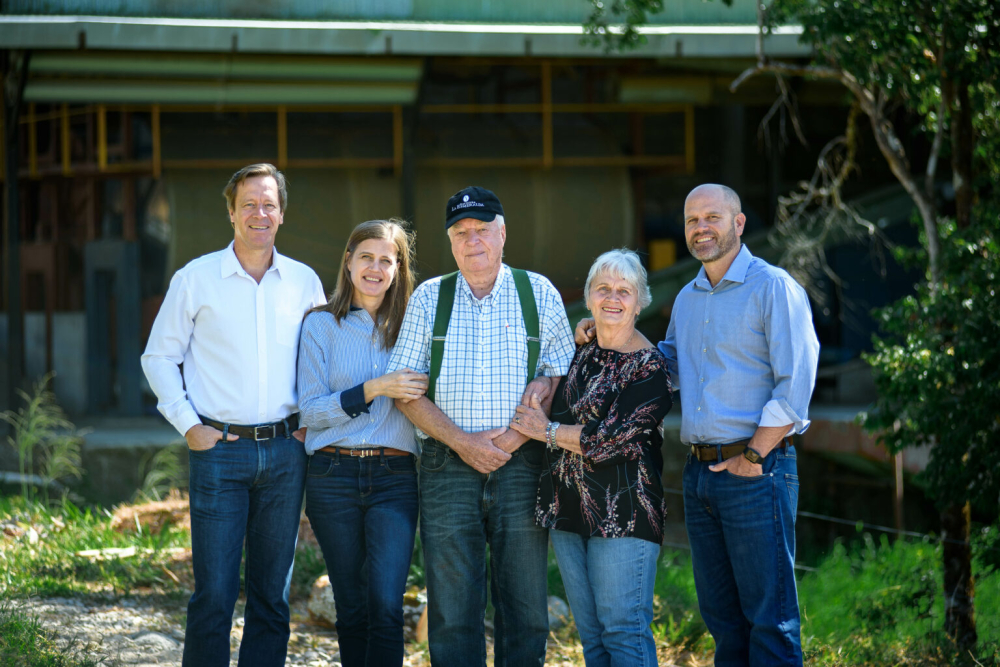
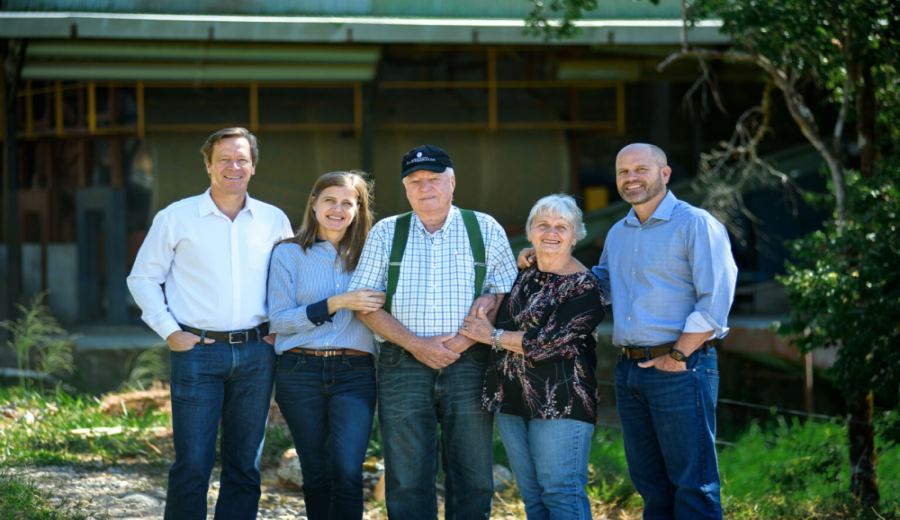
When discussing the rise of Panamanian Geisha, one cannot overlook the pivotal role of Hacienda La Esmeralda. Established in 1924 by Swedish immigrant Hans Elliot as a cattle ranch, it was purchased in 1964 by Swedish-born Rutger Beatson, a former president of an American bank and director of the United Nations Development Programme, as his retirement home. His son, Price Beatson, moved from California to Panama in 1973 to manage the farm, began large-scale coffee cultivation in 1987, and invested in processing facilities in 1994, gradually moving toward professional operations.
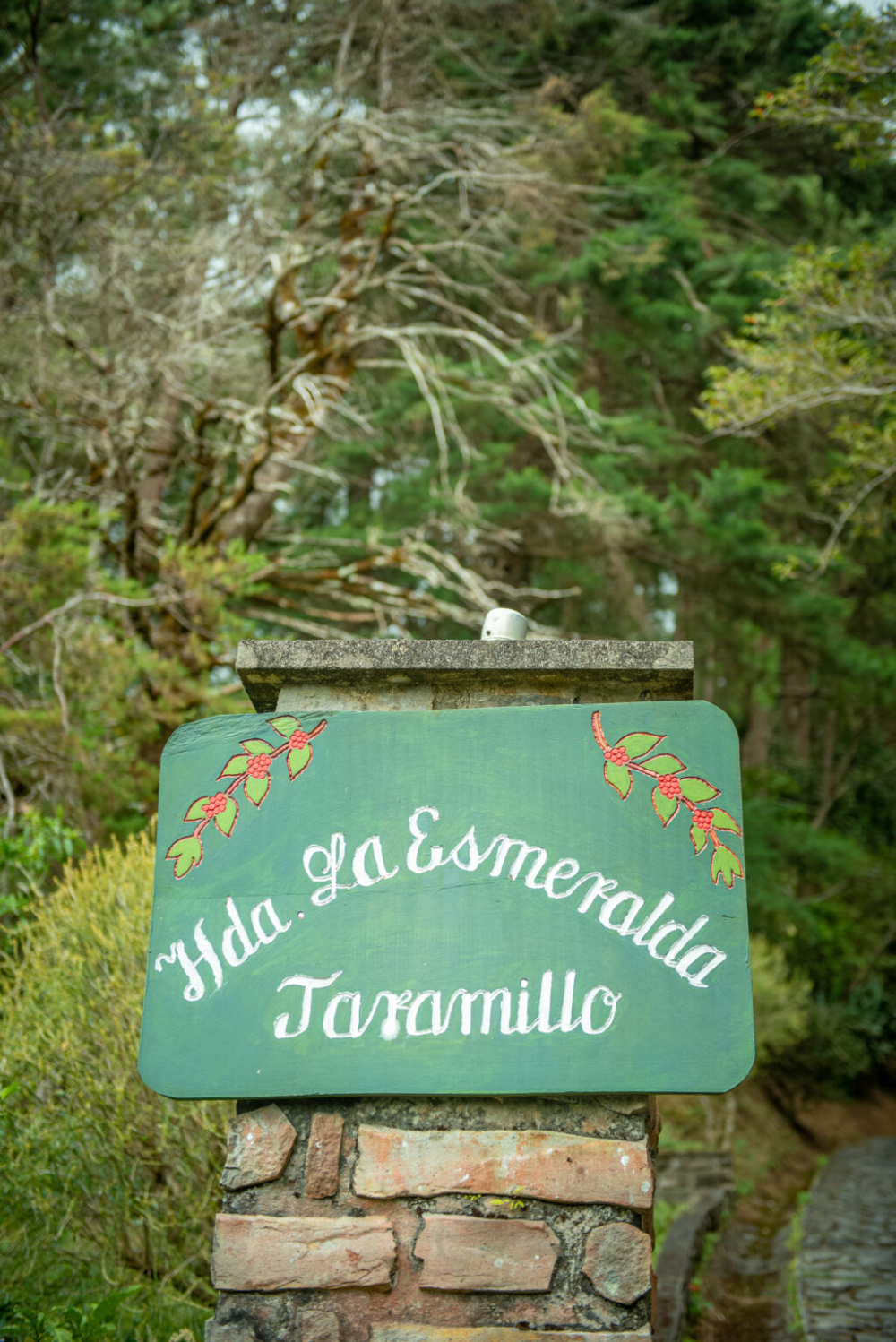
In 1996, Price and his daughter, Rachele, acquired a beautiful farm in the Jaramillo district of the Boquete Valley—the Hacienda La Esmeralda farm in Jaramillo—where Geisha would later shine. Initially, the Geisha variety was planted as a windbreak at higher altitudes due to its taller stature and lack of attention at the time. However, during an internal family variety trial, Geisha stood out and later stunned everyone by winning big at Panama’s Best of Panama competition. Since then, it has claimed numerous global titles, amassing over ten championships.
These include four consecutive Best of Panama wins from 2004 to 2007, as well as multiple championships in the same years’ SCAA Roasters Guild Cupping Pavilion and Rainforest Alliance quality competitions. In the auction market, Geisha set astonishing records: in 2004, the Best of Panama auction price was $21 per pound, $20 in 2005, surged to $50 in 2006, and hit a record-breaking $130 per pound in 2007. In 2008 and 2009, Hacienda La Esmeralda launched its first single-farm,分区 auctions with prices of $105 and $117 respectively, stunning the market once again.
Within Hacienda La Esmeralda’s product line, Geisha is categorized into several grades, the most prestigious being the Red Label (Esmeralda Special) and Green Label (Private Collection). The Red Label is the highest grade, sourced exclusively from high-altitude regions between 1600–1800 meters with cupping scores often exceeding 90. It mainly comes from the Jaramillo and Cañas Verdes lots, particularly the renowned Mario lot in Jaramillo. Red Label Geisha typically goes through an auction process, with each batch assigned a unique number corresponding to a specific plot, and is primarily processed using the natural (sun-dried) method to enhance floral, fruity aromas, and sweetness.
In contrast, the Green Label is a micro-lot grade, also from high altitudes but not limited to specific plots. Its flavor profile highlights bright citrus, berries, pomelo, and a soft tea-like character, often with an oolong-like finish. This grade is mostly washed, with refined pulping and fermentation processes that highlight Geisha’s clean acidity and gentle fruitiness—ideal for those who prefer a refreshing taste. The washed process includes flotation to remove defective beans, pulp removal, fermentation to eliminate mucilage, multiple washes and drying, followed by hulling. The resulting flavors are typically clear and bright.
Whether Red or Green Label, to faithfully present Geisha’s delicate floral notes and bright acidity, most are lightly roasted. Different processing methods and roast profiles significantly influence the final flavor, so it’s recommended to choose a brewing method based on personal taste preferences. If you’re already familiar with pour over, try using a siphon pot—it can bring out a richer fruit acidity and a tea-like finish.
Here’s a simple step-by-step guide to brewing Hacienda La Esmeralda Red Label Geisha using a siphon pot: First, install the filter cloth on the upper chamber and set up the lower chamber with the heat source. Pour about 220ml of hot water into the lower chamber, ensuring the outer wall is dry to prevent cracking during heating. Once the water boils and bubbles form, insert the upper chamber at an angle and secure it. When the water fully rises into the upper chamber, straighten and press it down, then add the coffee grounds and start timing. For the first 30 seconds, gently tap to evenly saturate the grounds. At 25 seconds, use a stirring stick to mix thoroughly, creating a distinct three-layer structure. Stir again near the 1-minute mark, turn off the heat at 60 seconds, and let the residual heat complete the extraction while using a dry cloth to speed up the coffee’s return flow. This method will yield a Geisha with a more layered and complex flavor experience.
The above content is compiled by CoffeeHunters, a coffee news website.


