







Introduction:Mobile coffee trucks have become a new urban spectacle in recent years, but how to operate them legally remains a question for many entrepreneurs. This article delves into the creative naming and design of coffee trucks, the process of applying for business licenses, and analyzes current domestic regulatory requirements, including mandatory procedures such as fire safety inspections and health permits. Through practical details and answers to common questions, it helps you plan an eye-catching yet compliant coffee truck, avoiding the risks of operating without a license.
As coffee culture gradually integrates into daily life, more and more consumers are no longer satisfied with the fixed spaces of traditional cafés and instead seek more flexible and casual ways to enjoy their brew. Mobile coffee trucks have thus emerged, becoming a new favorite on city streets and scenic spots. However, promoting mobile coffee trucks domestically still faces numerous challenges, including urban management regulations and operational legality. Take Qingdao as an example—there are already successful cases of coffee trucks operating there, and their experiences are worth referencing.
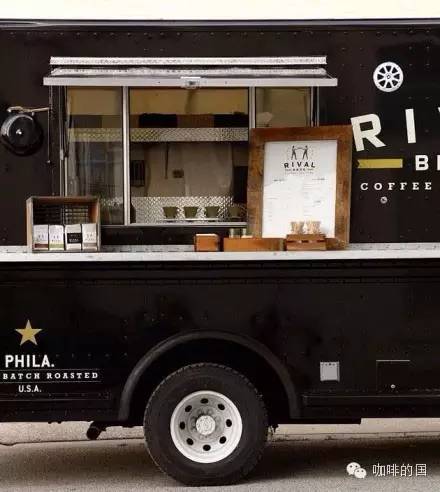
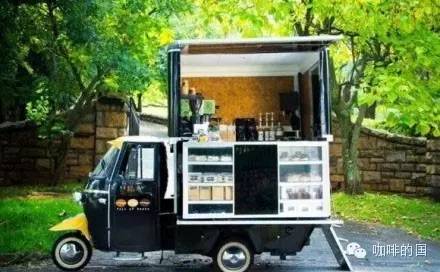

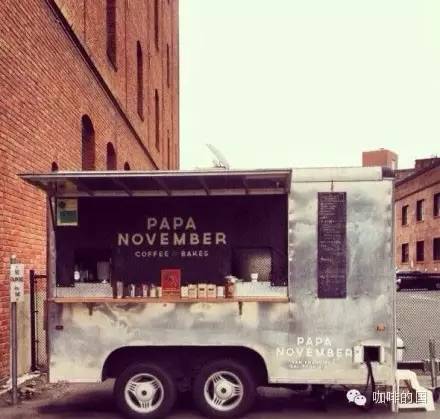
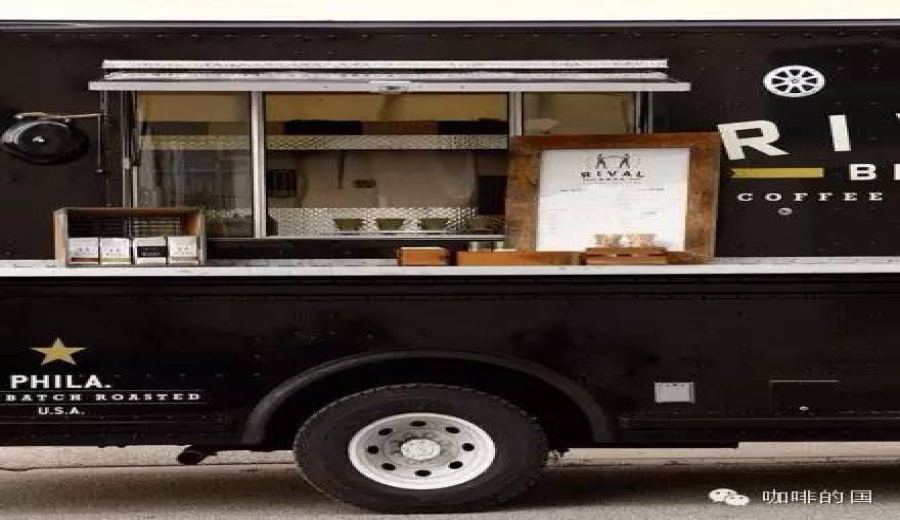
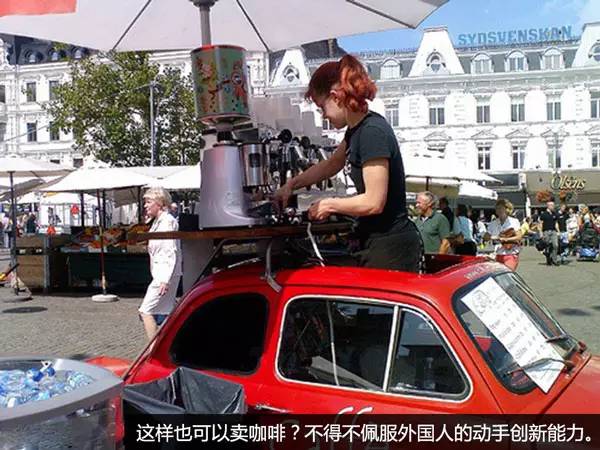
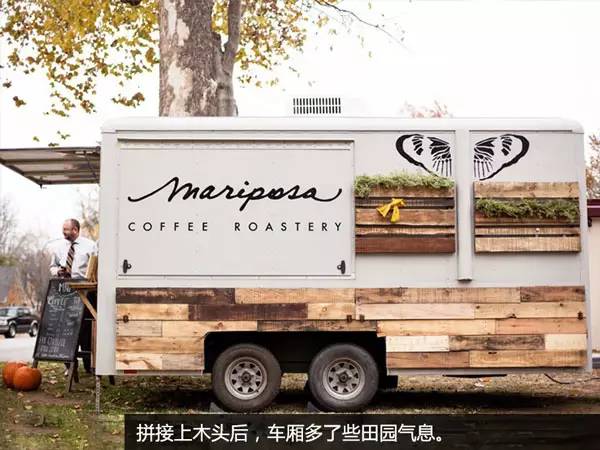
These specially modified vehicles may look different from typical food trucks, but their interiors are often on par with professional cafés: transparent glass window designs, clear price lists, clean coffee cups, and skilled baristas. This presentation makes it hard for customers to notice that it’s actually a mobile coffee shop.
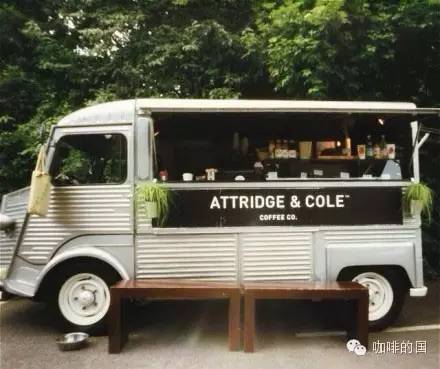


For consumers who love coffee but don’t want to go out of their way to visit a café, mobile coffee trucks offer the ideal solution. Whether during their commute or leisure time, as long as a coffee truck is nearby, they can enjoy a freshly brewed cup at any moment.
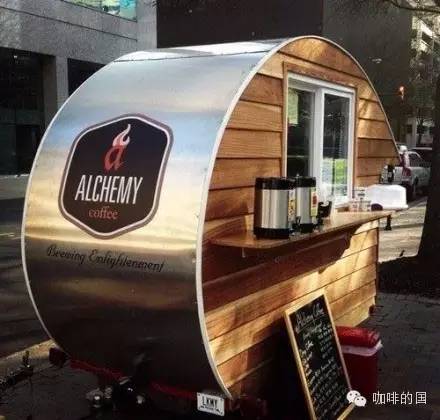


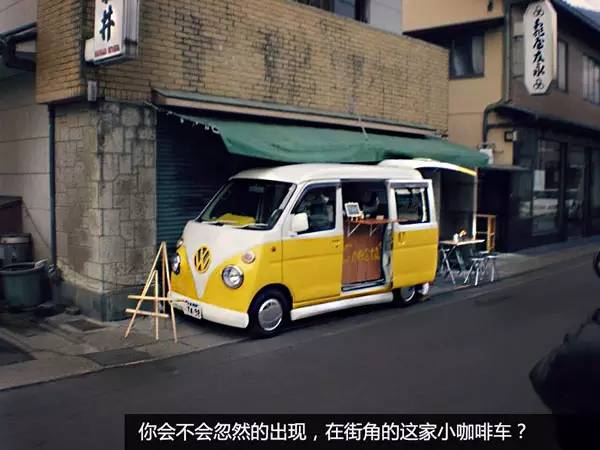
The advantage of mobile coffee trucks lies in their high mobility, allowing them to set up shop at various locations based on demand. This flexibility not only brings more business opportunities for operators but also creates convenience for customers to enjoy coffee anytime, anywhere.
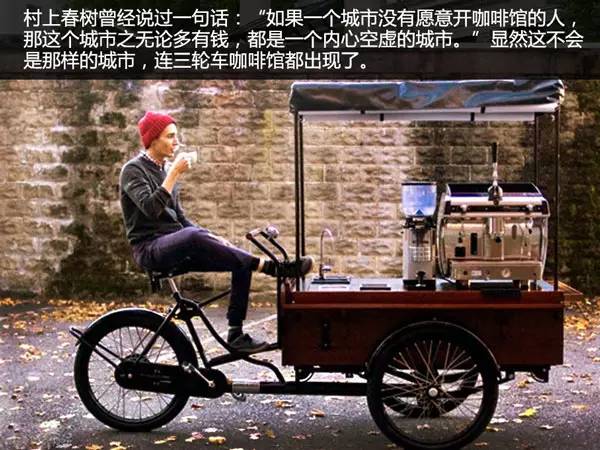
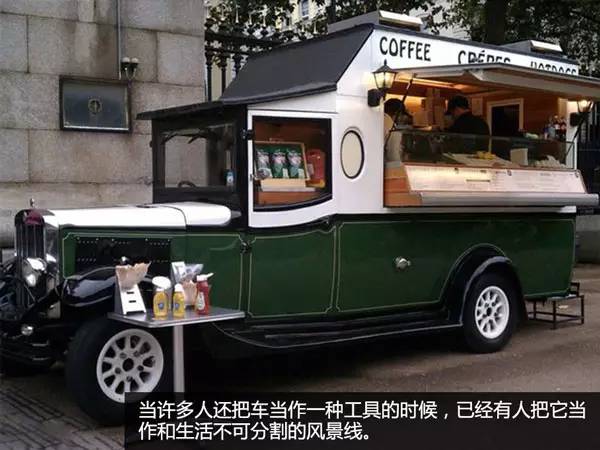
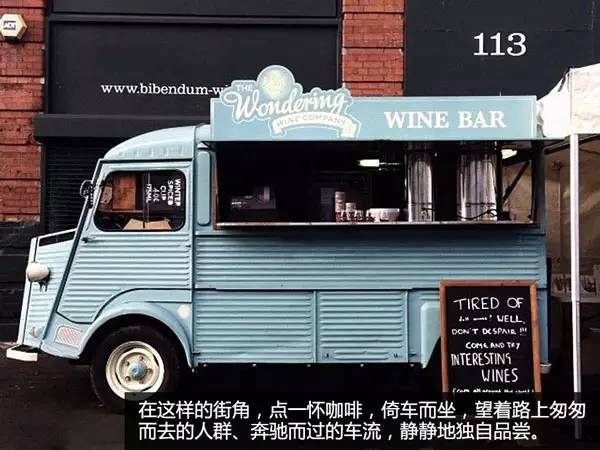
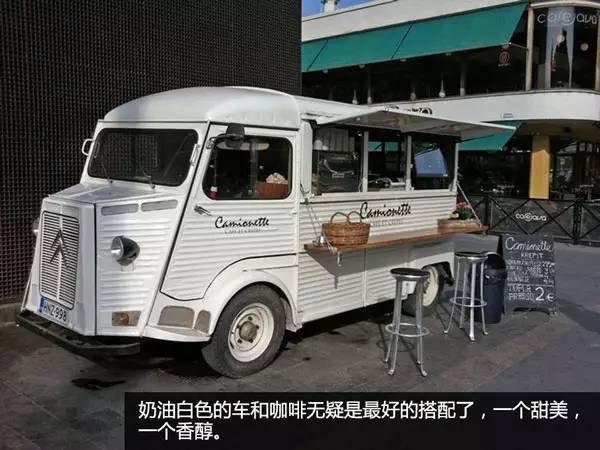
Such mobile cafés can reach almost any corner—the potential operating sites include urban tourist areas, scenic spots, campuses, office districts, parks, green spaces, or city squares.
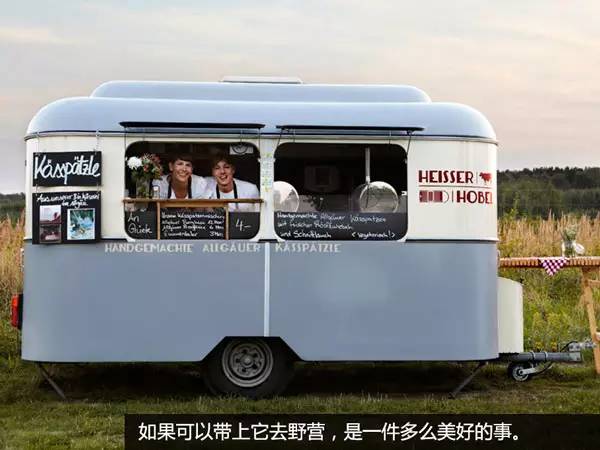
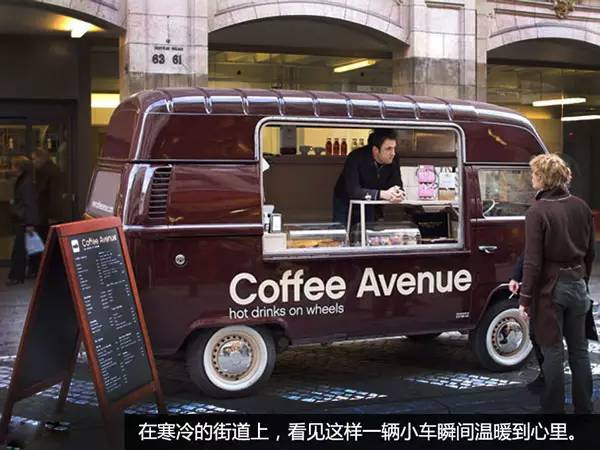
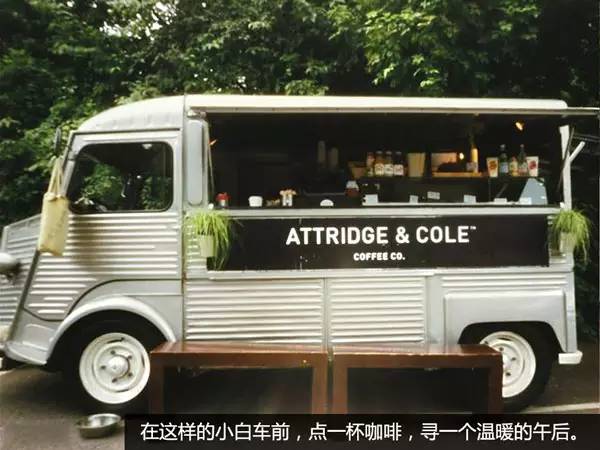
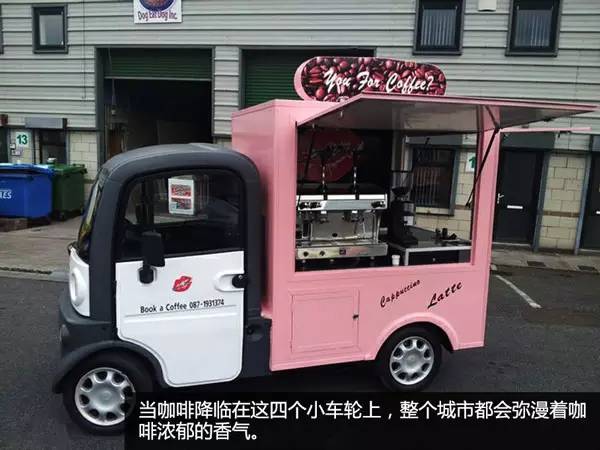
It’s worth noting that despite their high flexibility, legal operation is non-negotiable. According to legal advisors, operators must ensure the legality of the vehicle as a business premises, including passing fire safety inspections and obtaining necessary documents such as health permits, business licenses, and tax registrations.
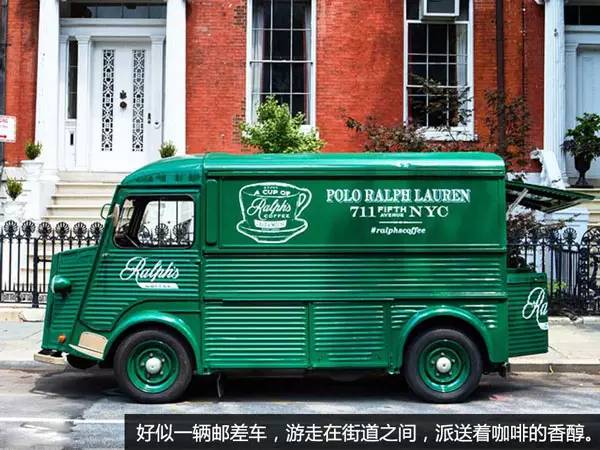
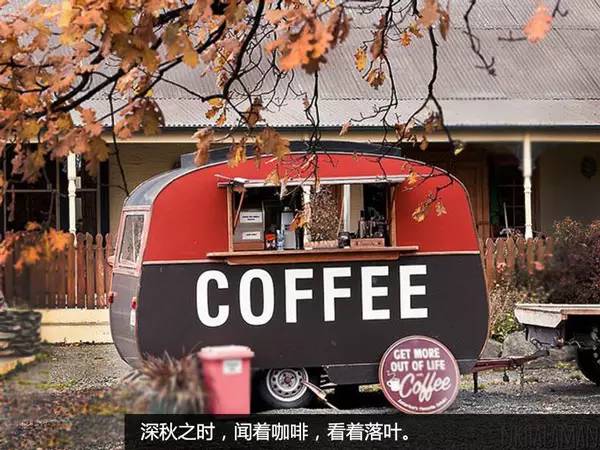
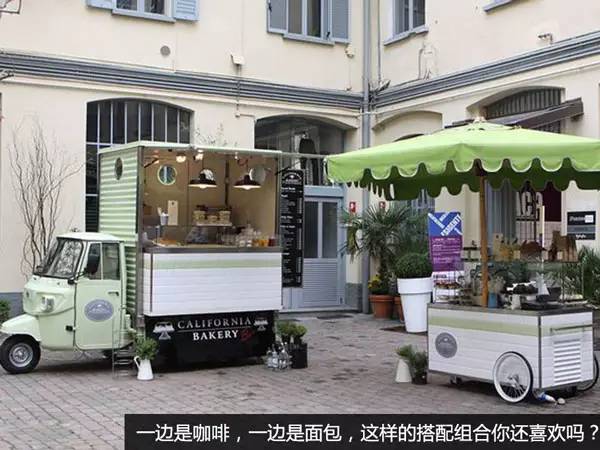
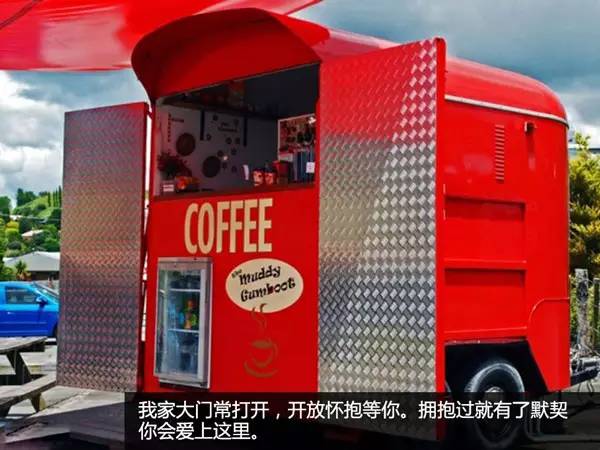
When planning a coffee truck name, entrepreneurs can consider incorporating local characteristics or brand philosophy to create unique recognition. At the same time, the business license application process requires preparing complete materials, including vehicle usage certificates, proof of business premises (i.e., documents for legal vehicle modification), and the operator’s identification.
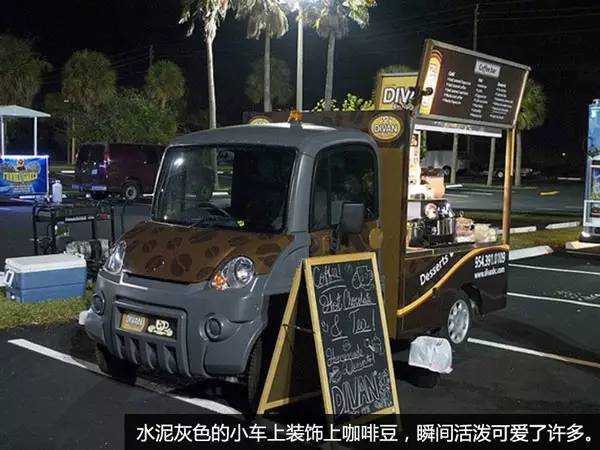

Common misconceptions include neglecting the importance of fire safety inspections or health permits. Overlooking these can lead to fines from authorities or even forced suspension for rectification. Therefore, it’s recommended that entrepreneurs thoroughly understand and comply with local regulations before launching a mobile coffee truck project, ensuring worry-free operations.
The above content is compiled by CoffeeHunters, a coffee news website.


