







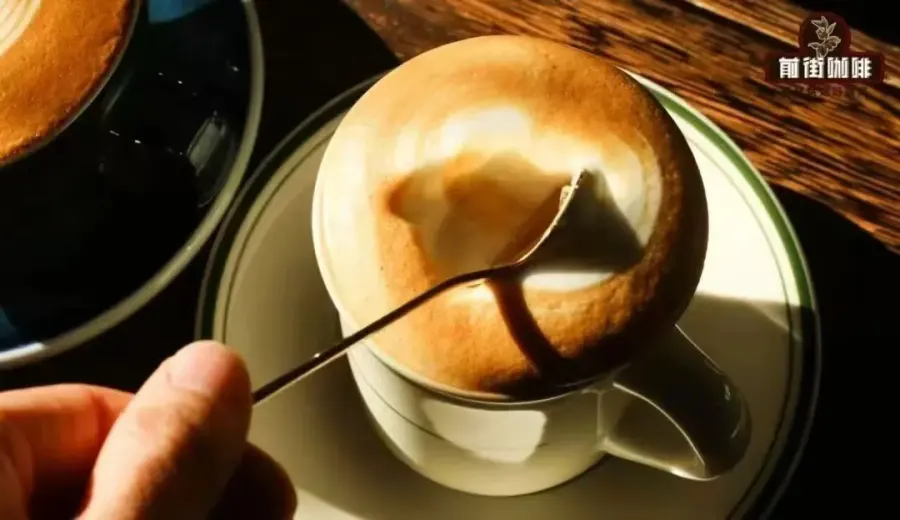
Introduction:As a classic Italian milk coffee, the cappuccino is renowned for its rich aroma and velvety texture. Compared to the latte, its unique foam thickness and ratio create a distinctly layered flavor profile. This article will delve into the key techniques for making a cappuccino at home, from practical parameters and alternatives for extracting espresso, to various methods for creating thick milk foam, as well as detailed steps for assembling both hot and cold versions—helping you easily recreate an authentic Italian flavor.
The cappuccino is a classic icon of Italian coffee culture, beloved for its rich aroma and dense, velvety foam. Although it shares the same foundation of milk and coffee as the latte, differences in foam thickness and proportion yield a completely distinct taste experience. This article will guide you step-by-step on how to make an authentic cappuccino at home—from sourcing your espresso, to mastering milk frothing techniques, to completing the full process for both hot and cold versions—to help you grasp the essence of this timeless coffee.
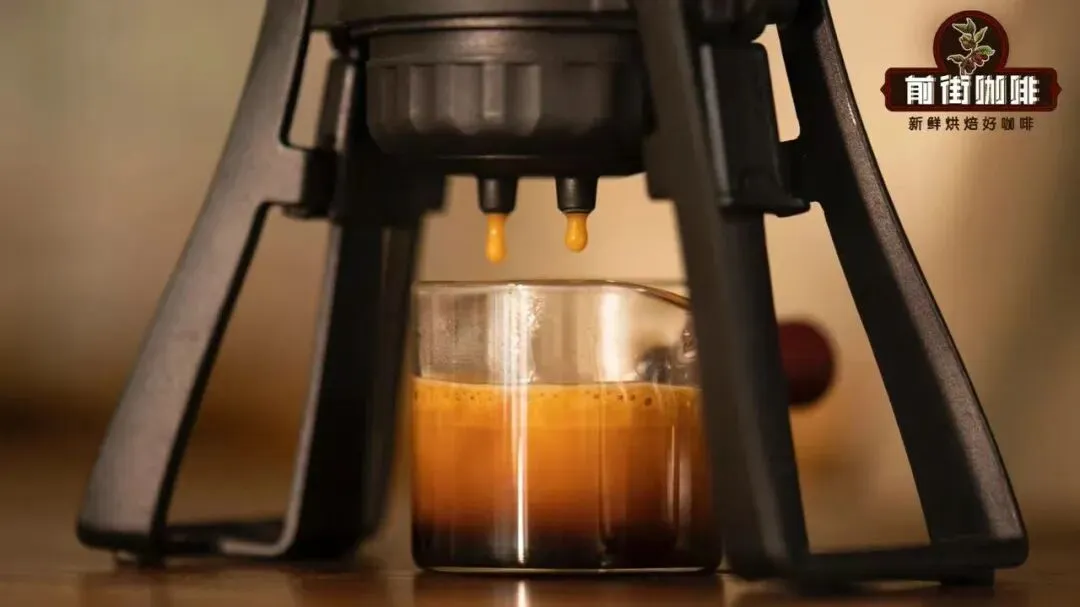
To make a satisfying cappuccino, you first need to understand its basic components: espresso, milk, and thick foam. Among these, the espresso serves as the essential base. If you have a semi-automatic coffee machine or manual extraction equipment at home, you can use them directly. Using common extraction parameters as an example, it’s recommended to use20 grams of coffee grounds, maintaining a coffee-to-water ratio of1:2, and keeping the extraction time around30 secondsto produce an espresso with balanced concentration and distinct flavor.

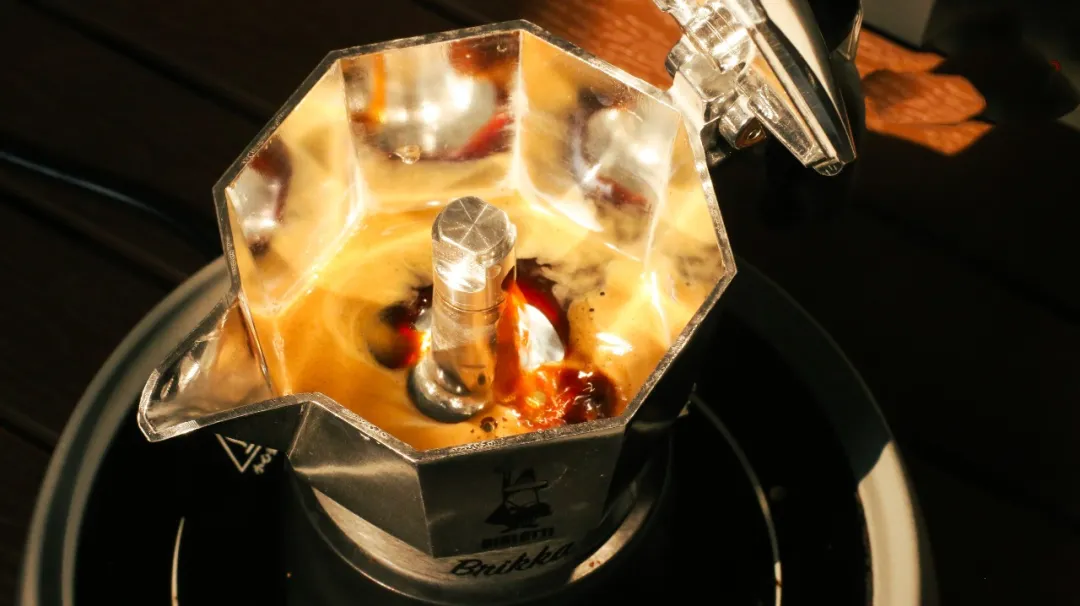
If you don’t have a professional coffee machine at home, don’t be discouraged—you can use other tools such as a moka pot to make a concentrated coffee as an alternative. The moka pot is a classic Italian device that uses pressure to extract coffee, producing a strong flavor similar to espresso. It’s especially recommended to use dark-roasted Italian blends, which typically offer intense notes of chocolate, nuts, and caramel, closely resembling the flavor profile of traditional Italian cappuccinos. If you prefer bright, fruity notes, you might also opt for medium-roast beans processed with natural sun-drying, such as certain SOEs (Single Origin Espresso beans), which bring out vibrant berry and citrus tones.

The texture of the milk foam is one of the soul elements of a cappuccino—ideally, it should be thick and velvety. In a professional espresso machine, steam wands are typically used to heat the milk while injecting air to form tiny bubbles, then through swirling and cutting motions, the foam and milk are evenly integrated to create a fine microfoam layer. This process takes some practice, but the resulting mouthfeel is absolutely worth the effort.
If you don’t have a steam wand, there are alternative methods. Common options include using an electric milk frother or a French press. When using an electric milk frother, first heat the milk to about65°C, then use the device’s spinning function to incorporate air into the milk and form foam. Another simple method is using a French press: pour an appropriate amount of milk into the press, then slowly and gradually increase the speed at which you pump the plunger. When you feel noticeable resistance, it means the foam has formed. Note that this method doesn’t allow precise control over foam thickness, so it’s best to practice with a small amount of milk first to avoid frothing all the milk at once.

Once you’ve mastered the techniques for making espresso and milk foam, the next step is combining these elements into a complete cappuccino. For a hot cappuccino, it’s recommended to use a preheated cup with a capacity of about200 milliliters. First, pour the extracted espresso—typically about40 milliliters—then add roughly120 millilitersof heated milk, and finally top the drink with about 1 centimeter of thick foam, filling the cup nearly to the brim, to complete a rich and smooth hot cappuccino.
If you’d like to enjoy a chilled version of the cappuccino, the steps are slightly different. First, prepare a cup with a capacity of over300 milliliters, add about100 gramsof ice cubes, then pour in the same proportion of milk as used for the hot drink. Slowly pour the espresso over the ice cubes, and finally top with milk foam until it reaches the rim. This combination preserves the bold flavor of the coffee while the ice cubes provide a refreshing coolness, making it especially suitable for hot weather or those who prefer cold beverages.
The above content is compiled by CoffeeHunters, a coffee news website.


