







Introduction:Indonesian Mandheling coffee is renowned for its rich, full-bodied flavor with notes of caramel and dark chocolate, making it a top choice for many fans of bold-tasting coffee. This article delves into the origins of the name "Mandheling," the unique environment of Sumatra's Lintong growing region, and how the wet-hulling process shapes its low-acid, high-body characteristics. It also provides practical pour-over brewing recommendations, including grind size, water temperature, coffee-to-water ratio, and a three-stage pouring method to help you fully extract Mandheling’s nutty, caramel, and chocolate layers.
Indonesian Mandheling coffee, with its bold and substantial mouthfeel and distinctive caramel and dark chocolate aroma, has become a classic "bold" choice in the hearts of coffee lovers worldwide. These beans are mostly medium to dark roasted, with extremely low acidity yet a distinct balance of bitter and sweet flavors, especially favored by those who enjoy a rich texture. Moreover, its bean shape is highly distinctive—curved like a goat’s hoof, which is actually the result of Sumatra’s unique wet-hulling process.
But did you know that the name "Mandheling" is actually related to Japanese soldiers? Legend has it that during World War II, a Japanese soldier in Indonesia drank an incredibly captivating coffee and asked local authorities to help find beans with the same flavor. The staff intended to point out that the origin was the Mandailing region, but due to confidentiality concerns, they casually said "MANDHELING," which is the "Mandheling" we know today. This accidental naming gave rise to a world-renowned coffee variety.
The history of coffee cultivation in Indonesia dates back to 1696, when the Dutch introduced Arabica seeds from Malabar, India. After several attempts, they finally harvested their first batch of coffee in 1701. The Lintong region of Sumatra Island is one of the main producing areas of Mandheling coffee today, and its geographical environment and climatic conditions have created the unique flavor profile of Mandheling.
Lintong Mandheling comes from the mountainous area of central-northern Sumatra near Lake Toba, at an altitude of about 1,100 to 1,600 meters. The Mandheling produced in this region is often processed using the wet-hulling method, a technique that is key to shaping its low-acid, full-bodied flavor and distinctive goat-hoof-like bean appearance.
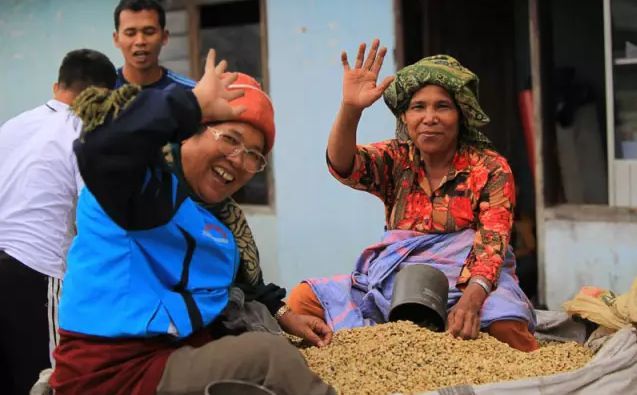
Indonesia has high temperatures and humidity year-round, especially in the Sumatra region, where air humidity remains between 70% and 90% for long periods, making traditional sun drying difficult. Even the washed method often struggles with stable drying due to rainy weather. As a result, the wet-hulling process was developed locally—first using traditional washing to remove the pulp, then briefly sun-drying the mucilage-covered beans until the moisture content drops to 30% to 50%, followed by removing the parchment layer and continuing sun drying until fully dry. This accelerated drying process not only adapts to Sumatra’s weather but also gives the coffee a deeper, richer body and earthy notes.
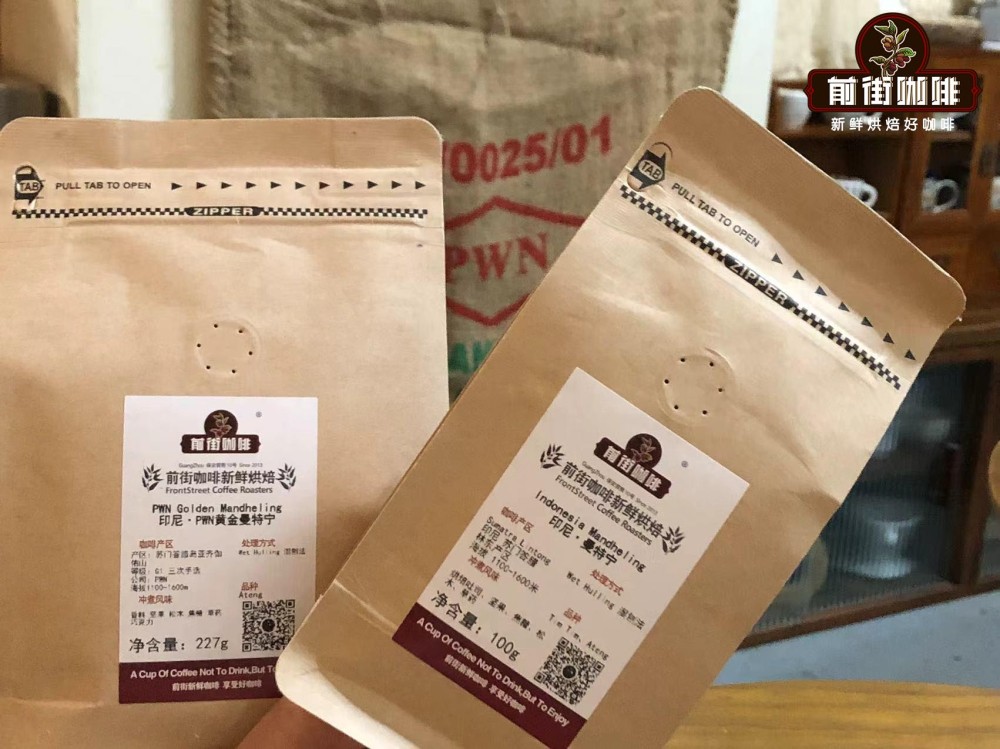
Because wet-hulling removes the outer parchment layer while the beans are not yet fully hardened, the coffee beans are prone to cracking during the subsequent drying process, resulting in a curved, goat-hoof-like appearance. Hence, they are also called "goat-hoof beans." This is a normal phenomenon, not a defect, and is often seen as one of the hallmarks of Lintong Mandheling.
For brewing Mandheling, it is recommended to use medium to dark roasted beans paired with a filter that enhances body and roasted aroma. For example, the Kono filter or flat-bottom filter can effectively slow down the filtration rate and extend extraction time, thereby highlighting Mandheling’s rich nutty, chocolatey, and subtly sweet caramel layers. If you don’t have the above filters on hand, V60 is also a good alternative, as its spiral ribs help ensure even drainage and are suitable for beans of various roast levels.
In terms of dosage, 15 grams is the standard for a single serving. The beans are best used 3 to 5 days after roasting, a period known as the "resting period," which helps develop the flavors more fully and makes the aroma richer. The grind size is recommended to be slightly coarser than that for light roasts, with about 70% passing through a #20 sieve. If ground too fine, the loosely structured dark roast may release excessive bitter substances; if too coarse, it may lead to under-extraction, resulting in a weak, watery flavor.
For water temperature, it is advised to keep it between 87–88°C. Too high may bring out burnt bitterness, while too low can make the overall flavor taste dull and uninteresting. The recommended coffee-to-water ratio is 1:15, which balances flavor complexity and overall mouthfeel. Some brewing methods suggest using a 1:13 or even more concentrated ratio, which can intensify flavors but may mask off-notes in the tail and affect the aftertaste’s persistence.
For brewing technique, it is recommended to use a three-stage pouring method: first, perform a 30ml bloom pour to wet all coffee grounds and release CO₂, preparing for subsequent extraction; next, the second stage involves pouring 100ml to fully bring out the golden crema and main body flavors; finally, the third stage uses a gentle center pour to add another 95ml, which helps enhance sweetness, making the overall mouthfeel rounder and fuller, fully showcasing Mandheling’s nutty, chocolatey, and caramel qualities.
The above content is compiled by CoffeeHunters, a coffee news website.


