







Introduction:Want to easily make a refreshing and uniquely flavorful cold brew coffee at home but not sure where to start? This article will detail the home brewing process for cold brew coffee, including recommended coffee-to-water ratios, extraction times, filtration and refrigeration storage tips, and also debunk common misconceptions: is the caffeine content in cold brew really lower than that in iced americano? In addition, we’ll also share the characteristics and flavor profiles of several coffee beans suitable for cold brew, helping you brew a cup that hits the right notes.
Even if you don’t have professional cold drip equipment at home, you can still use simple cold brew methods to easily produce iced coffee that rivals the quality of a café. Compared to hot brewing, the cold brew process is gentler, not only reducing bitterness but also highlighting the fruitiness and sweetness of the coffee itself, making it especially suitable for summer drinking.
First, prepare a sealable glass container and pour the pre-ground coffee powder into it. It’s recommended to use a medium-coarse grind, similar to that used for pour over, which helps extract a more balanced flavor. Then, according toa coffee-to-water ratio of 1:10 , add room temperature or ice water—for example, 30 grams of coffee powder to 300 milliliters of water. Stir gently to ensure the coffee grounds are evenly wetted, making sure every coffee particle absorbs enough water to kickstart the extraction.
After mixing, tightly close the glass bottle and place it directly in the refrigerator for8 to 12 hours. This period is key for cold brewing—longer steeping yields a richer flavor, but it can also extract more impurities, so it’s advised not to exceed 12 hours. If you prefer a lighter taste, you can shorten the time to around 8 hours.
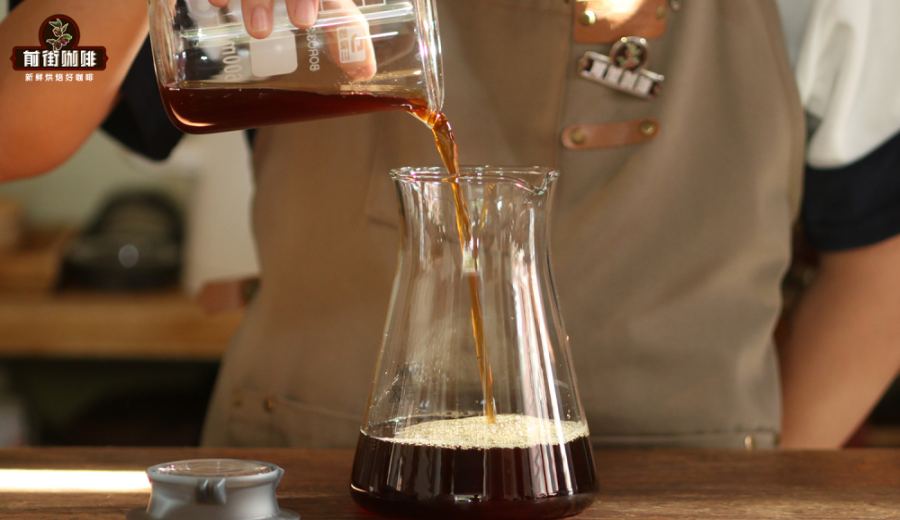
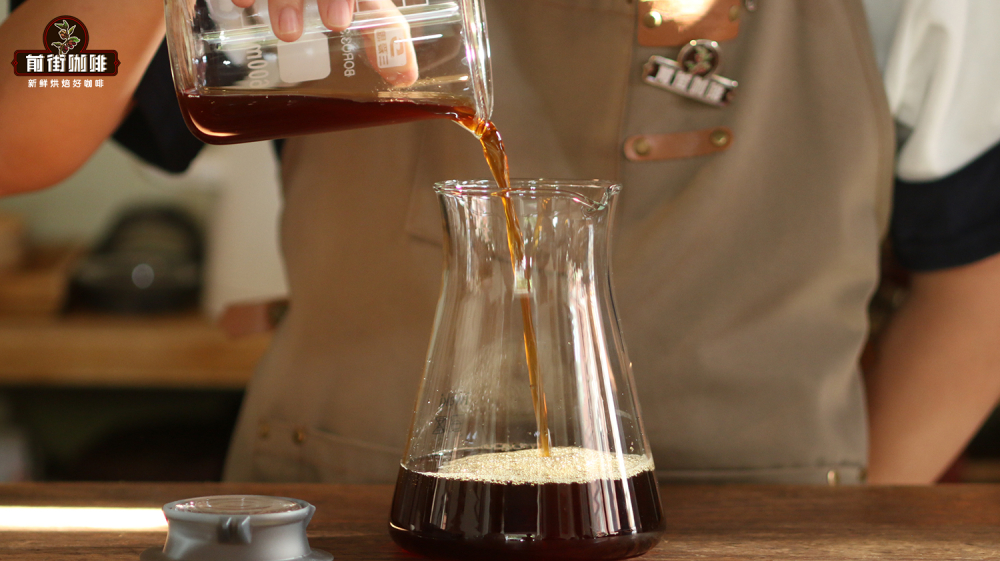
Once the time is up, filter the coffee liquid through a filter cloth, filter paper, or fine strainer to remove coffee grounds, leaving only the clear coffee liquid. The filtered cold brew coffee is recommended to be poured into a clean, sealed glass container and then returned to the refrigerator for storage. At this point, the coffee is ready to drink, and you can also adjust the concentration according to your taste by adding ice, milk, or water.
Many people wonder, which has higher caffeine content—cold brew coffee or iced americano? The answer is often surprising. Although cold brew uses room temperature or cold water for extraction, the temperature is significantly lower than that of hot brewing, but because the steeping time lasts several hours, caffeine has more time to dissolve into the water, socold brew coffee generally contains more total caffeine than iced americano. If you’re sensitive to caffeine, it’s best to pay attention to your intake before drinking.
When selecting coffee beans suitable for cold brew, it’s recommended to prioritizelight to medium-light roasts. These beans usually have more vibrant fruit acidity and floral characteristics, which can showcase a fresher and more layered profile under low-temperature extraction. For example, readers who enjoy fruity and tea-like flavor profiles can try washed processed beans; those who prefer wine-like and fermented flavors may choose beans with special processing methods.
If you prefer flavors with bright fruit acidity and berry notes,Huakui coffee beansare an excellent choice. These beans come from the Buku Abel processing station in Ethiopia’s Sidamo region, using washed processing combined with a base of sun-dried flavors, often featuring bright berry aromas and juicy sensations. Cold brew made from these beans tastes as fresh as berry juice, accompanied by subtle fermented notes such as passion fruit and lemongrass, with a balanced acidity and sweetness, and a long, smooth aftertaste like cream. Even when the ice melts, the overall flavor remains clear and captivating.
In addition, beans like Guodingding, Xizhua, and Mozart also each exhibit different potential for cold brew. Guodingding is suitable for users who enjoy fresh floral and tea-like notes, Xizhua is characterized by fermented wine and fruit aromas, while Mozart has a rich dried fruit sweetness, making it very suitable for creating sweet-tasting iced coffee.
Filtered cold brew coffee that isn’t consumed immediately can be stored in a clean, sealed glass bottle in the refrigerator. However, it’s important to note that even under refrigeration,the optimal flavor period for cold brew coffee is within 5 days. It’s recommended to consume it as soon as possible to enjoy the best flavor and avoid flavor degradation or off-flavors caused by prolonged storage.
The above content is compiled by CoffeeHunters, a coffee news website.


