







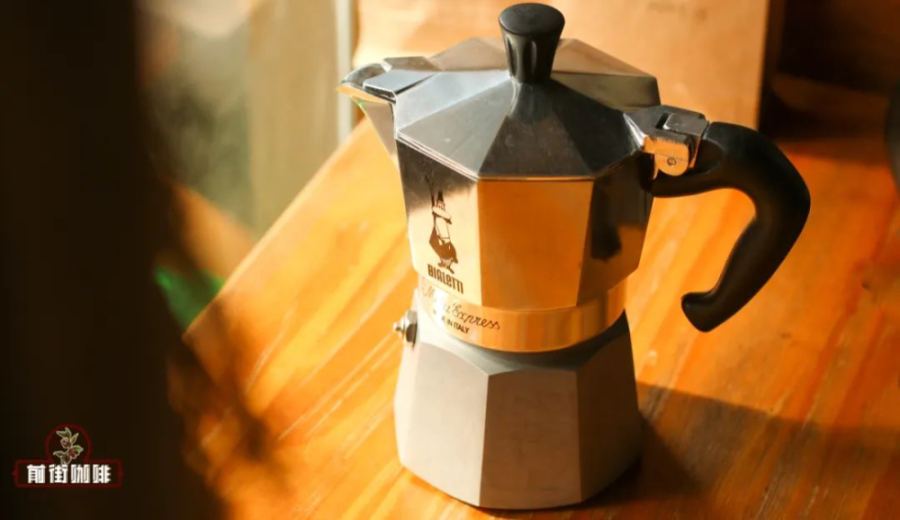
Introduction:Using a moka pot to brew espresso at home is the go-to choice for many coffee enthusiasts, but beginners often face issues such as spraying, no liquid flow, or lack of crema. This article delves into the causes behind these three common problems—including factors like puck resistance, heat control, grind size, and coffee bean freshness—and provides specific adjustment tips and practical techniques to help improve your moka pot extraction success rate, bringing you a flavor experience closer to that of a professional espresso machine.
The moka pot operates on a pressurized extraction principle, allowing you to brew coffee at home that closely resembles espresso. As a result, it has become an affordable favorite among many coffee lovers. However, for those just starting out, issues like coffee spraying out forcefully, slow or no liquid output, or extracted coffee lacking crema are common. These problems are often closely related to puck pressure, heat intensity, grind fineness, and the roast level and freshness of the coffee beans. In the following, we’ll break down the causes of these three common issues in detail, provide targeted adjustment strategies, and also recommend Italian-style coffee beans well-suited for use with a moka pot.
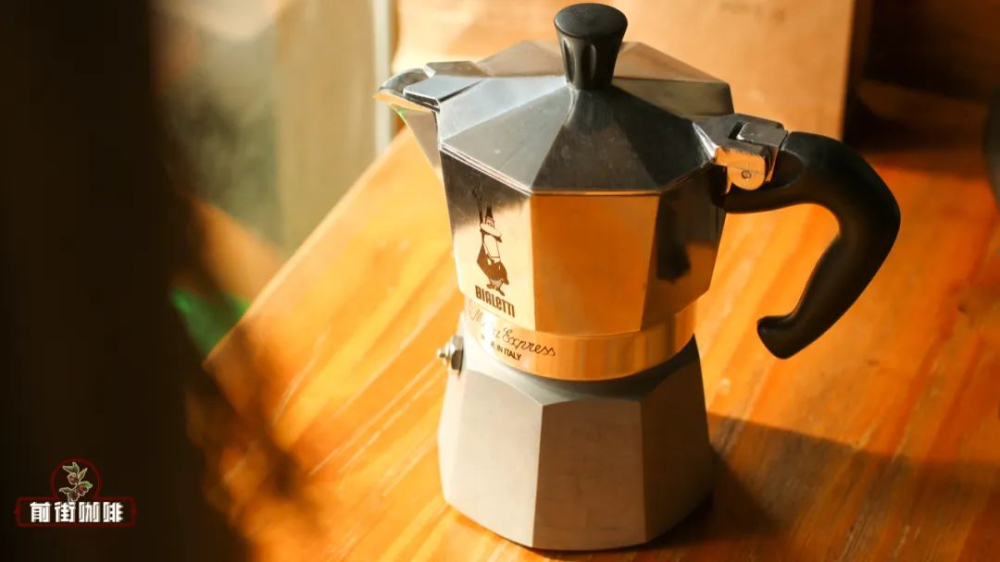
Like an espresso machine, the moka pot extracts coffee under pressure, so its espresso-like coffee has a taste and concentration that are closer to that of professional-grade espresso. Precisely because of this characteristic, many people see the moka pot as an affordable alternative to an espresso machine, attempting to replicate café-quality coffee experiences at home. That said, even though the operation isn’t complicated, beginners without much experience can easily run into various issues during actual use. This article will focus on the three most common extraction problems—spraying, no liquid flow, and lack of crema—and offer corresponding improvement suggestions to help you complete each extraction more smoothly.
1. Coffee Spraying Issue: Forceful Initial Ejection or Sudden Acceleration Midway
Normally, coffee extracted from a moka pot should flow steadily and evenly into the lower chamber, without any forceful spurting or splitting of the water stream. But if you notice the coffee shooting out in a forceful column or even splitting into two streams, it usually means the operational conditions haven’t been properly adjusted.
This kind of situation can be divided into two types: one where the coffee sprays out forcefully right from the start, and another where the flow starts off slow but then suddenly speeds up midway, creating what’s known as a “double tail” spray. The former is often due to insufficient resistance from the coffee puck, causing high-pressure steam to push the hot water through the coffee layer too quickly, resulting in forceful ejection.
Using single-origin beans with a light roast might be one reason. These beans are usually harder in texture, release less gas, and have a thinner crema layer, allowing the hot water to pass through the coffee layer too smoothly. It’s recommended to switch tomedium to dark roastedcoffee beans. These types of beans can produce more crema while providing enough resistance to make the extraction process more stable. If you’re new to using a moka pot, you might consider choosing a versatile espresso blend with flavors like butter and toasted bread, which are suitable for making Americano or latte; if you prefer a rich café-style flavor, you can opt for blends with notes of nuts, cream, caramel, and chocolate.
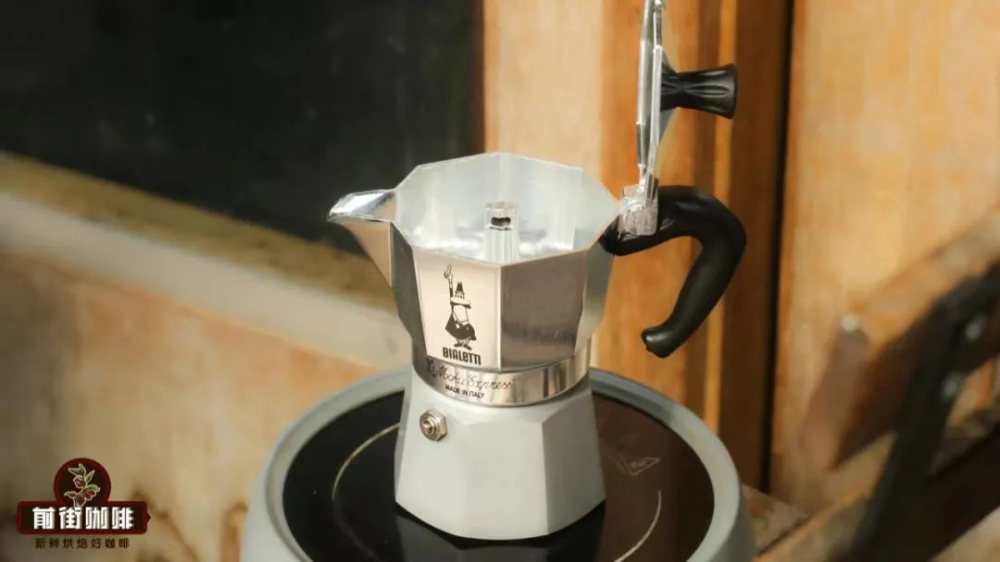
If you’ve confirmed that the roast level of the coffee beans is appropriate, you can try increasing the amount of coffee grounds, fine-tuning the grind size, or lightly pressing the coffee puck to increase overall puck resistance. Another scenario is the mid-extraction acceleration, which is usually caused by excessive heat, leading to the continuous speeding up of water passing through the coffee puck during extraction. Once the coffee starts flowing, the blocking effect of the puck gradually weakens. If you don’t reduce the heat or move the heat source in time, it can cause the liquid to suddenly spray out, or even form a high-pressure stream—not only affecting taste but also posing a scalding risk, so extra care is needed.
2. Coffee Delayed in Coming Out: Excessive Puck Resistance or Improper Operation
Opposite to the spraying issue, some users find that after heating the moka pot for a long time, no coffee drips out. This is a very common yet frustrating problem. It’s important to note that if the water level has exceeded the safety valve when pouring, and no coffee comes out for a long time, you should stop heating immediately to prevent high pressure from causing the pot to crack and creating safety hazards.
This issue often stems from a grind that’s too fine, too much coffee, or overly heavy tamping, causing the puck to become too dense and preventing water from passing through. The result not only delays the coffee flow but may also lead to over-extraction, making the coffee overly bitter and losing its intended layers and balance. It’s recommended to re-evaluate the grind size, amount of coffee, and tamping pressure when encountering this situation, and adjust appropriately to achieve smoother extraction flow.
3. Lack of Crema: Three Main Reasons for Faint Foam Layer
Although the pressure in a moka pot isn’t as high as that of a professional espresso machine, it can still extract a certain degree of coffee crema, which is actually a foam layer formed by carbon dioxide and tiny bubbles. However, if you find that the brewed coffee has almost no bubbles at all, it may be due to a grind that’s too coarse, coffee beans that are too old, or the use of pre-ground coffee.

The production of crema is closely related to pressure, freshness, and grind size. When the pressure is insufficient, carbon dioxide can’t be effectively released to form a fine, dense foam; and coffee beans that are too old have already lost much of their internal carbon dioxide, naturally making it difficult to produce a rich crema layer. Additionally, pre-ground coffee loses flavor and gases significantly due to prolonged exposure to air. To improve this, it’s recommended to first adjust the grind size to be closer to the standard for espresso (roughly between superfine sugar and flour), moderately increase the coffee amount, and observe changes in the coffee flow rate to determine whether the issue is related to the beans’ freshness or grind condition.
The above content is compiled by CoffeeHunters, a coffee news website.


