







Introduction:Mandheling coffee from Sumatra, Indonesia, is renowned for its intense spice notes, full-bodied texture, and distinctive herbal aroma, making it a classic choice for global coffee enthusiasts exploring dark roast flavors. This article delves into the origin of the Mandheling name, explores the differences between PWN Golden Mandheling and Lintong Mandheling, examines how the wet-hulling process shapes its unique flavor profile, and provides expert pour-over parameters and steps to help you fully unlock its nutty, chocolatey, and caramel layers.
Mandheling coffee is the most representative Arabica variety from Sumatra, Indonesia, known worldwide for its bold spice notes, richly full-bodied texture, and deep herbal flavors. This coffee not only holds a notable place in the global specialty coffee market but is also a top choice for many coffee lovers seeking to explore dark roast profiles. This article begins with the story behind its name, details the distinctions between PWN Golden Mandheling and Lintong Mandheling, provides an in-depth analysis of how the wet-hulling processing method critically influences its flavor, and pairs this with practical pour-over parameters and operational tips, helping you easily grasp the unique charm of this classic bean.
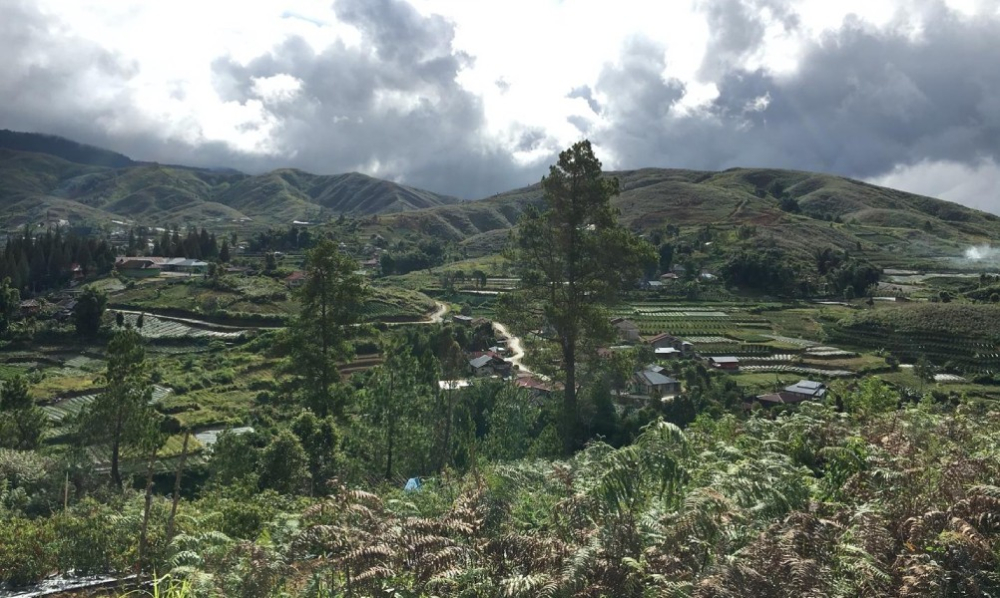
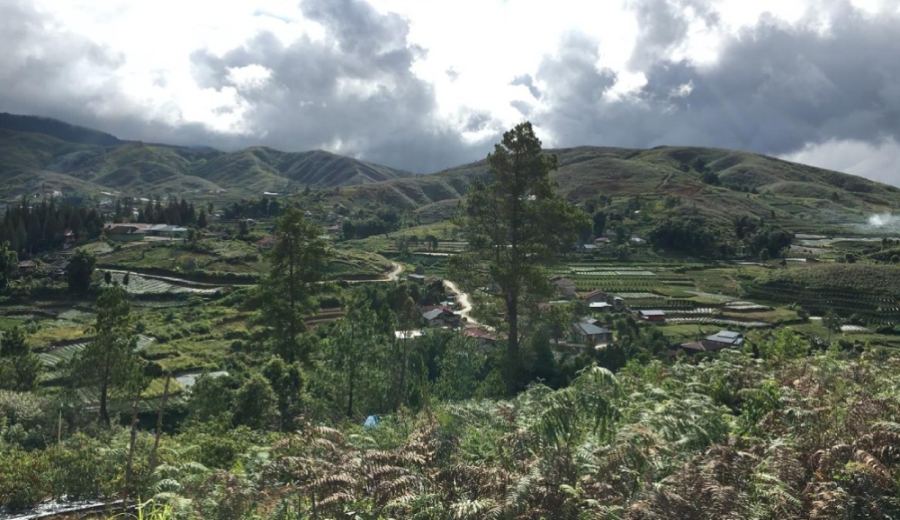
As one of Asia’s earliest regions for coffee cultivation, Indonesia first introduced coffee to Java Island in 1696 by the Dutch. Over time, Indonesia developed a diverse range of coffee-growing regions and processing methods, among which Sumatran Mandheling stands out as the most unique. Unlike other regions that often name their coffees after varieties or growing areas, the name “Mandheling” actually originates from a historical anecdote: during World War II, a Japanese soldier tasted a uniquely aromatic coffee in an Indonesian café and mistakenly believed the shop owner was naming the coffee’s origin—when in fact, the owner had merely stated his hometown, “Mandailing.” Since then, this Arabica coffee from Sumatra has been called Mandheling.
As demand for this coffee grew in the Japanese market, the owner of that very café—later the founder of Indonesia’s PWN company (Pwani Coffee Company)—established strict green bean selection standards and began exporting Mandheling that met high-quality criteria to Japan, laying the foundation for its specialty-grade status.
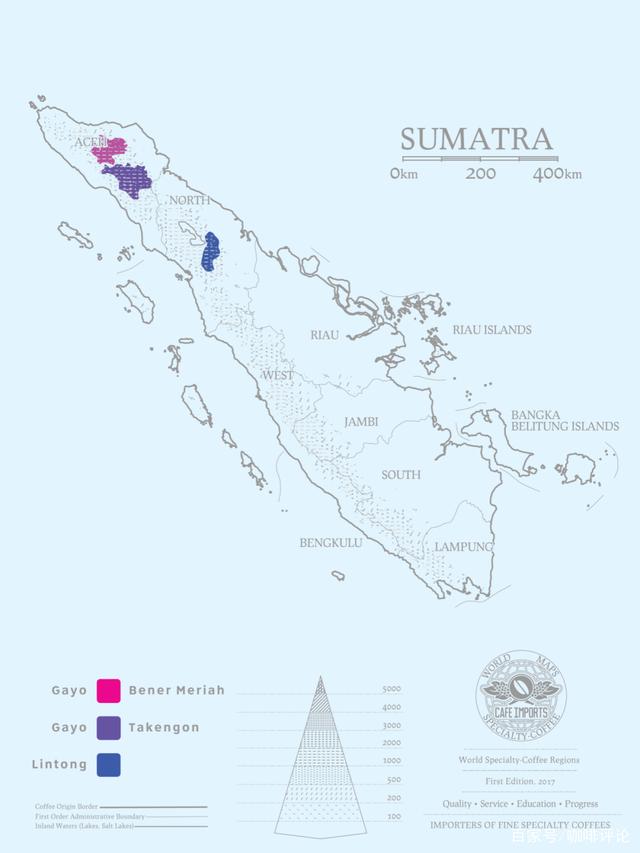
PWN Golden Mandheling can be considered the pinnacle representation of Mandheling. The selected Golden Mandheling beans come from the Lake Tawar region near Mount Gayo in northwestern Sumatra, where altitudes range between 1,100 and 1,600 meters—a climate extremely well-suited for coffee cultivation. PWN enforces exceptionally rigorous standards in green bean selection: only beans larger than screen size 18 are purchased, with no more than three defects per 300-gram sample, meeting Indonesia’s highest green bean grade—G1. Additionally, the beans undergo three rounds of manual sorting to ensure uniformity in color, shape, and size. This meticulous process results in a cleaner, brighter cup with particularly outstanding body and sweetness.
Sumatra’s unique tropical rainforest climate—with year-round high temperatures, humidity, and elevated air moisture—makes traditional sun-drying methods challenging to implement. As a result, local coffee farmers developed the distinctive “wet-hulling” processing method. The process involves: first removing the coffee fruit’s skin and pulp, then fermenting the beans briefly in a fermentation tank, followed by washing off the mucilage—similar to the washed process. Next, the parchment-covered beans are sun-dried for 2–3 days until their moisture content drops to 20–24%, at which point the parchment is removed. However, because the moisture content remains relatively high, the beans are still soft and become compressed during hulling, resulting in their distinctive “elephant ear” or “puckered” appearance. Finally, the beans are moved to a controlled environment with stable temperature and humidity to further dry down to just 12–13% moisture content, completing the entire process.
This processing method significantly reduces the coffee’s acidity, making its sweetness more pronounced, while also accumulating rich spice and herbal aromas during fermentation and drying. Compared to more meticulously processed specialty coffees, wet-hulling gives Mandheling a bolder, deeper, and more layered flavor profile.
Beyond the premium Golden Mandheling, Lintong Mandheling is another key representative of Sumatran coffee. Produced in the Lintong region of northern Sumatra, near Lake Toba, Lintong Mandheling may not undergo multiple defect screenings, but it still employs the same wet-hulling process, preserving Mandheling’s classic spice, nut, and chocolate notes. With a softer acidity and prominent body, it serves as an accessible staple bean for many coffee newcomers exploring Indonesian flavor profiles.
When brewing Mandheling, it’s recommended to use freshly roasted coffee beans to fully experience its complete aromatic expression. Given that Mandheling’s flavor profile centers around nuts and chocolate, a medium-dark roast perfectly highlights these characteristics. A medium-coarse grind (e.g., about 70% passing through a Chinese standard No. 20 sieve) is advised, with water temperature controlled around 87°C to avoid over-extraction and unwanted bitterness.
Practical pour-over recommendations are as follows: Use a KONO filter cone, 15 grams of coffee, and a 1:15 coffee-to-water ratio. Begin by wetting the filter to seal it against the cone, discard the pre-wetting water, then add the coffee grounds. Pour 30 grams of water for a 30-second bloom. Next, pour in a small circular motion from the center outward until reaching 125 grams, then pause. After the bed settles, continue pouring to 225 grams, then wait for the dripping to finish. This brewing method effectively highlights Mandheling’s caramel sweetness and full body, making its spice and dark chocolate layers more distinct, with a long-lasting and memorable finish.
The above content is compiled by CoffeeHunters, a coffee news website.


