







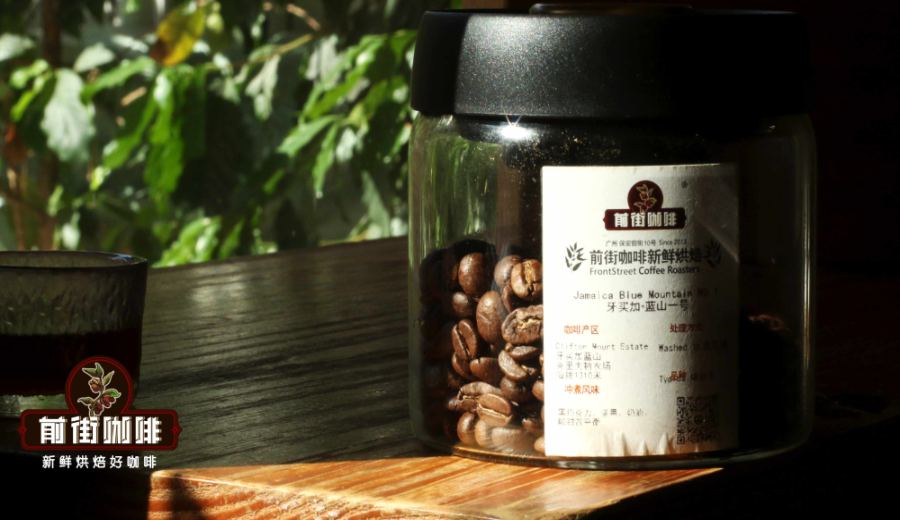
Introduction:Blue Mountain coffee is renowned for its rarity and high quality, but the rigorous grading system behind it is the key to ensuring its premium standard. Understanding the bean size from Grade 1 to Peaberry (PB), defect rate criteria, as well as the influence of harvest year and estate on flavor can help you select the most suitable Blue Mountain beans. This article also provides professional roasting recommendations and pour over parameters, taking you deep into the essence of this legendary coffee.
The reason Blue Mountain coffee maintains its status as one of the world’s top-tier coffees lies not only in its limited production but also in its strict grading system. Even if the coffee beans are indeed grown within Jamaica’s legally defined Blue Mountain region, they must still be finely graded based on bean size and defect ratio to determine their final grade. This article will delve into the grading logic of Blue Mountain coffee from No.1 to Peaberry (PB), explore key evaluation metrics such as defect rate and bean screen size, and explain why harvest year and specific estate also significantly impact flavor. Additionally, we’ll introduce how to bring out Blue Mountain coffee’s signature nutty profile and richly layered taste through appropriate roasting and brewing methods.
The grading system for Blue Mountain coffee can be described as extremely stringent.Even beans produced within the legally designated region must meet specific bean size and defect ratio requirements to be classified into their respective grades. Among them, the highest grade is No.1. These coffee beans not only have an extremely low defect rate, typically controlled at2% or less, but also feature uniformly plump beans, generally sized at17/18 mesh, accounting for96% or moreof the entire batch—making it the universally acknowledged top-grade Blue Mountain coffee.
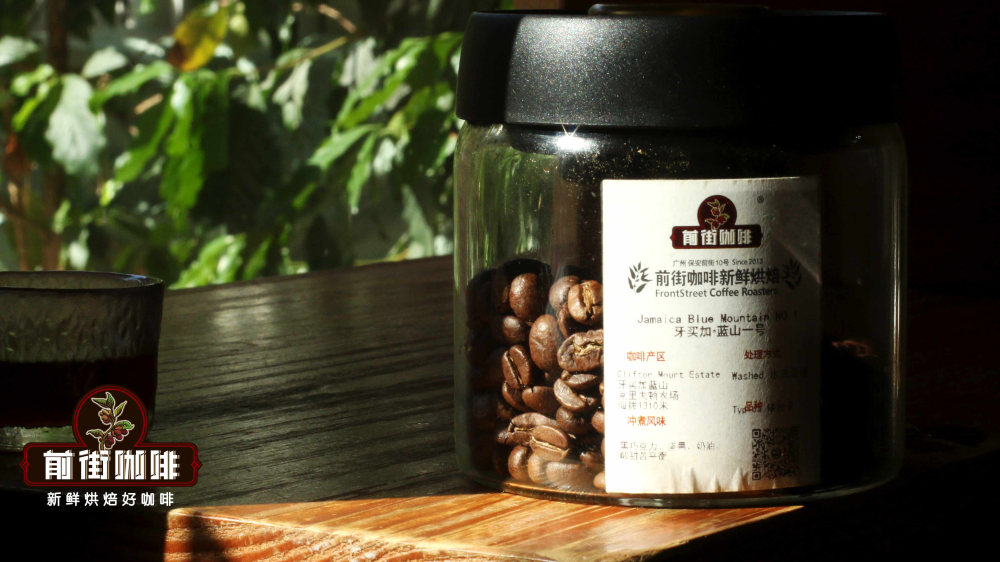
Below are the detailed grading standards for the main grades of Blue Mountain coffee:
Blue Mountain No.1:Beans consist of 96% or more 17/18 mesh, with a defect rate not exceeding 2%. This grade of Blue Mountain coffee has the most uniform bean size and outstanding flavor potential, making it the top choice for collection and tasting.
Blue Mountain No.2:Beans consist of 96% or more 16/17 mesh, with a defect rate also at 2%. Although slightly smaller in size than No.1, it still maintains high quality and balanced flavor.
Blue Mountain No.3:Beans consist of 96% or more 15/16 mesh, with the defect rate maintained at 2%. This grade has smaller-sized beans but still meets the basic quality requirements of Blue Mountain coffee.
Blue Mountain PB (Peaberry):These beans are peaberries (Peaberry), accounting for 96% or more, with a defect rate also at 2%. As peaberries absorb more nutrients during growth, they are often considered to have a richer and more intense flavor expression.
It’s worth noting that all grades of Blue Mountain coffee require a defect rate no higher than2%[2%], which is a hard criterion for determining whether it qualifies as authentic Blue Mountain coffee. Moreover, since all Blue Mountain coffee is produced within Jamaica’s legally defined Blue Mountain region, factors other than grade—harvest year and specific estate—also significantly affect the final flavor profile, and are important elements to consider when purchasing.
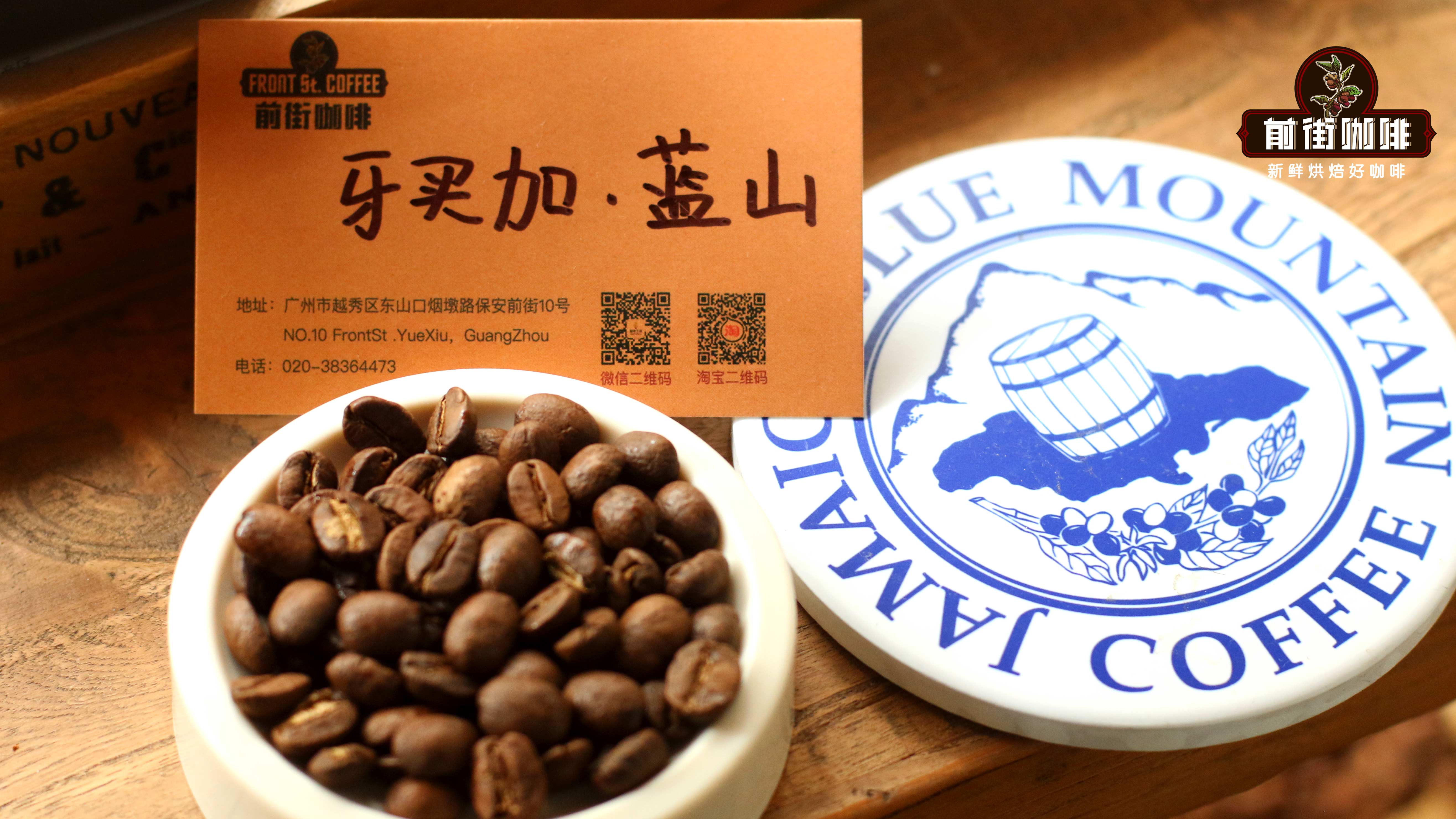
In terms of actual cupping experience, Blue Mountain coffee is known for its mild and balanced flavor, often featuring subtle notes of nuts, chocolate, and delicate caramel. It is best suited tomedium roastto fully showcase its layered complexity and rich body. When brewed using pour over, it is recommended to usemedium-fine grind (such as 15–18 mesh), with water temperature controlled at90-93°C[92–94°C], and employpulsed pouring or brew-in-stages
, which can better extract the delicate creaminess and caramel sweetness of Blue Mountain coffee. This brewing method allows the coffee to express a complex flavor profile of roasted hazelnuts, chocolate, cream, caramel, and cookies, with balanced acidity, bitterness, sweetness, and a long-lasting, memorable aftertaste.
The above content is compiled by CoffeeHunters, a coffee news website.


