







Introduction:The Moka pot is the starting point for many households exploring espresso-style coffee, combining ease of use with intense flavor. This article delves into the history, extraction principles, and flavor characteristics of the Moka pot, explains its differences from modern espresso machines, and provides suggestions for bean selection along with detailed operating steps to help readers brew café-style coffee at home.
For most households, purchasing a professional-grade espresso machine is often limited by budget and space constraints. In comparison, the Moka pot is not only more affordable but also easier to store, making it an ideal choice for enjoying rich coffee at home. This article will take you from the origins of the Moka pot, analyze its extraction mechanism and flavor features, discuss suitable types of coffee beans, and finally provide a complete list of equipment and operating instructions to help you easily master the Moka pot’s usage tips.
Espresso is beloved by coffee enthusiasts worldwide, but not every household has the conditions to use professional machines. As an economical alternative, the Moka pot is extremely simple to operate: just pour hot water into the bottom chamber, add an appropriate amount of ground coffee to the middle filter basket, then place the entire assembly on a heat source, and in a short while you can enjoy a rich cup of coffee.
However, the coffee brewed with a Moka pot still shows significant differences compared to espresso made by modern espresso machines. Historically, the Moka pot was originally created as an affordable, everyday alternative to the early expensive and bulky espresso machines. Today’s espresso requires high pressure (typically 9Bar or above) to force nearly boiling water through a tightly packed puck of coffee grounds, extracting a rich, crema-covered coffee. This high-pressure environment only became widely available with recent advancements in espresso machine technology.
To deeply understand the Moka pot, we must look back at the development of espresso machines. In the late 19th century, the first espresso machine was invented in Turin, Italy. By 1905, La Pavoni introduced the first commercial espresso machine, allowing baristas to serve espresso quickly to multiple customers, and soon after, cafés across Italy began adopting such equipment.
These early commercial espresso machines needed to be heated entirely over a flame, using steam pressure to push water from the bottom chamber through a tube and into the coffee grounds. However, these machines were not only expensive and bulky, making them unaffordable for most households. It wasn’t until the 1930s that Alfonso Bialetti from Italy’s Piedmont region, inspired by washing machine designs, created the Moka pot we know today.
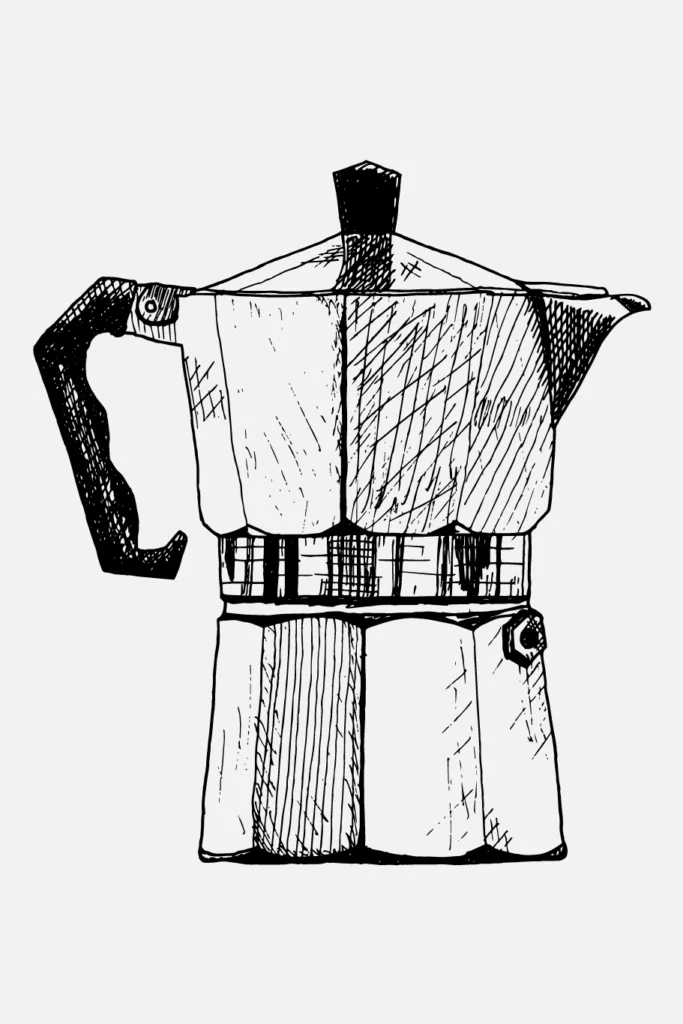
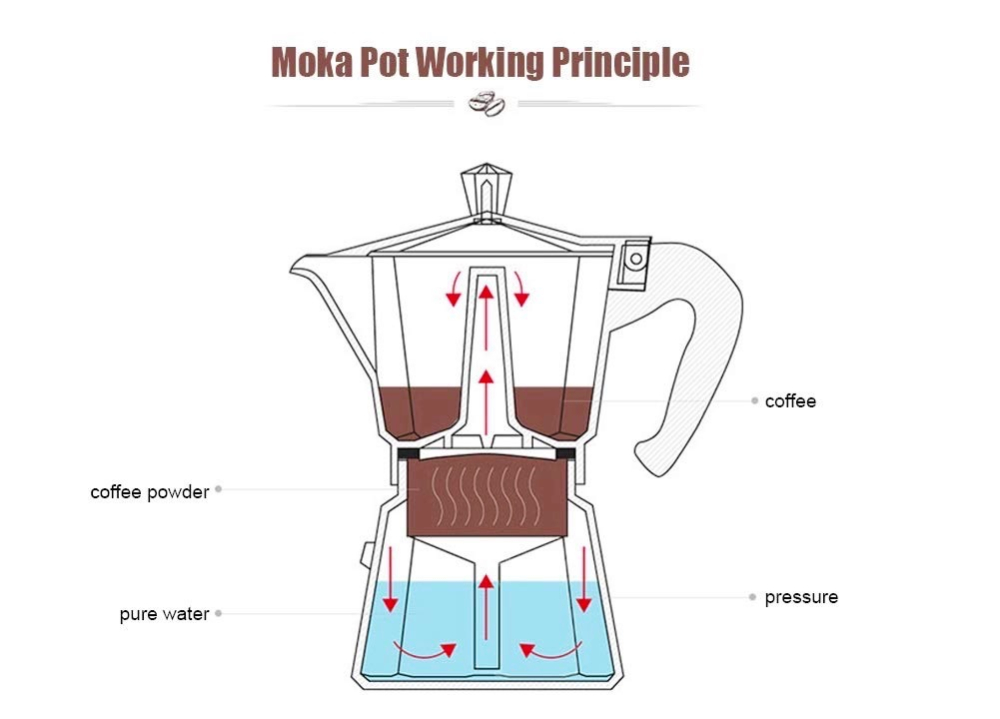
The operating principle of the Bialetti Moka pot shares similarities with traditional washing devices. Its overall structure consists of three main parts: the bottom chamber holds water, the top chamber collects the brewed coffee, and the middle section contains a metal filter basket for placing ground coffee. This classic octagonal aluminum pot, paired with a bakelite handle, is not only aesthetically pleasing but also provides insulation.
To use it, start by pouring an appropriate amount of hot water into the bottom chamber. Then, fill the middle filter basket with coffee grounds, gently tamp them without compacting too tightly. Next, assemble the filter basket with the bottom chamber and screw on the top chamber securely. Finally, place the entire Moka pot on a gas or electric stove to heat. As the water in the bottom chamber boils, the resulting steam increases internal pressure, pushing the water upward through the coffee grounds in the middle, and finally through the metal filter into the top chamber, completing the extraction.
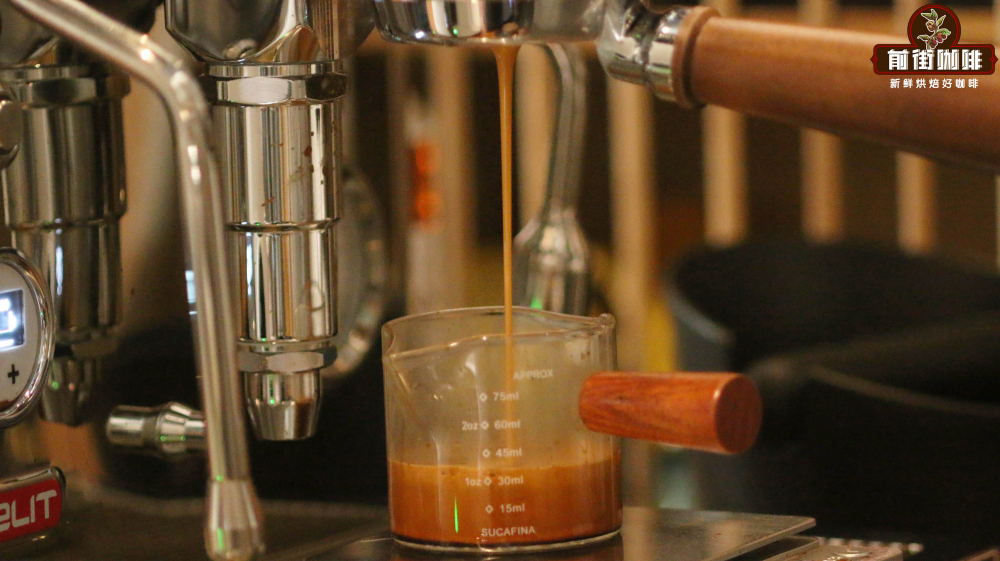
Although the Moka pot was initially designed to emulate the functionality of early espresso machines, technological advancements have led to modern espresso machines achieving extraction pressures far exceeding the Moka pot’s approximate 1.5Bar level. Additionally, the Moka pot relies on steam pressure generated by boiling water for extraction, which means the water temperature is usually higher, affecting the final flavor profile. As a result, the Moka pot cannot produce the thick crema that modern espresso machines can, and because the metal filter has larger holes, the coffee grounds need to be coarser, resulting in relatively fewer extracted compounds and an overall taste that is less thick and rich than true espresso.
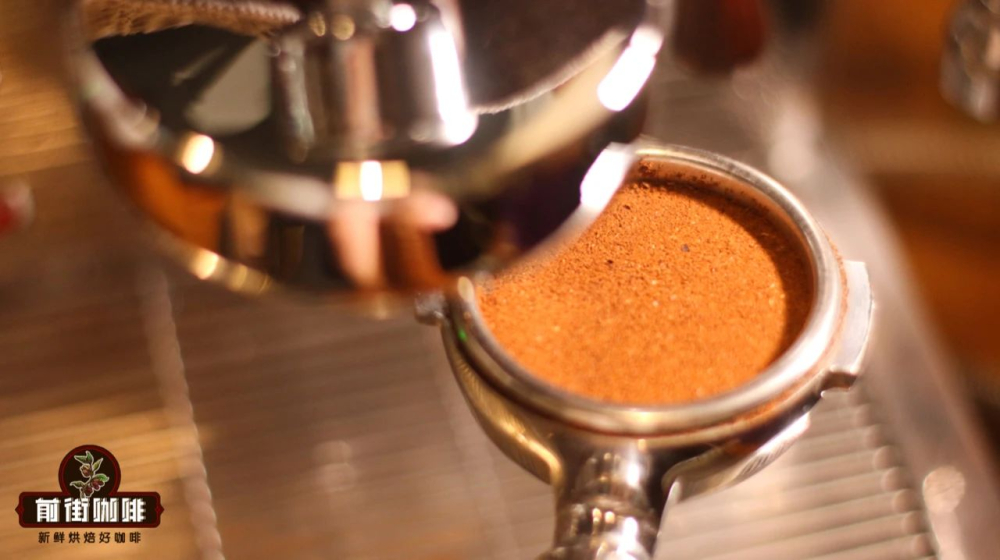
Many coffee lovers hope to replicate café-style espresso flavors at home, thus choosing the Moka pot. But what kind of coffee beans should you select to bring out the Moka pot’s potential? Given that the Moka pot’s extraction characteristics are similar to those of early espresso machines, it is recommended to choose beans with a darker roast to enhance flavor richness and complexity. Classic Italian blends, PWN Golden Mandheling, and Brazilian Queen Estate coffee beans are all excellent choices worth trying.
Among these, Mandheling coffee beans come from Sumatra, Indonesia, and belong to the Arabica variety, typically grown at high altitudes between 750 and 1500 meters. These beans are known for their rich aroma, full body, and unique spicy-herbal flavors, with the wet-hulling processing method being one of the key factors enhancing its flavor profile.
Another recommended bean variety is the Brazilian Queen Estate coffee bean, grown in the Mogiana region of São Paulo State, Brazil, at altitudes between 1400 and 1950 meters, with the Yellow Bourbon variety. Yellow Bourbon naturally has a thicker mucilage layer and is rich in natural sugars. Coupled with the traditional sun-drying process, this allows sugars to better penetrate the green beans, resulting in an exceptionally prominent sweetness. Queen Estate has also consistently achieved outstanding results in Brazil’s Cup of Excellence competition, known for its stable and excellent quality.
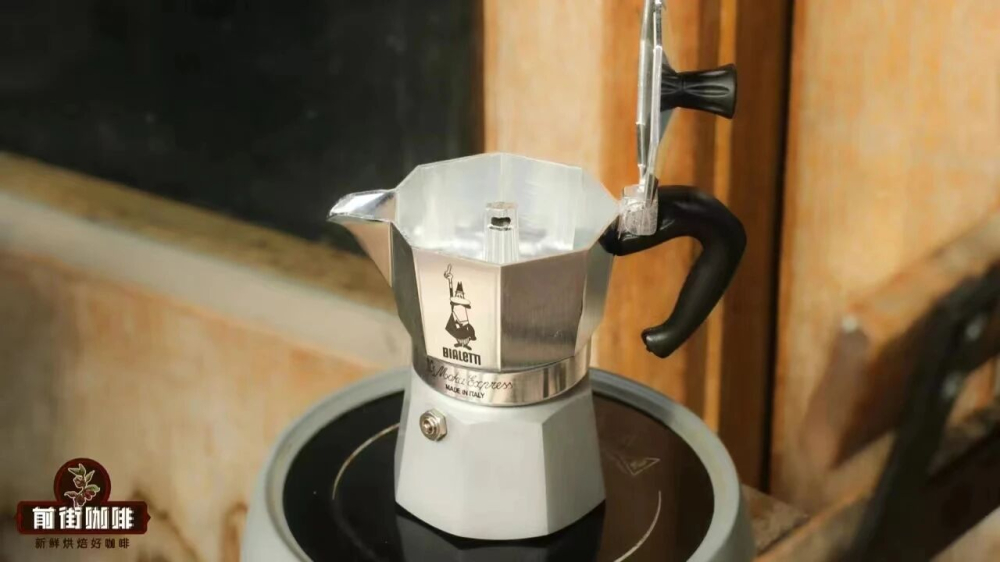
If you want to use a Moka pot to make a richly flavored espresso-style coffee at home, here is the basic equipment list you’ll need: a Moka pot, a gas or electric stove, medium-to-dark roasted coffee beans suitable for Moka pot brewing, and a grinder. Below are specific brewing suggestions for Brazilian Queen Estate coffee beans: This bean is medium-to-dark roasted, with flavor notes including chocolate, cream, nuts, butter, and caramel, and is rich in body—perfectly suited for Moka pot extraction.
[Moka Pot Operating Steps]
(1) First, pour cold water into the bottom chamber, ensuring the water level does not exceed the safety valve.
(2) Place the coffee grounds into the middle filter basket, filling it to about nine-tenths full, then gently level the surface to create a compact and even coffee bed.
(3) After assembling the filter basket with the bottom chamber, screw on the top chamber securely to ensure a tight seal and prevent coffee leakage during extraction.
(4) Place the entire Moka pot on a gas or electric stove. It is recommended to start heating over medium heat, and once you hear a distinct hissing sound, reduce to low heat to allow the coffee to extract slowly.
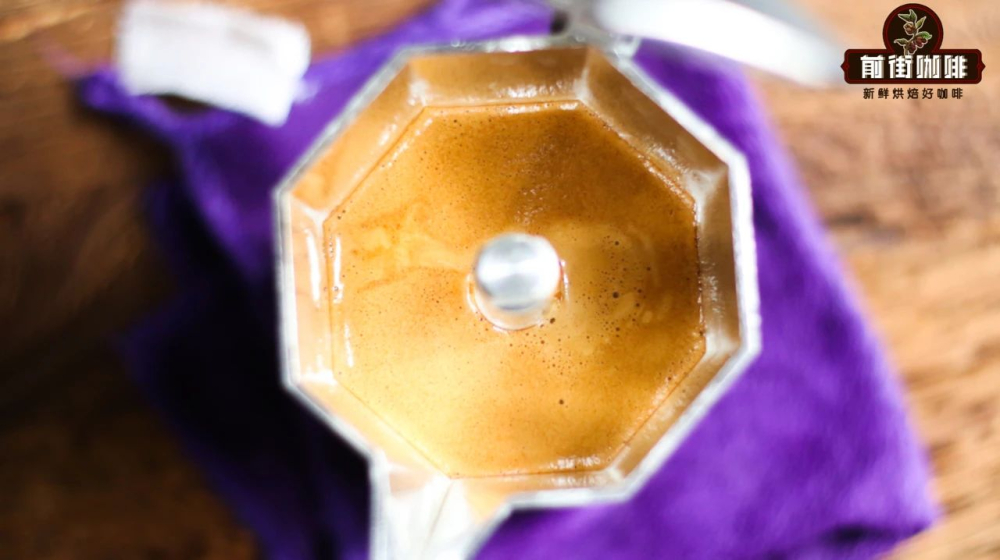
(5) When the sound becomes a subtle bubbling noise, it indicates that extraction is nearing completion— it is advisable to turn off the heat immediately to avoid over-extraction. At this point, you can enjoy a rich cup of Moka pot coffee, or customize it by adding hot water to make an Americano, or mixing with fresh milk to create a Moka pot latte.
The above content is compiled by CoffeeHunters, a coffee news website.


