








Introduction:Want to brew coffee with golden crema and rich flavors at home? The moka pot is the go-to brewing device for many coffee enthusiasts. Not only is it simple to use, but it also utilizes steam pressure to extract coffee with an intensity similar to that of an espresso machine. This article will delve into the moka pot’s invention, the differences between single and double valve models, its internal structure and brewing principles, and provide practical steps and precautions to help you avoid common mistakes and easily brew a great cup of coffee.
The moka pot is arguably one of the most classic and accessible home brewing devices in Italian coffee culture. Invented back in 1933 by the Italian Alfonso Bialetti, it uses steam pressure generated through heating to extract a strong coffee concentrate in a short amount of time. It’s not only affordable, but also easy to use, making it a popular choice for beginners.
Although many assume that only semi-automatic espresso machines can produce espresso, the moka pot can actually achieve a similar effect. With a relatively simple structure, this device can produce an espresso-like taste, making it a highly convenient option for both home and outdoor use.
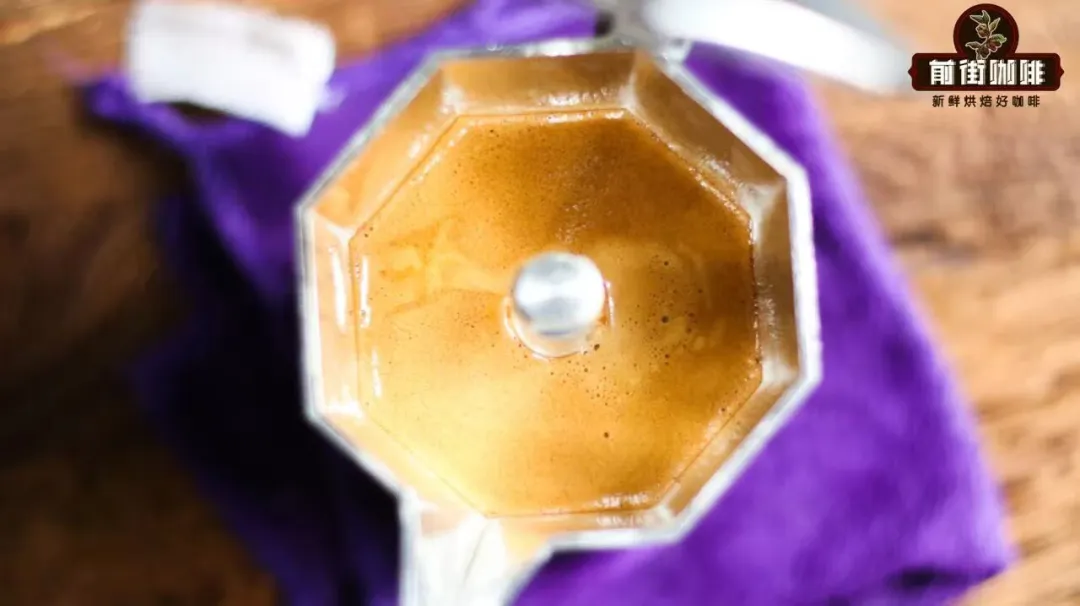
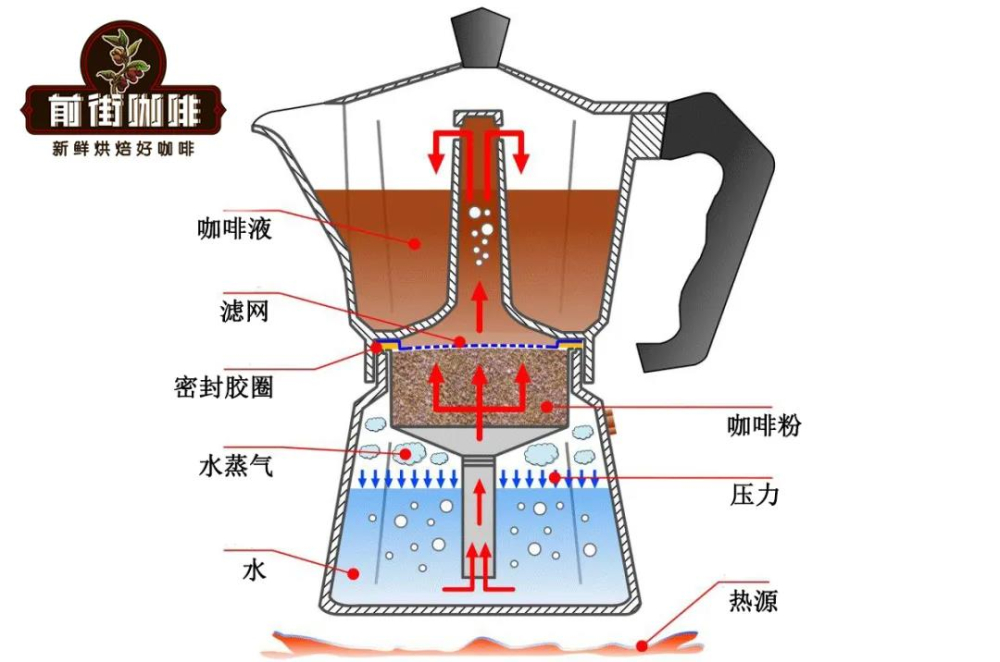
The basic structure of a moka pot consists of three main parts: the lower chamber, the filter basket, and the upper chamber. The lower chamber holds water, the filter basket is filled with finely ground coffee, and the upper chamber collects the brewed coffee. As the water in the lower chamber is heated, steam pressure pushes the hot water up through the coffee grounds in the filter basket, eventually collecting in the upper chamber as a rich cup of coffee.
Not only is the structure simple, but the appearance and materials of the moka pot have also evolved over time, offering a variety of options. The first-generation moka pots were mostly made of aluminum—affordable but prone to scratching, only suitable for use on open flames, and could develop off-flavors after contact with acidic coffee. Today, there are more choices such as stainless steel or heat-resistant glass, which are not only durable but also compatible with induction cooktops, offering greater convenience and safety.
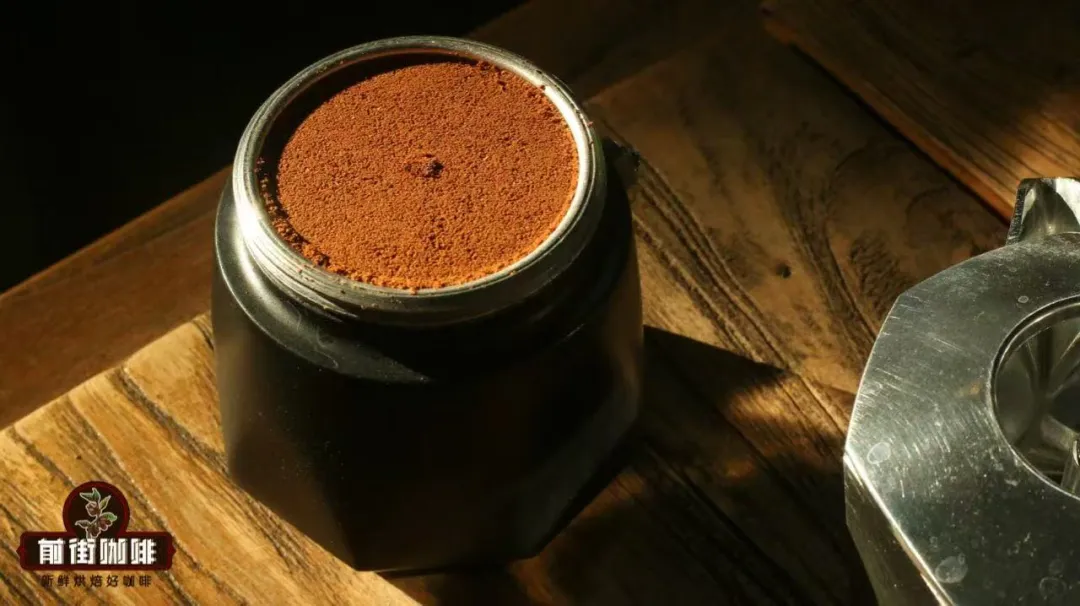
Depending on design, moka pots are divided into single-valve and double-valve types. The single-valve moka pot is the most common, with coffee flowing out from a small hole at the top of the central tube. The double-valve moka pot adds an additional pressure-release valve to the base tube. When steam pressure builds to a certain level, the valve opens to allow the coffee to be pushed out. Generally, the double-valve design extracts richer crema and achieves a more intense flavor and layered complexity.
The advantages of the moka pot include its compact size and portability, making it ideal for camping, travel, and other outdoor occasions. It’s also easy to use—with just a basic grasp of heat control and grind size, even beginners can brew successfully. Moreover, with the right parameters, you can also achieve coffee with golden crema and flavors close to traditional espresso.
However, the moka pot has its limitations. Since its pressure range is typically only between 1.5 to 3.0 atmospheres—far below the 9 atmospheres of professional espresso machines—the resulting coffee may lack the finesse and layered complexity, and it's difficult to replicate the nuanced profiles found in specialty coffee shops. But for everyday home use or users prioritizing convenience, the moka pot remains a highly practical choice.
To successfully brew a great cup of coffee with a moka pot, you’ll need: the moka pot itself, a heating device (gas stove or induction cooker), freshly ground coffee beans, and a grinder. It’s recommended to use medium to dark roasted blends—for example, a mix of Brazilian and Colombian beans—which often exhibit flavors of chocolate, cream, nuts, and caramel, complementing the extraction characteristics of the moka pot well.
Here are the specific brewing steps:
1. Add an appropriate amount of water to the lower chamber. The water level should not exceed the safety valve.
2. Place the coffee grounds into the filter basket, filling it to about nine-tenths full, then gently tamp the surface to ensure an even and compact coffee bed.
3. Screw the upper and lower chambers together tightly to ensure a good seal and prevent coffee leakage during heating.
4. Place the moka pot on the stove. Start with medium heat, and once you hear a distinct hissing sound, reduce to low heat to help stabilize the extraction flow rate.
5. When the sound becomes a softer “popping” noise, it means the coffee is nearly done brewing. Turn off the heat at this point to avoid over-extraction.
When using a moka pot, there are several important precautions to keep in mind: First, use finely ground coffee to effectively extract the essence under pressure. Second, never let the moka pot run dry, as this may damage the pot. Always clean it after each use to prevent coffee grounds from clogging the filter holes or affecting the lifespan of the rubber gasket. If it’s a new moka pot, it’s recommended to boil water in it twice before brewing coffee to remove any potential odors or impurities.
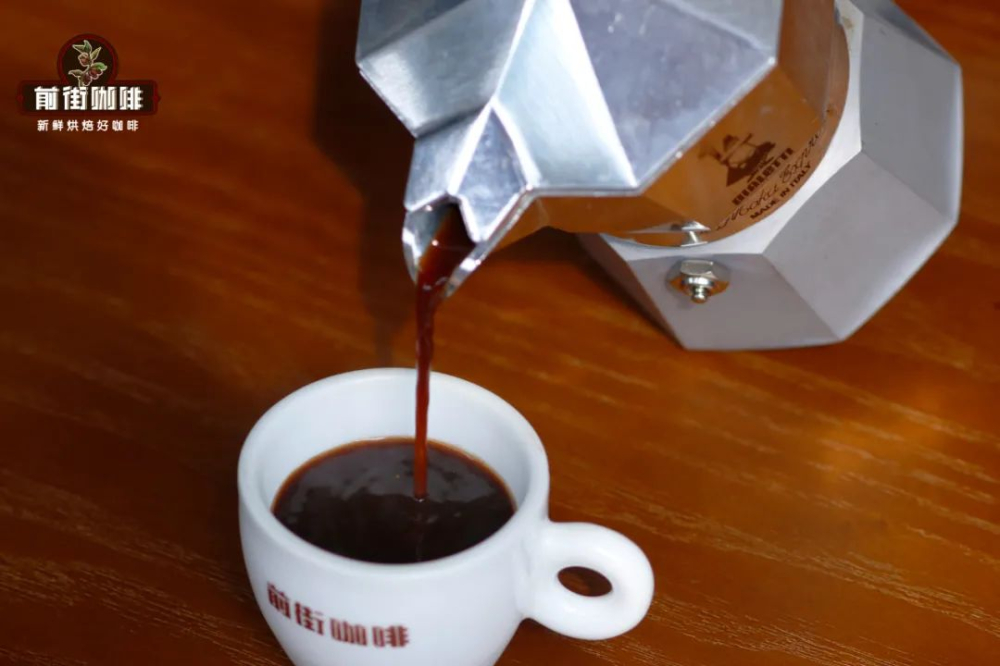
The coffee brewed with a moka pot is rich in flavor and contains a certain amount of crema, making it perfect for adding milk foam or fresh milk to make drinks like lattes. For a different twist, you can also try adding ice and condensed milk to create a Vietnamese-style iced coffee, or pour hot water in during winter to enjoy a concentrated hot beverage. Whether as a morning pick-me-up or an afternoon treat, the moka pot can be an indispensable companion in your coffee life.
The above content is compiled by CoffeeHunters, a coffee news website.


