







Introduction:Mandheling coffee is renowned for its rich, full-bodied flavor and low acidity, making it a classic favorite among many coffee enthusiasts. But when faced with the two main brewing methods—pour over and siphon—how do you choose to best highlight its unique characteristics? This article delves into the classification of Mandheling from Sumatra’s four major regions, with a special focus on the origins of Golden Mandheling and its connection to the PWN company. It also provides practical siphon brewing parameters and steps to help you easily master the art of brewing a smooth, aromatic cup of Mandheling at home.
With its full body, low acidity, and rich, layered aroma, Mandheling coffee has long been a classic choice among coffee lovers. But when brewing at home, which method—pour over or siphon—is better at bringing out Mandheling’s distinctive flavors? This article starts with Sumatra’s key producing regions, analyzing the characteristics of various classic Mandheling beans including Golden Mandheling, while also exploring the story behind this well-known coffee and its ties to Indonesia’s PWN company. Additionally, we’ve compiled practical siphon brewing parameters and a step-by-step guide to help you use the right method and brew a smooth, aromatic black coffee with rich fragrance.
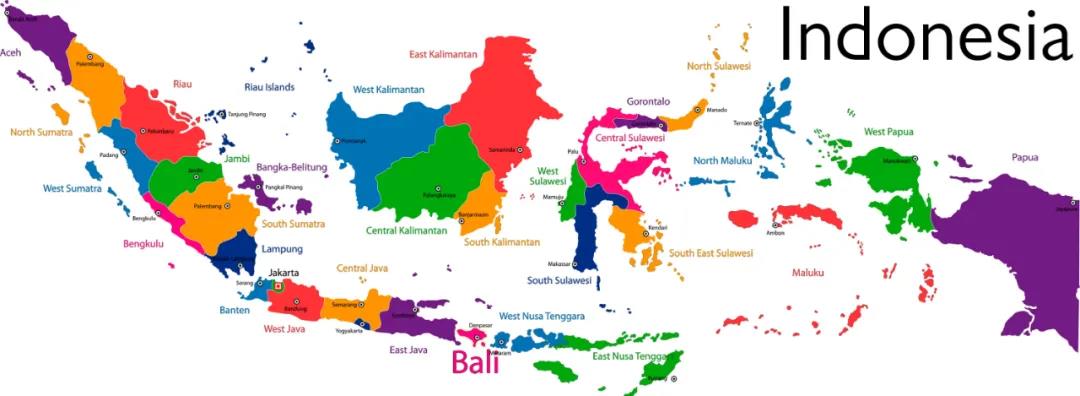
Indonesian coffee is known for its low acidity, rich flavor, and bold body, making it a favorite among seasoned coffee aficionados. Among Indonesia’s many coffee-growing regions, Sumatra is undoubtedly the most representative hub. As early as 1696, the Dutch introduced coffee to Indonesia, initially planting it mainly on Java Island. However, over time, Sumatra gradually replaced Java as the primary source of specialty coffee. In fact, much of the Java coffee exported to Europe in the early days actually came from Sumatra. The now widely known Mandheling is the pride of the central and northern mountainous regions of Sumatra.
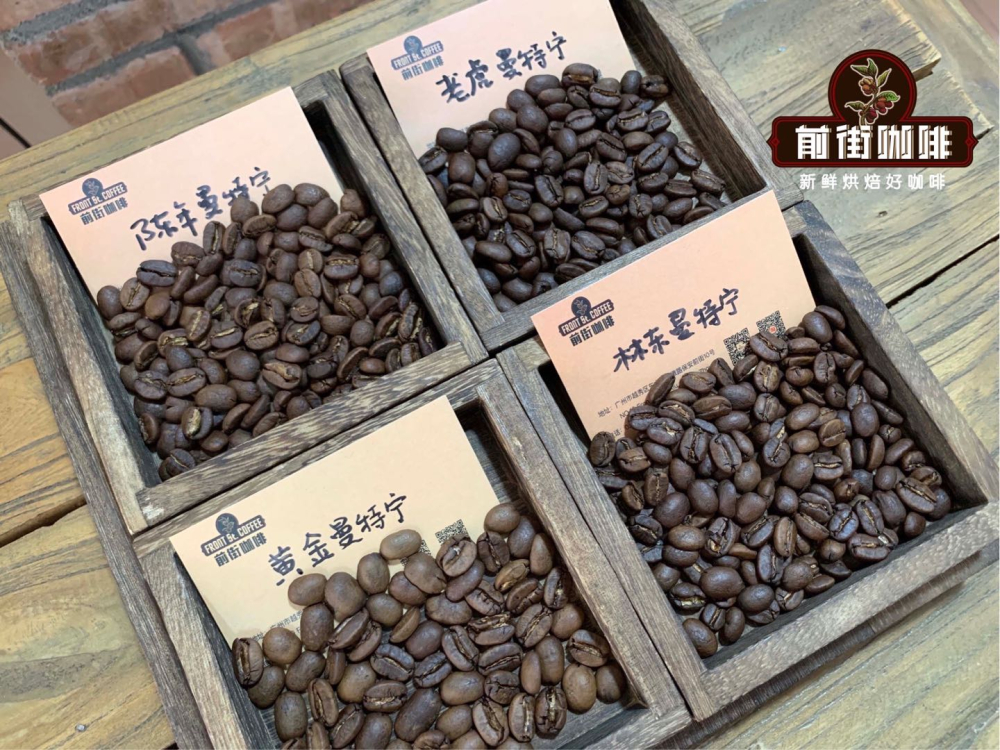
The coffee producing regions of Sumatra have a complex classification system. For simplicity, they can be broadly divided into four types: The first is the general term “Mandheling,” which usually refers to coffee beans grown around Lake Toba in central-northern Sumatra and the Lindu Mountains on the southwestern coast, cultivated at altitudes of about 900 to 1200 meters and processed using semi-washed or natural drying methods. This is the most well-known type. The second is “Golden Mandheling,” distinguished by undergoing four rigorous hand-sortings, making it higher grade and more consistent in quality than regular Mandheling. The third type is “Tawar Lake Coffee,” produced near Tawar Lake in Aceh, the northernmost part of Sumatra, at altitudes between 800 to 1600 meters, commonly processed via washed, semi-washed, or natural drying methods. Finally, there are special processing types such as aged Mandheling and Java Old Brown.
The origin of the name “Mandheling” actually hides an interesting historical anecdote. It is said that after World War II, Japanese soldiers returned home and could not forget the delicious taste of Indonesian coffee, so they sought the beans again through traders. To protect trade secrets, locals casually responded with “Mandheling,” a word that was originally the name of a local tribe but unexpectedly became the synonym for this coffee. Interestingly, that local person was later the founder of Indonesia’s well-known PWN company (Pawani Coffee Company).
Among the various types of Mandheling, “Golden Mandheling” can be considered a symbol of quality. These coffee beans are sourced exclusively from the Lintong area in northern Sumatra. During harvesting, only fully ripe coffee cherries are meticulously handpicked to ensure high-quality raw materials. The processing method used is semi-washed, followed by natural sun drying, then hulling and secondary drying refinement. The beans undergo two rounds of green bean cleaning and four hand-sortings. These intricate steps result in a delicate and consistent flavor profile.
However, many consumers often get confused: products commonly labeled as “Golden Mandheling” on the market are not necessarily produced by the PWN company. Due to trademark rights needing to be registered separately in different countries, PWN did not register this name in China initially. Coupled with the fact that larger-sized (18/19 screen) Mandheling beans are often mistakenly considered golden grade, the term “Golden Mandheling” has gradually become a generic term for high-quality Mandheling. Therefore, if you want to taste the authentic, high-standard Golden Mandheling produced by PWN, it is recommended to carefully check the origin and supply source.
Taking the more commonly available Golden Mandheling on the market as an example, it is grown in the Gayo Mountains of Aceh, Sumatra, at an altitude of about 1100 to 1600 meters. The variety is Ateng, graded as G1 and hand-sorted three times, processed using the wet-hulled method. This bean has a distinct flavor profile, often featuring notes of spices, herbs, caramel, pine, nuts, and chocolate. It’s a must-try for coffee lovers who enjoy bold, rich, and aromatic flavors.
If you prefer using a siphon brewer and want to achieve a rich, full-bodied coffee with a smooth mouthfeel, choosing a medium-dark roasted Mandheling—especially freshly roasted Golden Mandheling—is an excellent match. Below are practical siphon brewing parameters and steps for Golden Mandheling to help you get started easily.
[Siphon Brewing Recommended Parameters]
Water temperature: 88°C
Grind size: 90% passing through a #20 sieve (medium-fine grind, close to the texture of fine sugar)
Coffee dosage: 18 grams
Coffee-to-water ratio: 1:10
Total extraction time: about 1 minute and 10 seconds
[Operating Steps]
1. Pour 180ml of warm water into the lower chamber. Wipe the outer wall dry with a dry cloth to prevent the flask from cracking due to steam during heating. Light the alcohol lamp and place it at the bottom of the lower chamber to heat.
2. Remove the upper chamber, install the filter cloth, and hook the fixing hook onto the glass tube at the bottom of the upper chamber, then insert it diagonally into the lower chamber.
3. Observe the lower chamber; when continuous small bubbles appear, it indicates the water is nearing boiling. At this point, you can upright the upper chamber, allowing it to fit tightly with the lower chamber.
4. Once the water from the lower chamber rises into the upper chamber, pour in the ground coffee. Use a stirring stick to stir clockwise from the outside toward the center for about 10 seconds to ensure all coffee grounds are fully saturated.
5. Start timing. About 40 seconds later, stir the coffee liquid again in the same manner for 5 seconds, then turn off the heat. Observe as the coffee liquid slowly flows back into the lower chamber. You can wipe the outer wall of the lower chamber with a damp cloth to help speed up the flow-back process. The total extraction time should be controlled at around 1 minute and 10 seconds.
6. After the flow-back is complete, gently remove the upper chamber and pour the coffee liquid from the lower chamber into your cup. Enjoy a rich, aromatic siphon-brewed Mandheling.
Brewing Mandheling with a siphon brings out its full body and low acidity. Though its flavor may not be as clear as that of pour over, the layer of coffee oils on the surface adds a lot of roundness and body to the overall taste. Mastering the correct parameters and steps allows you to enjoy a professional-level Mandheling flavor experience at home.
The above content is compiled by CoffeeHunters, a coffee news website.


