







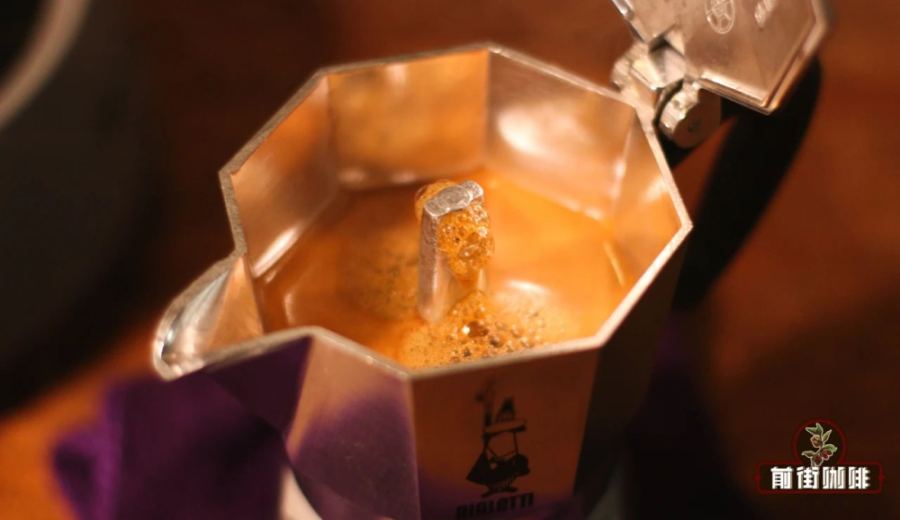
Introduction:The moka pot is the go-to brewing tool for many coffee enthusiasts who want to make rich, espresso-style coffee at home without expensive equipment. It allows you to enjoy thick crema and a bold flavor profile without the need for costly gear. This article provides a detailed breakdown of how the moka pot works, the differences between single and double valve models, optimal grind size, water temperature control, coffee grounds filling techniques, and recommended medium-dark roasted beans to help readers master the key details and consistently brew Italian-style coffee at home.
If you want to easily make a cup of espresso with rich crema at home, the moka pot is undoubtedly one of the most classic and practical brewing tools. It’s not only simple to use but also delivers a taste and aroma close to that of a professional café. This guide starts with the basic principles of the moka pot, then dives into the differences between single and double valve designs, suitable types of coffee beans, precise grind size control, water temperature and coffee filling techniques, as well as essential cleaning and maintenance tips—helping you master the basics from beginner to advanced levels.
How does a moka pot work?
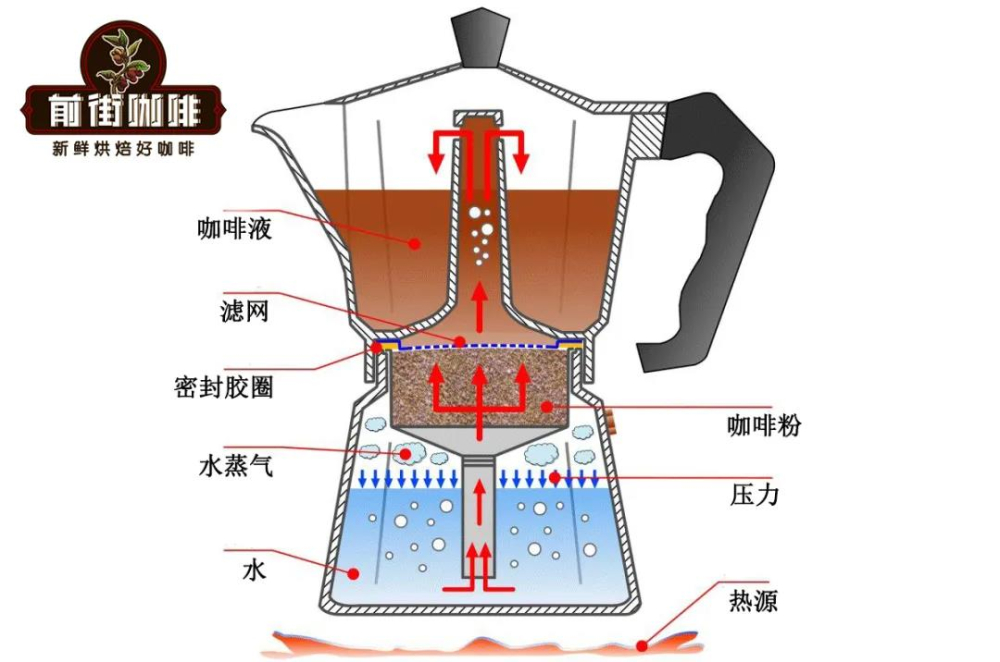
The moka pot is a stovetop coffee maker that uses steam pressure to extract coffee. It was first invented in 1933 by the Italian Alfonso Bialetti. The device consists of two main parts: the lower chamber holds water and is heated, and as the water boils, steam pressure pushes the hot water upward through a central filter, passing through a basket filled with ground coffee, and finally into the upper chamber as brewed coffee. It's recommended to reduce the heat once the coffee starts flowing steadily into the upper chamber to avoid burning the coffee due to excessive heat, which can negatively affect the overall flavor.
What’s the difference between single and double valve moka pots?
Moka pots on the market are mainly divided into single valve and double valve types. The single valve design typically has a small hole at the top of the internal tube that lets the brewed coffee flow out naturally, while the double valve model includes an additional pressure valve that only opens when a certain level of steam pressure is reached, resulting in higher extraction pressure. This allows for more robust extraction, yielding richer crema and deeper flavor notes. Generally speaking,coffee brewed with a double valve moka pot is stronger and has more luxurious crema,whereas the single valve version produces a lighter cup with less crema.
Should you use coffee beans or pre-ground coffee with a moka pot?
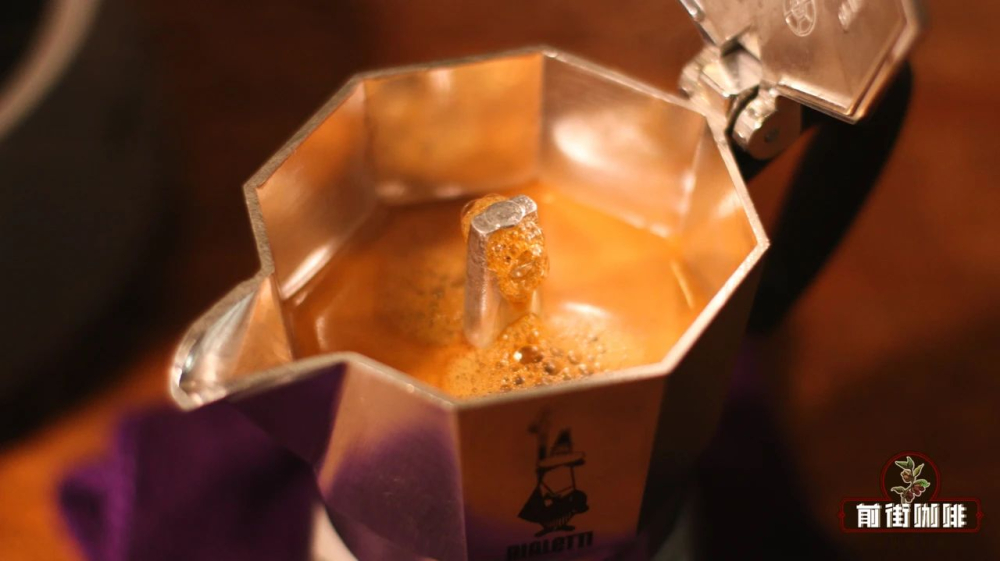
While technically you can use pre-ground coffee, for optimal freshness and extraction, it’s better to grind your own beans just before brewing. Additionally, the coffee brewed with a moka pot contains some natural crema, largely due to the carbon dioxide present in the coffee beans. Therefore,medium-dark roasted beans are more suitable,as they retain more gases that help create a fuller crema. Lighter roasts release fewer gases, making it harder to achieve the same effect.
What types of coffee beans are recommended for moka pot brewing?
Depending on your flavor preference, you can choose different types of beans: if you prefer a bold and intense taste, opt for medium-dark roasted espresso blends—these usually combine beans from multiple regions, featuring nutty and chocolatey notes with rich crema; if you enjoy a balanced and mellow flavor, try single-origin beans with roasted nut and creamy aromas; for those who prefer fruity and floral profiles, beans with notes of strawberry, grape, and almond—offering sweet-tart harmony and low bitterness—are recommended.
What grind size should I use for moka pot coffee?
The grind size for a moka potfalls between that of espresso and pour over,ideally between 0.3 mm and 0.55 mm. It should be finer than typical pour over coffee but slightly coarser than espresso grind. If the coffee flows out too quickly in a geyser-like fashion, it means the grind is too coarse, leading to insufficient resistance and thinner crema; conversely, if you hear a low "wuu wuu" sound and the flow is extremely slow, the grind is likely too fine. In this case, stop heating immediately to prevent overheating or safety issues caused by excessive pressure.
Should I use cold or hot water for moka pot brewing?
The best practice is to usenear-boiling hot water.Using cold or room temperature water means the coffee grounds will come into contact with water before reaching the ideal extraction temperature due to longer heating time, resulting in suboptimal flavor. Hot water ensures the coffee is brewed within the optimal temperature range, fully expressing its aroma and complexity.
What are the step-by-step instructions for using a moka pot?
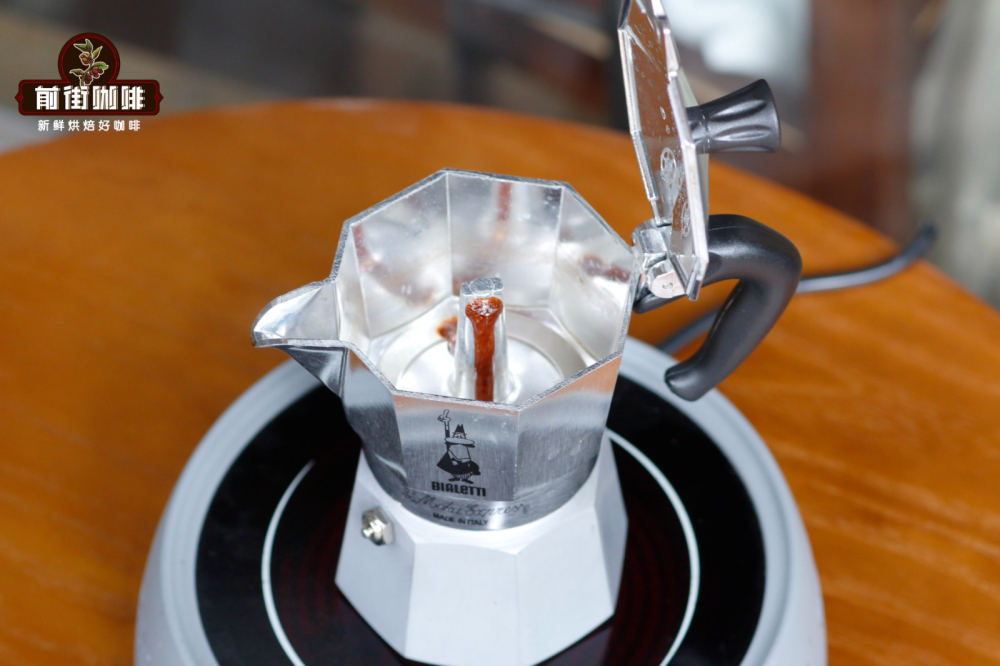
1. Add an appropriate amount of near-boiling hot water to the lower chamber. Make sure the water level does not exceed the bottom pressure relief valve.
2. Fill the coffee basket with freshly ground coffee and distribute it evenly.
3. Assemble the coffee basket with the lower chamber, then tightly screw on the upper chamber.
4. Keep the upper chamber open and start heating.
5. Once the coffee begins to flow steadily into the upper chamber, remove the moka pot from the heat source.
How can I adjust extraction flavor and details?
Based on the roast level of the beans, you can adjust the extraction time and blooming strategy accordingly. For example, with light roasted beans, letting the coffee sit in the pot for an additional minute or so after brewing can enhance flavor complexity. For dark roasted beans, you can pour it out right away without waiting. Additionally, if making a hot latte or cappuccino, it’s recommended to heat the milk to around 70°C and pair it with velvety microfoam for a better flavor experience.
What should I pay attention to when cleaning and maintaining a moka pot?
After each use, always let the moka pot cool down before cleaning. Disassemble the upper chamber and coffee basket, discard the coffee grounds, and clean the filter. Avoid using abrasive materials or soda water to prevent scratching the metal surface. Also, do not put the moka pot in the dishwasher. Over time, mineral deposits from water may cause stains, which can be gently removed with diluted white vinegar. Additionally, never fill water above the bottom pressure relief valve, as doing so disables the safety mechanism and may pose an explosion risk.
With the above techniques mastered and a bit of practice, you too can consistently brew rich, full-crema espresso-style coffee at home with a moka pot, enjoying a professional-level coffee experience.

The above content is compiled by CoffeeHunters, a coffee news website.


