







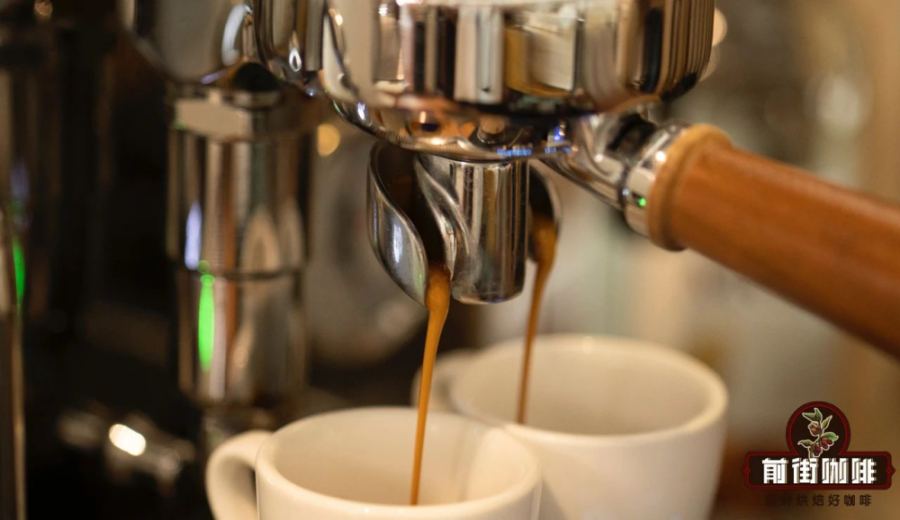
Introduction:Want to understand how a perfect Espresso is made? This article delves into the core elements of espresso, from the mechanism behind the formation of its golden crema, the relationship between roast level and freshness, to the key parameters of high-concentration extraction. It helps you master professional-level extraction logic. It also provides a detailed practical workflow, including dosage ratios, time control, and operational details, enabling you to consistently brew rich and full-bodied Espresso at home.
Espresso, or what we commonly refer to as Italian-style concentrated coffee, is a small cup of concentrated coffee liquid extracted in a short period of time using a high-pressure coffee machine through high temperature and pressure. This extraction method causes a layer of fine, golden foam to float on the surface of the coffee liquid, known as "Crema (coffee foam)." Although different shops may produce varying flavor profiles in their Espresso due to differences in bean selection and extraction techniques, a good-quality Espresso typically has two notable characteristics: a rich layer of foam and a highly concentrated extraction. This article will start with the principles behind Crema formation, analyzing its relationship with the freshness and roast level of the coffee beans, then explore the causes of high-concentration flavors, and use the common double-shot portafilter operation as an example to guide you through the complete process—from dosage configuration and ratio setting to actual operational steps—so you can easily replicate a professional-level Espresso at home.
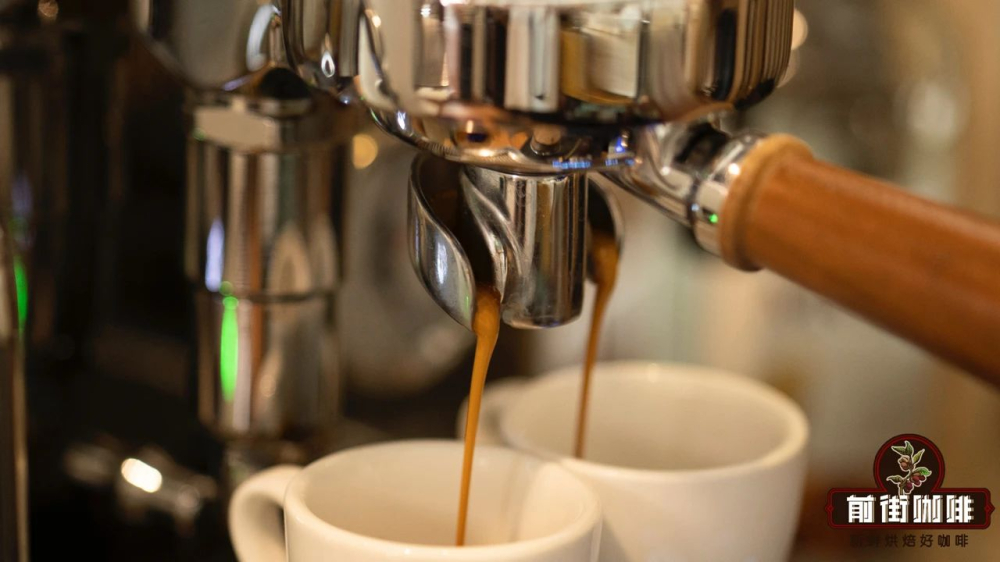
The so-called Espresso, directly translated from English, means "quick extraction." This type of coffee is produced by Italians using a pressure-operated coffee machine, which, in an extremely short time, extracts the essence of coffee grounds under high pressure and near-boiling hot water to achieve a highly concentrated result. The moment the extraction is complete, you will see a thick, fine, golden to amber-colored foam appear on the surface of the coffee liquid—that is the most iconic feature of Espresso—Crema.
The formation of this Crema is mainly due to the large amount of carbon dioxide produced during the roasting process of coffee beans. When high-pressure hot water passes through the coffee bed, it dissolves these gases into the water. However, when the pressure is released and the coffee liquid returns to normal atmospheric pressure, the excess gases can no longer remain dissolved in the liquid, thus forming countless tiny bubbles that gather on the surface, creating a stable foam layer. It is worth noting that the thickness and fineness of the Crema are closely related to the freshness of the coffee beans. Freshly roasted beans still contain a large amount of carbon dioxide internally, so they can form a thick and dense Crema; conversely, if the beans have been roasted for a long time, the internal gases have largely dissipated, and the resulting foam during extraction will be thinner, or may even be barely visible.
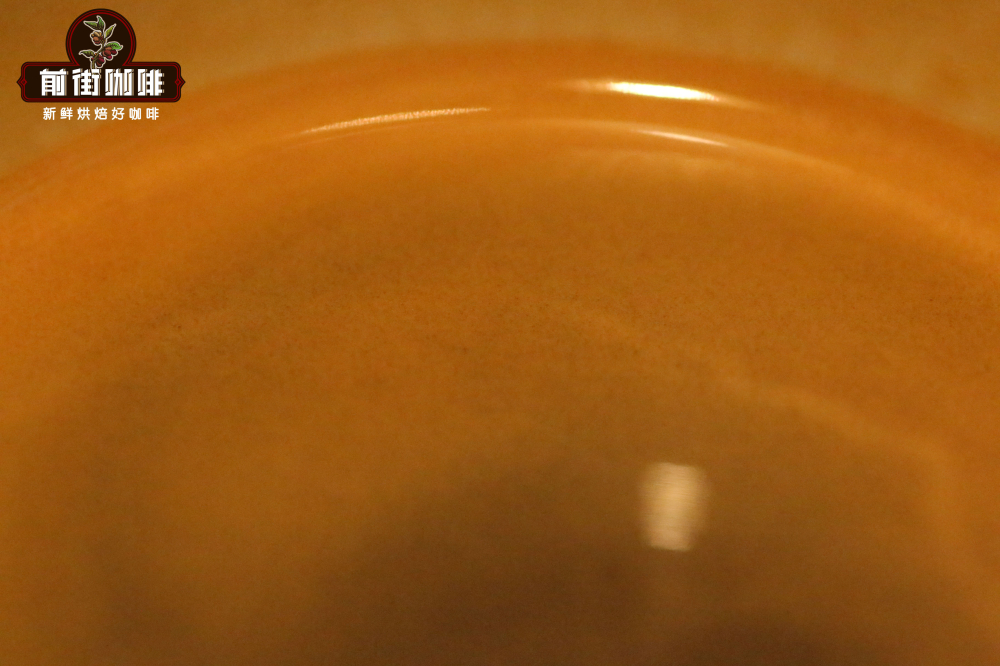
In addition, the color depth of the Crema can also reflect the roast level and flavor characteristics. Generally speaking, a darker Crema, close to deep brown or nearly amber, indicates that the coffee beans are more deeply roasted, possibly undergoing a more pronounced Maillard reaction, resulting in a richer and more robust flavor. If the Crema is lighter in color, it may be due to a lighter roast level, or the beans may have been stored for some time and lack freshness.
Apart from Crema, another important characteristic of Espresso is its extremely high concentration. This is because a large amount of soluble substances are released in a very short period of time (typically 20 to 35 seconds) during extraction. To achieve such an extraction effect, the coffee grounds must be ground very finely and evenly, and under the action of near-boiling hot water and approximately 9 atmospheres of high pressure, the flavors are concentrated to the extreme. This high level of concentration results in a strong, impactful flavor with each sip of Espresso, along with a long-lasting aftertaste. Therefore, many shops also serve a glass of water alongside the espresso to help cleanse the palate and balance the taste.
If you are also a coffee enthusiast and have already purchased a home espresso machine, try following the practical workflow below to make an Espresso at home that approaches professional standards. First, in terms of equipment, it is recommended to choose a machine that can stably output at least 9 bars of pressure. As long as a home-use machine meets this standard, it can fulfill the basic extraction needs, and pairing it with a precise espresso grinder is even better. For dosage and ratio settings, taking the common double-shot portafilter as an example, the coffee dosage usually falls between 18 to 20 grams, and beginners are advised to start with 20 grams. The ideal coffee-to-extract ratio is generally 1:1.5 to 1:2.5, while the ratio commonly used by shops is 1:2, meaning 20 grams of coffee grounds yield 40 grams of coffee liquid.
Extraction time is equally crucial, and it is generally recommended to be controlled between 20 to 35 seconds. If the time is less than 20 seconds, the coffee often tastes weak and lacks complexity; if it exceeds 35 seconds, over-extraction is likely to occur, leading to bitter and burnt flavors. Most of the time, 28 to 30 seconds is the more ideal extraction time range.
During actual operation, first ensure the portafilter is dry and free of moisture. Then start the grinder, grind an appropriate amount of coffee grounds, and precisely measure the target dosage using an electronic scale, such as 20 grams. Next, use a distribution tool to evenly spread the coffee grounds in the portafilter, then tamp with appropriate force to ensure the coffee puck is compact and uniformly dense, which helps make the extraction process more stable. After tamping, first open the extraction switch to release a small amount of hot water. This step is called "pre-infusion," and its purpose is to wet the brew head and remove any residual coffee grounds. Then gently attach the portafilter to the brew head, start the extraction, and observe the weight change on the electronic scale. When about 40 grams of coffee liquid have been extracted and the time falls within the 28 to 30-second range, you can turn off the extraction switch and pour the Espresso into a cup to enjoy.
The final flavor profile of Espresso largely depends on the type of coffee beans used and the roast level. If you are just starting to try making Espresso at home, it is recommended to choose a dark-roasted blend. These beans can usually produce a richer Crema, and the flavor is bold and stable, making them suitable for making various coffee beverages—whether consumed straight, diluted with water as an Americano, or combined with milk to make lattes or cappuccinos—they all perform excellently.
The above content is compiled by CoffeeHunters, a coffee news website.


