







Introduction:Cold drip coffee extracts the delicate flavors of coffee through a slow infusion process, making it a top choice for many coffee enthusiasts during winter. This article delves into the structure and principles of the cold drip brewer, explains key parameter settings such as grind size, coffee-to-water ratio, and dripping speed, and helps you choose the right coffee beans based on your personal preferences. Whether you're after an explosion of fruity aromas or a rich, sweet aftertaste, you can find the perfect cold drip recipe.
Cold drip coffee brewers are often mistaken for laboratory equipment due to their layered structure. Many customers entering coffee shops are curious about this setup and hope to replicate the same delicately flavored cold drip coffee at home as they enjoy in professional stores. This article will start with the basic structure of the cold drip brewer and guide you step by step through the brewing essentials, including equipment composition, grind coarseness, coffee-to-water ratio, flow rate adjustment, and more, along with recommendations for various coffee beans to help you discover your own ideal cold drip flavor.
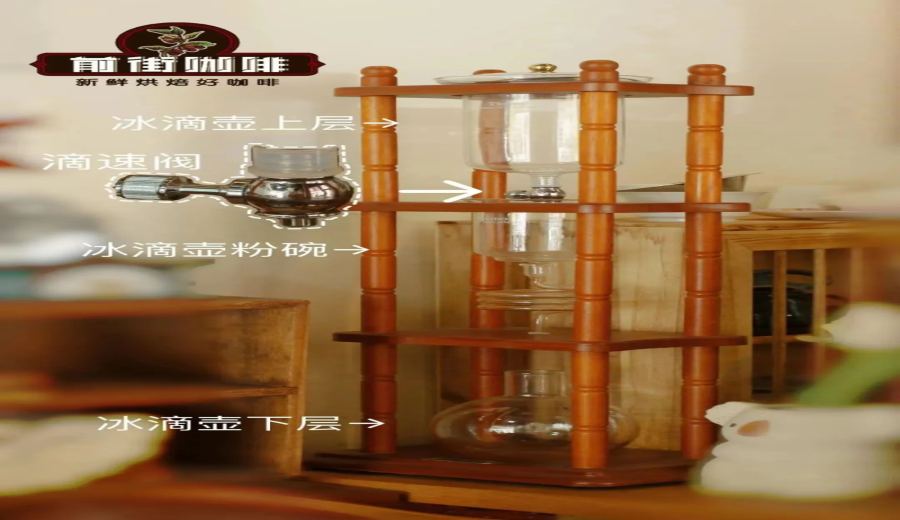
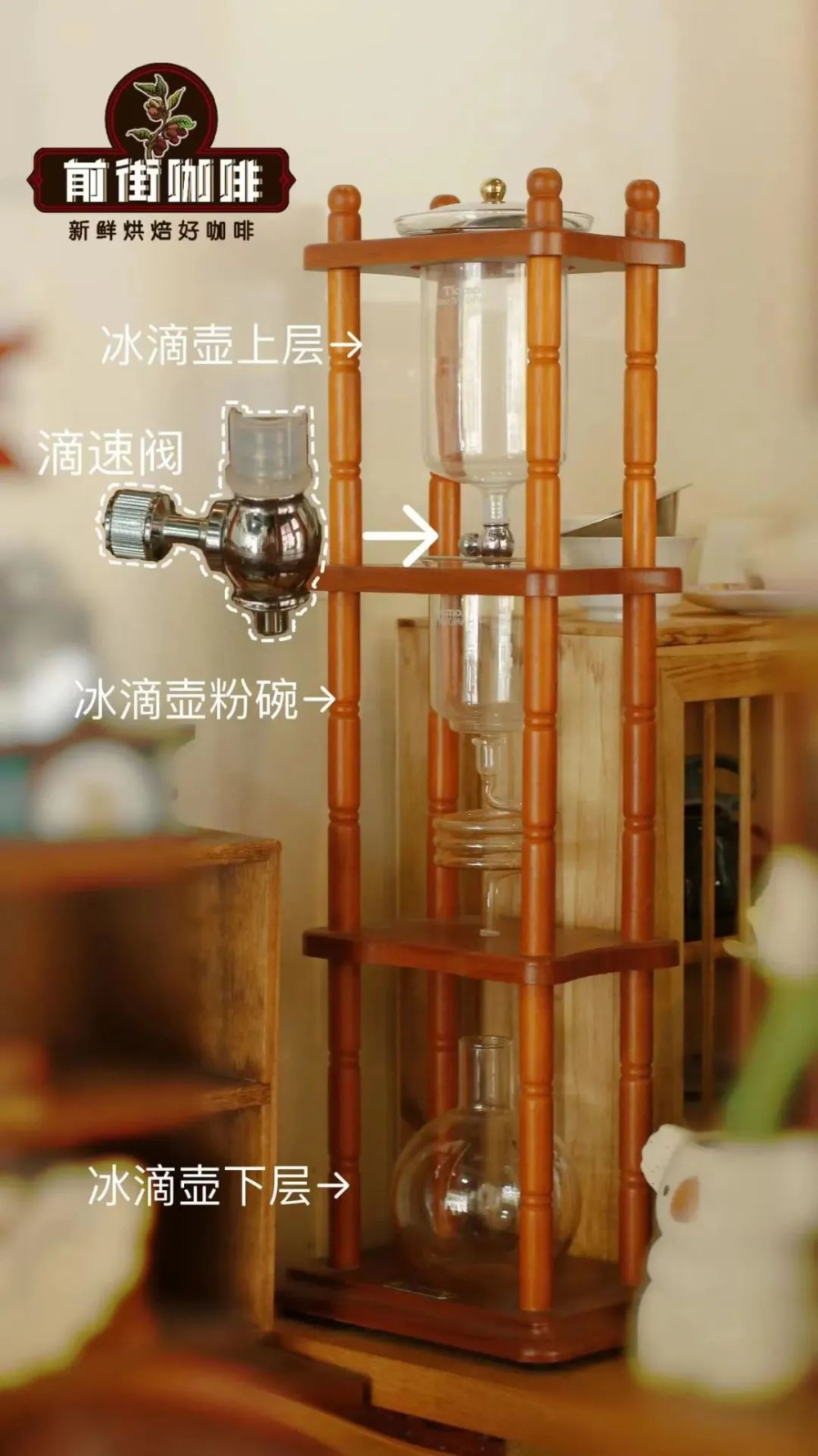
Although commercially available cold drip coffee brewers vary in appearance and material, their basic structure can generally be divided into four core components: the top chamber, valve, coffee grounds chamber, and bottom chamber. The topmost container is mainly used to hold the ice-water mixture, which then passes through a middle metal valve that regulates the dripping speed, ensuring that the ice water drips steadily onto the middle layer of coffee grounds. This coffee grounds chamber is usually made of glass, shaped like a cup, with a central filter hole that allows the extracted coffee liquid to drip down into the bottom chamber for collection. This structural design enables the water and coffee grounds to interact fully, achieving the effect of prolonged slow extraction.
For this demonstration, we selected Mozart coffee beans from Costa Rica, which are processed using a raisin anaerobic honey method, delivering prominent notes of raisin, osmanthus, and fermented sweetness—perfect for highlighting its layers through cold drip brewing. In terms of grind size, it is recommended to follow the standards of cold pour over, grinding the coffee slightly finer to compensate for the lower extraction efficiency in a cold environment. In practice, aim for an 85% passing rate through a Chinese No. 20 sieve, which corresponds to a setting of 9 on common home grinders such as the ek-43s, to achieve optimal extraction performance.
For parameter configuration, it is recommended to use a coffee-to-water ratio of 1:10, meaning 60 grams of coffee grounds for 600 grams of coffee liquid, with an ice-to-water ratio also suggested to be maintained at 1:1. As for dripping speed, adjust the valve so that water drips at a steady rate of 7 drops per 10 seconds, with the entire process taking approximately 6 to 8 hours. This coffee-to-water ratio range is generally suitable for most cold drip recipes and can be further fine-tuned according to personal taste.
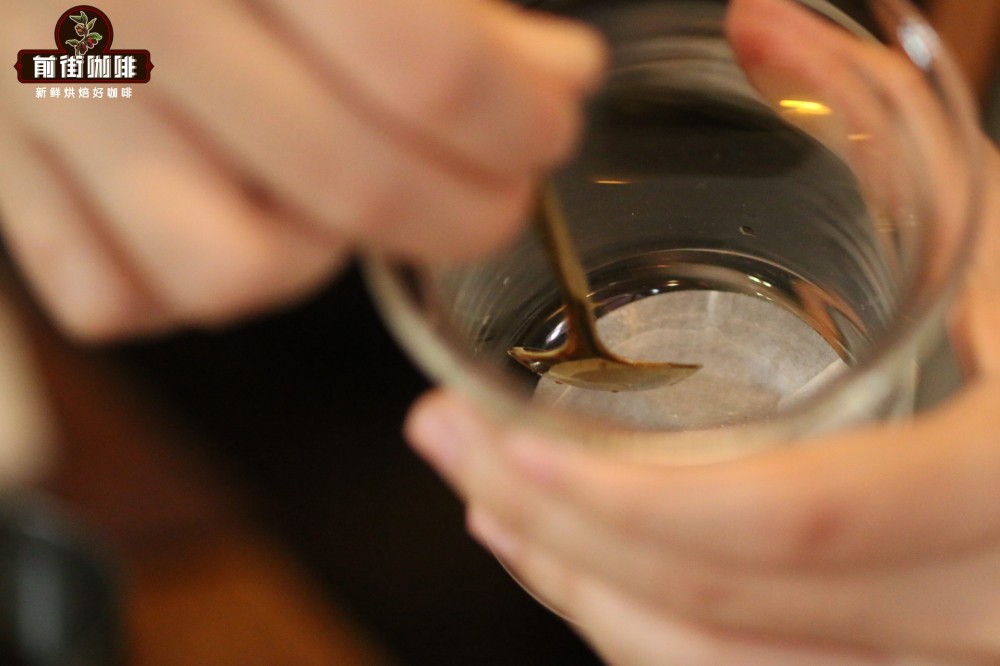
During actual operation, it is recommended to first place a round filter paper at the bottom of the middle chamber and gently press it with water, then evenly spread the ground coffee, ensuring the coffee bed is level to avoid uneven extraction. After that, you can cover the coffee layer with another layer of filter paper to prevent the water droplets from directly impacting and causing the structure to collapse. Before starting the drip, remember to pre-wet the coffee layer with cold water, which helps shorten the overall extraction time and improve initial extraction stability.
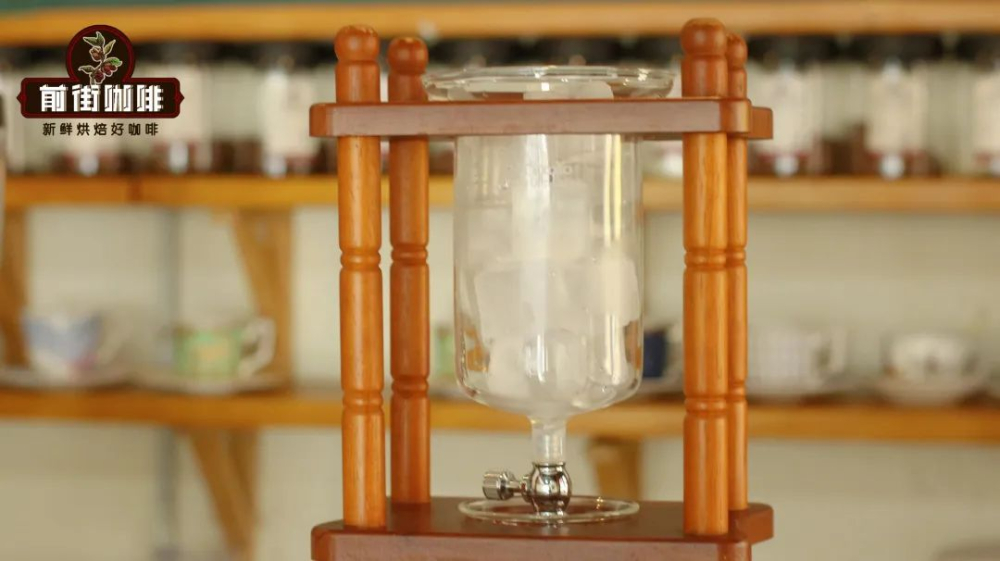
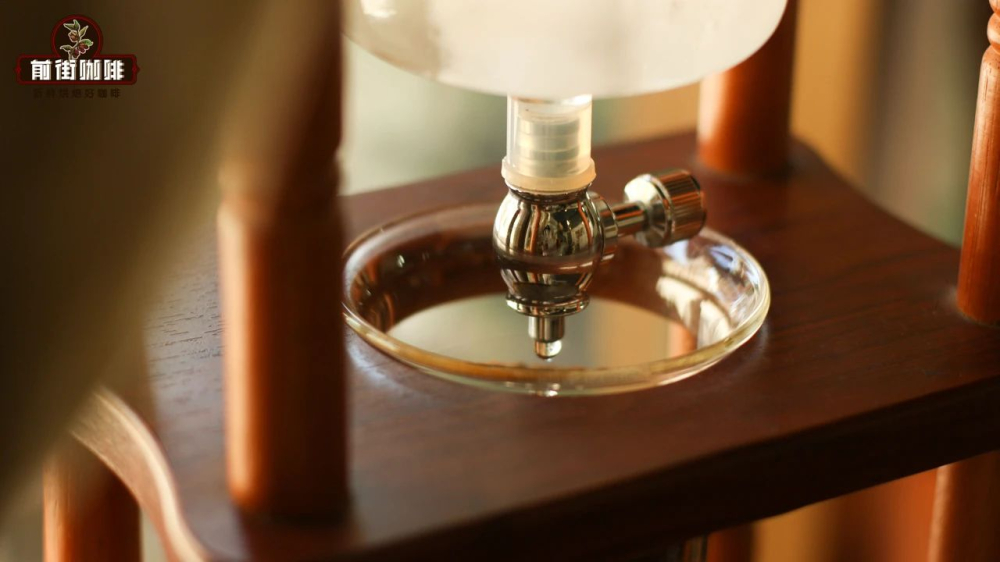
Once everything is ready, secure the coffee grounds chamber onto the stand and slowly pour in the ice-water mixture, with a recommended ratio of half ice and half water. Adjust the valve to control the dripping speed, keeping the dripping point aligned with the coffee liquid outlet to maintain a stable extraction environment. After the dripping process is complete, it is recommended to transfer the coffee liquid from the bottom chamber into a sealable glass container and refrigerate it for at least 12 hours. After this period of resting, the flavors often meld better, and you can enjoy a long-flavored cold drip coffee the next day.
After a night in the refrigerator, this Mozart cold drip coffee exhibits rich berry and pineapple acidity, with subtle notes of fermented wine, a smooth mouthfeel, and no bitterness. Even when diluted with ice cubes, it maintains distinct layers of fruitiness and sweetness, reminiscent of sipping a refreshing fruit wine.
When it comes to selecting beans for cold drip coffee, there are no absolute restrictions, but based on experience, choosing single-origin beans with distinctive flavor profiles often better highlights the unique charm of cold drip. Different processing methods and roast levels directly affect the final extraction results. Below is a summary of several common and suitable flavor types for cold drip, for readers’ reference in selection.
1. Tropical Fruit & Fermented Wine Type: These beans often use special processing methods, such as the raisin anaerobic honey process used in the Costa Rican Mozart, offering deep berry and osmanthus aromas with pronounced fermentation notes, making them highly suitable for cold drip extraction. Others, such as Colombia’s Flower Moon Night, Honduras Sherry, and Costa Rica Strawberry Sugar, also possess highly recognizable tropical fruit characteristics, ideal for users who enjoy explosive fruit flavors.
2. Clean & Crisp Type: African beans are the most representative, such as Ethiopia’s Yirgacheffe or Kenya’s AA, which generally feature bright citrus acidity and tea-like qualities, delivering a refreshing and easy-drinking mouthfeel. Panama’s Geisha blends also offer extremely clean and refreshing flavors, suitable for consumers who prefer subtle expressions.
3. Rich & Smooth Type: Although cold drip is mostly done with medium to light roasts, dark roast beans such as Indonesia’s Golden Mandheling, when cold dripped, actually showcase rich chocolate and fermented aromas, with a smooth mouthfeel and no bitterness. If you prefer a mellower expression, Brazil’s Queen Estate with its nutty and buttery profile is also a great choice, especially when chilled, offering a smoother and more refined texture.
4. Blended Flavor Type: Just like espresso, cold drip is also well-suited for bean blending. By combining single-origin beans of different processing methods or regions, you can create more complex layers. For example, pairing Kenya’s small tomato washed beans with Hambela Huika Daye sun-dried beans offers a mix of tangy cherry and plum flavors with notes of pear and caramel. After cold drip extraction, it presents a composite taste that is both refreshing and rich, perfect for enthusiasts who enjoy diverse flavor profiles.
The above content is compiled by CoffeeHunters, a coffee news website.


