







Introduction:Blue Mountain coffee is highly acclaimed for its rarity and exceptional flavor, but this also makes it one of the most counterfeited specialty beans on the market. This article provides a comprehensive authentication process—from how to identify genuine products before purchasing, including packaging details and certification documents, to methods for discerning aroma, appearance, and texture after roasting. Additionally, it delves into the growing conditions, variety characteristics, and washed processing methods of Blue Mountain coffee, along with sharing the flavor profile under medium-dark roasting and practical brewing tips using the KONO dripper, so you can master both selection and brewing.
Jamaica Blue Mountain coffee is globally recognized as one of the finest coffees, not only due to its extremely low production but also because of its unique flavor and production background. However, precisely because of high market demand, counterfeit products abound, causing many consumers to pay high prices without getting the real thing. How can you pick out the genuine product from among so many options? And how can you distinguish authenticity based on appearance, aroma, and taste? This article will guide you through it all.
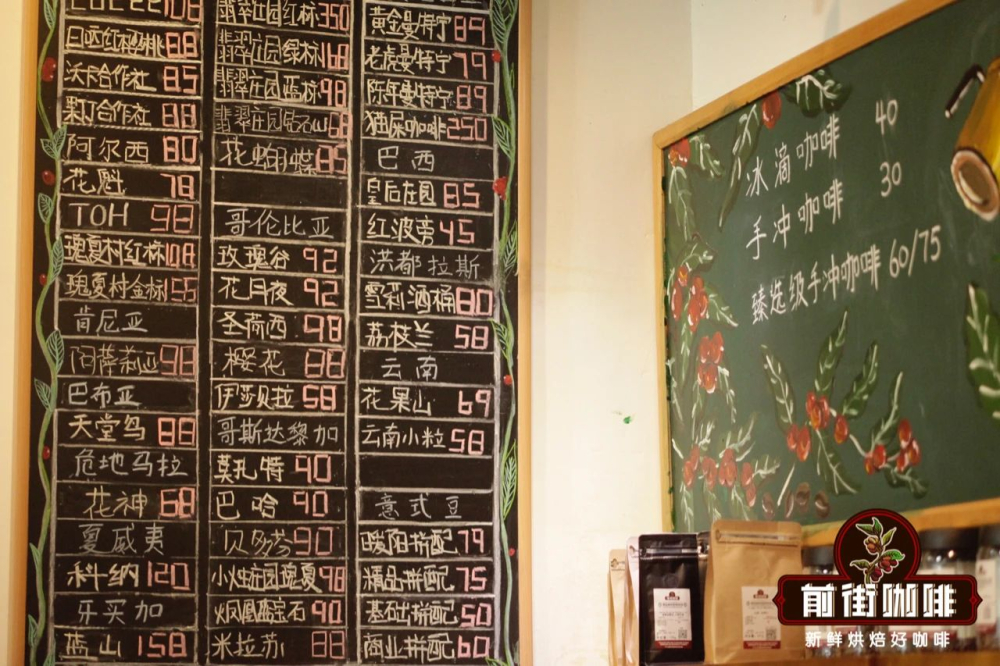
Before purchasing, you can start with an initial screening based on the product name and price. Common terms such as “Blue Mountain flavor,” “Blue Mountain blend,” or “Blue Mountain roasted beans” are mostly just marketing language and may not actually contain genuine Blue Mountain beans. In fact, pure Blue Mountain coffee is quite expensive—if an online retail price is only a few dozen yuan, it can almost certainly be concluded that it’s not authentic. For example, at well-known retail stores, a reasonable selling price for 100 grams of Jamaica Blue Mountain No. 1 coffee beans is around 158 yuan, which also serves as one of the market benchmark references.
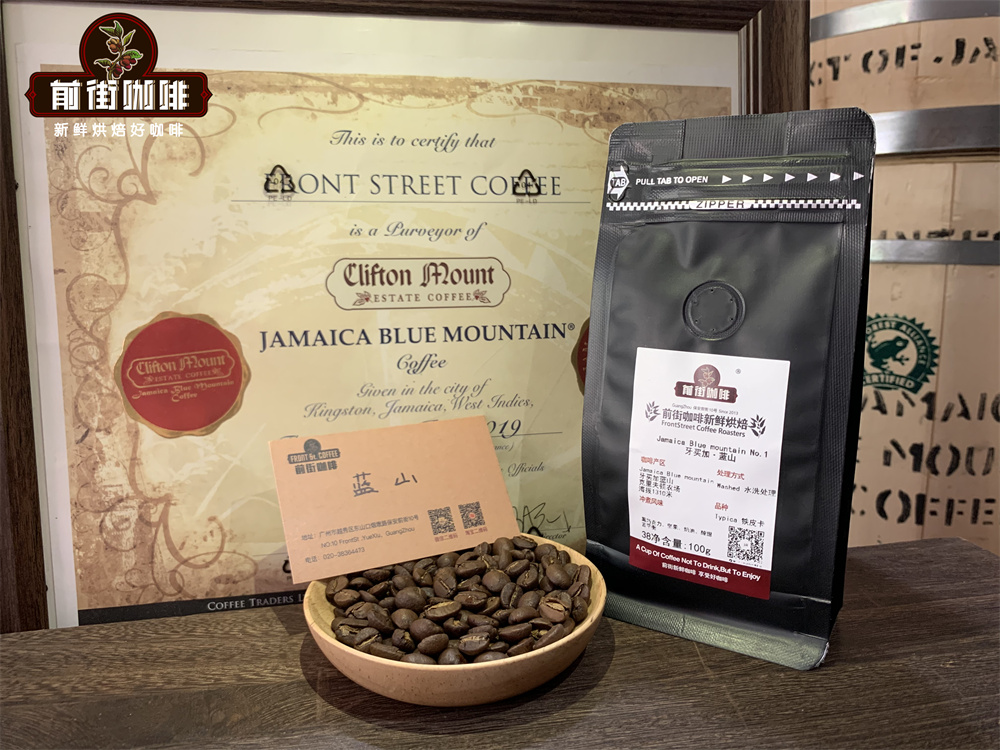
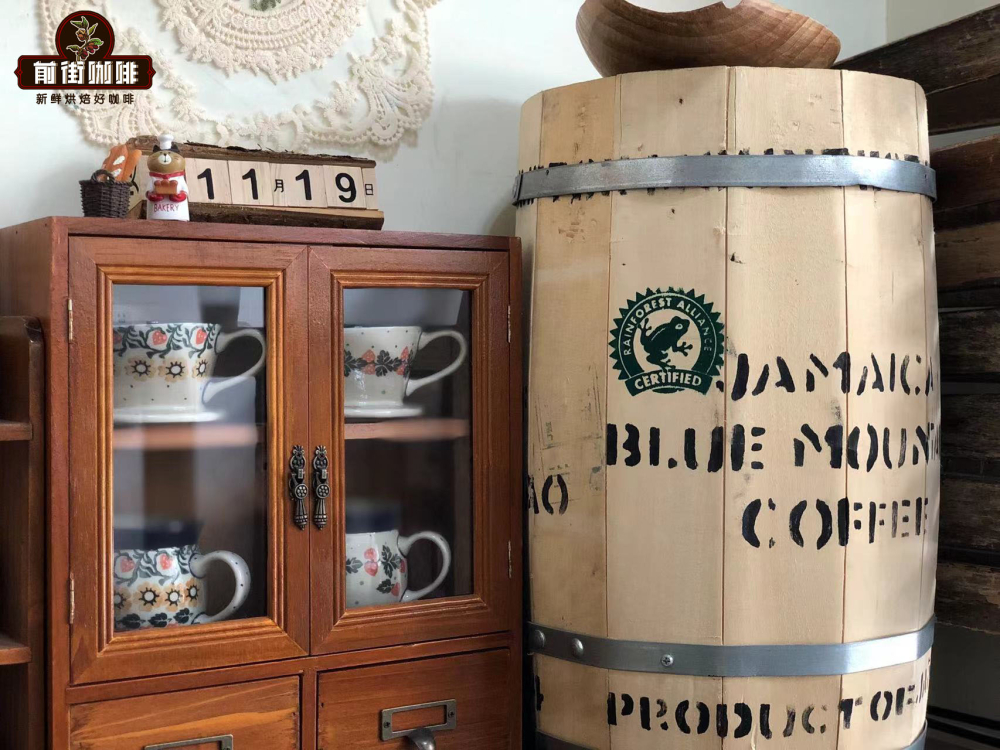
In addition to price, you can also observe whether the seller uses Jamaica’s unique transport packaging—handcrafted oak barrels. Jamaica is the only origin in the world that still uses oak barrels to ship green beans. These barrels come in three sizes: 70 kilograms, 30 kilograms, and 15 kilograms. Compared to regular burlap sacks, oak barrels help control humidity and stabilize moisture content, as well as preserve coffee aroma and reduce interference from off-odors. This is also a key reason why Blue Mountain coffee can maintain high quality during transport. Therefore, seeing a seller provide or display Blue Mountain oak barrels is one important clue in judging whether their supply chain is legitimate.
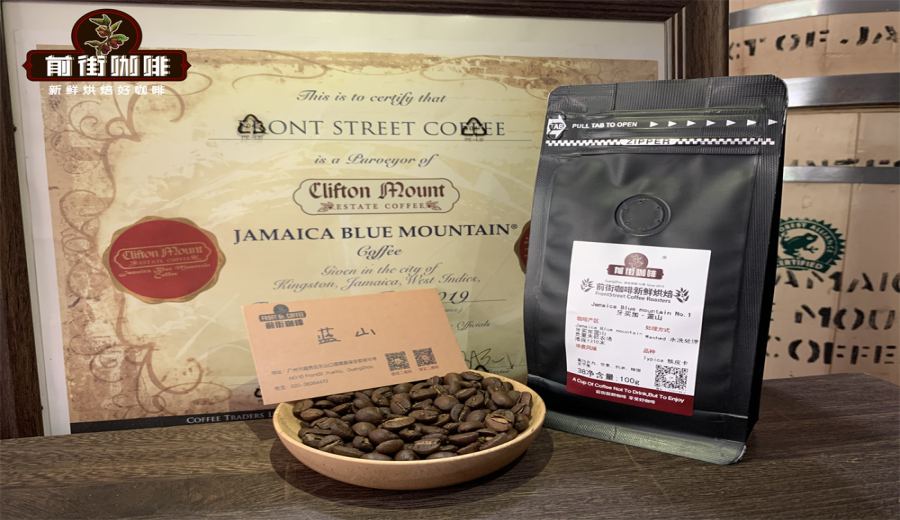
Moreover, the production and export of genuine Blue Mountain coffee must be authorized by both the Jamaican government and the Jamaica Coffee Industry Board (CIB). Every batch of exported Blue Mountain beans undergoes official quality inspection and comes with certification labels and supporting documents. When purchasing, it is recommended that consumers ask the seller for relevant certificates, such as the Blue Mountain Certificate of Origin, CIB Quality Certification, and authorized sales documentation, to ensure they are buying legally sourced beans from officially recognized regions.
If you’ve already purchased roasted Blue Mountain coffee beans, you can further authenticate them from four aspects: aroma, flavor, appearance, and tactile feel. First is aroma—genuine Blue Mountain beans emit a rich and stable chocolate and roasted hazelnut aroma upon opening, a deep and layered scent that is not easily imitated by typical dark-roasted blends. In terms of flavor, Blue Mountain coffee achieves a delicate balance between acidity, sweetness, bitterness, and body, with no single trait being overly dominant. The overall taste is full-bodied with a moderate level of sweetness, and the aftertaste is clean and long-lasting.
In appearance, Blue Mountain green beans undergo strict screening, including uniformity in size, defect rate, color, and shape—all of which directly affect the appearance of the roasted beans. High-quality Blue Mountain roasted beans have a bright color, plump and uniformly sized beans, a smooth surface without obvious defects, and produce a clear and crisp sound when ground—an important indicator of bean freshness and processing quality.
Speaking of the value of Blue Mountain coffee, one cannot overlook its growing environment. The Blue Mountains are located in northeastern Jamaica, surrounded by the sea, creating a unique island-type tropical rainforest climate. This region has distinct wet and dry seasons, excellent drainage, and fertile volcanic soil, providing ideal growing conditions for coffee trees. More notably, the high-altitude areas (approximately 910 to 1700 meters) feature a cool climate often shrouded in mist, which is particularly suitable for the Typica variety—and this is the only variety permitted for Blue Mountain coffee.
According to the core production zone designated by the Jamaica Coffee Board, only 6,000 hectares of land can grow the Typica variety that can be called “Blue Mountain coffee.” These areas are mainly distributed across the administrative regions of St. Thomas, St. Mary, St. Andrew, and Portland, covering only one-third of the total plantable area within the Blue Mountains. Due to geographical and climatic limitations, as well as challenges in harvesting and high labor costs, only about 900 tons of coffee beans meet the Blue Mountain standard each year, less than 15% of Jamaica’s total coffee production.
After harvesting, Blue Mountain coffee is quickly transported to processing facilities for washed processing. First, the floatation method is used to remove unripe fruits and impurities, followed by manual removal of the pulp. The beans are then fermented in water for 12 to 18 hours, subsequently dried naturally in the sun, and finally stored in warehouses awaiting quality inspection and export. The washed processing method significantly reduces the defect rate while fully showcasing the pure aroma of Blue Mountain beans, resulting in a cleaner and more balanced taste.
In terms of roasting and brewing, many specialty shops opt for medium-dark roasting to preserve the chocolate and nutty base of Blue Mountain coffee while bringing out moderate acidity and sweetness. Brewing with the KONO dripper is a common and highly effective method—the immersion-style extraction enhances overall concentration and body, making it especially suitable for highlighting the balanced flavors of Blue Mountain coffee.
Suggested brewing parameters are as follows: use 15 grams of coffee grounds, set the coffee-to-water ratio at 1:15, control the water temperature at 88°C, and aim for a grind size of EK43s scale 10.5 (approximately 75% passing through a 20-mesh sieve). The procedure involves a 30-second bloom with 30 grams of water, followed by pouring in a circular motion centered around the coffee bed until reaching 125 grams for the first pour, then waiting for the bed to drop before pouring up to 225 grams. Once the full brew has dripped through, remove the dripper. This parameter set effectively highlights the nutty, dark chocolate, and caramel aromas of Blue Mountain coffee, while delivering a smooth and multi-layered mouthfeel.
The above content is compiled by CoffeeHunters, a coffee news website.


