







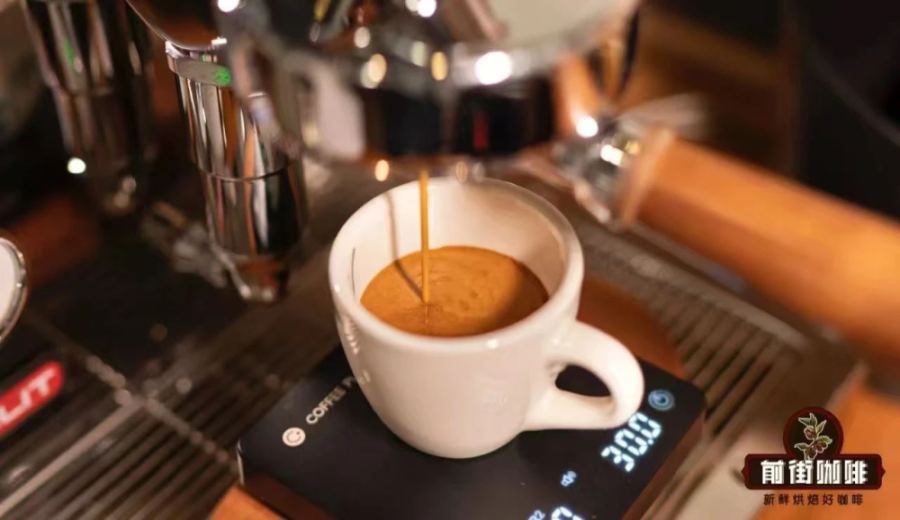
Introduction:Want to understand the evolution of espresso, its authentic extraction parameters, and tasting techniques? This article starts with its 19th-century invention background, analyzes the core principles of espresso, the conditions for crema formation, and provides the SCA-recommended standard extraction data. It also guides you from preparing your palate to sipping in three steps to master professional evaluation methods, with real case references to help you advance from a beginner to a knowledgeable coffee enthusiast.
Espresso is not only the soul base of classic drinks like lattes and cappuccinos, but also an important symbol of modern coffee culture. From the birth of the first patented coffee machine in the late 19th century to today’s standard process extracted at 9 bar pressure, the evolution of espresso has spanned over a century. This article will detail its historical origins, changes in extraction technology, the principles of crema formation, and cite professional institutional recommendations for extraction parameters. Additionally, it will guide readers step-by-step on how to properly taste a high-quality espresso, starting with oral preparation, including observing the crema, sensing acidity and sweetness, and aftertaste. The article also provides a real blend bean formula and extraction values used by a well-known shop as a reference.
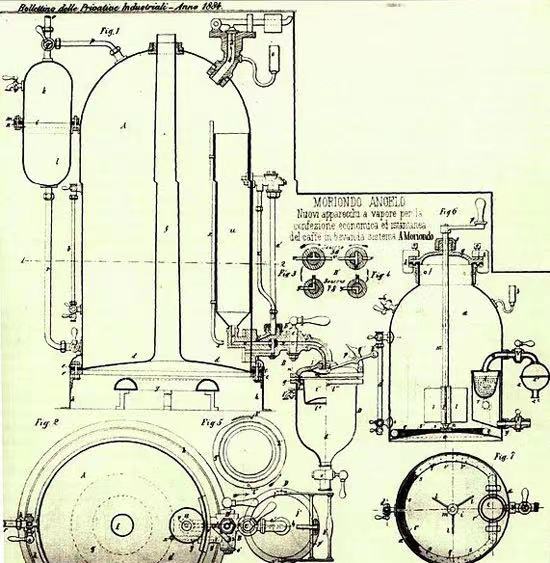
The prototype of espresso can be traced back to 1884, when Italian Angelo Moriondo applied for a patent for a coffee machine. This machine used two separate heating boilers to boil water and generate steam, then pushed hot water through a layer of coffee grounds via steam pressure (about 1.5 bar) to produce a highly concentrated coffee liquid. However, this method was unstable and could not ensure consistent flavor in every cup. Entering the early 20th century, Italian technician Luigi Bezzera significantly improved the design by increasing pressure to force hot water through extremely finely ground coffee in a short time, greatly reducing extraction time, and precisely controlling the water temperature at around 94°C to bring out richer flavor layers. He also introduced a dedicated coffee puck to enhance filtration, resulting in a smoother taste. This improved version of the coffee machine quickly became popular in the Italian market and became the prototype of modern espresso.
Subsequently, designer Desiderio Pavoni collaborated with Bezzera to further develop a new machine equipped with a pressure valve and steam wand, which debuted at the Milan Expo in 1906. This design not only improved extraction efficiency but also established the basic structure of today’s espresso machines, gradually solidifying this form of high-pressure, rapid extraction coffee, which became globally known as “Espresso.”
So, what exactly is espresso? Simply put, it is a small cup of highly concentrated, flavor-intense coffee liquid made by forcing hot water at about 94°C through extremely finely ground coffee beans under high pressure (typically around 9 bar) using a coffee machine. Although espresso is strong in flavor, if extracted properly, it should not have a noticeable burnt or bitter taste. An ideally extracted espresso should exhibit a rich yet clean taste, with fine and smooth crema, and a lingering aftertaste with a pleasant sweetness that leaves a deep impression.
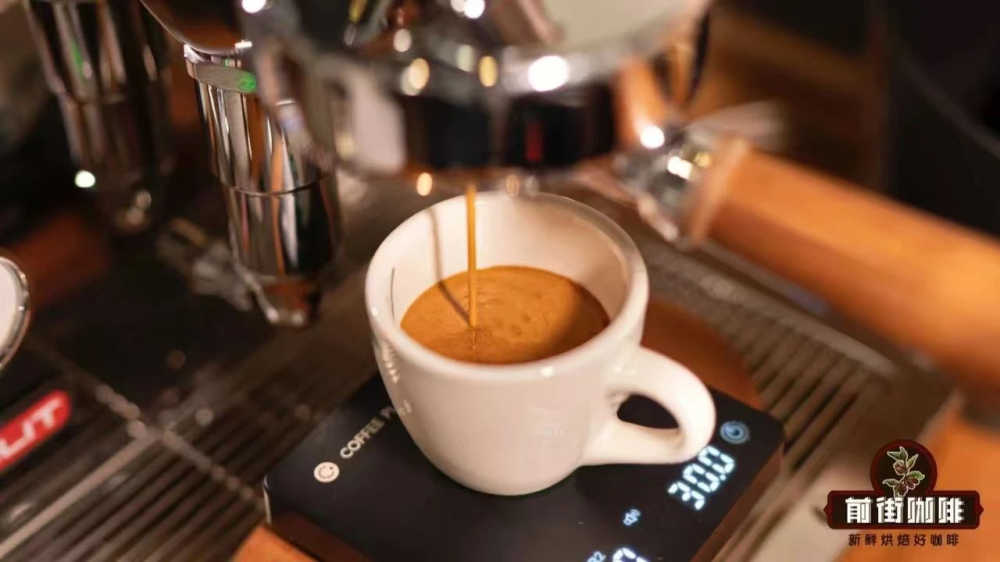
On the surface of freshly extracted espresso, there is often a layer of golden to brownish foam, commonly known as “crema.” This foam is not pure fat but a delicate layer formed when the large amount of carbon dioxide released from freshly roasted coffee beans mixes with the coffee oils under 9 bar high pressure and is squeezed by water. Therefore, using freshly roasted (ideally within 5 days of roasting), medium to dark roasted coffee beans, and grinding and brewing immediately ensures sufficient carbon dioxide to support the delicate texture and full body of the crema.
It is worth noting that after roasting, the internal carbon dioxide content in coffee beans naturally decreases over time. While initial abundance of carbon dioxide aids crema formation, too much may also affect the release of soluble flavor compounds, leading to uneven extraction. Therefore, it is recommended to let freshly roasted beans sit in a cool, dry place for at least 7 days after the roast date indicated on the label before opening and using, allowing the beans to appropriately release carbon dioxide, which helps stabilize subsequent extraction performance.
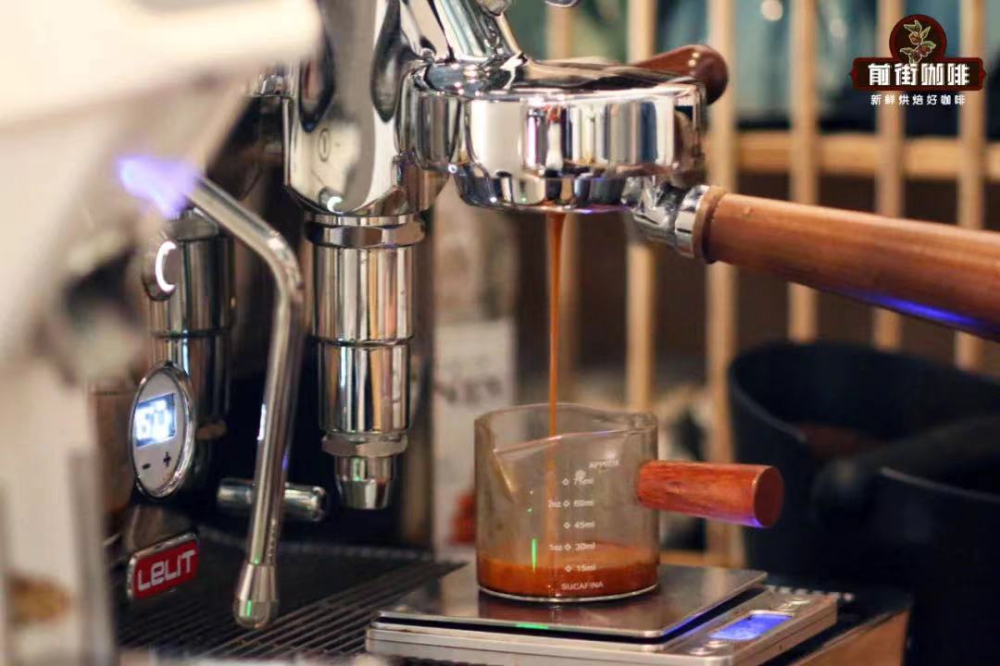
So, how can one extract the ideal espresso? According to the Specialty Coffee Association (SCA), the standard extraction parameters for a double shot are: using 7–9 grams (14–18 grams for a double) of extremely finely ground coffee, with 90–96°C hot water, under 9–10 bar pressure, extracting 25–35 grams of coffee liquid, with the total time controlled between 20–30 seconds. However, in practice, differences in each coffee machine, grinder, and coffee bean characteristics are significant, so it is recommended to adjust based on the final flavor profile rather than adhering strictly to a single set of numbers.
For example, a shop uses a self-made blend with a formula of 70% Honduran sherry-flavored beans and 30% Ethiopian sun-dried Yirgacheffe Red Cherry beans. According to on-site adjusted data, using 19.5 grams of extremely finely ground coffee, extracting 35 grams of coffee liquid at 94°C water temperature for about 30 seconds, the result presents a silky texture like vanilla cream, with flavor layers including subtle berry acidity and sweetness, a hint of fermented wine aroma, as well as mild hazelnut and caramel sweetness, showing excellent balance and complexity.
With the improvement in coffee bean quality and advancements in roasting technology, modern espresso is no longer confined to the previously bitter and intense impression but can instead showcase diverse flavor profiles. So, how should one properly taste a shot of espresso? First, it is recommended to drink a sip of ice water before tasting to help cleanse the mouth and reset the taste buds. Once the coffee is served, gently stir it with a spoon to mix evenly, then take three sips: the first to focus on the overall flavor profile, the second to appreciate its rich body and texture, and the third to concentrate on the aftertaste’s sweetness and lingering duration. Following these steps allows for a more comprehensive understanding of an espresso’s potential expression and intricate charm.
The above content is compiled by CoffeeHunters, a coffee news website.


