







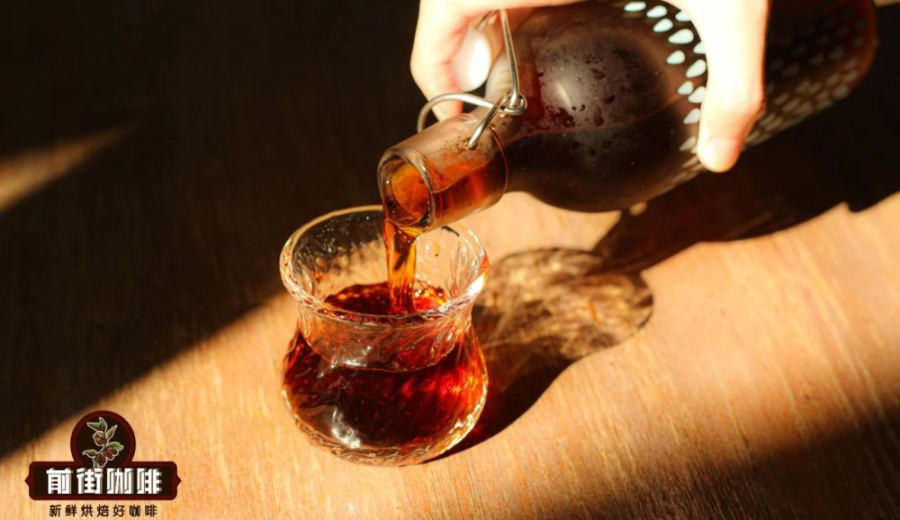
Introduction:Want to understand the fundamental differences between cold drip coffee and cold brew coffee? This article delves into the historical origins, operational parameters, flavor profiles, and caffeine release characteristics of these two cold extraction methods. It also provides practical coffee-to-water ratio suggestions and blend composition inspiration to help coffee enthusiasts choose the cold brewing method that best suits their taste preferences.
The Origins and Naming of Cold Drip Coffee
Although often referred to as Dutch Coffee, the ice drip technique is actually more closely associated with Japan and is therefore also known as Kyoto Coffee. Legend has it that the method was initially inspired by brewing practices observed during the Dutch colonial period in Indonesia. A café owner in Kyoto, Japan, referenced descriptions in books and, with the help of chemistry students and medical equipment professionals, developed a device that slowly drips ice water through coffee grounds. This setup mimics the original Indonesian brewing method and eventually evolved into the modern ice drip process. When it spread to Europe and America, it was simplified to Kyoto Coffee due to geographical recognition differences.
Core Differences in Brewing Methods: Cold Drip vs. Cold Brew
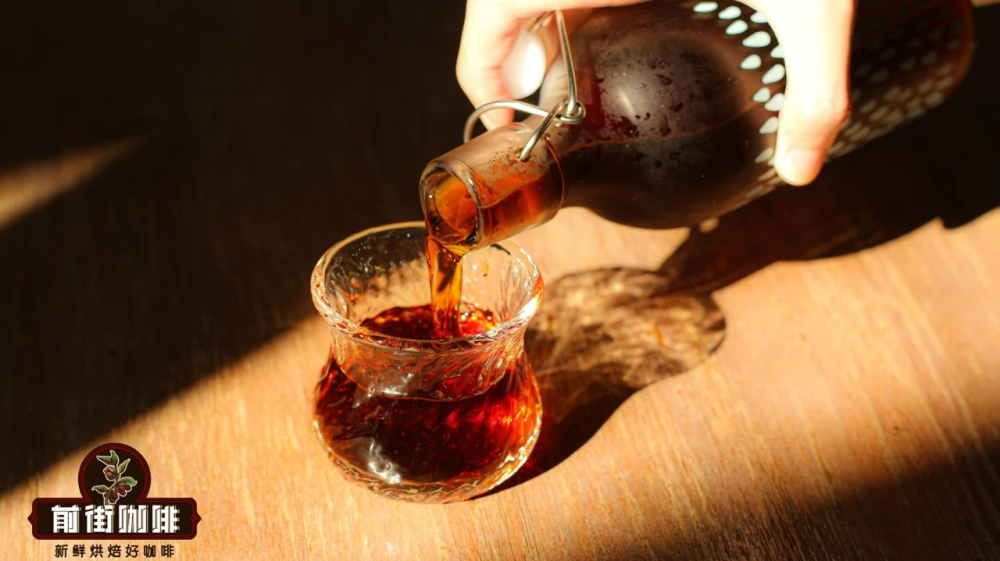
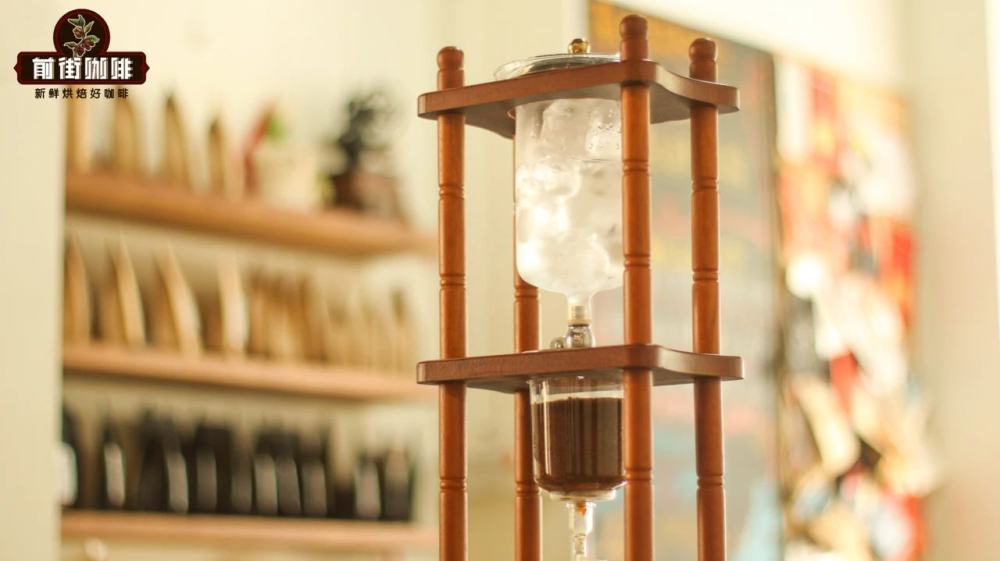
Both cold brewing methods require extended extraction times, but their principles are fundamentally different. Cold drip coffee uses a specialized device where ice water from an upper chamber drips drop by drop onto a bed of coffee grounds in a middle chamber, slowly permeating through gravity into a lower chamber where the coffee is collected. The entire process typically takes 6 to 8 hours. In contrast, cold brew coffee involves mixing ground coffee directly with cold (or ice) water in a sealed container, which is then left to steep at a low temperature in the refrigerator for 12 to 24 hours before being filtered through paper to separate the grounds. Equipment and temperature control are the main points of differentiation between the two.
Standard Parameters and Operational Details for Cold Drip Coffee
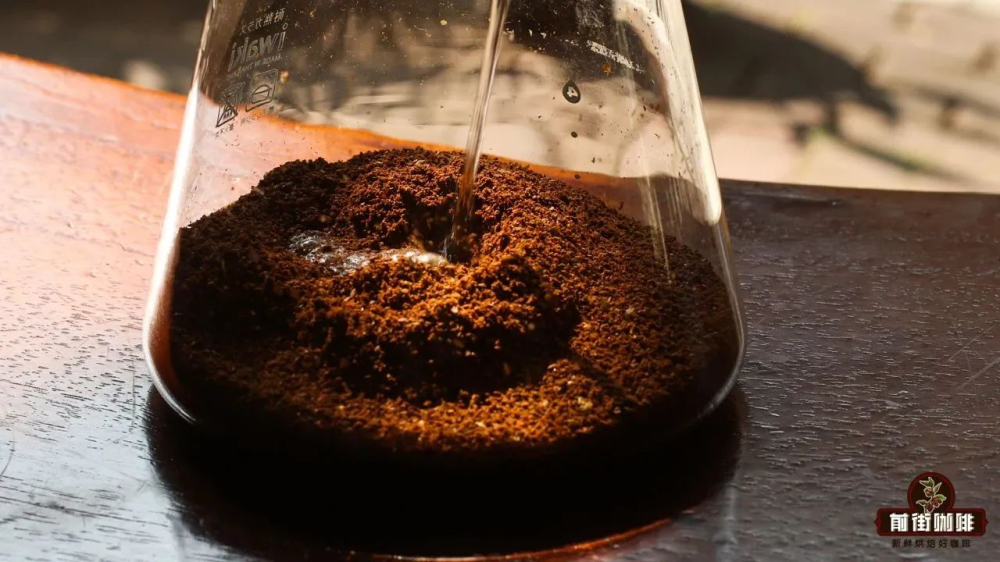
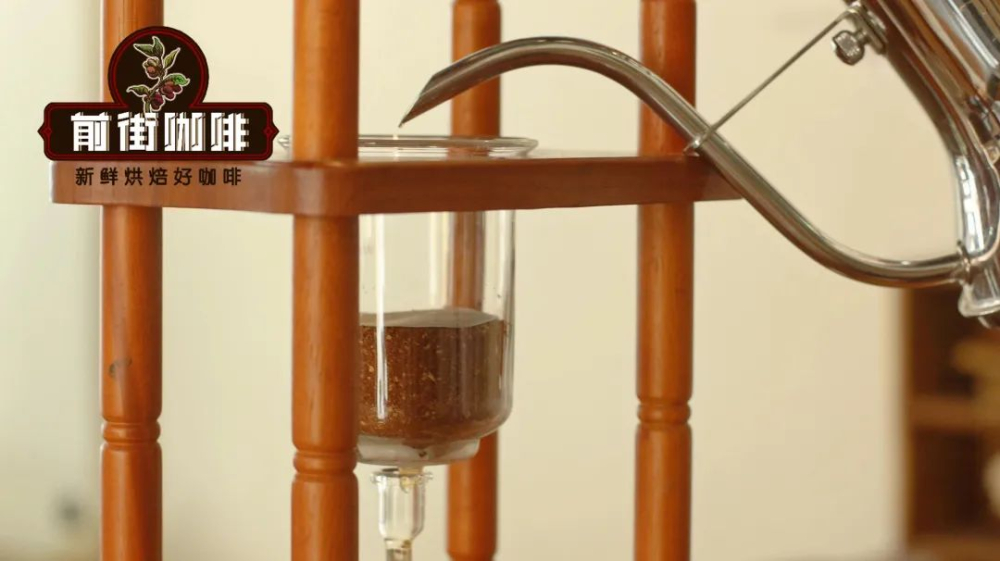
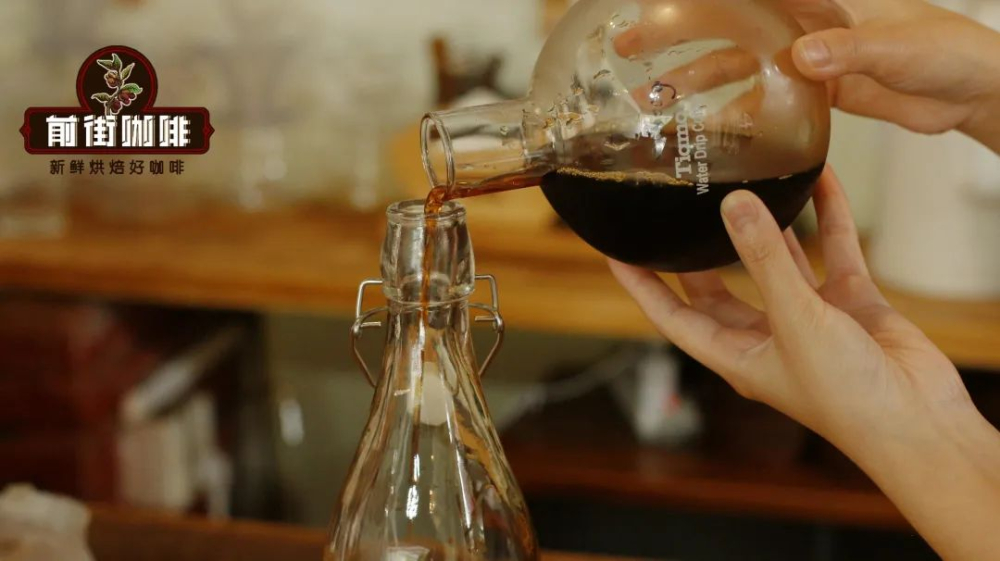
A commonly used coffee-to-water ratio for cold drip is 1:10, such as using 60 grams of coffee grounds to extract 600 milliliters of coffee. During preparation, place a round filter paper at the bottom of the grounds chamber, wet it, and ensure it adheres to the walls. Then evenly distribute coffee grounds roughly the size of coarse sugar granules. Lightly tap or use a tamper to flatten the surface. A crucial step is placing a filter paper on top of the coffee bed, using its tension to ensure even distribution of the ice water and prevent localized indentations caused by prolonged dripping, which could affect extraction consistency. The pre-wetting step is similar to the bloom phase in pour over and helps improve overall extraction efficiency and flavor stability. It’s recommended to adjust the drip rate to 7 drops per 10 seconds, and you may use an ice-water mixture for pre-wetting. The final extracted coffee is best refrigerated overnight to allow flavors to meld more fully.
The Truth About Caffeine Content in Cold Drip Coffee
It is commonly believed that lower water temperatures suppress caffeine release, but because cold drip extraction occurs over a prolonged period, the total accumulated caffeine may not necessarily be lower. Experimental data shows that its caffeine content can be higher than expected and is influenced by multiple factors including coffee bean variety, drip interval, and total extraction time—resulting in a wide range of values. Those sensitive to caffeine are advised to prioritize low-caffeine coffee varieties rather than relying on the cold drip process alone to reduce intake.

Strategies for Selecting Coffee Beans for Cold Drip
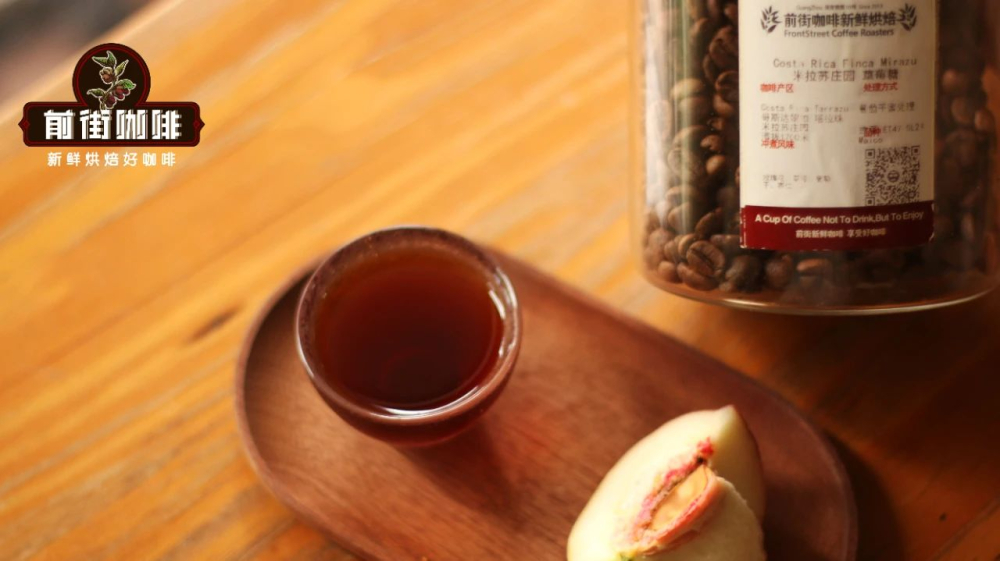
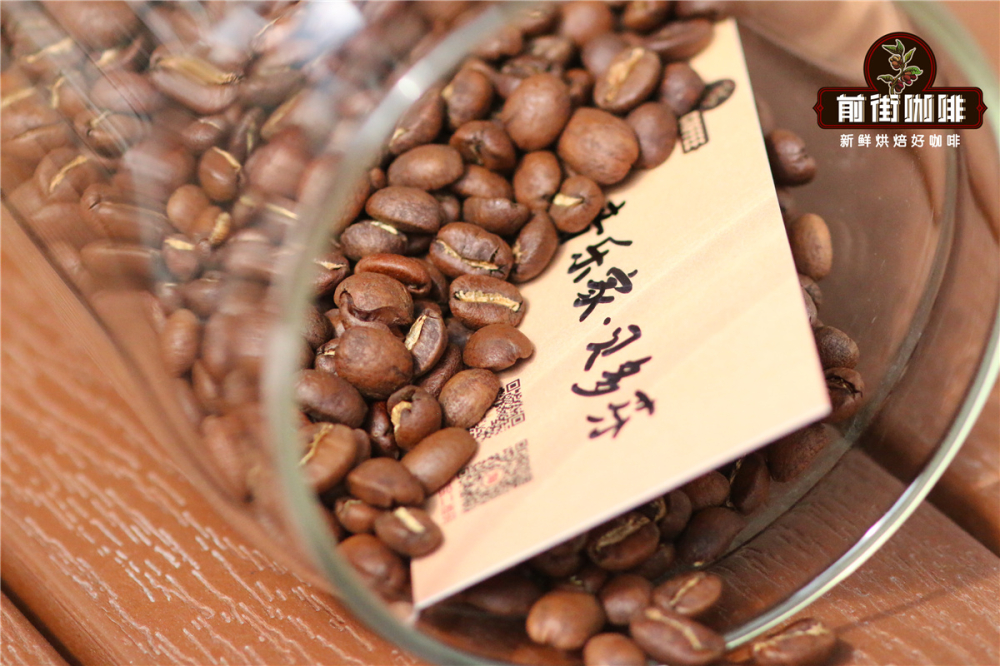
While single-origin beans can showcase foundational flavors, blends can enhance specific characteristics. Recommended combinations include 30 grams of Honduran Sherry (wine barrel fermented) paired with 30 grams of Costa Rican Beethoven (washed), highlighting whiskey-like aromas, citrus acidity, and honey sweetness; or 20 grams of Honduran Litchi Orchid (wine barrel) with 40 grams of Ethiopian Gedeb Guji Fruit Ding Ding (washed), delivering brandy notes, berry acidity, and a smooth oolong tea-like mouthfeel. Another option is 30 grams of Ethiopian Huika (natural) and 30 grams of Panamanian Hartmann (red wine processed), offering intense fermented wine aromas and high sweetness—ideal for those who prefer a heavier-bodied cup.
Practical Cold Brew Coffee Making Guide
A standard recipe consists of 50 grams of coffee grounds mixed with 600 milliliters of an ice water combination (including 400 milliliters of cold water and 200 grams of hard ice). Stir well, seal, and refrigerate for 24 hours. After extraction, it’s recommended to refrigerate for another 2 hours to allow the flavors to round out further. This ratio also maintains a 1:10 coffee-to-water proportion, similar to cold drip, but differing temperature conditions and brewing environments lead to distinctly different final flavor profiles.
Intuitive Flavor Comparison: Cold Drip vs. Cold Brew
Practical testing shows that cold drip coffee results in a clear, bright liquid with a clean, crisp mouthfeel, accompanied by rich fermented wine notes and a berry-like acidic-sweet profile. Cold brew coffee, on the other hand, presents a slightly hazy appearance with a surface oil sheen, offering a fuller, more uniform mouthfeel, with prominent fruit sweetness but less pronounced fermentation characteristics. The two methods are highly distinguishable in terms of clarity and flavor layering.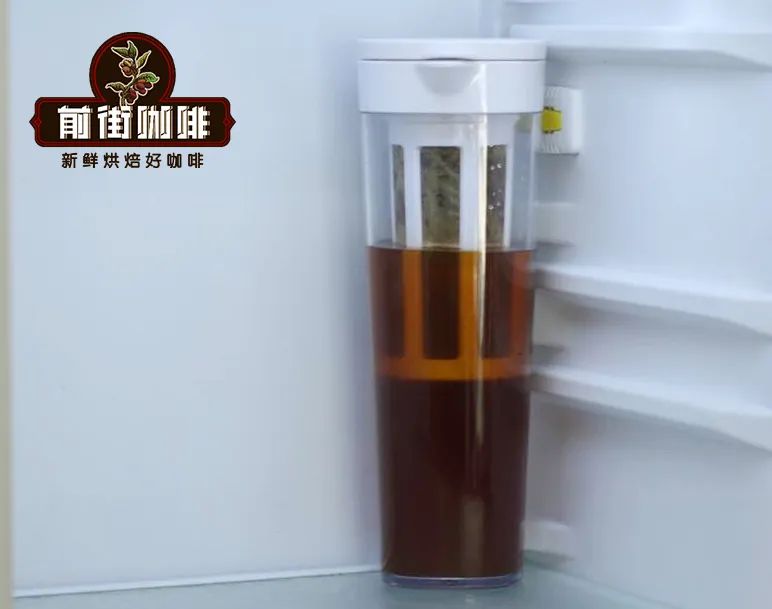 Consumers can choose the cold brewing method that best aligns with their preference for either a cleaner or a fuller-bodied taste.
The above content is compiled by CoffeeHunters, a coffee news website.


