







Introduction:Both cold drip coffee and cold brew coffee are popular low-temperature extracted brews, but they differ significantly in brewing principles, time, flavor, and even cost. This article will delve into the brewing parameters of cold drip and cold brew, the types of coffee beans suitable for each, their flavor profiles, and why cold drip often comes with a higher price tag — helping you choose the most suitable iced coffee brewing method based on your taste preferences and needs.
Commonalities and Basic Differences Between Cold Drip and Cold Brew
Both cold drip coffee and cold brew coffee fall under the category of low-temperature, long-duration extraction methods. They cannot be made instantly and usually require advance preparation. The main difference lies in the brewing method: cold drip uses a drip filtration process where ice water slowly drips through the coffee grounds; whereas cold brew involves steeping coffee grounds in cold water and allowing the flavors to gradually infuse over time.

Brewing Parameters and Details for Cold Drip Coffee
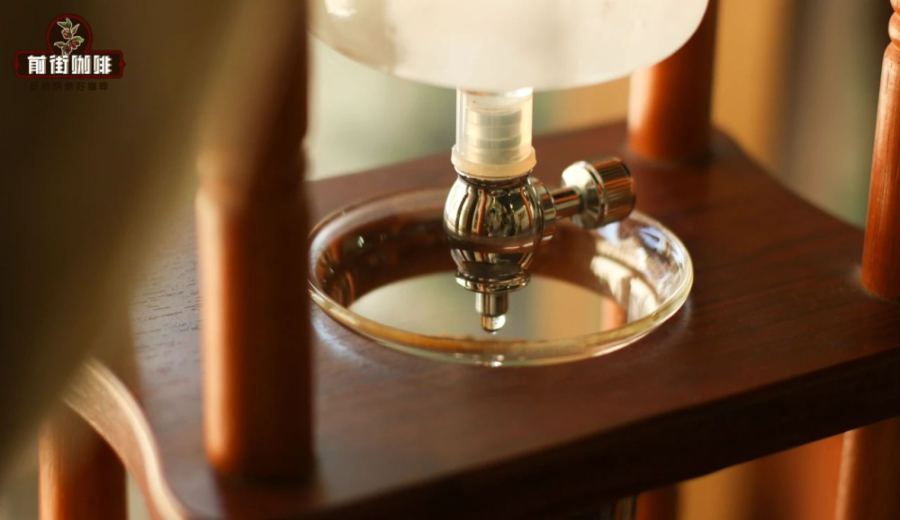
The process of making cold drip coffee demands precision and patience.It is generally recommended to use 60 grams of coffee grounds, ground slightly finer than pour over — around 85% passing through a #20 sieve.This helps to fully extract delicate flavors.The drip rate should be controlled at 7 drops per 10 seconds, with a total extraction time of about 6 hours, aiming to produce 600 milliliters of coffee liquid.It’s important to note that the water used in the cold drip process should be an ice-water mixture, not pure or room-temperature water, as this helps control the extraction temperature and balance the flavors.
Additionally, many wonder if it’s necessary to strictly control the ratio of ice to water. In reality, as long as the overall environment is ice-water based and the final coffee liquid reaches the intended volume, an excess of ice water won’t interfere with the final extraction outcome.The finished coffee liquid is recommended to be refrigerated for another 12 hours to age, which helps soften the flavors and enhance complexity.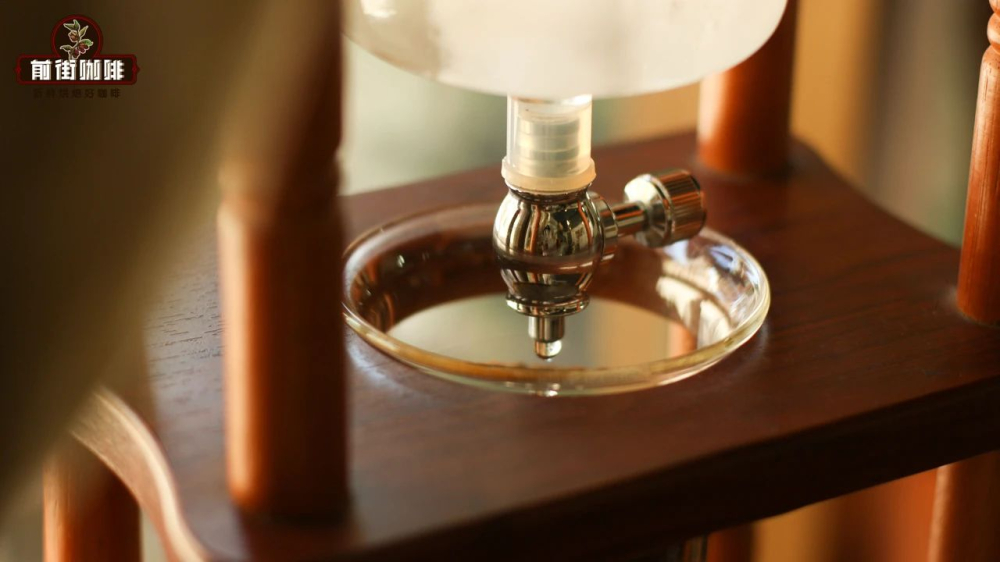
Cold Brew Coffee (Cold Soak Coffee) Brewing Process
Cold brew coffee, also known as cold soak coffee, has a relatively simple method. The generally recommendedcoffee-to-water ratio is 1:12, with the coffee grounds ground to around 85% passing through a #20 sieve, slightly finer than pour over.Place the coffee grounds in a sealed container, add the corresponding proportion of cold water, gently shake to mix, and then refrigerate for at least 12 hours.
Once the time is up, use a cloth filter, paper filter, or specialized filter to thoroughly separate the coffee grounds, ensuring a smooth mouthfeel.The filtered coffee liquid is recommended to be refrigerated and rested for another 4 hours to allow the flavors to meld better, resulting in a more enjoyable taste when consumed.This method does not require special equipment — just a sealed bottle and filter material are sufficient, making it a common way to make cold brew at home.
Flavor Profile Differences Between Cold Drip and Cold Brew
Due to the vastly different brewing methods, the resulting coffee flavors also show clear distinctions. Cold drip coffee, due to the slow dripping process, typically presents a clearer and brighter color. Its flavor profile is delicate, with bright acidity, often carrying a refreshing fruity tone. The low-temperature, long-duration extraction makes it easier to highlight the floral, fruity, and sweet-sour characteristics of the coffee.
Moreover, to enhance the unique richness and slightly fermented wine-like sensation of cold drip coffee, many coffee shops opt for high-quality single-origin beans, especially those rich in fruity notes. Through slow drip filtration and prolonged aging, these coffees are endowed with a wine-like finish and fermented texture,which also leads to higher raw material costs for cold drip coffee, and consequently a higher retail price compared to cold brew..

Flavor Characteristics and Suitable Audiences for Cold Brew Coffee
Cold brew coffee, due to its immersion method, can more fully retain the original characteristics of the coffee beans. If using beans with prominent fruity notes, cold brew can fully showcase rich flavors such as tropical fruits and berries, with a mouthfeel that tends to be full-bodied yet smooth, making it suitable for drinkers who prefer the natural essence of coffee and a milder taste.
Additionally, because cold brew is steeped rather than dripped, its aftertaste is usually rounder, with fewer off-flavors, and it is suitable for long-term refrigeration before drinking. It’s an excellent choice for cooling down in the summer.
How to Choose? Applicable Scenarios for Cold Drip and Cold Brew
If you want to experience the unique flavor expression of coffee beans in a low-temperature environment and don’t mind a longer wait time, cold brew coffee is an excellent entry-level choice — simple to start with and capable of showcasing the diverse flavors of coffee.
If you’re interested in coffee brewing craftsmanship and want to feel the subtle changes and wine-like flavors brought by the dripping process, cold drip coffee can provide a more layered taste experience. However, due to its higher equipment and ingredient costs, the price is relatively steep.
In summary, no matter which one you choose, you can enjoy a unique iced coffee experience with low-temperature extraction and distinctive flavors during the hot summer.It is recommended to choose the iced coffee method that best suits your personal taste preferences and brewing conditions..
The above content is compiled by CoffeeHunters, a coffee news website.


