







Introduction:Although Americano is simply made from espresso and water, it involves many details that only baristas truly understand. This article delves into the historical origins of Americano, the differences between Americano and Long Black, provides golden ratio recommendations for both hot and iced versions, and explores how the presence or absence of crema actually affects flavor. Whether you're a beginner or a coffee enthusiast, you can grasp the essence of this classic beverage.
Americano can be considered the most common basic drink in coffee shops. Although it consists only of espresso and water, its preparation and proportions are extremely particular, fully reflecting the technical skill of the barista. Evolving from traditional drip black coffee to today’s diluted espresso version, Americano is not just a simple brew but a beverage that blends history with modern extraction philosophy.
By definition, Americano originally referred to black coffee brewed using a drip coffee machine. The entire extraction process usually takes four to five minutes, resulting in a milder and more balanced flavor. However, the Americano commonly seen in coffee shops today is typically made by diluting a shot of espresso with a large amount of hot water. This method allows for quick preparation while retaining the rich essence of the coffee.
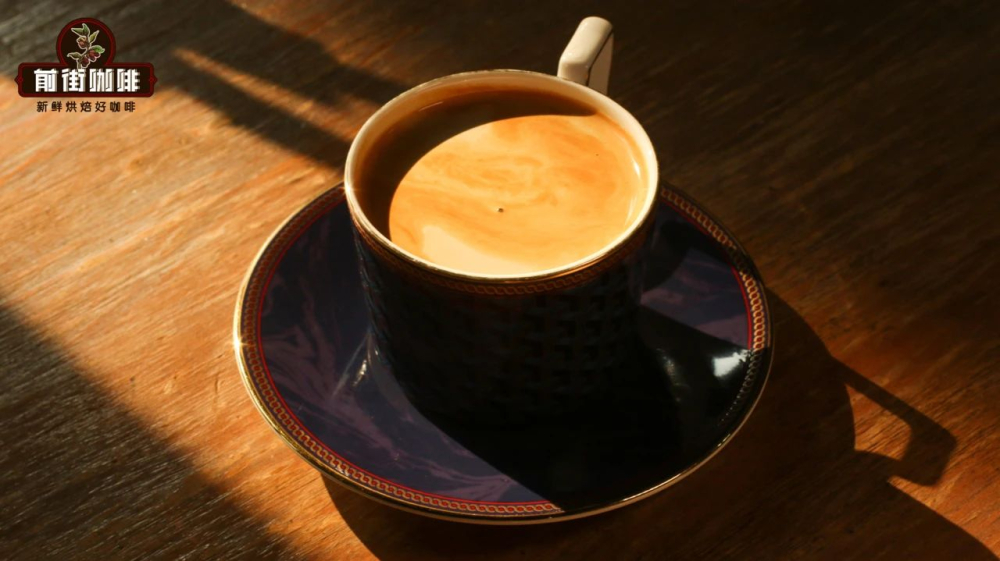
There are two common methods for making Americano: one involves pouring water first and then adding the espresso, which is usually called a Long Black; the other is pouring the espresso first and then adding hot water, which is the familiar Americano. The two differ slightly in appearance and taste—the former preserves a more intact crema layer, while the latter, because the water touches the cup first, results in a more even flavor.
The origin of Americano can be traced back to the period after World War II when American troops stationed in Southern Europe, unaccustomed to the strong local espresso, diluted it with warm water, gradually forming this more approachable way of drinking. Since this beverage became popular largely through American soldiers, it came to be known as “Americano.” Additionally, American households have long preferred using drip coffee machines to brew lighter coffee, which also indirectly contributed to the acceptance of Americano. With global promotion by brands like Starbucks, it has become a standard offering in coffee shops around the world.
Regarding the question of whether a dark, diluted coffee can be made by prolonged extraction using an espresso machine, opinions in the industry vary. Traditionalists believe that overly long extraction times lead to over-extraction, releasing excessive impurities and caffeine, which negatively affect the overall flavor. However, some cafes, especially in places like Australia, commonly use this method, arguing that as long as it's well controlled, it doesn’t differ much compared to other long-extraction devices such as French presses or siphon pots. That said, coffee made with longer extraction times usually contains higher caffeine levels, which consumers should be particularly aware of.
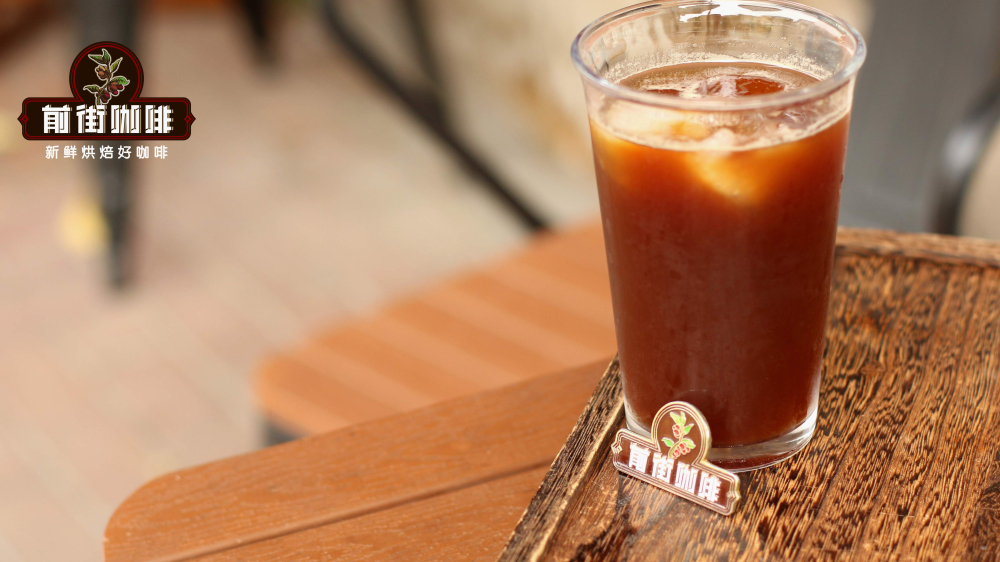
When making Americano, getting the proportions right is crucial. It is generally recommended to maintain a ratio of espresso to water between 1:6 and 1:8, adjusted according to personal taste. For example, if using 40 grams of espresso liquid, a hot Americano can include 240 grams of hot water to achieve the golden ratio of 1:6. This concentration showcases the layers of the coffee without sacrificing smoothness. For iced Americano, because ice cubes increase the total volume, a ratio of 1:7 is suggested—for instance, 40 grams of espresso mixed with 280 grams of ice-water mixture (approximately 180 grams of ice and 100 grams of water), helping to maintain a good flavor balance.
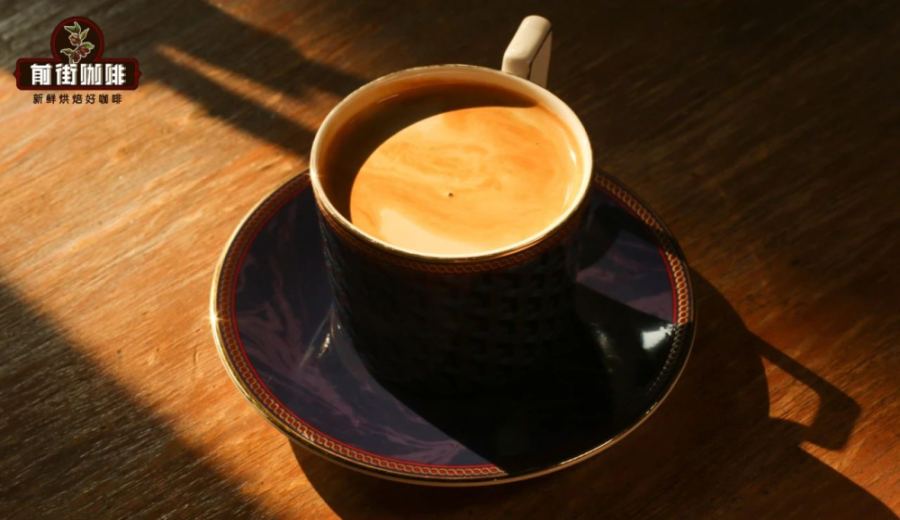
Another detail worth exploring is the handling of coffee crema. The crema often seen on the surface of hot Americano is a delicate foam layer formed by the combination of carbon dioxide and fats under high-pressure extraction of espresso. While this layer can enhance the richness of texture and intensity of aroma, it may also bring some off-flavors. Some baristas choose to skim off the crema to make the coffee taste smoother and cleaner, whereas retaining the crema can provide a fuller body and longer aftertaste. Practical tests show that Americano without crema is usually crisper and better suited for those who prefer a clean flavor profile; if a richer taste is desired, it is recommended to keep the crema layer.
No matter which method you choose, making Americano is full of adjustable and enjoyable details. From the extraction parameters of the espresso, fine-tuning the ratio, to whether or not to retain the crema, each step influences the final flavor expression. For coffee enthusiasts, understanding these elements not only enhances the tasting experience but also helps one better appreciate the technique and artistry behind this classic drink.
In summary, although Americano may seem simple, its preparation involves a wealth of professional knowledge and subtle techniques. Whether you’re a beginner or someone with a fair understanding of coffee, mastering the ratio of espresso to water, understanding the differences between various methods, and recognizing the impact of crema on flavor will all help you better enjoy the charm of this cup of coffee.
The above content is compiled by CoffeeHunters, a coffee news website.


