







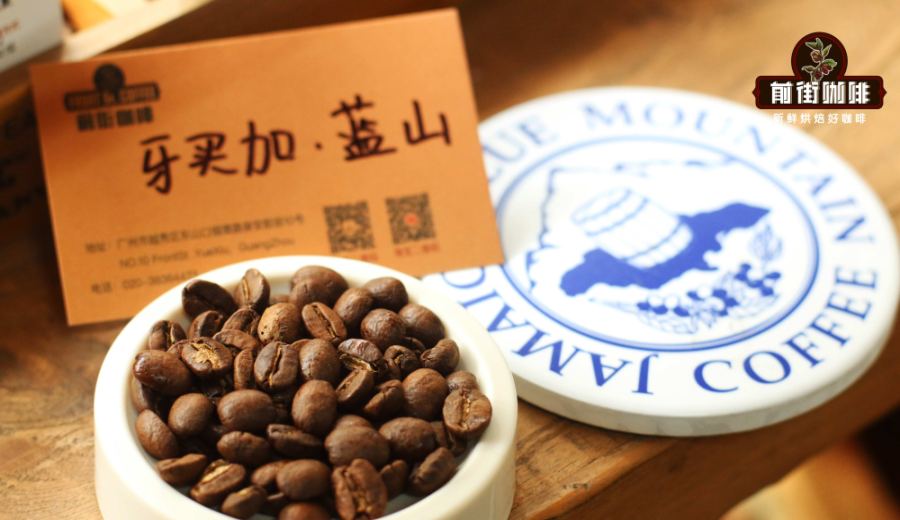
Introduction:Jamaican Blue Mountain coffee is hailed as one of the world’s most premium specialty coffees, but what truly sets it apart from the many imitations on the market? This article delves into the history, the three official growing regions, the official grading system, processing methods, and the flavor differences between the two processing styles—washed and natural—of the authentic Blue Mountain No. 1. It also provides expert-level pour over parameters and techniques to help coffee enthusiasts identify the genuine product and master the optimal way to enjoy it.
For a long time, Blue Mountain coffee has been regarded as the pinnacle of specialty coffee, with its very name exuding a sense of luxury. But are all products on the market labeled “Blue Mountain” truly from the authentic region? Why is genuine Jamaican Blue Mountain coffee so expensive and why does it possess such a unique flavor profile? This article will take you through the full picture of this top-tier coffee—from its origin background, variety sources, grade classification, processing techniques, to practical brewing suggestions.
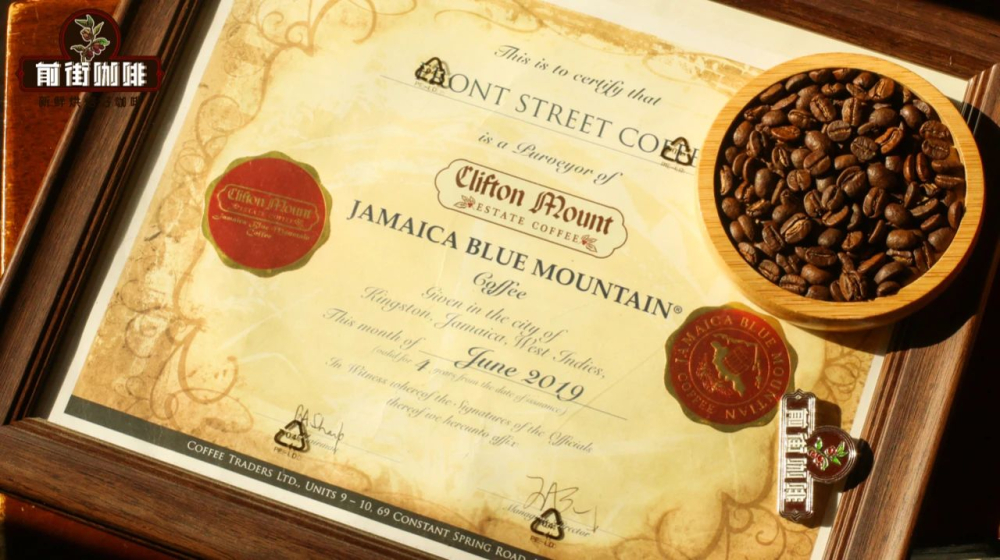
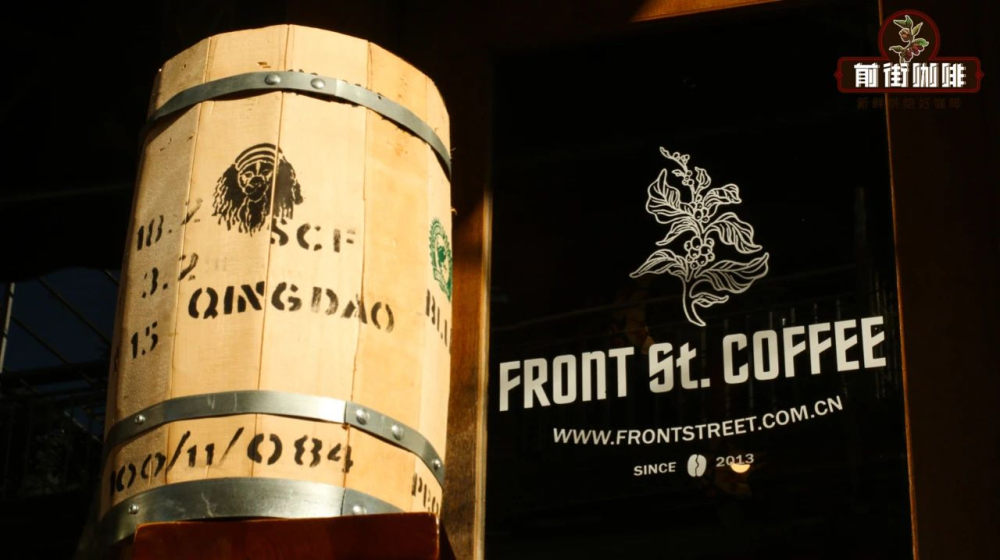
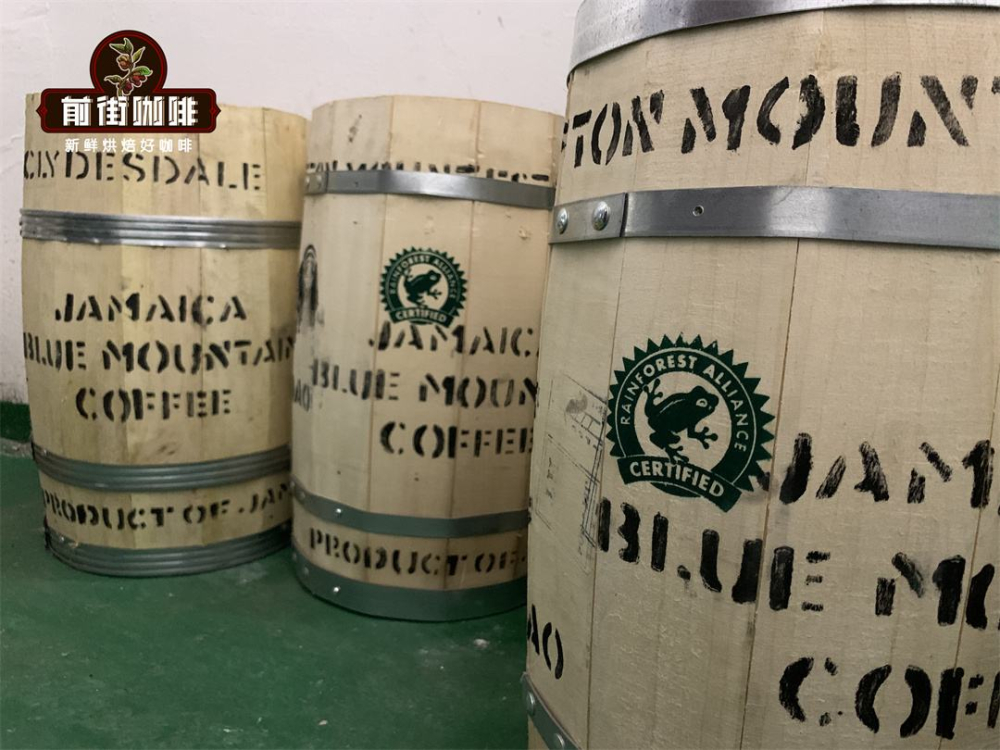
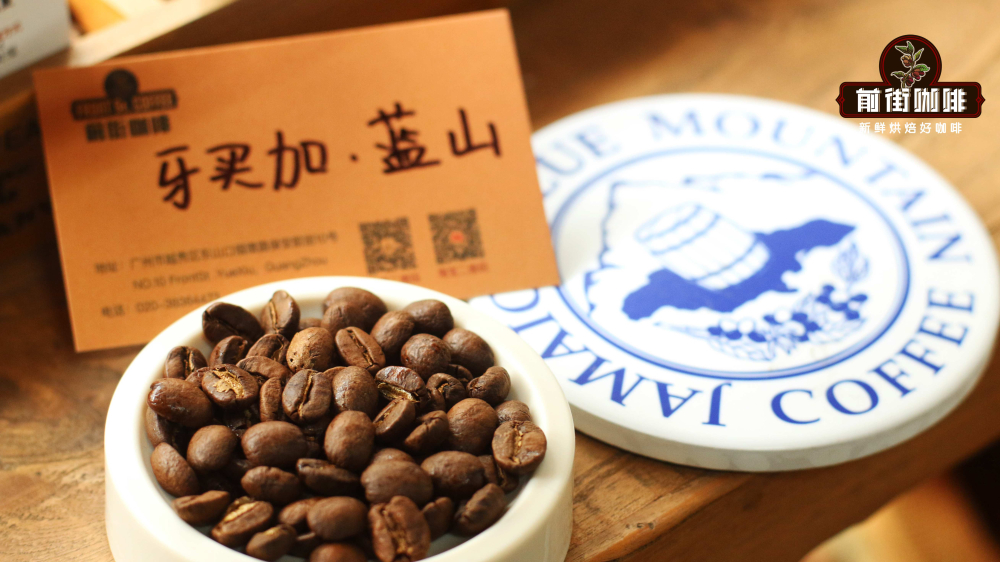 First, the price of Blue Mountain coffee reflects not just brand effect, but also strict quality control and regional restrictions. For example, trustworthy authentic Blue Mountain coffee costs about 60 RMB per cup or around 158 RMB for 100 grams, allowing you to enjoy an exceptionally balanced and refined flavor. Its value is backed by official certification—each batch of Blue Mountain coffee comes with a certificate issued by the Jamaica Coffee Industry Board (CIB) to ensure its pure origin. Moreover, some premium Blue Mountain beans, such as those produced by the Clifton Estate, even carry Rainforest Alliance certification, with the green frog logo printed on the wooden barrels. This is a unique packaging feature in Jamaica, found nowhere else in the world.
In the past, the Jamaican government mandated that Blue Mountain coffee be roasted locally to maintain consistent quality. However, with today’s global consumers placing higher emphasis on freshness, green bean exports are now permitted. After all, the flavor of roasted coffee beans gradually deteriorates over time, and brewing them as soon as possible ensures the best experience. Understanding this can also help consumers make smarter purchasing decisions.
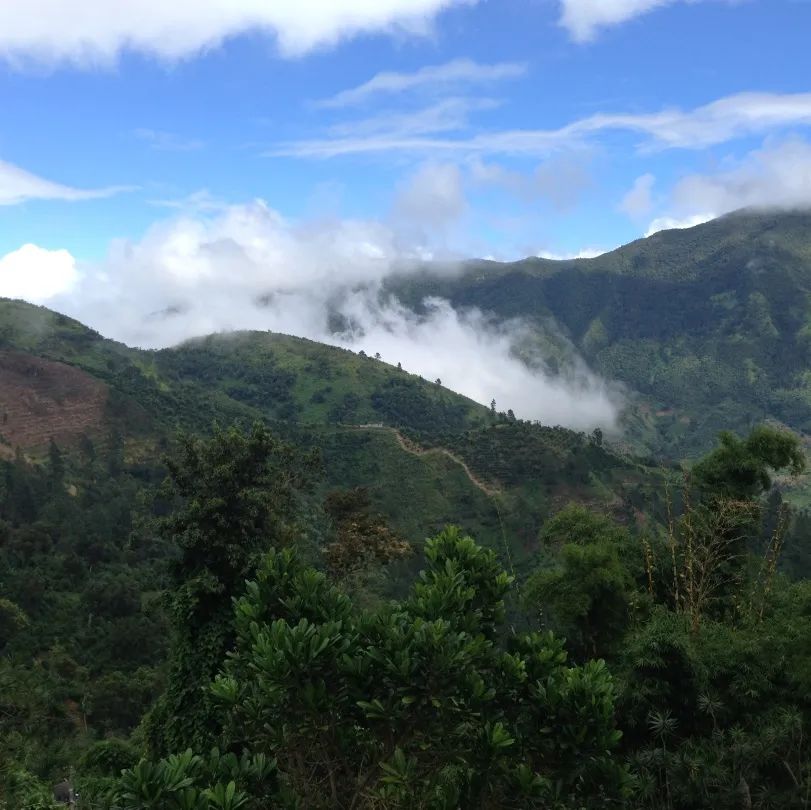
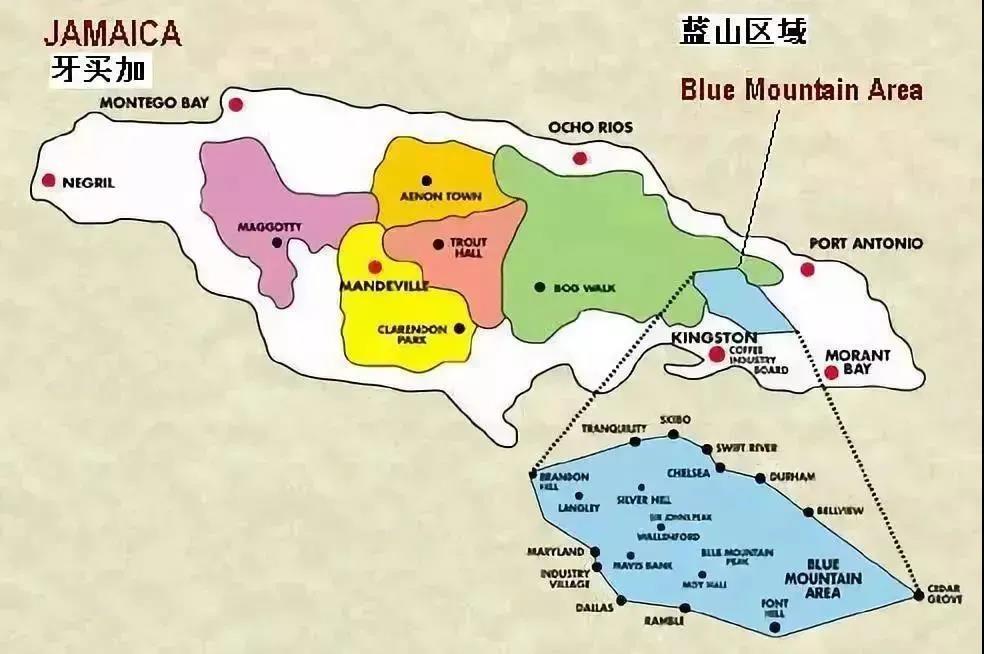
 The growing region for Jamaican Blue Mountain coffee is extremely limited, with only about 6,000 hectares of land on the entire island dedicated to cultivating genuine Blue Mountain coffee. These are divided among three official growing regions: St. Andrew, Portland, and St. Thomas. In addition, there are 12,000 hectares used for cultivating high mountain coffee and regular Jamaican coffee. Blue Mountain coffee is further subdivided into different grades based on altitude, with Blue Mountain No. 1 representing the highest quality. It is grown in steep mountainous areas above 1,000 meters altitude, not only making it rare in production, but also benefiting from microclimates and soil conditions that create an irreplaceable flavor structure.
Within the Blue Mountains, notable estates include Wallenford Estate, Silver Hill Estate, and Atlanta Estate in Marthington. Although these estates are relatively large by local standards, they are still considered small farms by international standards and are mostly family-run—some have even been in operation for over 200 years. This legacy and deep familiarity with the land are also key reasons why Blue Mountain coffee maintains its consistently high quality.
Jamaica is the only country in the world with a dedicated government agency managing coffee production and quality—the Jamaica Coffee Industry Board (CIB), which falls under the Ministry of Agriculture and Fisheries. The CIB is responsible for comprehensive oversight, including planting techniques, processing procedures, quality inspections, and brand maintenance. The board’s members are primarily operators of estates with 50 hectares or more, ensuring that both policies and execution focus on preserving the reputation of Blue Mountain. According to CIB regulations, only coffee grown at altitudes of 2,200 feet (approximately 666 meters) or above and meeting strict green bean standards can be labeled as “Jamaican Blue Mountain Coffee.”
 The official grading system for Blue Mountain coffee is divided into four main categories: Blue Mountain Coffee, Jamaica High Mountain Supreme, and Jamaica Prime Coffee Beans, with each category further subdivided based on bean size, defect rate, and processing method. Among them, Blue Mountain Coffee is further divided into NO.1, NO.2, NO.3, and Peaberry (abbreviated as PB).NO.1 is the highest grade, requiring a bean size of 17 or above, a defect rate below 3%, and a moisture content of approximately 13%. It is the rarest in production, offering an ultimate balance and refined flavor expression.
Specifically, the standard for Blue Mountain No. 1 is 17/18 mesh, with a defect rate not exceeding 2%; Blue Mountain No. 2 is 16/17 mesh, also maintaining a defect rate within 2%; High Mountain Coffee is divided into High Mountain No. 1 and No. 2, with quality just below the Blue Mountain series; Jamaican Coffee is produced outside the Blue Mountain range and, while not authentic Blue Mountain, still possesses its own unique flavor. These gradings are not just market distinctions but also guarantees of quality and flavor.
In terms of variety, Jamaican Blue Mountain coffee uses the Typica variety, one of the oldest Arabica sub-varieties. Typica trees are tall with bronze-colored leaves and produce small coffee cherries, but with clear flavors. This variety boasts elegant aromas and a balanced sweet-and-acid profile, but suffers from low yield, weak disease resistance, and susceptibility to pests and diseases—another reason for the high cost of Blue Mountain coffee. Ripe Blue Mountain coffee cherries are bright red, similar in appearance to cherries, but the flavors inside are incredibly rich.
The processing method for Blue Mountain coffee has long been predominantly washed. Traditional washed processing requires the use of flowing water for fermentation to first remove the pulp and flesh, then microbial fermentation to break down the mucilage layer, followed by thorough rinsing with clean water and long-term drying. The whole process is complex and demands high environmental and technical standards.Starting in 2020, the Blue Mountain region also introduced a small quantity of naturally processed Blue Mountain No. 1, breaking away from the previous single washed tradition, bringing more layers and variation to the flavor.
The imported Blue Mountain No. 1 is offered in both washed and natural versions. The washed version features a clear profile of dark chocolate and nutty tones, with a rich mouthfeel and balanced acidity and sweetness; the natural version adds a slight berry-like acidity, such as dark plum and mulberry, along with fermentation aromas, and a finish that carries a strong dark chocolate and nutty flavor. It suits coffee lovers who prefer a bolder expression.
In terms of brewing recommendations, since Blue Mountain coffee is usually roasted to a darker degree, to avoid over-extraction, it is recommended to use a lower water temperature (around 88°C) and a slower-flow filter such as the Kono dripper. Specific parameters are as follows: 15 grams of coffee, 1:15 coffee-to-water ratio, medium grind (75% passing rate through a Chinese 20-mesh sieve). Use a three-stage extraction—first blooming with 30 grams of water for 30 seconds, then pouring in small streams to reach 125 grams, and finally continuing to 225 grams, with the total extraction time controlled to around 2 minutes.
 Finally, remember to ensure the coffee beans are freshly roasted (ideally used within 5 days of roasting) and allowed to degas for 4–7 days to achieve the best flavor performance. After extraction, gently swirl the coffee in the server to evenly distribute the concentration, and then enjoy this premium coffee from the peaks of the Jamaican mountains.
The above content is compiled by CoffeeHunters, a coffee news website.


