







Introduction:Want to easily make delicious cold brew coffee at home but don’t know where to start? This article explains the basic method of making cold brew, the recommended coffee-to-water ratio, suggested coffee bean types, and flavor characteristics. It also answers common questions such as whether special equipment is needed, the difference between cold brew and cold drip, caffeine content, and more. Without expensive gear, just master the key steps and you can enjoy low-acidity, smooth, and layered cold brew coffee.
Making a memorable cup of cold brew coffee is actually quite simple, and there are many methods—from the time-consuming cold drip to instant pour-over iced coffee, to the increasingly popular cold steeping method (also known as Cold Brew, or cold brew coffee). Although the names differ, they all essentially extract coffee flavors through low-temperature immersion. This article will take you deeper into the key points of making cold brew, its benefits, and how to choose the right coffee beans.
To make cold brew coffee at home, you don’t need professional-grade cold brew makers or expensive coffee equipment. In fact, just the most basic containers and tools readily available can get the job done. The most crucial factors are selecting the right coffee beans and mastering the appropriate coffee-to-water ratio. Even if you’re new to coffee, just follow the correct steps and you can easily get started, enjoying your own unique cold brew flavor.
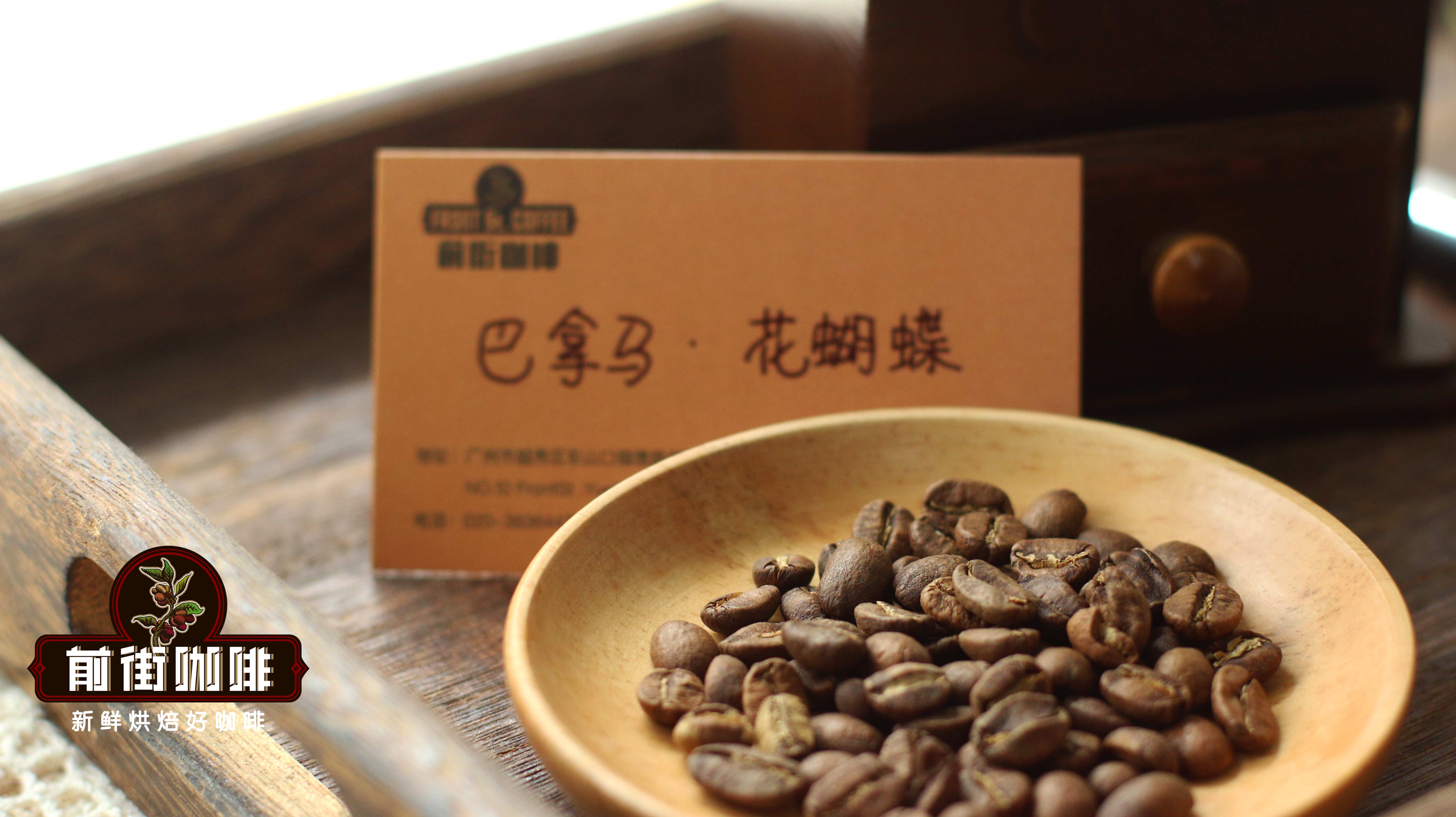
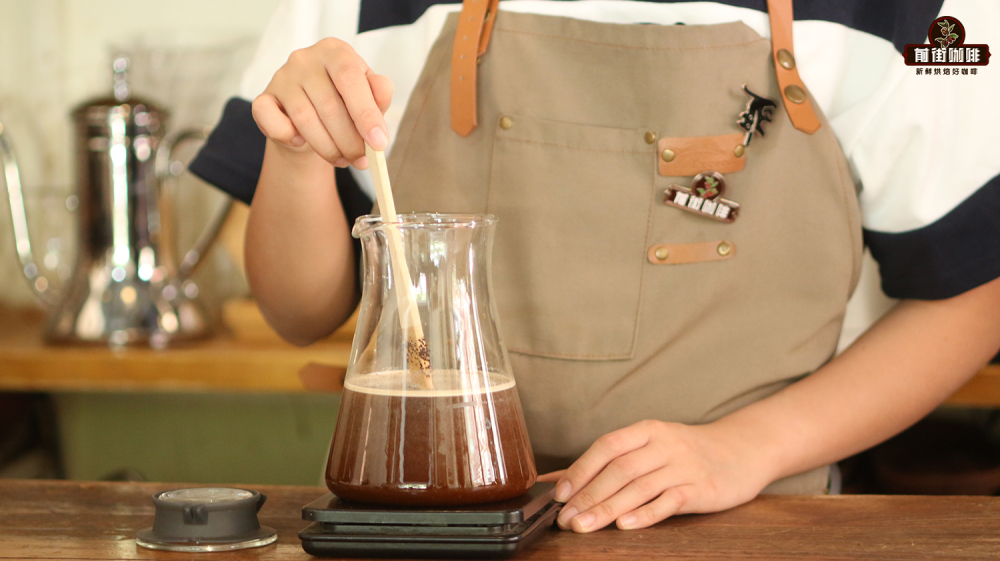
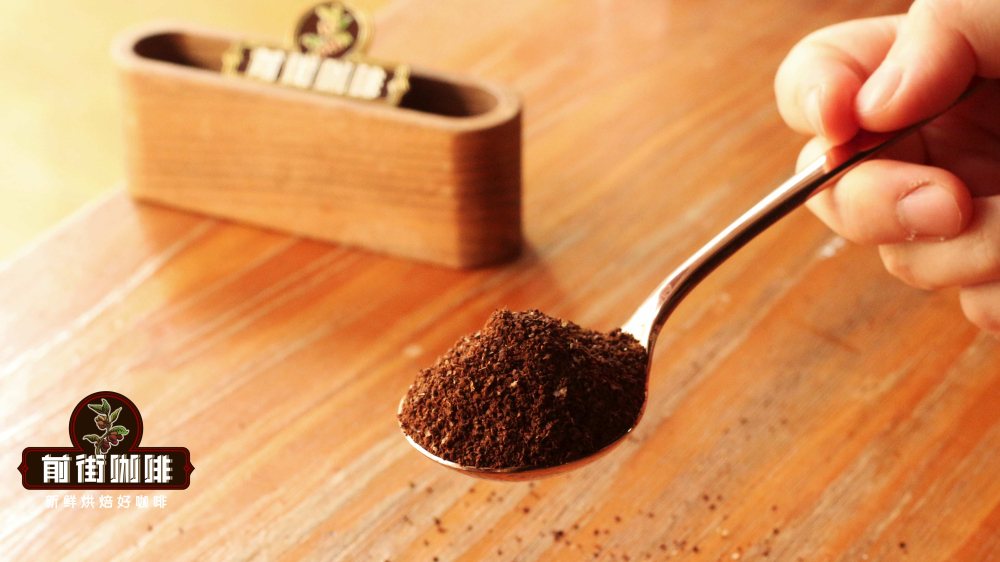
First, prepare about 50 grams of medium-dark or blended beans (such as the commonly used Hua Hudie variety), grind them to a relatively coarse consistency, similar to sea salt in size. This grind size helps achieve a smooth, non-bitter coffee liquid after long immersion. Then, put the ground coffee into a clean, airtight container, add 500 milliliters of room-temperature water—preferably filtered or purified to reduce impurity interference. Seal it tightly, gently shake to mix, then place it in the refrigerator for 12 to 14 hours to allow the coffee to slowly release its flavors in a low-temperature environment.
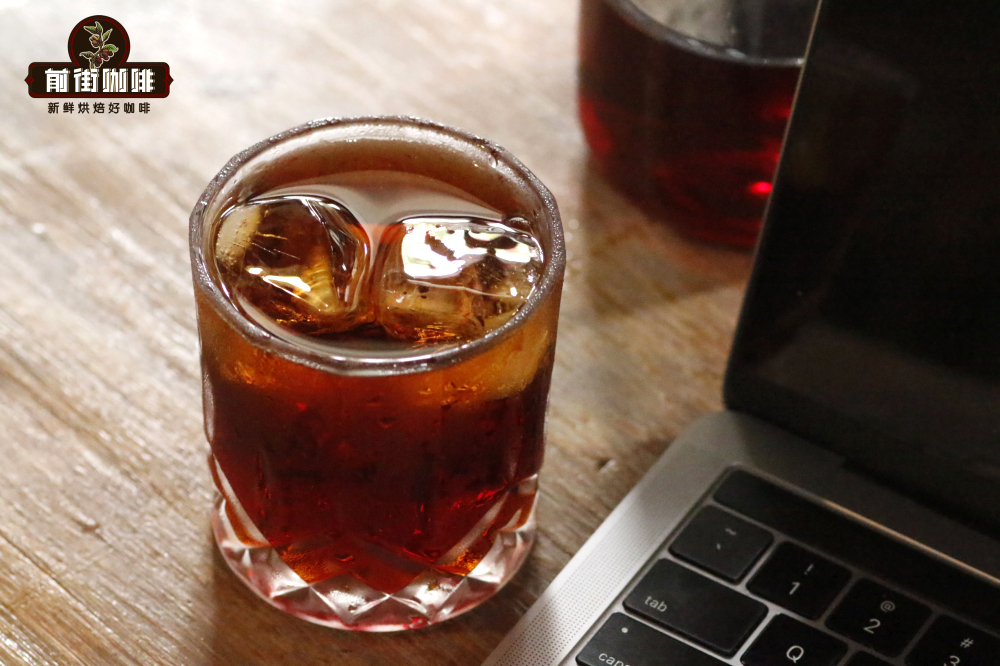
Once the time is up, use filter paper or a fine mesh strainer to remove the coffee grounds. The resulting coffee liquid is not only aromatic but also has a unique fruity acidity and richness. This 1:10 ratio (coffee grounds to water) fully extracts the water-soluble aromatic compounds in the coffee, making the flavor more dimensional. If it’s too strong, you can add ice cubes to adjust the concentration and mouthfeel, suitable for direct drinking or as a base for mixed drinks.
Cold brew coffee has many benefits, the most obvious being that it retains more water-soluble aromatic compounds. Compared to traditional hot brewing, the aroma is closer to what you smell when grinding the beans, resulting in a more complete flavor.In addition, because less bitter and astringent substances are released during the low-temperature extraction process, the overall taste is smoother, lower in acidity, and even carries a hint of fermented wine-like aroma, making it very suitable for those who enjoy a refreshing yet layered drink.Making it yourself at home not only costs less, but also allows flexible use of the coffee beans you already have at home, reducing waste. The filtered coffee grounds also serve as a natural deodorizer, useful for refrigerators or bathrooms, or even as great material for garden compost.
Q: Are store-bought cold brew coffee packs really effective?
Although store-bought cold brew packs are convenient, the coffee powder inside is usually pre-ground. Over time, the aroma can easily dissipate, resulting in a final flavor that is less vibrant and rich compared to freshly ground and brewed versions. If you’re aiming for the best flavor, it’s recommended to choose freshly ground beans and brew them yourself.
Q: Can cold brew coffee be left overnight?
As long as it is stored properly—in an airtight jar or covered glass container and refrigerated—cold brew coffee can last for several days without affecting the flavor. It is recommended to consume it within 3 days for the best taste.
Q: Is cold brew coffee too acidic?
The acidity of cold brew coffee is related to the roast level of the coffee beans used. Light roast beans typically have brighter acidity. If you prefer a lower-acidity taste, it is recommended to choose medium-dark roast, wet-hulled, or monsooned beans, which naturally have lower acidity and can better showcase richness and sweetness.
Q: Is the caffeine content in cold brew coffee high?
The caffeine content mainly depends on the type of beans used and their caffeine content before roasting. Generally speaking, cold water extraction may result in slightly less caffeine than hot water brewing, but it still has an energizing effect and is suitable for those who enjoy the flavor of coffee but want slightly reduced stimulation.
Q: How coarse should the grind be for cold brew?
It is recommended to use a grind similar to that for pour over, roughly around 65% passing through a #20 sieve. Too fine can lead to over-extraction and bitterness, while too coarse may result in under-extraction and affect flavor expression.
Q: What is the difference between cold brew and cold drip?
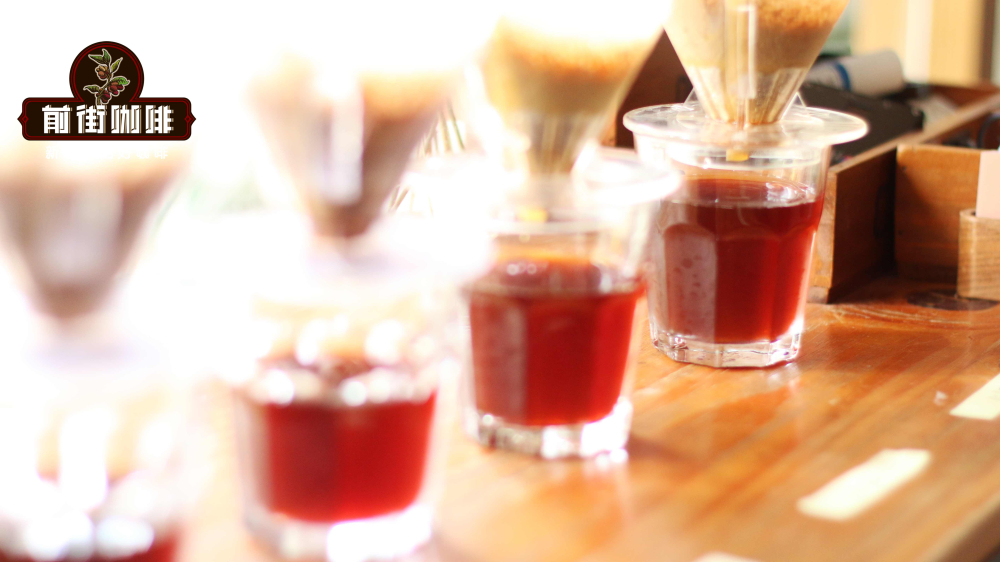
Cold drip coffee involves slowly dripping cold water drop by drop onto coffee grounds for extraction, a process that can take several hours. It often results in a more fermented and complex flavor. Cold brew coffee, on the other hand, involves steeping coffee grounds in cold water and refrigerating them together. Its flavor is relatively softer and rounder, and it is easier to make at home.
Q: Which coffee beans are suitable for cold brew?
Almost all coffee beans can be used for cold brew—the difference lies in the final flavor profile. It’s recommended to choose based on personal preference. For example, if you like fruity notes, you can go for Ethiopian beans; if you prefer body and richness, consider beans from Central and South America or Indonesia. The greatest advantage of making it yourself is being able to adjust according to your own taste and find the one that suits you best.
The above content is compiled by CoffeeHunters, a coffee news website.

