







Introduction:Want to understand the unique charm of cold brew coffee? This article delves into the key differences between cold brew and iced coffee—from low-temperature extraction principles to suitable coffee bean types—offering professional flavor descriptions and practical brewing tips. Whether you're a beginner or a coffee enthusiast, you’ll find a cold brew method that suits your taste and learn how to store it properly to extend its delicious life.
The Unique Extraction Principle of Cold Brew Coffee
Cold brew coffee uses room temperature or ice water for long-duration, low-temperature extraction, typically requiring an immersion period of 8–12 hours. This extraction method stands in stark contrast to common hot water brewing (82–95°C), effectively reducing the release of tannins and bitter substances, resulting in a smoother taste experience.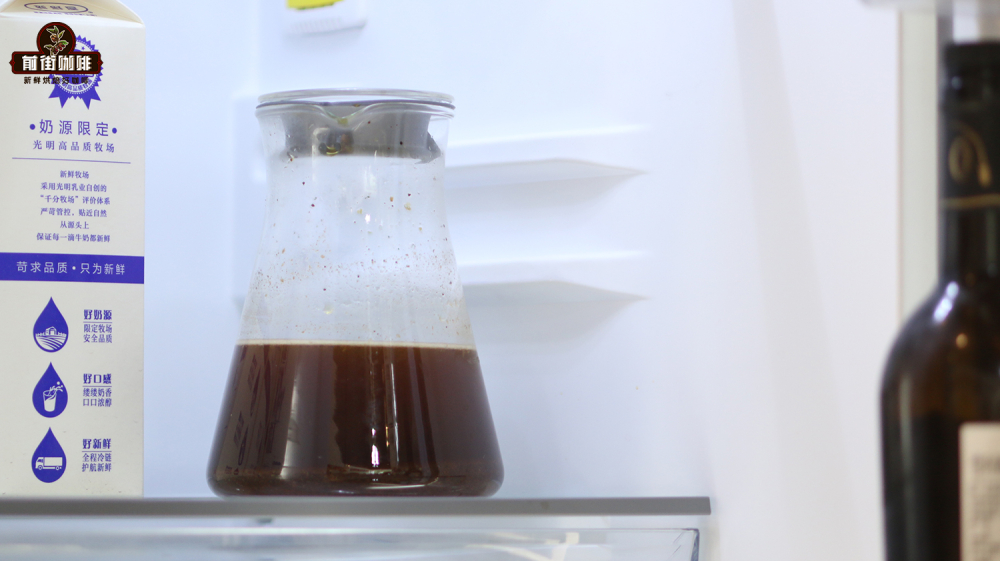 " alt="Comparison diagram of cold brew and hot brew" />
Noticeable Differences on the Flavor Wheel
Due to the low-temperature environment suppressing the excessive release of acidic compounds, cold brew coffee presents a softer balance of acidity and sweetness. Its flavor wheel characteristics often feature a bright fruity base note paired with a smooth sweet aftertaste, creating an interesting contrast to the intense flavor profile of high-temperature brewed coffee.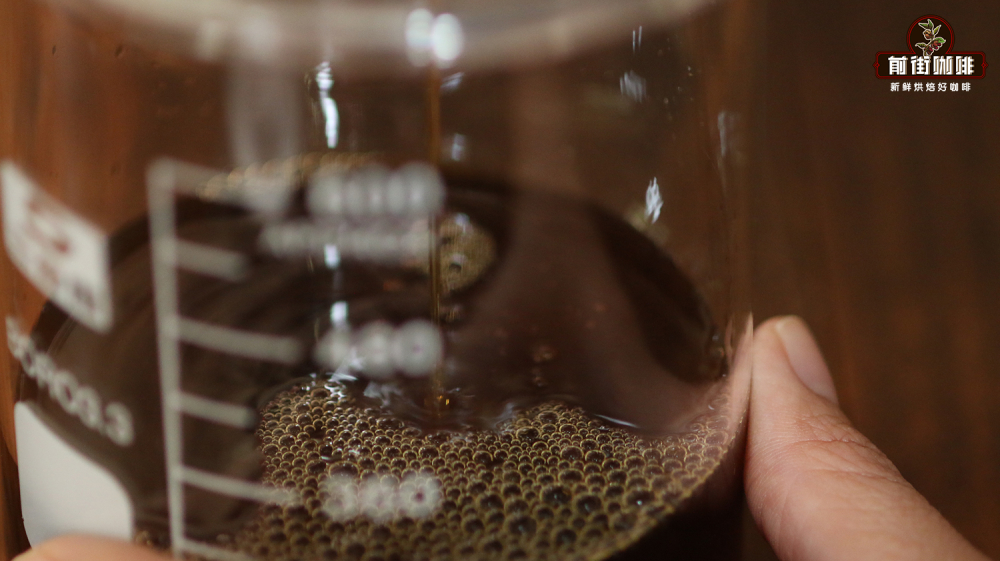 " alt="Chart showing the impact of extraction temperature on flavor" />
Characteristics of Coffee Beans Suitable for Cold Brew
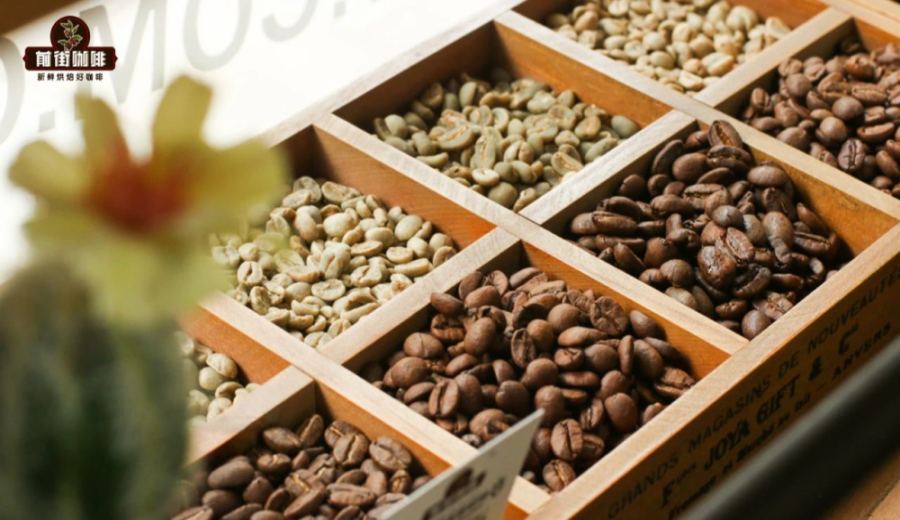
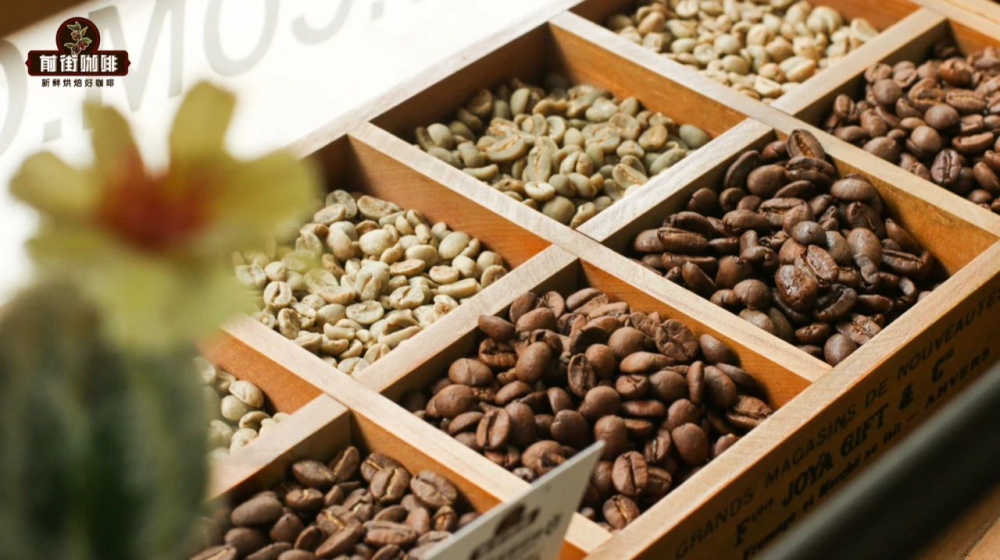
Coffee beans roasted to a light to medium or medium level can better highlight the advantages of cold brew. It is recommended to choose freshly roasted beans within 5 days of roasting. The citrus notes of light roast beans and the caramel aroma of medium roast beans can showcase more refined layers of complexity under low-temperature extraction.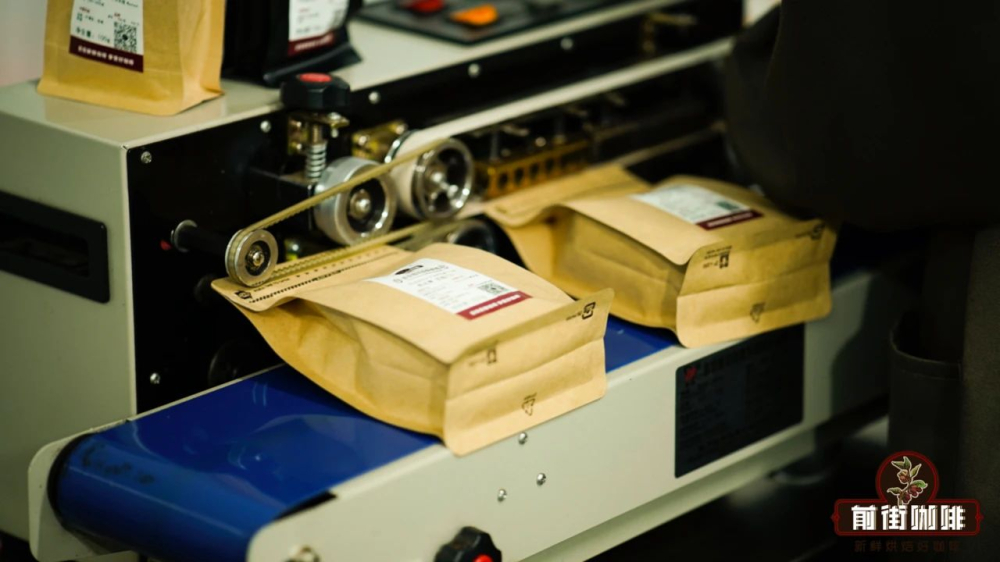 " alt="Diagram showing the relationship between coffee roast level and cold brew suitability" />
Flavor Analysis of Three Classic Bean Varieties
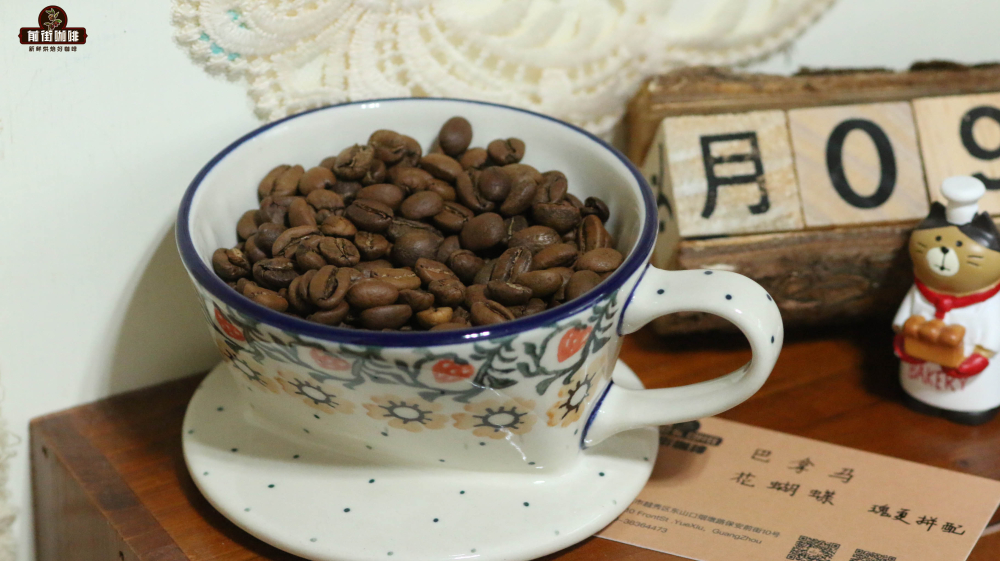
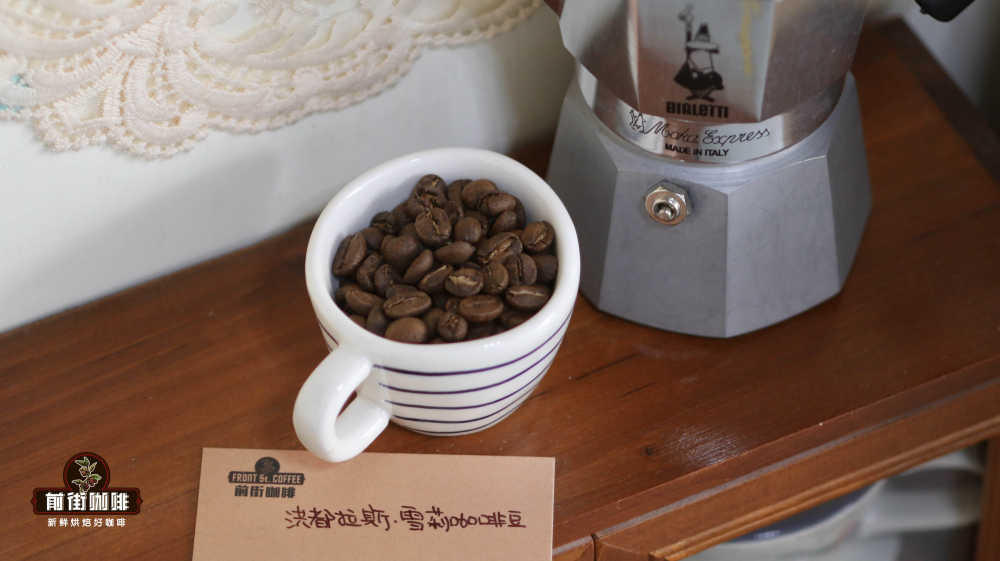
Ethiopian beans processed using the natural (sun-dried) method often deliver berry-like acidity and sweetness paired with a black tea-like finish; Panamanian washed blends exhibit a balance of citrus floral notes and green tea-like aftertaste; while beans fermented in whiskey barrels can release a unique combination of whiskey aroma and hazelnut sweetness when brewed as cold brew.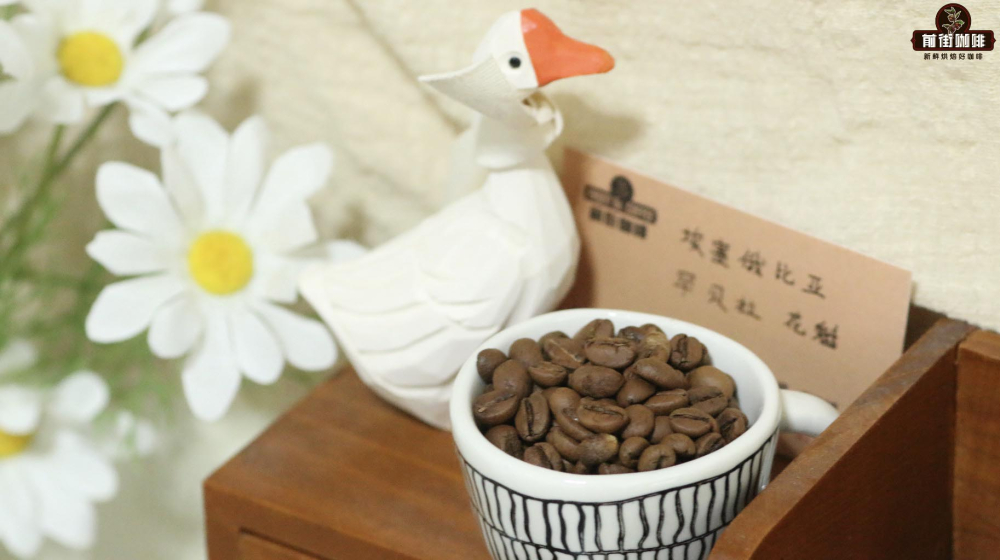 " />
 " />
 " />
Precise Single-Serving Brewing Process
Use a 200ml sealed glass container, with a coffee-to-water ratio of 1:10 (20g of coffee grounds to 200ml of cold water) as the baseline. It is recommended to use a medium-fine grind size (approximately 75% passing through a No. 20 sieve). Thoroughly stir the coffee grounds with room temperature or ice water, then refrigerate without shaking during the steeping period. After extraction, simply separate the coffee grounds using filter paper and enjoy.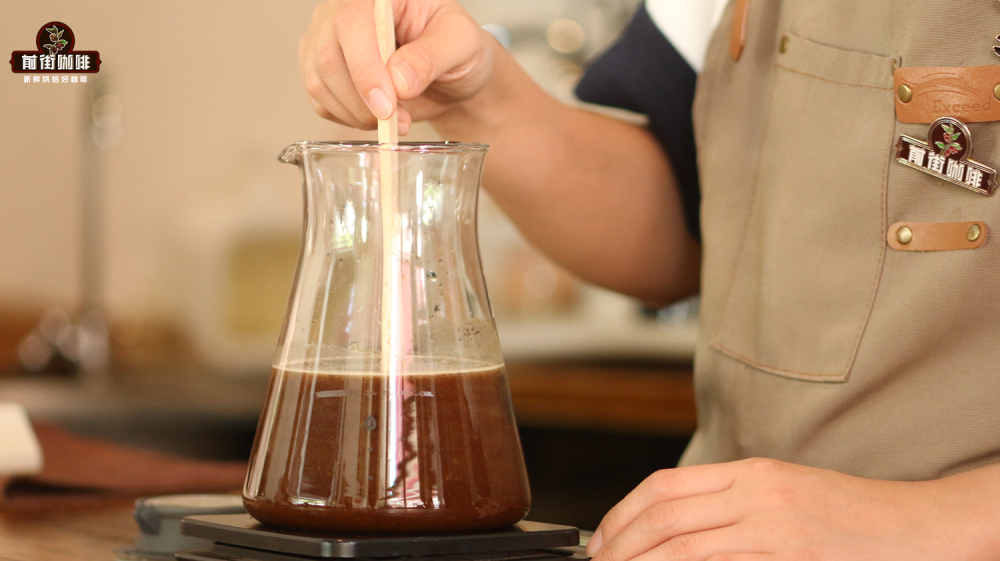 " />
Scientific Storage Recommendations
Although it’s commonly said to be storable for several weeks, in practice it is recommended to consume within 72 hours after filtration. Even under refrigeration, flavors may be affected by microbial contamination, especially in home refrigerators where other foods are stored, making hygiene management particularly important. If longer storage is needed, consider portioning and freezing, using within one week.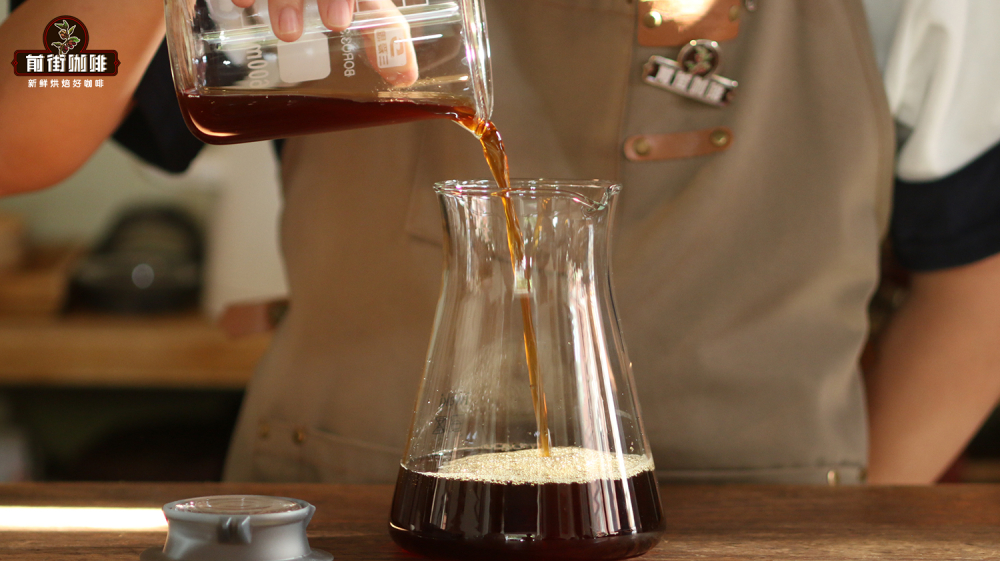 " />
The above content is compiled by CoffeeHunters, a coffee news website.

