








Introduction:Cold brew coffee has become the daily go-to choice for many coffee enthusiasts in recent years due to its low acidity, smooth taste, and easy preparation. This article details the unique flavor advantages of cold brew coffee, including its low acidity, sustained caffeine release, and potential metabolic benefits. It also provides a professional-grade home brewing method, offering clear recommendations on bean selection, grind size, coffee-to-water ratio, and steeping time in the fridge — helping readers easily recreate café-quality cold brew flavors at home.
Cold brew is one of the coffee brewing methods that doesn’t rely on high pressure or high temperature equipment. It extracts the essence of coffee through prolonged steeping at low temperatures, thereby offering many distinctive advantages. This brewing technique is not only simple to execute, but the low-temperature environment also suppresses the excessive release of tannins and acidic compounds, resulting in a taste experience that’s distinctly different from traditional hot-brewed coffee.
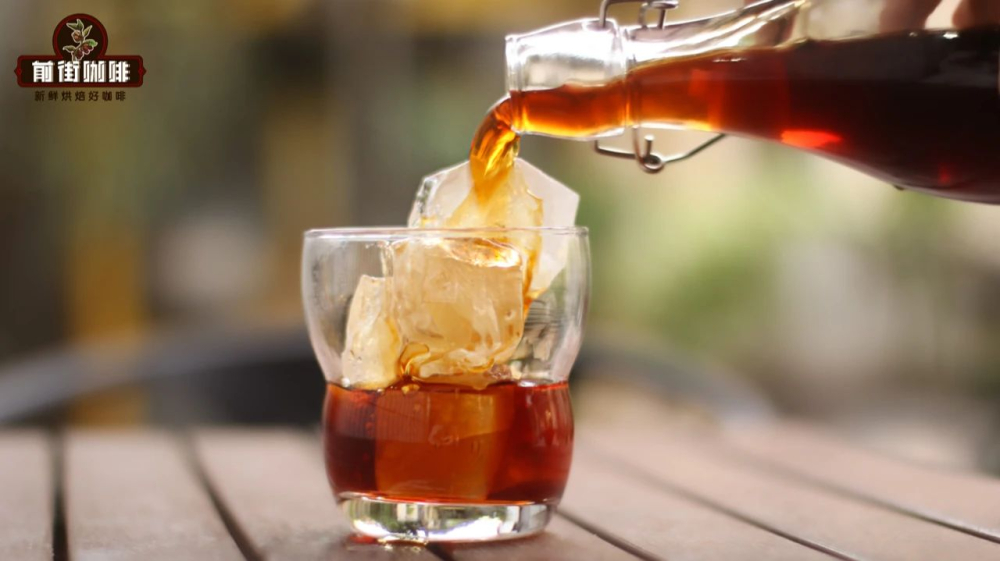
The foremost benefit is its abundant and stable caffeine content. Studies show that because the cold brew process involves steeping for several hours, water has more time to penetrate the coffee grounds and extract a variety of active compounds, including caffeine. The overall caffeine yield is generally higher than that of regular hot-brewed coffee, about two to three times as much. For those needing to stay alert for extended periods or seeking a strong caffeine boost, cold brew is undoubtedly an ideal choice.
Additionally, since cold brew is usually served as black coffee without added sugar or creamer, its natural acidity is relatively mild. Research indicates that the cold brewing process, conducted in a low-temperature environment, effectively suppresses the sharp acidic compounds that are more easily released at high temperatures, while preserving the molecules responsible for fruity aromas and sweetness. As a result, the overall taste often presents a smooth, soft, juice-like profile, making it especially friendly to consumers who are not accustomed to the sourness or bitterness of traditional coffee.
In terms of health management, caffeine itself can promote basal metabolic rate and calorie expenditure. Paired with the low stimulation characteristic of cold brew, it becomes a popular choice for athletes before or after workouts. It is especially recommended to drink during an appropriate time slot before training, as it can help enhance fat burning efficiency and support smoother progress in weight management plans.
When it comes to preparation, cold brew is arguably the easiest of all coffee brewing methods. All you need are coffee beans, cold water, a grinder, a sealable container, and a refrigerator — no expensive equipment is required. Simply mix the ground coffee with cold water at the recommended ratio, let it steep in the fridge for several hours, and then filter it simply before enjoying.
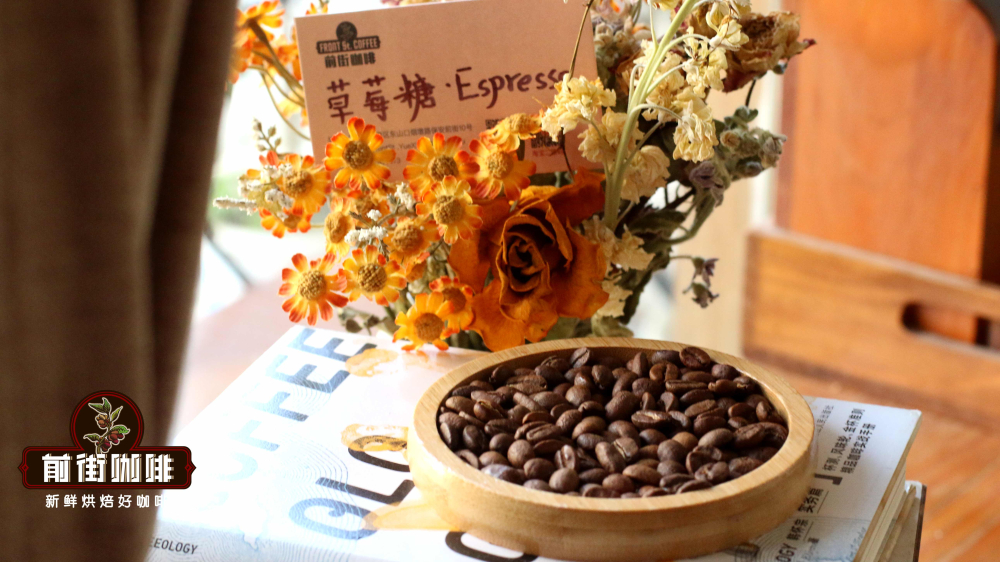
As for the professional preparation process in coffee shops, the first step is to select suitable coffee beans based on the desired flavor profile. If you prefer a refreshing fruity aroma and bright acidity, you can opt for lightly roasted beans, such as those with berry and citrus notes. If you want to emphasize fermented aromas and complex layers, it is recommended to choose specially processed beans with higher fermentation levels. For those who prefer a rich mouthfeel and deep berry flavors, medium-dark to dark roasts may be the better option.
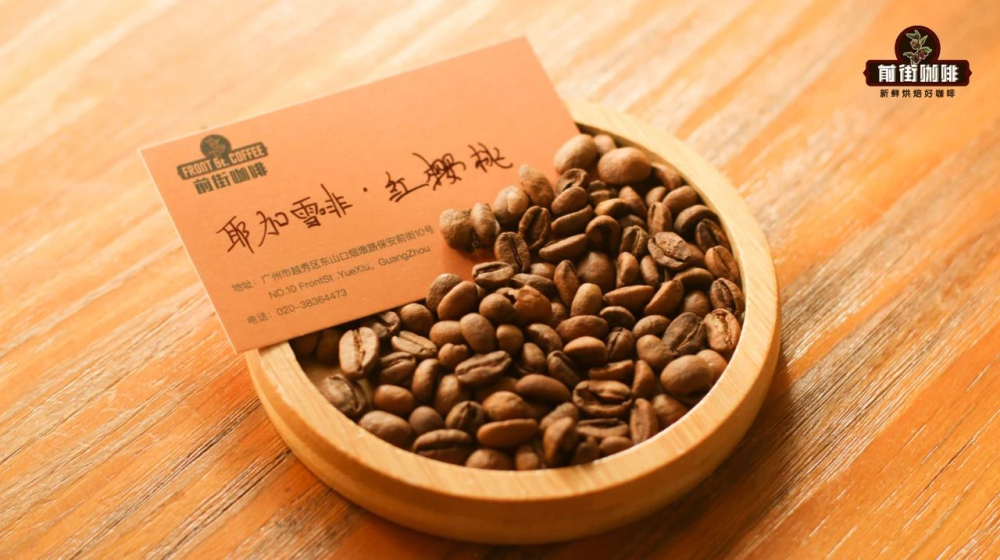
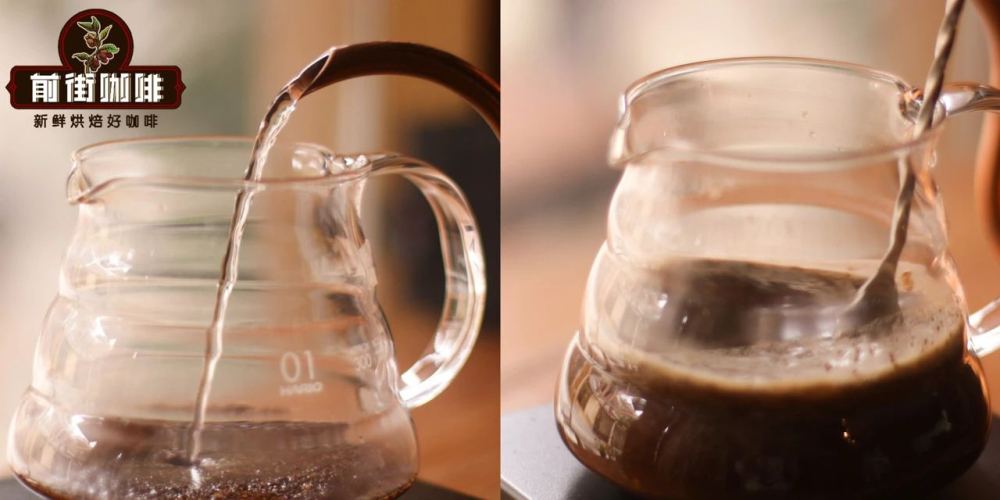
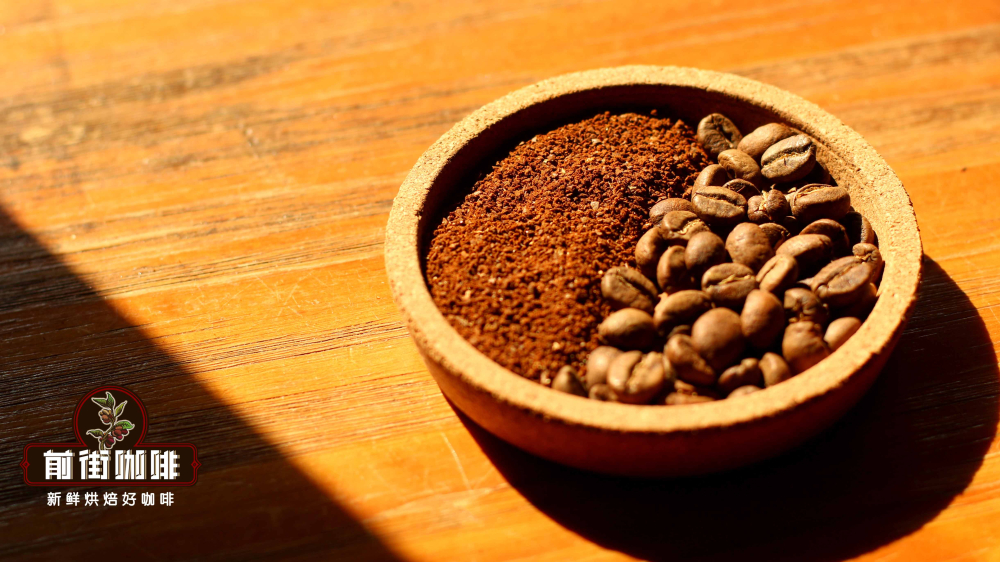
Taking an actual demonstration as an example, this recipe uses 80 grams of medium-fine ground coffee beans (recommended grind size close to Ek43’s 9th setting, or sugar-like fineness with 85% passing rate through a #20 sieve), paired with a 1:10 coffee-to-water ratio — that is, 80 grams of coffee beans to 800 milliliters of room temperature water. After grinding the coffee beans, place them in a sealable container, slowly pour in the cold water, and stir evenly to ensure each coffee particle is fully in contact with the water, which helps achieve balanced flavor release later on.
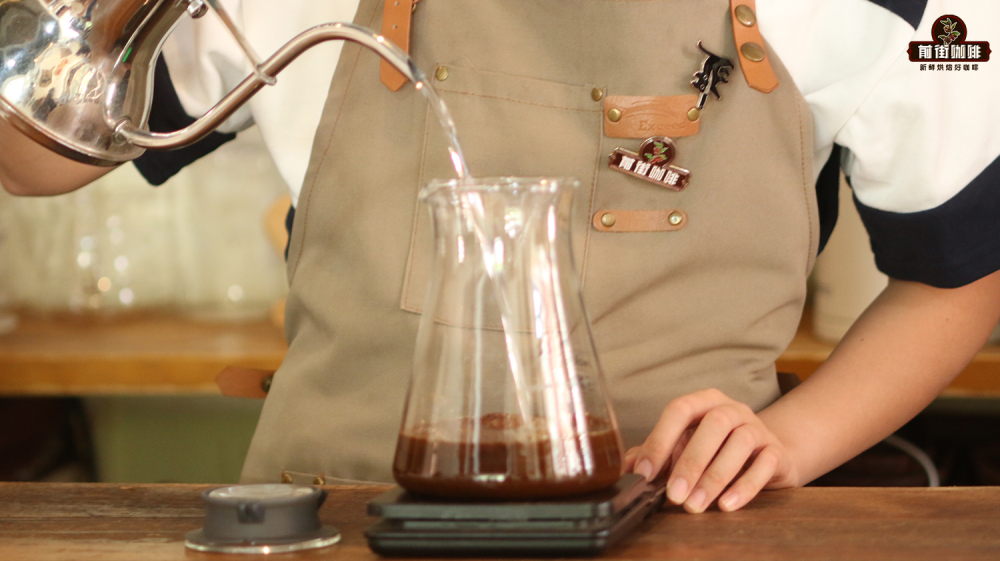
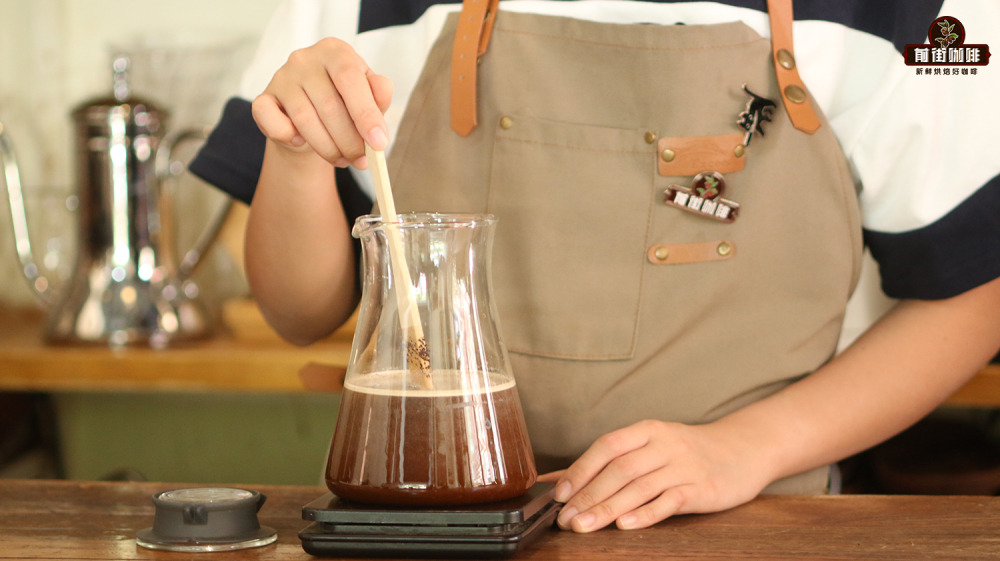
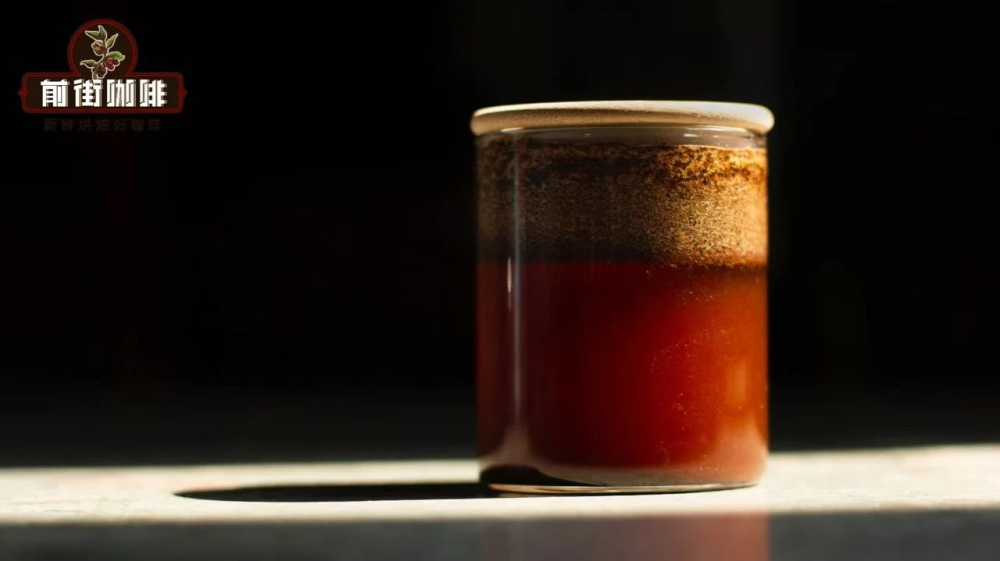
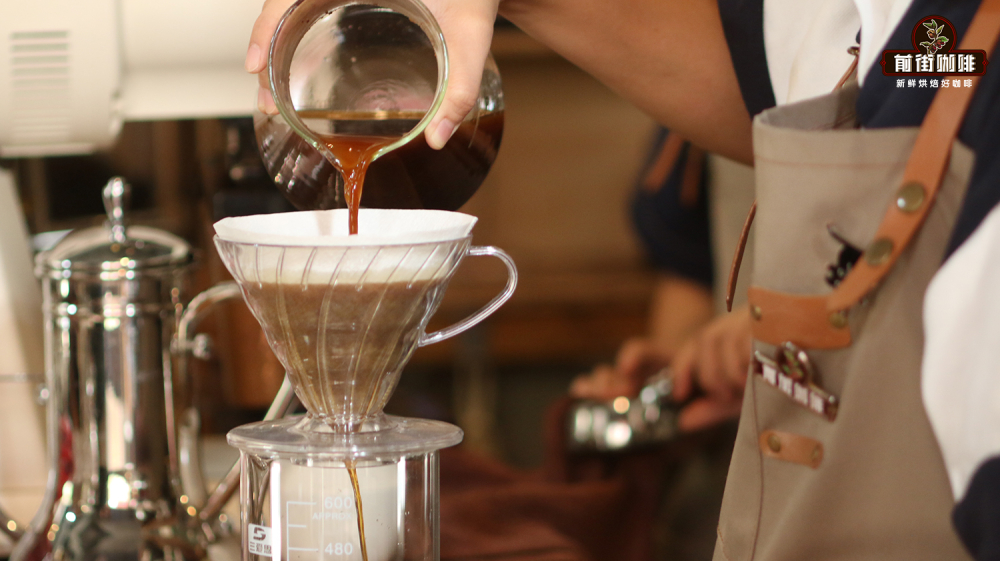
After stirring thoroughly, seal the container and refrigerate for at least 12 hours, allowing the coffee grounds to slowly release flavor compounds in the low-temperature environment. Once steeping is complete, use filter paper or a professional filter to separate the coffee grounds, and then pour out the clear, bright cold brew. The resulting cold brew often exhibits a rich, juice-like body, with a flavor profile that may include grape, berry, wine-like sweet-tart notes, and even subtle hints of lavender or violet floral aromas, delivering a layered tasting experience.
The above content is compiled by CoffeeHunters, a coffee news website.


