








Introduction:Many coffee enthusiasts often face the challenges of under-extraction and weak flavor when making cold brew. This article delves into the unique mechanisms of low-temperature extraction, compares the effects of different grind sizes and coffee-to-water ratios on concentration (TDS) through empirical data, reveals the key reasons behind the "clumping phenomenon" in cold brew, and provides professional-level adjustment strategies. It helps readers accurately master a complete set of solutions, from basic ratios to specialty applications.
When exploring methods to improve the extraction yield of cold brew coffee, many people intuitively believe that "the finer the grind, the higher the concentration." This rule of thumb, derived from hot water extraction, can actually backfire in low-temperature environments.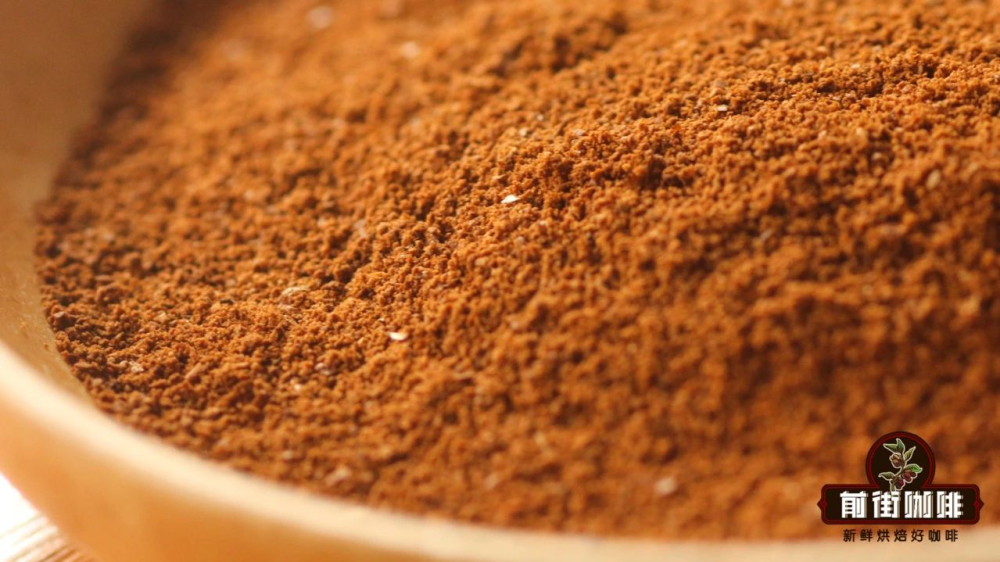
During hot water extraction, high temperatures accelerate molecular movement, and fine grinding increases the solid-liquid contact area. However, under the room temperature or low-temperature conditions of cold brew, the activity of water molecules is significantly reduced. Overly fine coffee grounds can easily form clumps, preventing internal particles from effectively contacting water.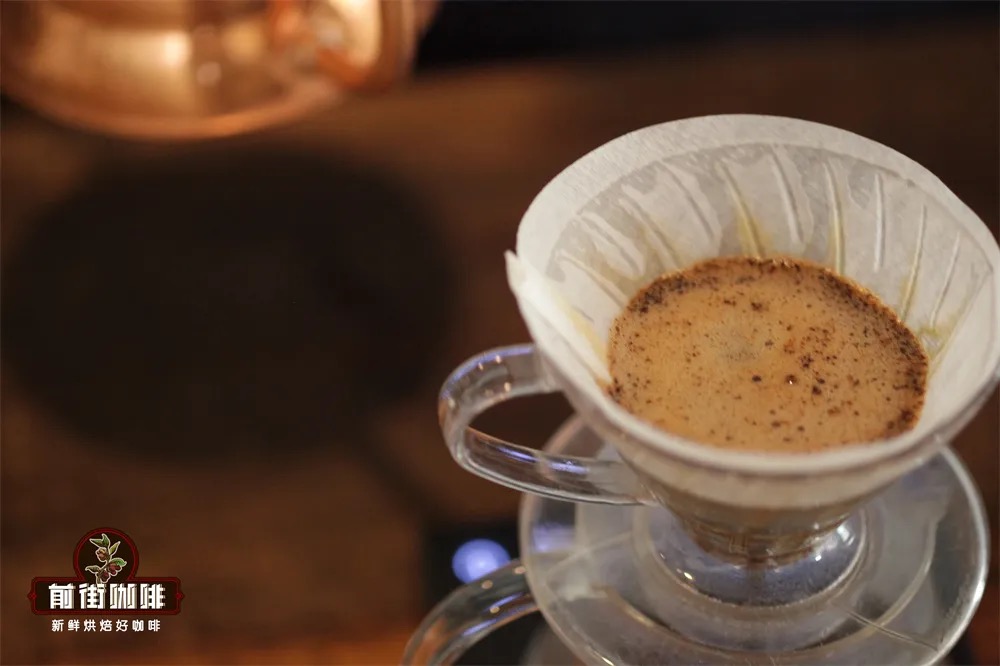 Observing the cold brew process, it can be seen that even with sufficient stirring, some coffee grounds remain clumped during the steeping period, leading to uneven extraction.
To verify the actual effects of different grind sizes, the experiment used coffee beans from the Gedeb Guji Yirgacheffe Kochere Cooperative in Ethiopia. With a coffee-to-water ratio of 1:10 (30g coffee grounds), the same water quality and container, and a 16-hour refrigeration period, two grind settings were tested: EK43s#9 (fine grind) and EK43s#10.5 (coarse grind).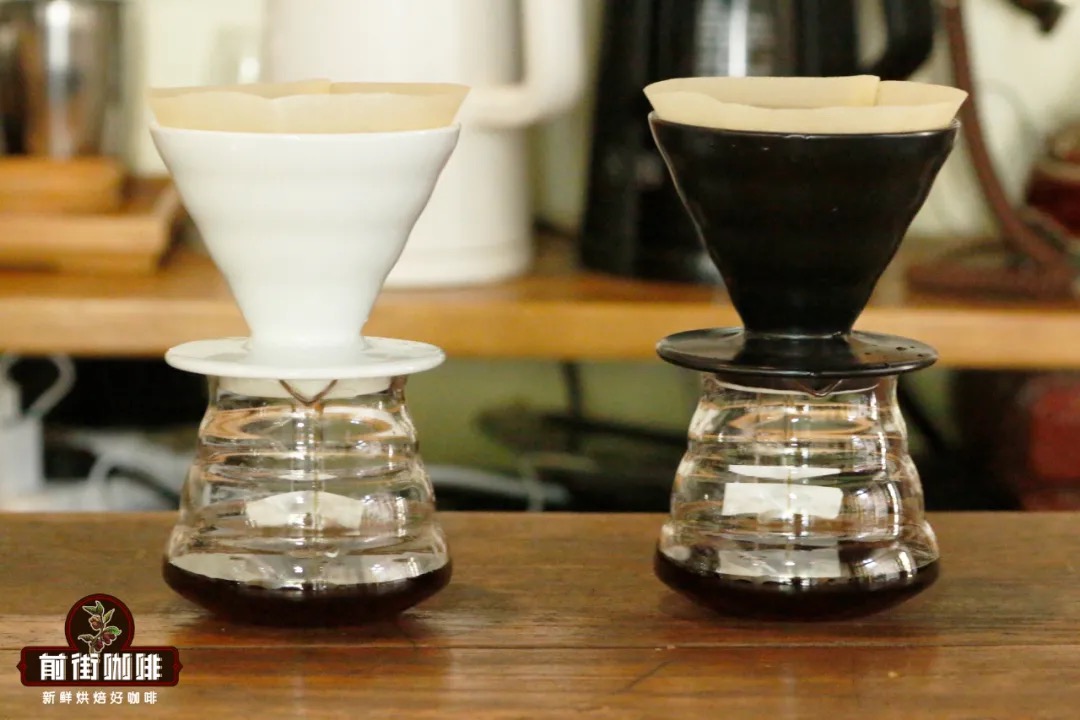 The final concentration tests showed that the fine grind group achieved a TDS of 2.10%, while the coarse grind group reached an even higher 2.20%, overturning the conventional notion that "finer grind equals higher concentration."
In terms of flavor profile, the fine grind cold brew exhibited distinct citrus acidity and honey-like sweetness, with subtle tea notes. The coarse grind version, on the other hand, displayed more vibrant acidity and fuller sweetness, resembling the refreshing character of unsweetened lemon tea.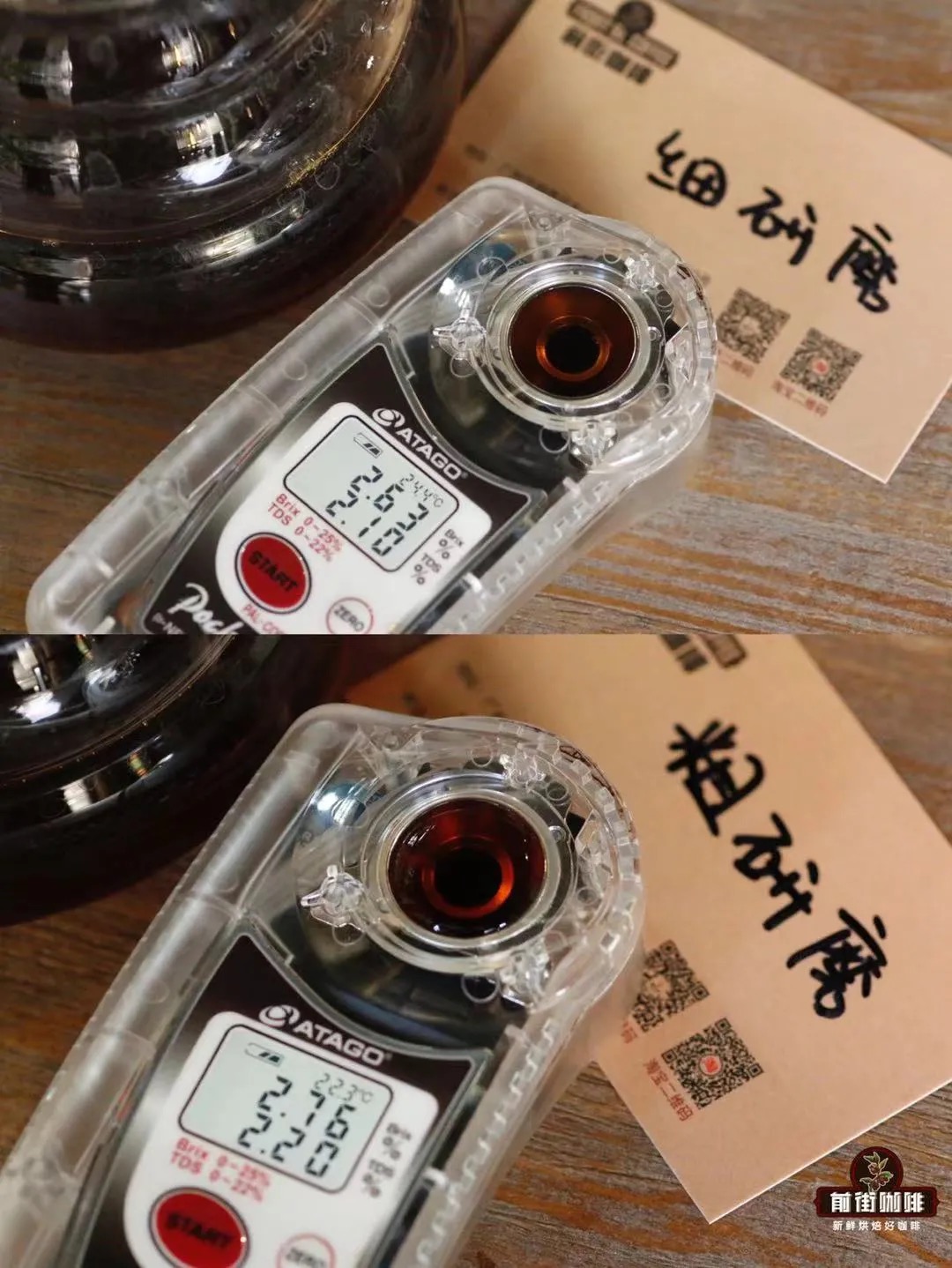 This difference stems from the clumping effect impacting the extraction efficiency of particles of varying sizes. Although the coarse grind had a slightly higher overall concentration, the fine grind preserved more delicate flavor layers.
For users aiming to directly produce high-concentration cold brew, professional advice recommends usinga coffee-to-water ratio of 1:13–1:15 paired with a fine grind setting (approximately EK43s#8–#9). This parameter achieves a balanced, rich flavor without excessive dilution. Special note: neither lightly roasted nor dark roasted beans are suitable for forcibly increasing grind fineness. The former may release overly sharp acidity, while the latter could produce unpleasant bitterness.
Modern electric cold brew bottles use mechanical agitation to break up coffee ground clumps. In such cases, you may consider adjusting to a finer grind setting (e.g., EK43s#7–#8), but closely monitor steeping time to avoid over-extraction.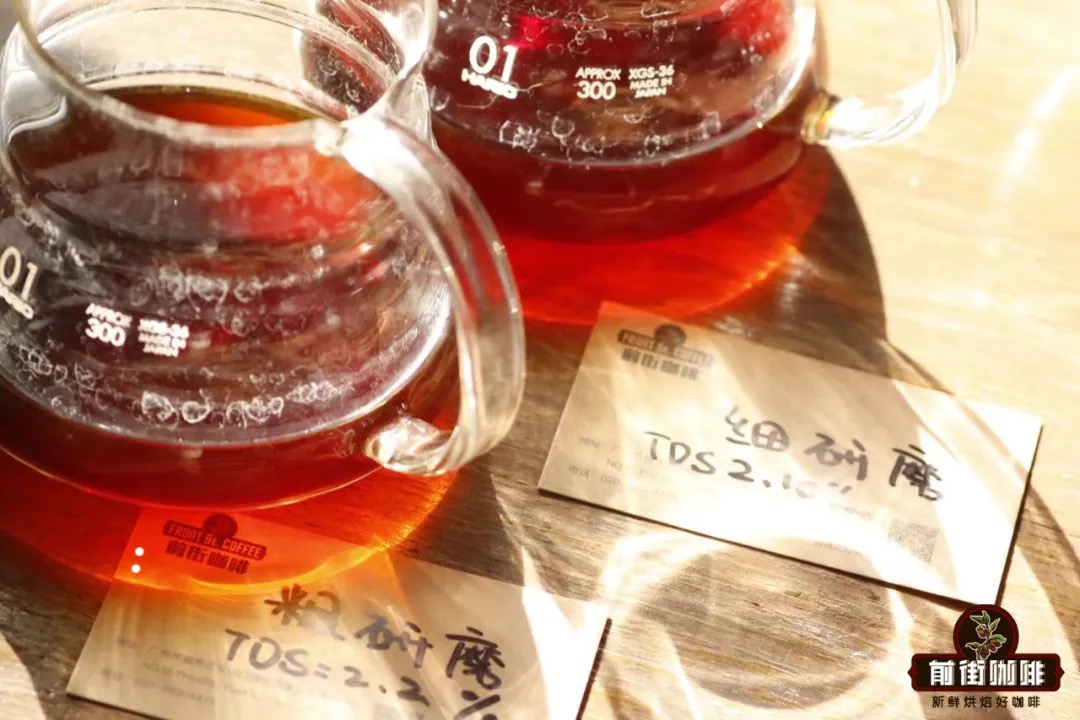 For traditional steeped cold brew, it is recommended to perform 1–2 gentle stirrings halfway through the steeping process (around 8 hours in), which helps alleviate clumping issues.
In practical applications, parameters can be adjusted based on the intended use: for direct consumption, a 1:12–1:14 ratio with a medium-fine grind is recommended; for use as a base in specialty drinks, increase to a 1:15–1:18 ratio with a medium-coarse grind to ensure the coffee flavor isn’t overshadowed by other ingredients.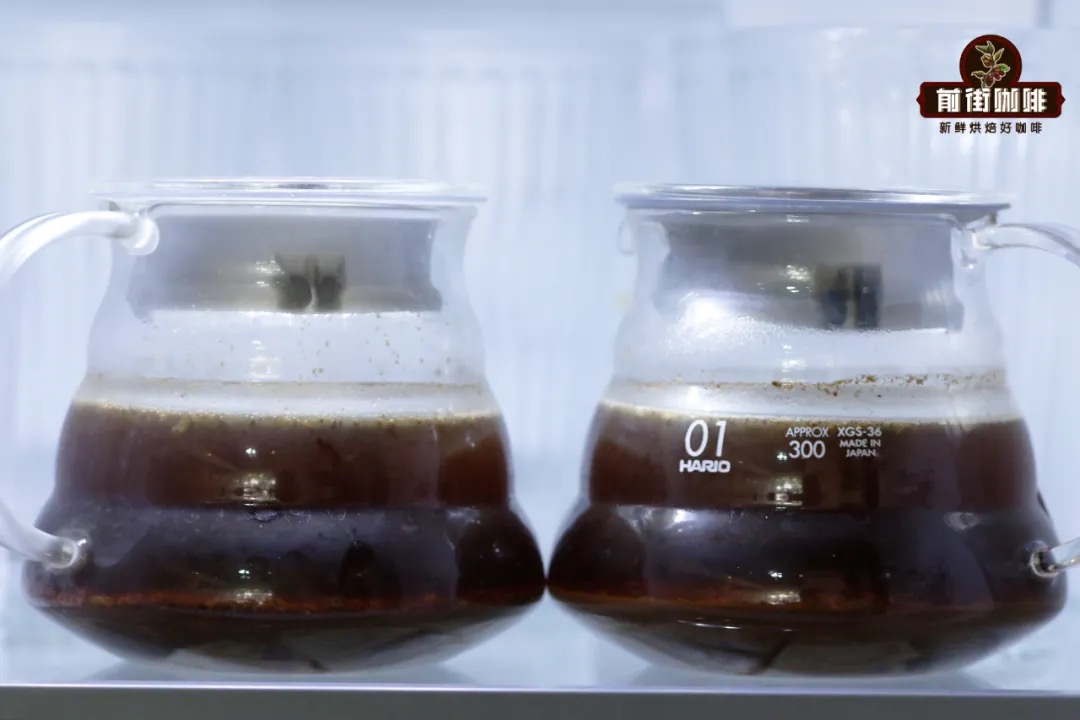 Remember to use a clean filter (such as a cotton filter bag or metal mesh) to fully separate coffee grounds and avoid any residue affecting the taste.
Once you understand the unique extraction mechanism of cold brew, enthusiasts can flexibly adjust variables such as grind size, coffee-to-water ratio, and steeping time to create a diverse range of flavor profiles—from light and refreshing to bold and concentrated.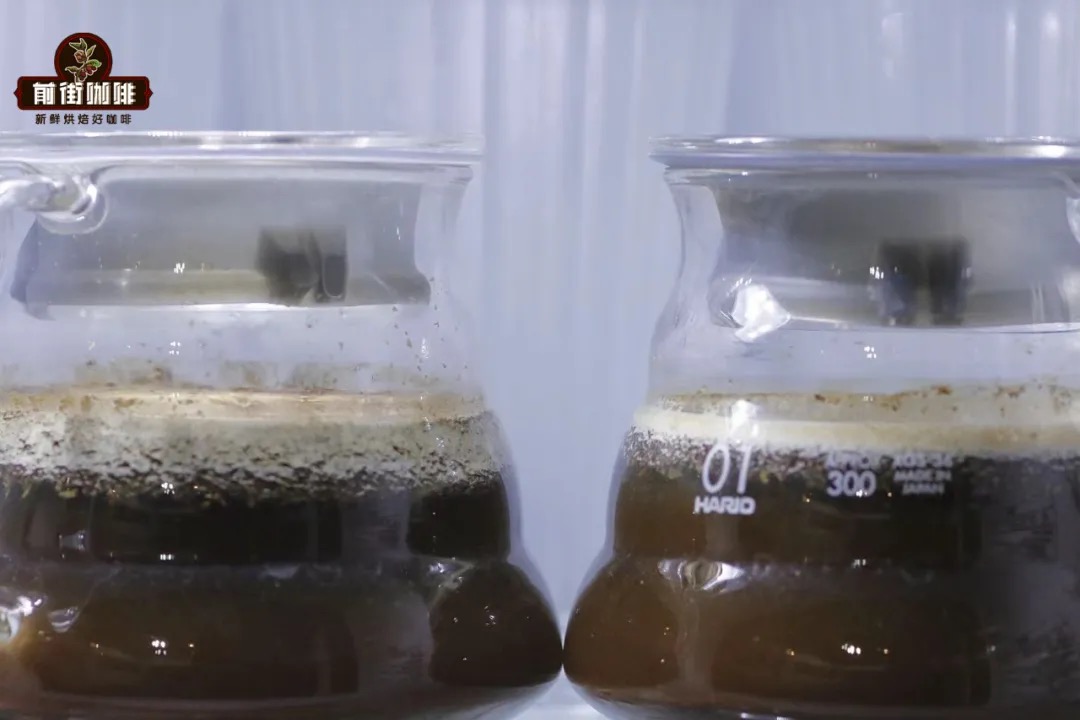 The key lies in systematically adjusting the combination of these factors based on bean characteristics, brewing equipment, and personal taste preferences.
The above content is compiled by CoffeeHunters, a coffee news website.


