








Introduction:Cold drip coffee, extracted through a long period of low-temperature dripping, not only reduces bitterness but also highlights deeper layers of flavor, making it a top choice for many coffee lovers in the summer. This article delves into the extraction principles, flavor characteristics, storage methods, and suitable coffee bean types for cold drip coffee, helping you understand why it delivers a sweet and smooth taste, while also providing practical advice to assist you in selecting beans and adjusting brewing parameters.
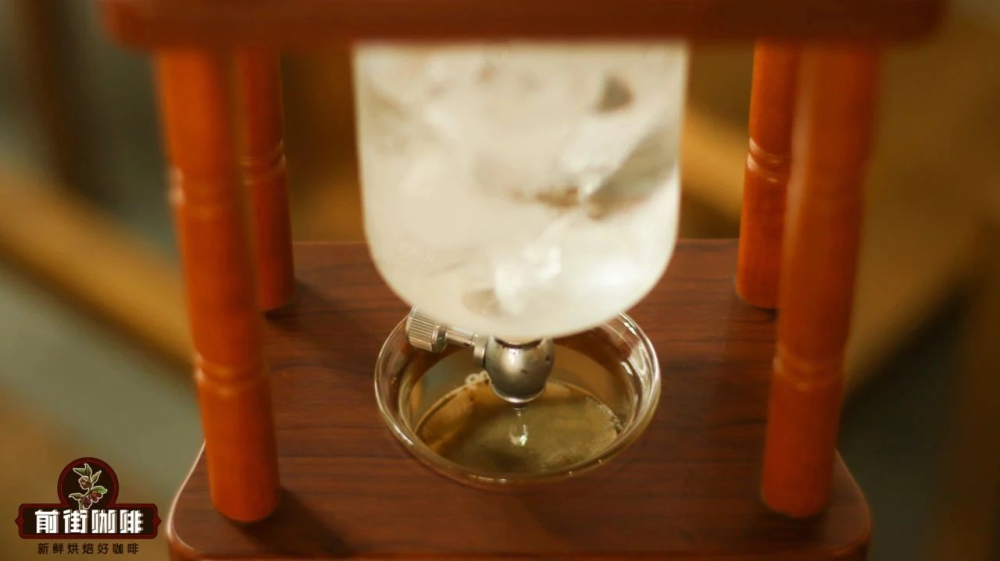
Cold drip coffee is a type of coffee extracted through the slow dripping of cold water, with the entire process typically taking 6 to 8 hours. Compared to traditional hot brewing methods, it uses a low-temperature environment to reduce the release of bitter substances while preserving more sweetness and delicate aromas, thus becoming a premium favorite among many coffee enthusiasts. Moreover, since it is never heated during the entire process, cold drip coffee also has a significantly longer shelf life, and if properly refrigerated, it can maintain its flavor for about two weeks.
The most distinctive feature of this extraction method is its ability to gradually extract the desirable compounds in coffee in a gentle manner.The order in which aroma molecules dissolve in cold water differs—the pleasant aromatic compounds are released first, while the high-molecular impurities that often cause bitterness are released later or may not be released at all. This results in a purer, smoother taste for cold drip coffee, free from the sharp acidity or over-extracted off-flavors commonly found in hot brews.
Additionally, another major advantage of cold drip coffee is its excellent preservation capability. Since the coffee is not subjected to high temperatures during the brewing process, its molecular structure remains intact, unlike hot coffee which is prone to rapid oxidation or spoilage. Once the cold drip coffee is brewed, if stored in the refrigerator,it is recommended to drink it 12 to 24 hours later, when the flavors have better integrated and the mouthfeel becomes rounder. Although some believe the flavor becomes even richer after a week, to ensure drinking safety and optimal flavor performance,it is advised to finish it within 72 hoursto avoid flavor degradation caused by air or container contamination.
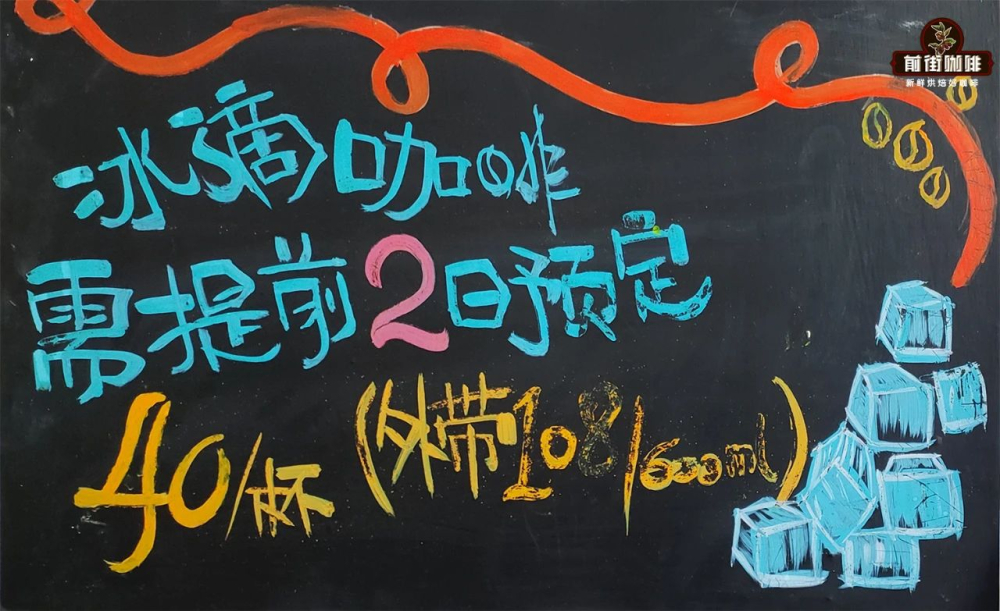
In terms of preparation, the amount of coffee grounds required for cold drip coffee is generally higher than that for regular cold brew or iced Americano, approximately 30 to 50 grams of coffee grounds per 600 milliliters, and it is essential to ensure a stable dripping rate, ideally around 1 to 2 drops per minute. Such a long extraction time not only requires patience but also increases material costs, which is why commercially available cold drip coffee is usually priced higher than typical iced drinks, typically costing around 40 Chinese yuan per cup.
If you prefer a bold black coffee with deep layers of flavor, it is recommended to choose dark-roasted coffee beans, such as the Golden Mandheling processed using the wet-hulling method from Indonesia. This bean variety, due to its unique processing method, exhibits rich caramel, spice, herbal, and nutty aromas after dark roasting. When used for cold drip extraction, it further emphasizes its solid and full-bodied richness, with a taste similar to unsweetened dark chocolate—intense and slightly bitter—making it highly suitable for drinkers who enjoy robust flavors.
In summary, the charm of cold drip coffee lies in the delicacy and balance brought by low-temperature slow extraction. It not only showcases the layered profile of the coffee itself but also develops more subtle aromatic changes during prolonged refrigeration. By mastering the coffee-to-water ratio, dripping speed, and storage methods, you can enjoy a café-quality cold drip coffee at home.
The above content is compiled by CoffeeHunters, a coffee news website.


