







Introduction:On a hot summer day, nothing beats the refreshing pleasure of a glass of cold brew coffee. But do you know how to make cold brew that actually tastes good? This article details the brewing principles behind cold brew coffee, key parameters such as coffee-to-water ratio, grind size, water temperature, and steeping time, as well as common mistakes and tips for improvement—helping you easily brew rich-flavored, smooth cold brew coffee at home.
With the arrival of summer, many people begin searching for delicious and cooling coffee drinks, and cold brew coffee is undoubtedly one of the top choices. Compared to traditional hot-brewed coffee, cold brew is made by steeping coffee grounds in cold water for an extended period. This method not only delivers a smoother flavor but also reduces acidity and bitterness, making it ideal for coffee lovers who prefer a refreshing taste.
So-called cold brew coffee refers to coffee liquid obtained by steeping ground coffee in cold water for at least 8 hours or more, followed by filtering out the coffee grounds. The entire brewing process doesn’t require complex equipment or advanced skills—just a few key parameters mastered, and you’re good to go.
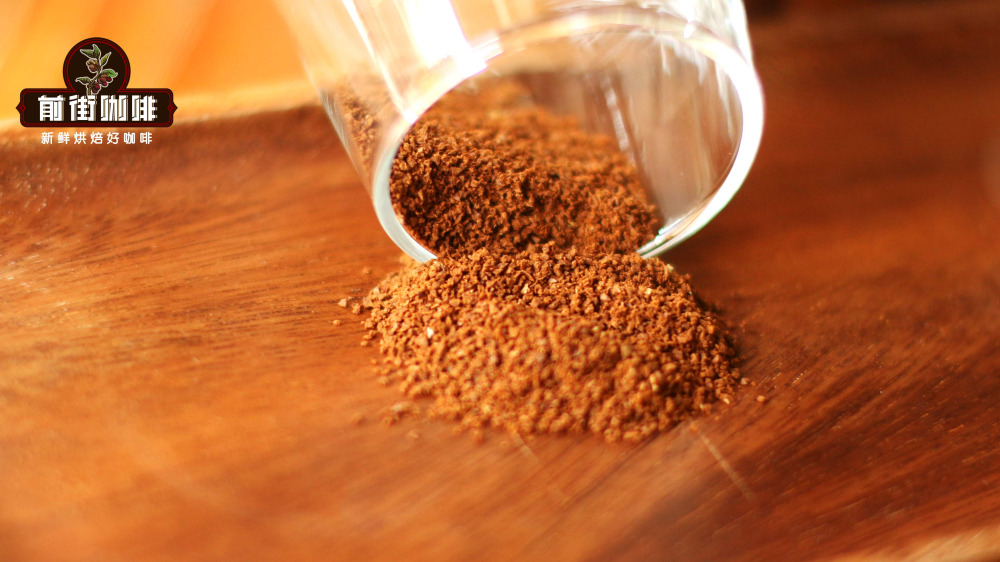
Let’s start with grind size. Since cold brew uses cold water, its extraction efficiency is much lower than that of hot water, so there’s no need to overly worry about over-extraction. It’s recommended to use a grind slightly finer than that for pour over—ideally around 85% of the grounds can pass through a standard #20 sieve—and to minimize the proportion of extremely fine particles. This not only helps maintain a stable flow rate but also avoids filtration difficulties and residue issues.
As for the coffee-to-water ratio, a common and practical ratio is 1:12, meaning 1 gram of coffee grounds to 12 grams of water. Some methods involve adding ice to help lower the temperature—for example, a mix of 1 part coffee grounds, 8 parts water, and 4 parts ice—though the actual coffee-to-water ratio still hovers around 1:12, effectively maintaining a stable low-temperature extraction environment.
Regarding water temperature and steeping time, cold brew is typically done in a low-temperature environment (such as a fridge at 4–10°C), with a recommended steeping duration of 12 to 24 hours. If choosing room-temperature brewing, it’s advised to shorten the time to 8 to 12 hours to avoid over-extraction or flavor imbalance due to higher temperatures. Worth noting is that too short a steeping time (e.g., under 8 hours) may lead to under-extraction and overly thin flavors, while going beyond 18 hours can easily result in over-extracted bitterness or off-flavors.
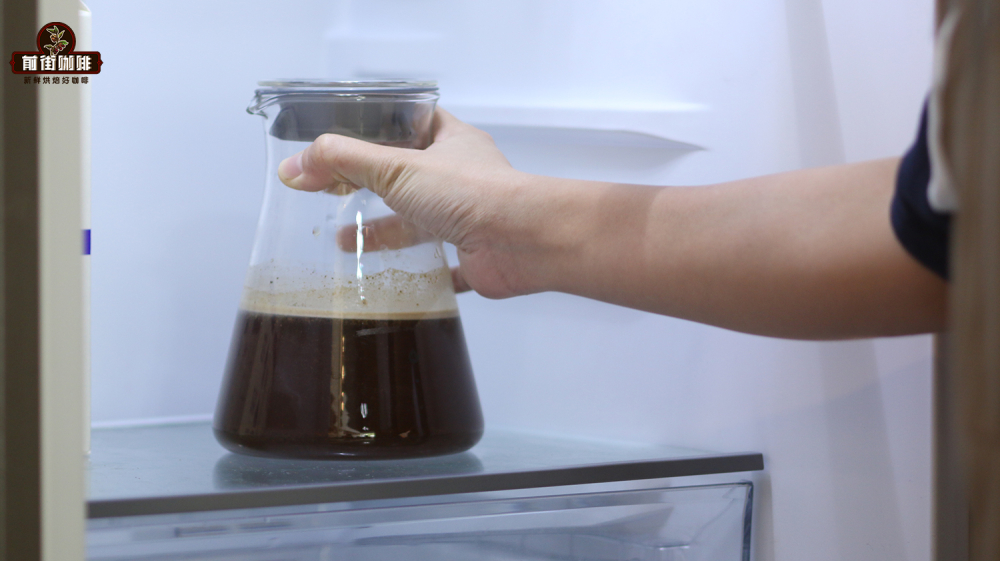
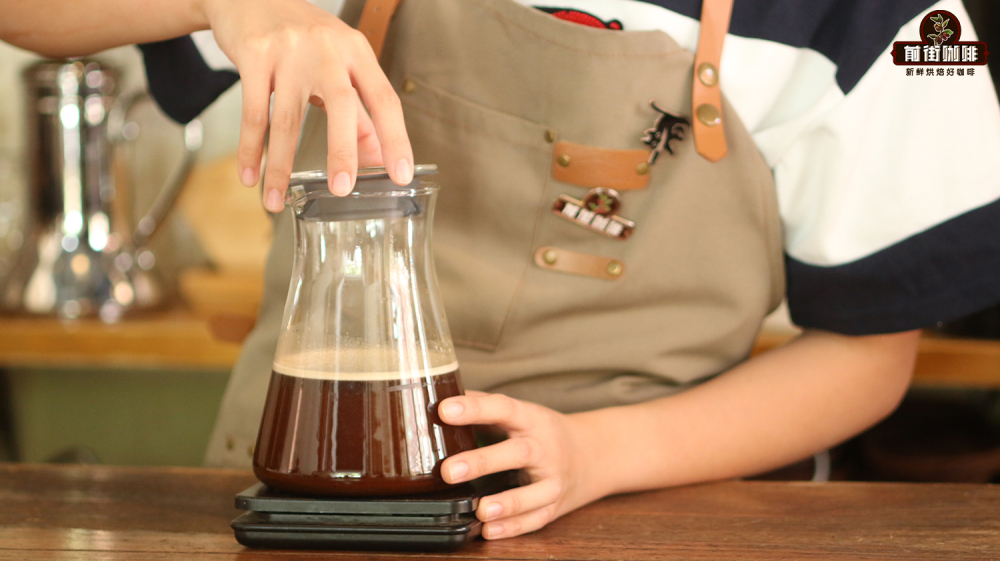
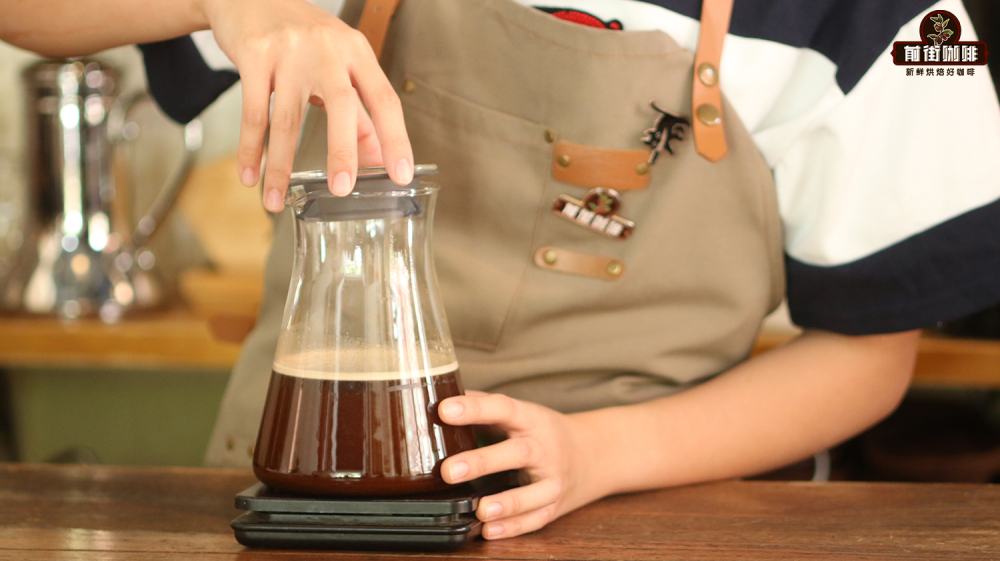
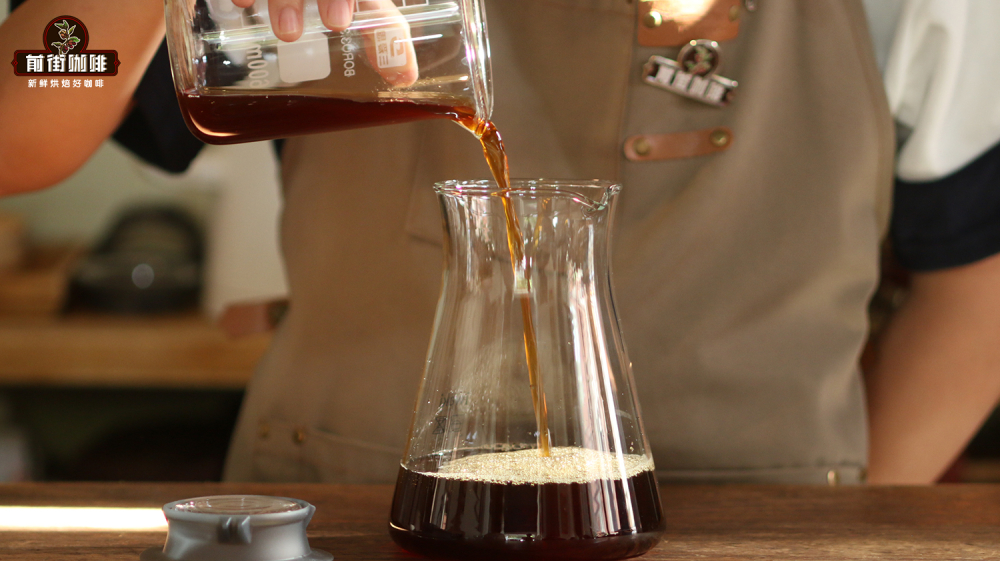
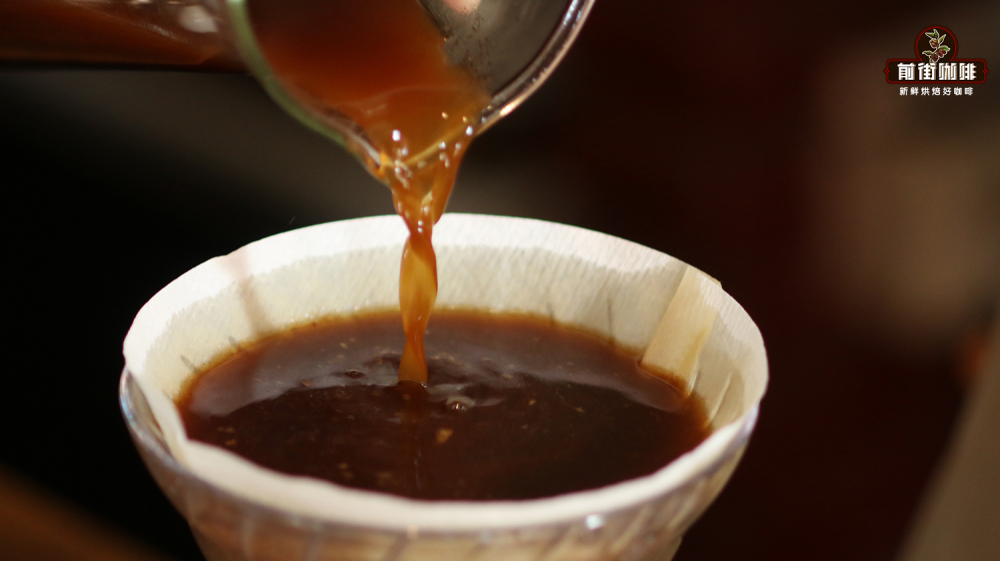
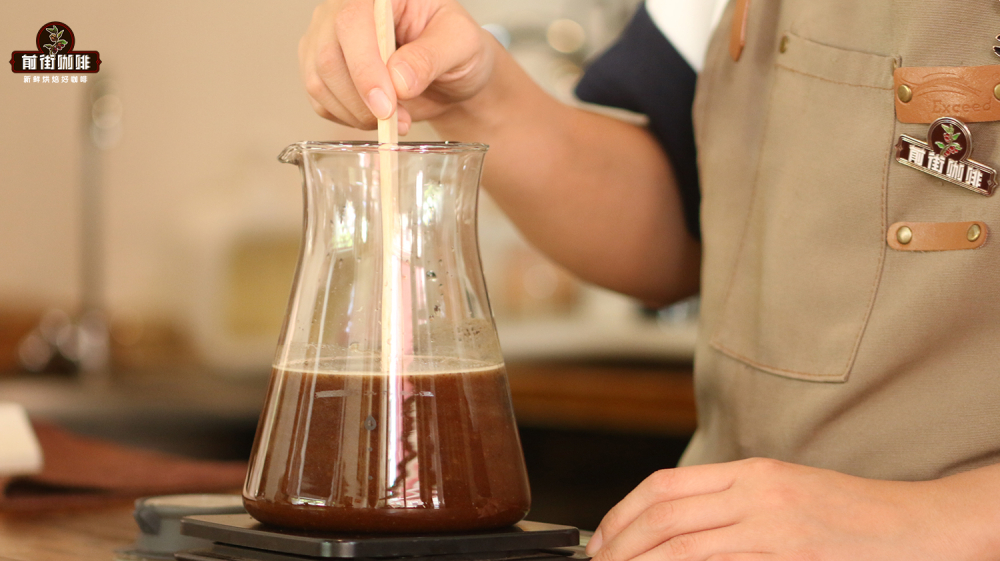
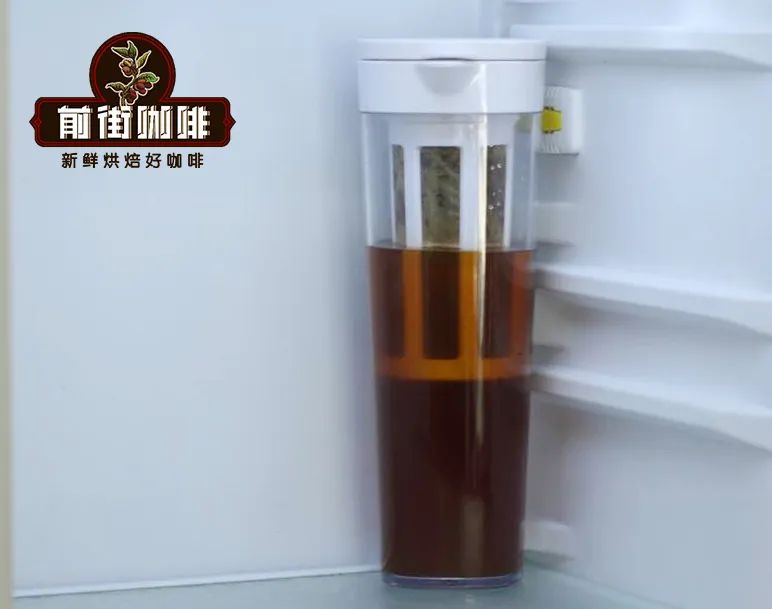
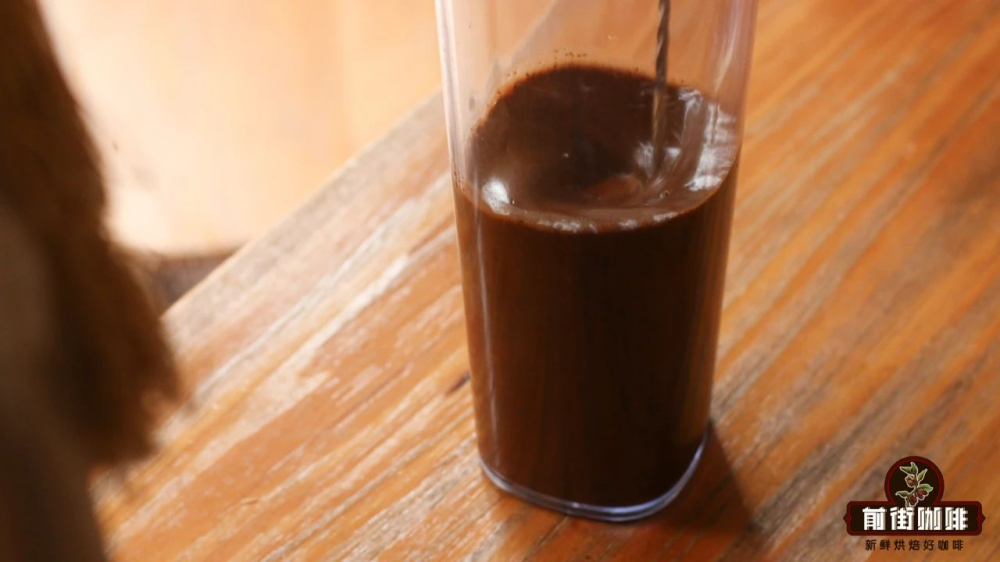
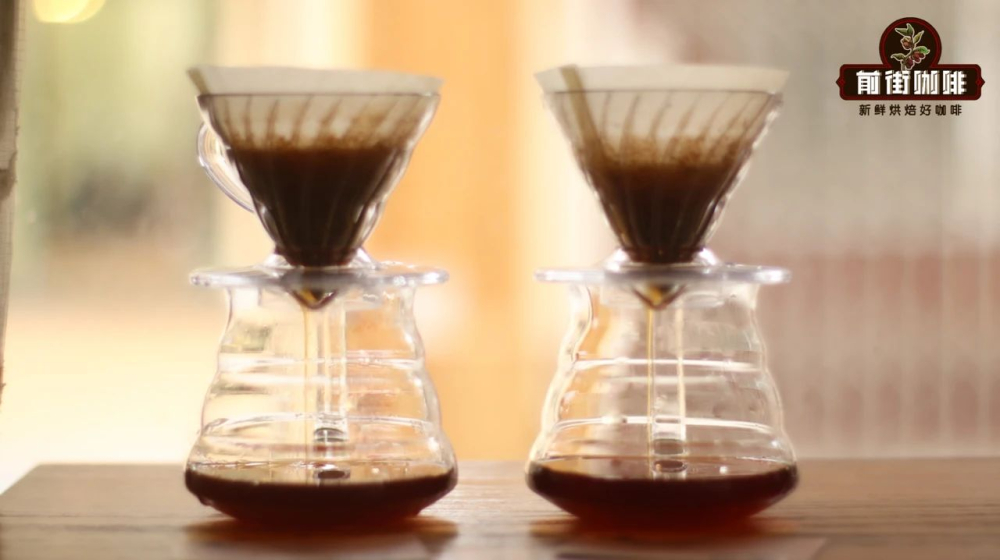
In practice, you can place the coffee grounds and cold water (or ice water mix) into a sealed glass bottle or a dedicated cold brew maker. It’s recommended to stir well first to ensure all the coffee grounds are fully saturated with water, then let it sit in the fridge for extraction. Once steeping is complete, use filter paper, a filter mesh, or a French press to thoroughly filter out the coffee grounds, yielding a clear cold brew coffee liquid.

However, many people making it at home may still encounter issues with subpar flavors even when following the same parameters. Common causes include insufficient or excessive steeping time, overly fresh coffee beans, and inadequate filtration. It’s suggested to control the steeping time between 8 to 18 hours—too short and the coffee lacks complexity and sweetness; too long and it can develop unpleasant bitterness.
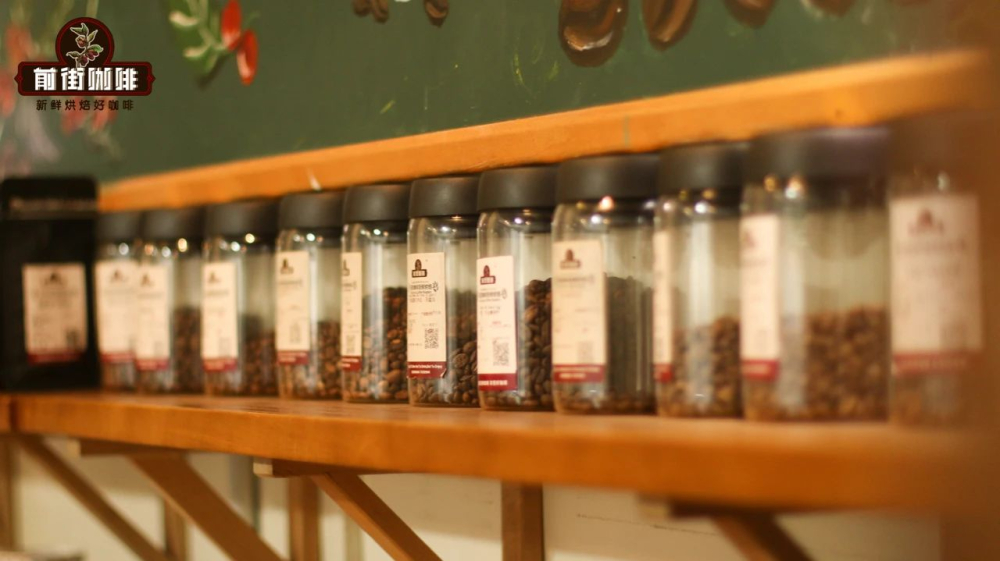
Additionally, freshly roasted coffee beans contain a lot of carbon dioxide, which inhibits aroma release. It’s recommended to use beans roasted more than 10 days prior, as they offer a more expressive flavor profile. Before and after extraction, be sure to stir the coffee grounds and water thoroughly to ensure each particle is evenly in contact with the water, avoiding uneven or under-extracted spots.
Lastly, the filtration step is crucial. It’s recommended to use fine filter paper or multi-layer filter meshes to help remove very fine particles and oils, thereby improving mouthfeel smoothness. After filtration, you can refrigerate the coffee liquid for a few more hours to allow the flavors to further integrate—resulting in a rounder taste, brighter acidity, and a more distinct layered profile.
Whether you’re new to cold brew or already have some experience, mastering the above points will allow you to adjust and create the cold brew recipe that best suits your personal taste, enjoying this cool and captivating summer coffee experience.
The above content is compiled by CoffeeHunters, a coffee news website.


