







Introduction:Want to learn how to make cold drip coffee? From the extraction principles and required time to flavor characteristics, this article provides a detailed breakdown of the cold drip coffee brewing process and key techniques. It introduces you to how this low-temperature slow extraction method brings out unique layers of flavor, and also offers practical recipes and precautions.
Cold drip coffee is a brewing method that uses cold water dripping slowly to extract coffee grounds. It falls under the broad category of iced coffee and is particularly suitable for summer consumption. Unlike common pour over or hot brewing methods, cold drip coffee utilizes ice water that drips over an extended period to gently release coffee flavors. Although it’s time-consuming, the process is relatively simple and can be easily attempted at home.
Its origins can be traced back to 1699, when the Dutch were cultivating coffee on the island of Java in Indonesia. To reduce the gastric irritation caused by coffee, they developed a cold water extraction method — cold drip — which lowered acidity and improved smoothness. This method was later also referred to as Dutch drip coffee, water drip coffee, or ice brew coffee, and is considered a classic among many coffee enthusiasts.
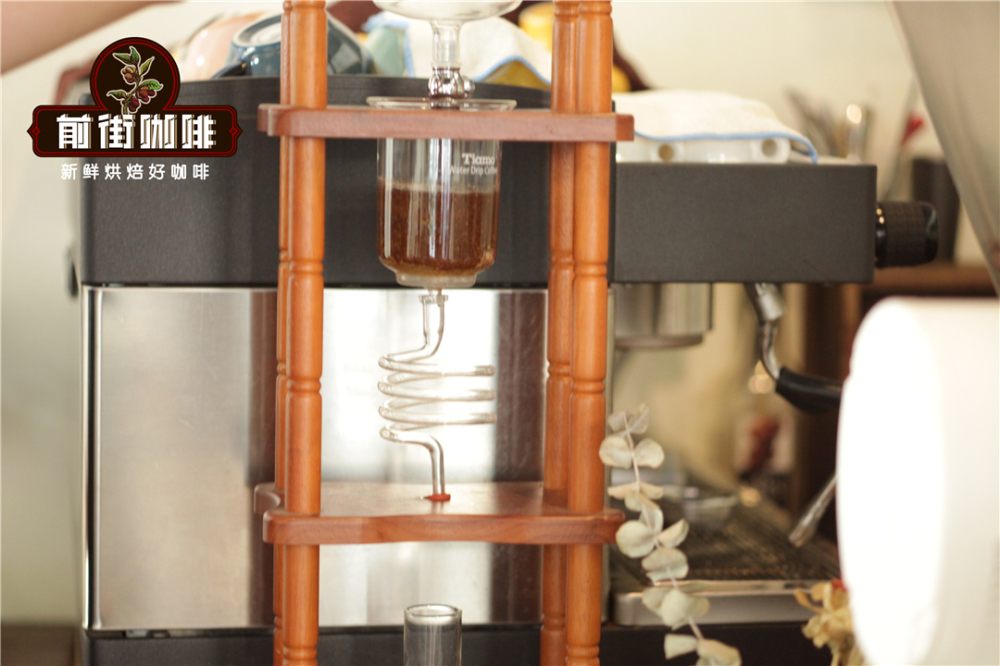
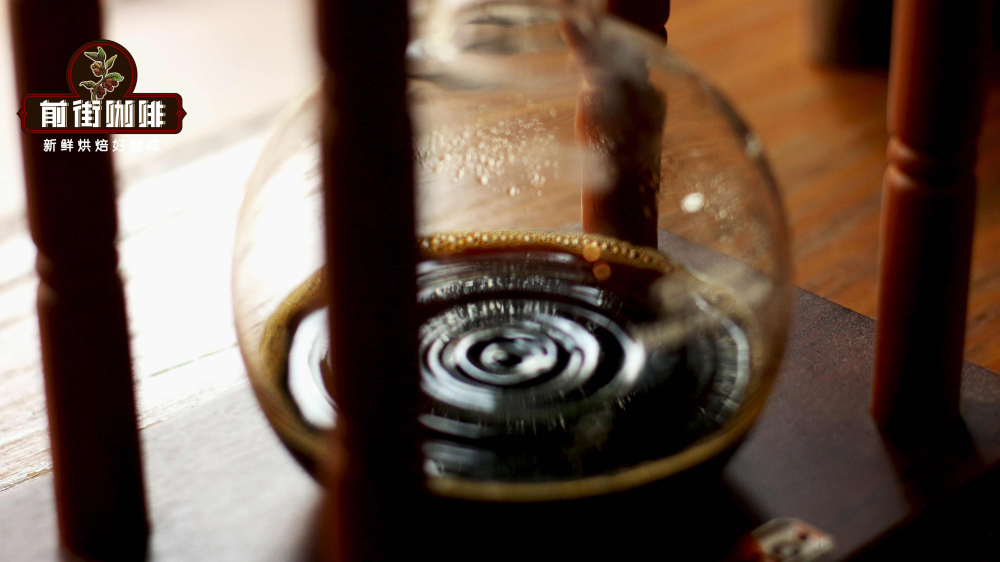
Theextraction principleof cold drip coffee lies in using the natural osmosis of ice water and a low-temperature environment. Over a prolonged dripping period, the aromatic compounds in the coffee grounds are slowly released. Typically, the brewing process takes about 8 hours, with the dripping speed controlled at 40 to 50 drops per minute, yielding approximately 1000 milliliters of coffee liquid. Compared to high-temperature rapid extraction, the low-temperature method reduces impurities and over-extracted flavors, resulting in a smoother taste with fewer off-notes.
During the cold drip process, the coffee grounds are gradually soaked drop by drop by ice water, without being subjected to high heat. As a result, more delicate flavors are preserved while minimizing gastric irritation. The finished coffee liquid is recommended to be left to rest in a sealed container and refrigerated for 12 to 24 hours. This allows the flavor molecules to fully integrate and develop — a stage often called “secondary maturation” — helping to enhance the overall complexity and depth of the flavor.
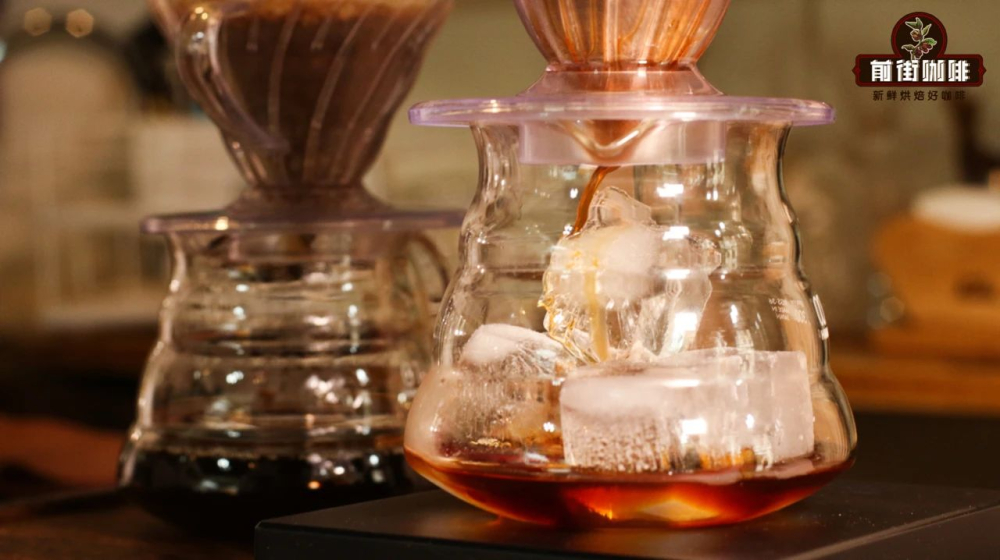
Theflavor profileof cold drip coffee is typically characterized by low acidity, a rich body, and subtle fermentation aromas, with a smooth and lingering mouthfeel. Due to the low-temperature extraction, bitterness is minimal, making it ideal for those who prefer milder coffee flavors. Additionally, cold drip coffee generally has a lower caffeine content, making it a great option for caffeine-sensitive individuals.
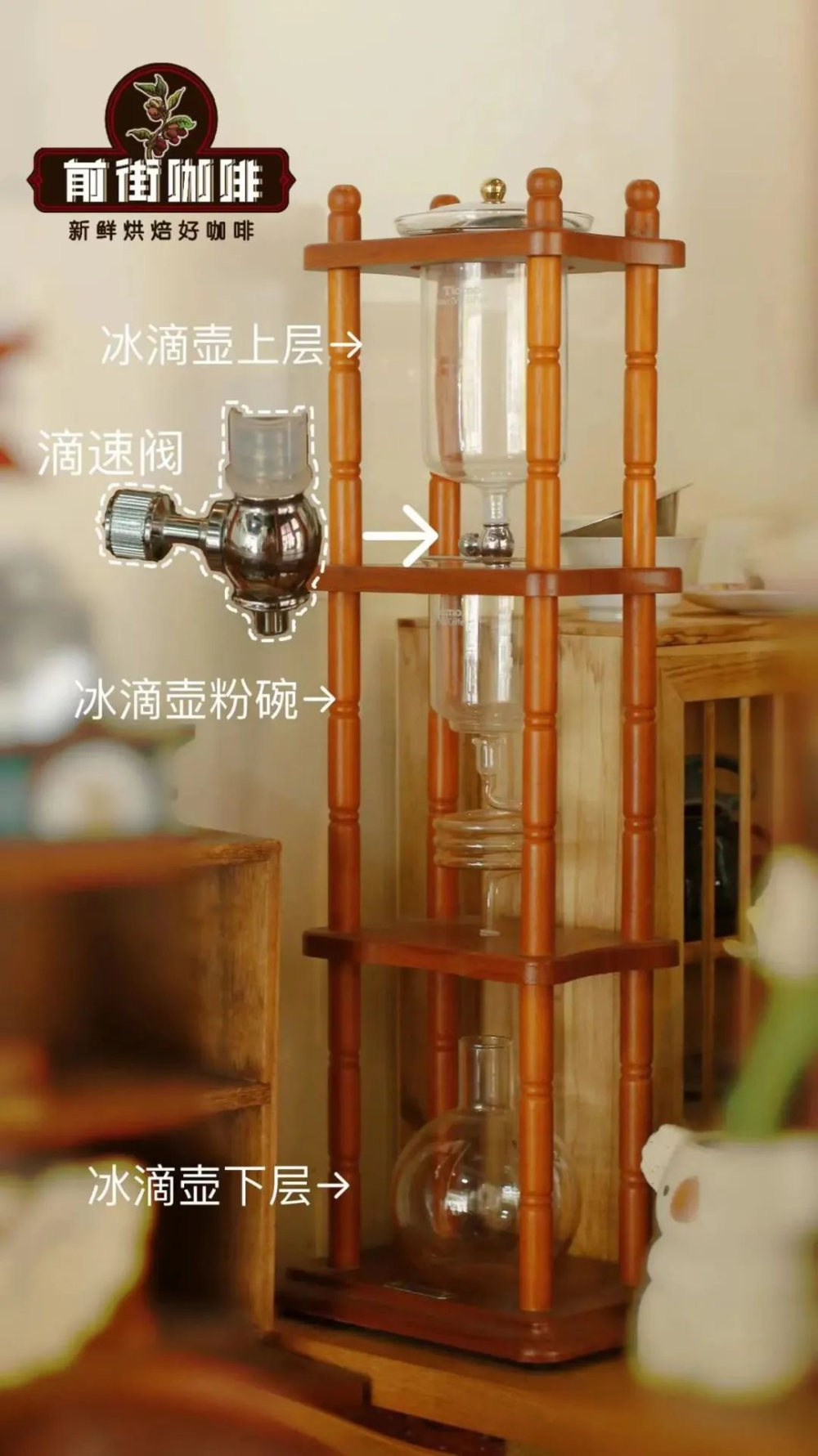
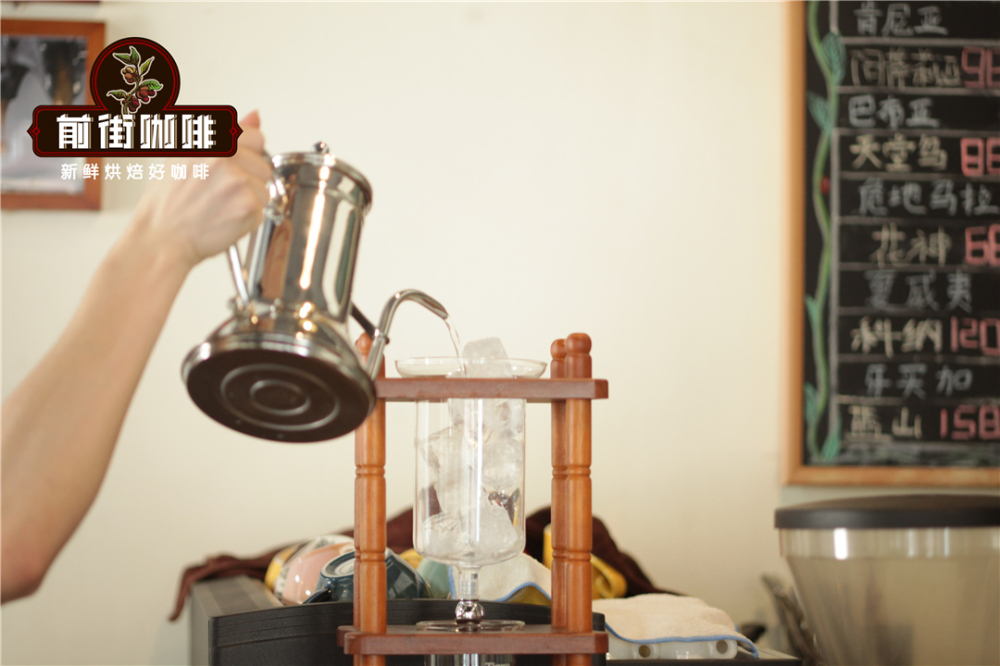
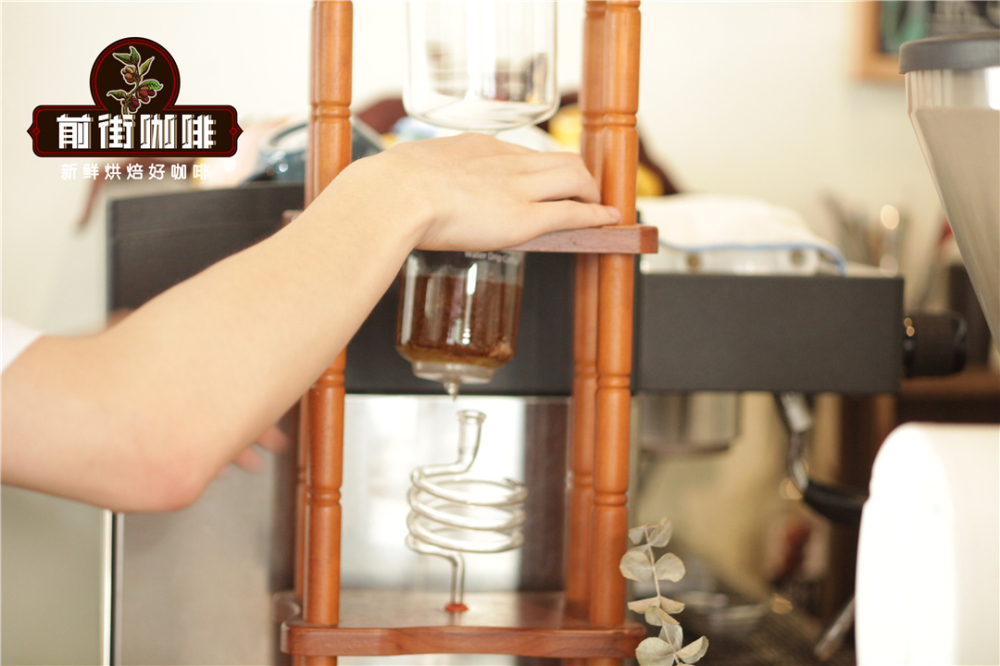
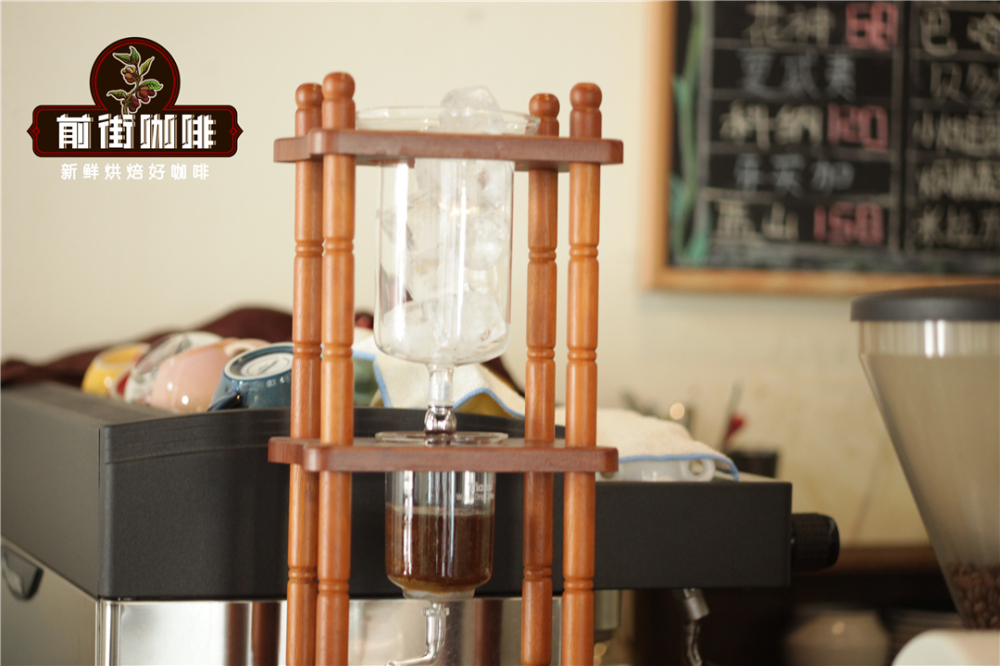
To make cold drip coffee, specialized equipment is required. A typical cold drip maker consists of three chambers: top, middle, and bottom, used for holding the ice water, placing the coffee grounds, and collecting the extracted coffee, respectively. To operate, first close the water flow control valve on the top chamber, then add a mixture of ice and water. Place filter paper and freshly ground coffee in the middle chamber, then adjust the dripping speed to around 40–50 drops per minute. The entire process usually takes 5 to 8 hours, depending on the amount of water and dripping rate.

For optimal flavor, the finished cold drip coffee is best bottled and refrigerated.Its peak flavor period is within 3 to 7 days,with the third day often delivering the most impressive flavors — complex and elegant, with a layered taste reminiscent of fermented wine. Although it can theoretically be stored for about two weeks, to ensure hygiene and quality, it’s recommended to consume it as soon as possible to avoid degradation or bacterial growth from prolonged storage.
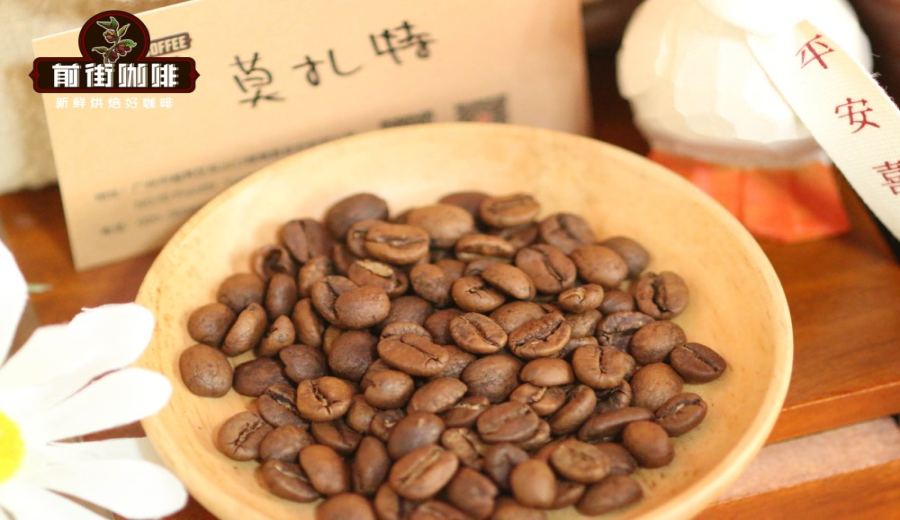
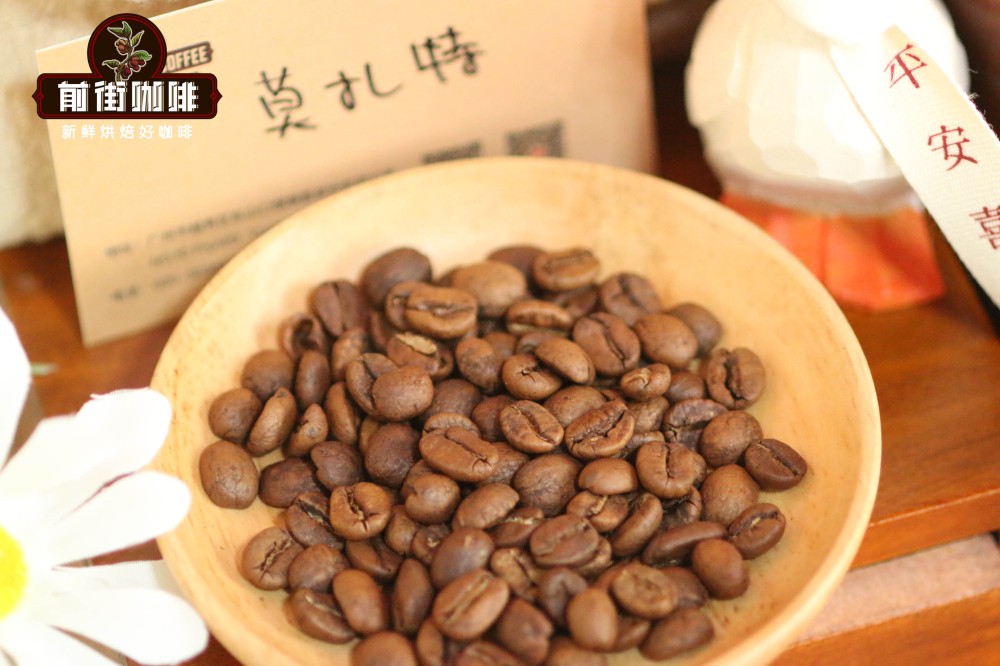
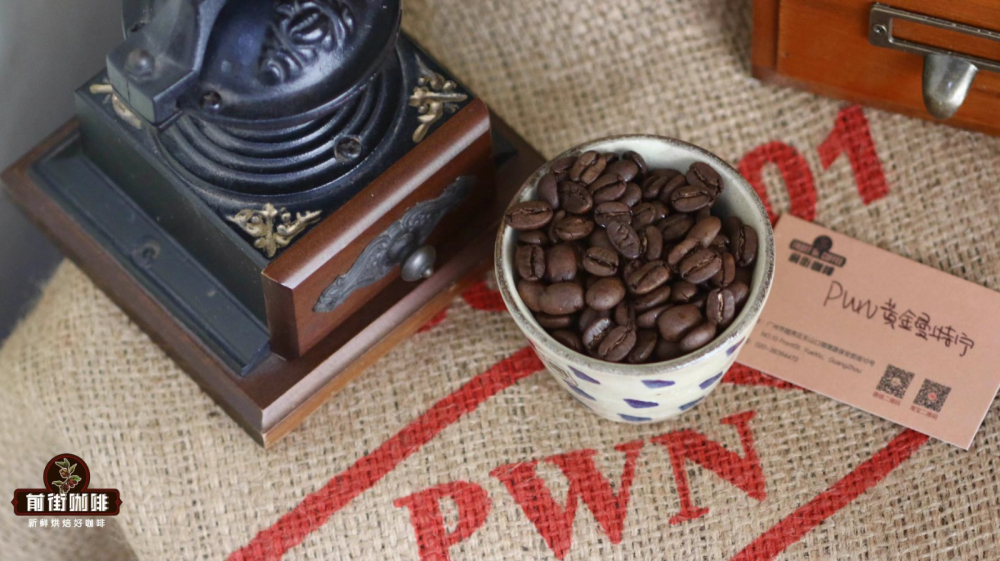
Common cold drip coffee profiles include dark berry types (such as Costa Rica Mozart, processed via anaerobic honey method, showcasing blueberry and wine-like notes), clean and bright types (such as Kenya Assaria, with refreshing acidity of cherry tomatoes and grapefruit), and sweet and mellow types (such as Indonesia Golden Mandheling, which after cold drip reveals chocolatey and sweet aftertastes). Each recipe demonstrates how cold drip technique can bring out the unique character of coffee beans.

In summary, cold drip coffee is a brewing method that demands patience but offers great rewards. It not only showcases the delicate original flavors of coffee but also brings a touch of coolness and richness during hot summer days. By mastering dripping speed, extraction time, and refrigeration maturation techniques, you too can brew professional-grade cold drip coffee at home and enjoy the unique charm of low-temperature slow extraction.

The above content is compiled by CoffeeHunters, a coffee news website.


