







Introduction:Yunnan is China’s primary specialty coffee-producing region, but quality varies widely, often leaving consumers puzzled. This article takes you deep into the actual flavor profiles and cultivation challenges of Yunnan coffee—from regional altitudes, main varieties (such as Typica and Catimor), processing techniques, to grading standards. Whether you’re looking to pick high-value-for-money coffee beans or trying to brew Yunnan-grown beans using pour over, this guide will help you make smarter choices.
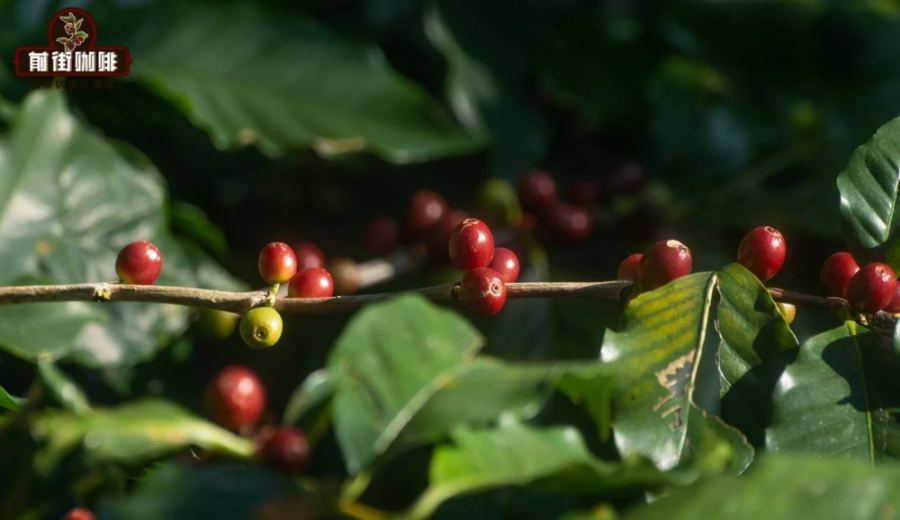
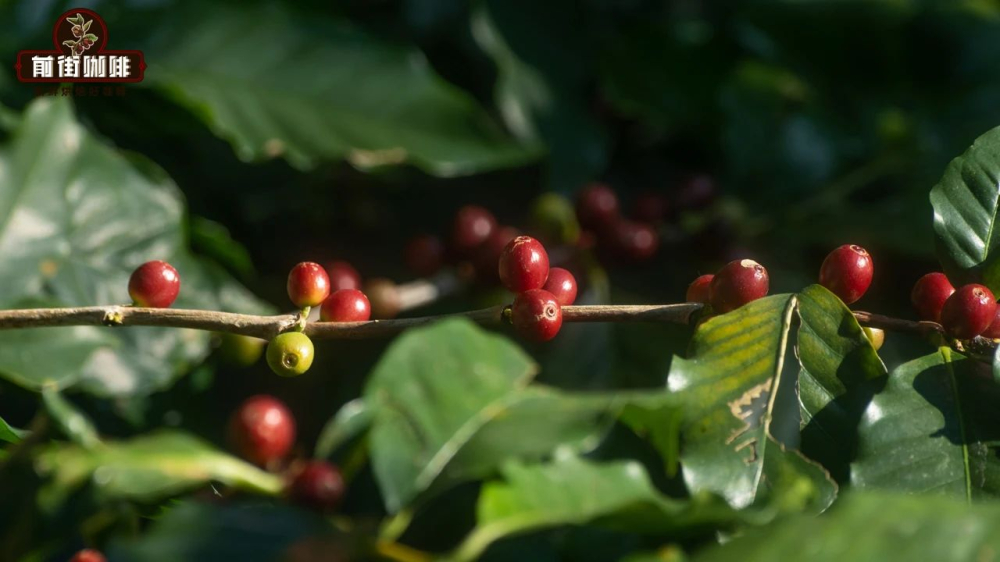
Every year by December, Yunnan’s coffee farms enter their busy harvest season. Altitude directly affects the ripening timeline—lower altitude areas usually turn red first, while regions around 1,300 meters, such as the semi-primeval forest area of Lincang, don’t begin picking until mid-December. The industry owns a self-operated mountain estate in the area, which features hilly terrain near the Myanmar border and has a distinct dry and wet seasonal climate—it’s also a challenging area for cultivating Arabica varieties.
Many assume that owning a coffee estate in Yunnan isn’t difficult, yet few are truly committed to planting and pursuing quality. In the past, many operators opted to simply purchase ripe coffee cherries from farmers, apply minimal sun-drying or honey processing, and then market them as “specialty” products—often within just a few months. But our team chose a more arduous path—starting from site selection, seedling cultivation, variety screening, to understanding the pairing of altitude and processing methods. It took over a decade of hands-on exploration before we gradually stabilized production of coffee with distinct regional character.
As early as when the brand was still called “Dazhen Coffee,” the team began experimenting with coffee cultivation in Guangdong, using the widely planted Catimor variety at the time. But after nearly a year of observation and documentation, they gradually understood the subtle interplay among variety, altitude, and post-harvest processing. This led the team to abandon their original low-altitude planting plan and instead focus on the more challenging high-altitude Arabica varieties—particularly Typica, which is highly regarded in the specialty coffee circle.
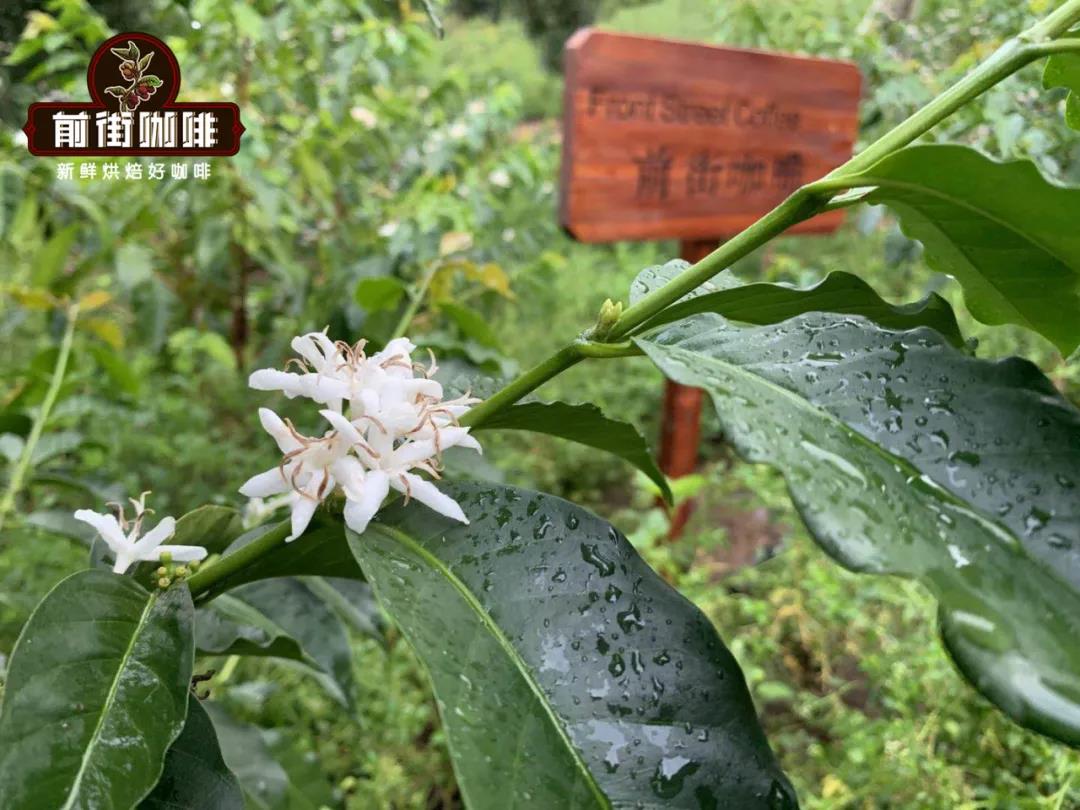
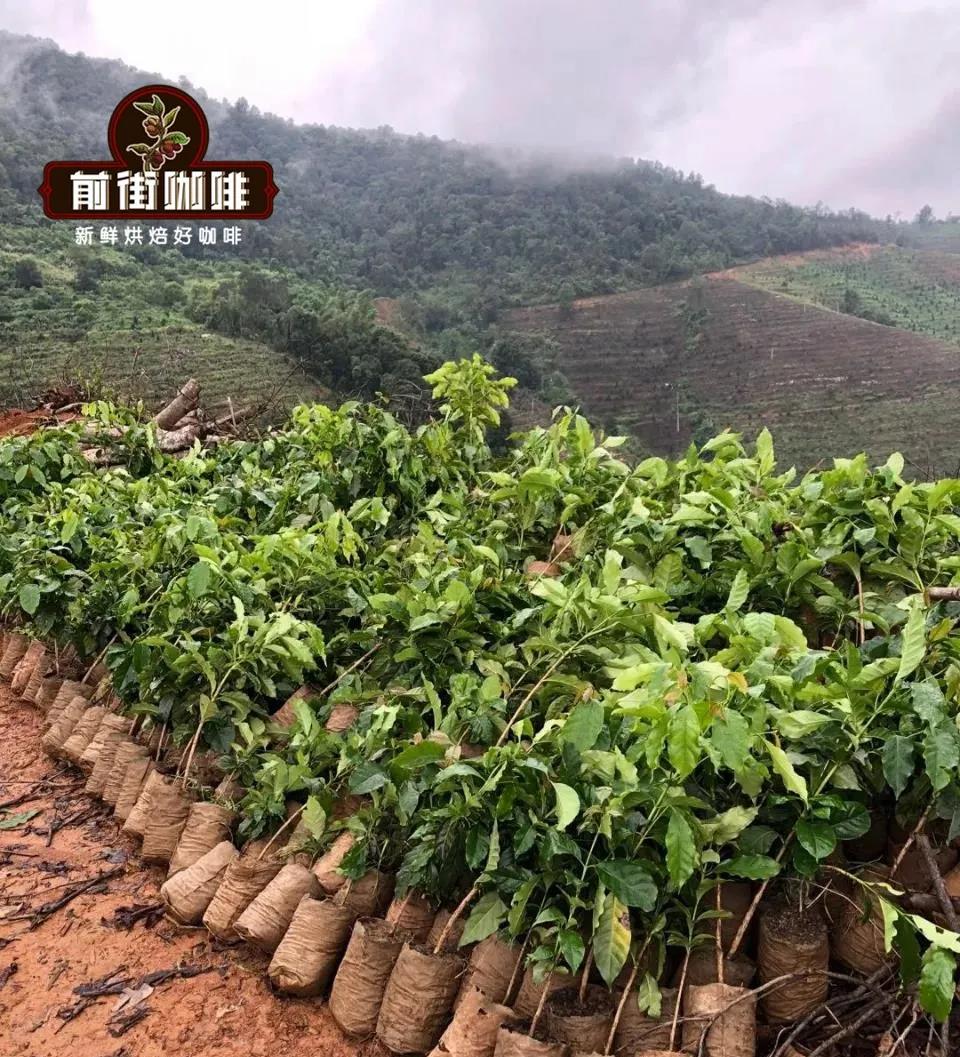
As one of the most classic Arabica varieties, Typica is known for its bright acidity and delicate floral notes, but its yield is only one-third that of Catimor, and it is highly susceptible to rust disease, so most farmers are reluctant to grow it. We chose to start from scratch, planting Typica seedlings in mountainous areas at around 1,300 meters above sea level, and patiently waited over three years before the first fruits appeared. Throughout the process, in addition to continuously observing plant growth and disease resistance, we also adjusted planting and harvesting timings based on the alternating characteristics of the dry and rainy seasons, striving to nurture stable and expressive coffee beans in the most suitable environment.
It’s worth mentioning that due to geographical and climatic limitations, most areas in Yunnan have historically relied mainly on Catimor. This hybrid variety, successfully cultivated by the Portuguese in East Timor and combining Robusta’s disease-resistance genes with some of Arabica’s flavor characteristics, has been synonymous with Yunnan coffee since 1959. Especially in Baoshan, where the altitude exceeds 1,200 meters, the average annual temperature is about 21.5°C, there’s a notable day-night temperature difference, and the natural barrier of the Gaoligong Mountains make it one of the few areas in Yunnan capable of producing small-bean coffee with relatively delicate flavors and pronounced fruit notes.
The harvesting and post-harvest processes of Yunnan coffee are equally crucial. In many producing areas, high labor costs often lead to unselective picking, resulting in mixed final flavors. Instead, we insist on manually picking only fully red cherries and employ the sun-drying method: carefully selected fully red coffee cherries are evenly spread on breathable racks, with layers limited to 2–3 to ensure good ventilation and reduce the risk of over-fermentation. After approximately two weeks of natural drying, the sugars and flavor compounds in the pulp fully penetrate the seeds, resulting in a unique cup profile featuring citrus, berry notes, along with subtle wine-like aromas and caramel sweetness.
In terms of roasting strategy, based on regional characteristics and varietal personality, we opt for medium roasting to balance acidity and sweetness, as well as bitterness and sweetness, highlighting its natural sweetness layers. For pour over brewing, we recommend using a Hario V60 filter cone, paired with medium-fine grind (about 80% passing through a Chinese standard No. 20 sieve), a 1:15 coffee-to-water ratio, and water temperature controlled at 90°C. Specifically, start with a 30-second bloom using 30 grams of water, then pour in a slow, steady stream centered until reaching 125 grams and pause briefly, followed by pouring up to a total of 225 grams to complete extraction—the whole process takes about two minutes, fully showcasing the layers and details of this “2013” sun-dried Typica.
In terms of flavor profile, this coffee already hints at subtle caramel and nutty notes in the dry aroma. On the palate, chocolate dominates, complemented by a brown sugar-like sweetness and gentle fruit acidity, with a lingering finish that offers a hint of black tea-like richness and extended aftertaste. The overall profile is rich yet balanced, making it highly suitable for coffee enthusiasts who enjoy distinctly regional flavors without excessive complexity.

The above content is compiled by CoffeeHunters, a coffee news website.


