







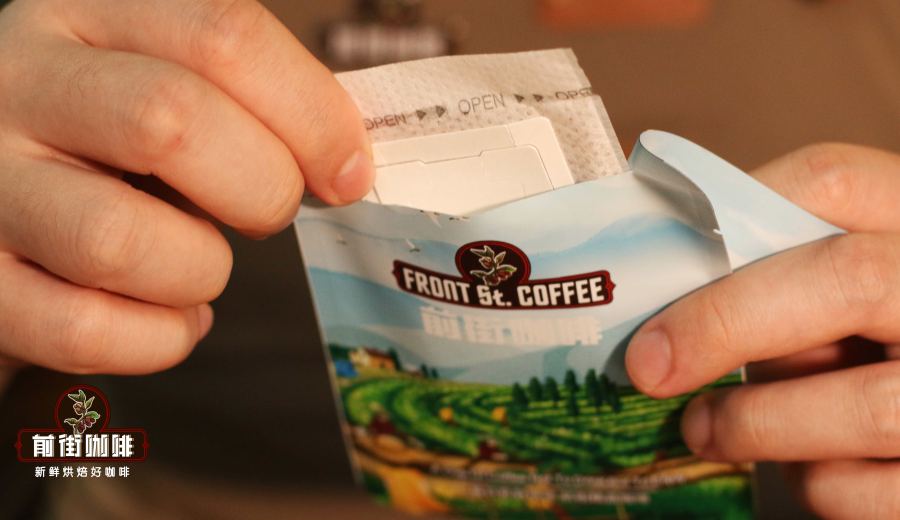
Introduction:Drip bags are a lifesaver for busy professionals, offering an easy way to enjoy near-pour over quality with just hot water and a cup. This article delves into the origins of drip bags, common brewing issues, and provides expert-level parameters and steps for brewing. It also recommends three classic beans—from bright fruity acidity to rich chocolate notes—teaching you how to brew professional-grade flavors at home or in the office.
For professionals with fast-paced lives who still crave a great cup of coffee, drip bags are undoubtedly an ideal choice. No complicated equipment is needed—just hot water and a cup to complete the brew. However, many users often encounter issues like weak flavor or insufficient aroma during actual use. This article starts with the origins of drip bags, explains the naming inspiration, explores reasons behind subpar flavors post-brewing, and shares professional brewing tips—including water temperature, coffee-to-water ratio, and pulse pouring techniques—to help elevate the quality of every cup. Additionally, it features three classic beans well-suited for drip bag production, from Ethiopia’s Yirgacheffe to Brazil’s Yellow Bourbon and Sidamo’s Huila, guiding you to explore diverse flavor potentials.
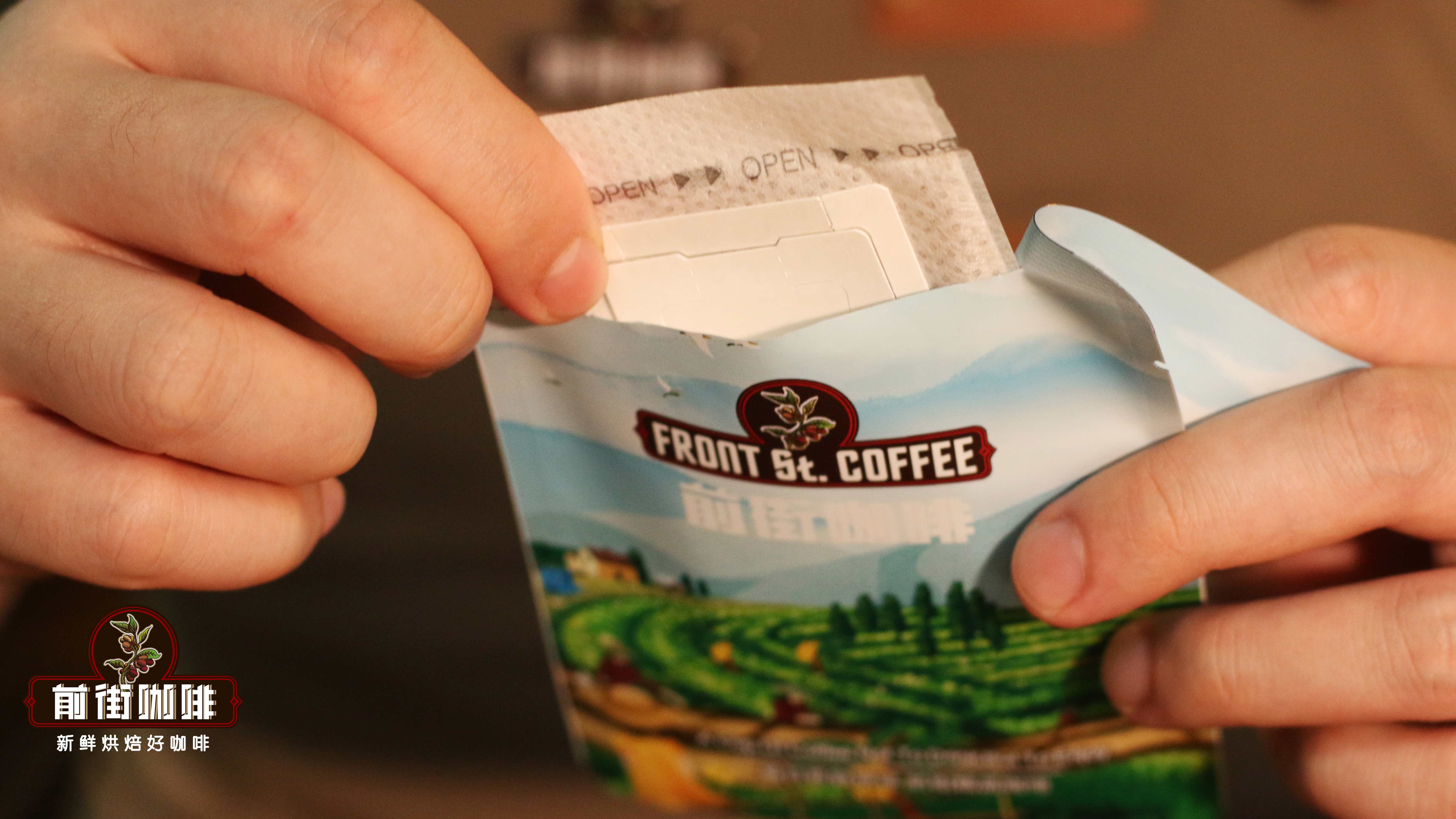
The so-called "drip bag" actually originated from an innovative creation by Japan’s Yamasan Industry Co., Ltd. in the 1990s. This design was inspired by traditional hanging tea bags and aimed to simulate the pour over drip brewing method. The coffee grounds are pre-packed in a non-woven filter bag, and the "little ears" on both sides of the bag allow the entire filter to be securely hung on the rim of a cup. Due to its ear-like shape, it earned the name "drip bag coffee." In 2002, this design was patented in Japan and quickly gained market popularity, becoming one of the icons of convenient coffee.
Using a drip bag is incredibly simple—just a kettle of hot water and a cup are all you need to enjoy a rich cup of coffee. After brewing, you only need to discard the filter bag and coffee grounds, eliminating the hassle of cleaning equipment. With the rise of specialty coffee trends, more and more beans from different regions and processed in various methods have been made into drip bags, offering consumers more diverse choices. However, many users report that the drip coffee they brew themselves often lacks the aromatic richness and layered taste of pour over coffee.
Compared to pour over coffee, drip bags have a lower barrier to entry, but precisely because they don’t require strict control over pouring technique, time, or ratio, the resulting flavors can easily become flat. Additionally, the coffee grounds in drip bags are usually pre-ground and sealed, so their freshness and aroma are not as direct as freshly ground coffee. If stored for too long, they may even develop woody or cardboard-like notes. To preserve the original flavors of the coffee to the greatest extent, it’s recommended to choose drip bags made from freshly roasted beans and consume them as soon as possible after receiving them for the best flavor experience.
To brew a drip coffee that’s aromatic and full-bodied, the key lies in mastering the right water temperature and coffee-to-water ratio. Generally, the higher the water temperature, the more aromatic compounds can be extracted from the coffee, but excessively high temperatures can bring out burnt or bitter notes. It’s recommended to use hot water around 90°C, which balances flavor extraction while avoiding over-extraction. If using just-boiled water, let it sit for about 1–2 minutes to cool to the suitable range. The coffee-to-water ratio is also a critical factor affecting flavor; it’s suggested to use the golden ratio of 1:15—that is, 10 grams of coffee grounds to 150 grams of hot water—this proportion delivers balanced and rich taste. If you don’t have a scale, a marked cup can also be used for estimation.
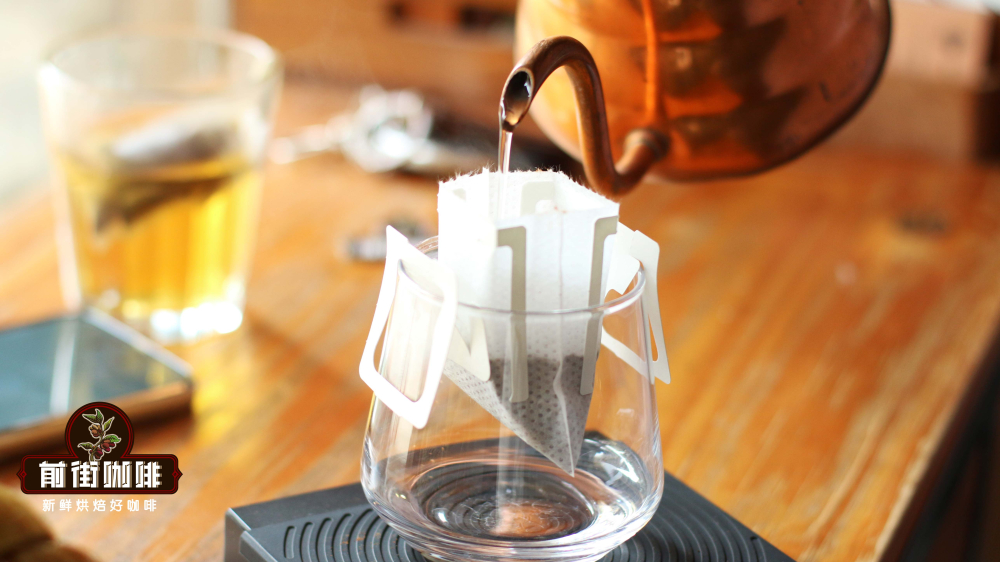
When actually brewing drip coffee, follow these steps: First, boil water and prepare a suitable brewing kettle, cup, and your favorite drip bag (usually each pack is 10 grams, yielding about 120–130 ml of coffee liquid). Open the sealed package, carefully tear open the non-woven filter bag, unfold the two "ears," and hang them on the rim of your cup or sharing pitcher. The first step is blooming—inject a small amount of hot water, enough to wet all the coffee grounds, and let it sit for 10–20 seconds. This helps release gases from the coffee grounds, making subsequent extraction more stable. Then, switch to a small, steady stream of water until the liquid level nears the rim, wait for the coffee to drip down until the level drops. Finally, pour the remaining hot water until the total reaches about 150 grams. Once the coffee has completely filtered through, it’s ready to enjoy. It’s recommended to gently stir the coffee liquid before drinking to achieve a more consistent flavor experience, and you can adjust with sugar or milk to suit personal taste.
Here are three recommended classic beans ideal for drip bags, each with unique flavor profiles to satisfy different preferences. First is the washed coffee from Gedeb Woreda’s Gedeo Zone, Ethiopia—specifically the fruit-forward Yirgacheffe cooperative “Gutingding.” This region is known for its bright acidity and floral notes. This bean uses traditional washed processing, grown at altitudes between 1900–2300 meters from local heirloom varieties, graded as G1. Its flavors showcase layers of citrus, berries, lemon, cane sugar, and green tea—bright and refreshing, perfect for those who enjoy fruity acidity.
The second recommendation comes from Brazil’s Mogiana region—Fazenda Rainha (Queen Estate), renowned for hand-picking and refined processing, focusing on the Yellow Bourbon variety. With medium-dark roasting, it highlights the signature rich aroma of Brazilian coffee while retaining the sweet traits of Bourbon. Key flavors include dark chocolate, cream, peanuts, sugarcane, and nuts. It’s ideal for those who prefer low-acidity and bold-bodied coffee, especially great for lattes or pairing with breakfast.
The third is the Huila coffee from Ethiopia’s Sidamo region—the “Huila King” bean, which won the TOH competition in the natural (sun-dried) category. It’s widely praised for its unique strawberry cream flavor. Processed via sun-drying, it delivers rich layers of berries, floral tea, honey, lemon, and black tea—balancing sweet and acidic notes with a full body. It’s an excellent choice for coffee lovers who enjoy distinctive flavors and fruitiness. Grown at elevations of 2250–2350 meters from local heirloom varieties, it showcases exceptional complexity and character.
The above content is compiled by CoffeeHunters, a coffee news website.


