







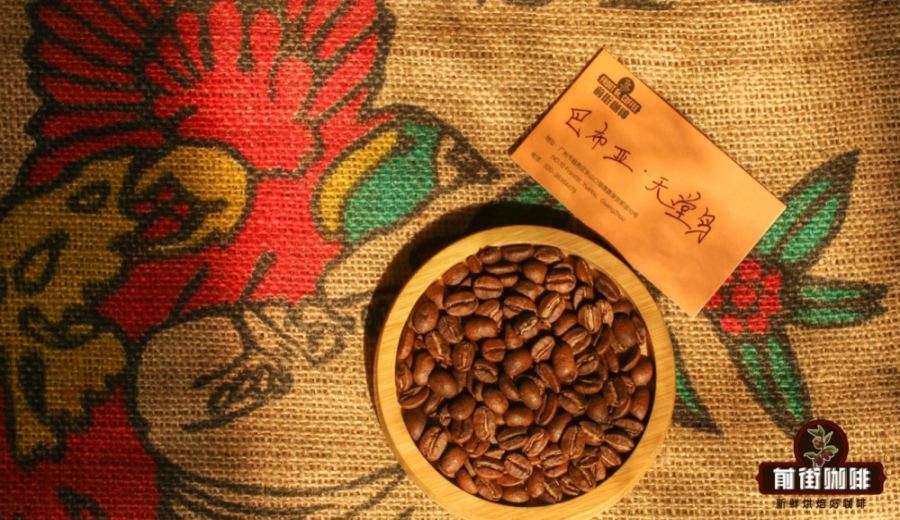
Introduction:Want to understand what makes specialty coffee from Oceania unique? This article delves into the characteristics of Australia and Papua New Guinea’s coffee-growing regions, their varietal genetics, and flavor profiles. It also explores why Australian coffee is renowned for its meticulous manual harvesting yet remains rare on the international market due to high production costs. Additionally, we recommend a Typica variety from Papua New Guinea that offers a clean, low-acid profile with a rich and balanced body — perfect for pour over beginners and those who prefer Asian taste preferences — along with practical tips for tasting and bean selection.
Although Oceania’s coffee scene may not be as widely known as that of Central and South America or Africa, the coffees produced in Australia and Papua New Guinea stand out with their distinctive flavors and growing backgrounds. Especially in Australia, thanks to its unique island climate and meticulous hand-picking methods, the coffee boasts a soft, layered flavor profile, making it a new destination for many specialty coffee enthusiasts seeking something distinctive.
Although Australia’s coffee cultivation area is limited, the quality is quite outstanding. The coffee here typically has a round mouthfeel, low bitterness, and a hint of unique rich aftertaste. However, due to Australia’s strong sunlight and high labor costs, most production is destined for the local market, with only a very small quantity of specialty beans available for export, making them a rare find in the market.
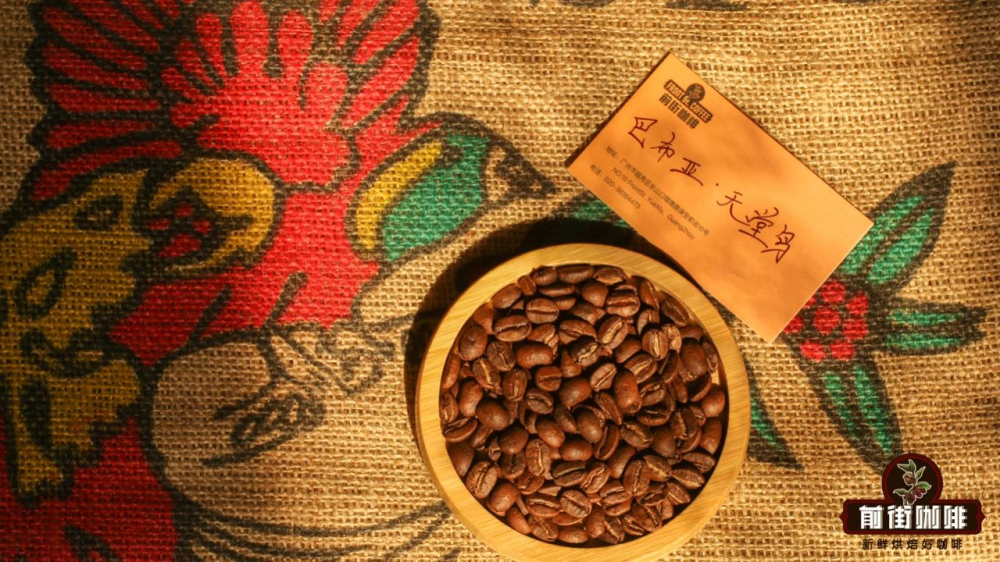
If you want to experience the charm of Oceania coffee at a more affordable price, the Typica variety from Papua New Guinea is an option not to be missed. This bean is often regarded as one of the representatives of Oceania coffee, with a long planting history, and its genetics can be traced back to early Arabica transplant cultivars. In terms of roasting, most producers opt for a medium roast, which preserves the bean’s inherent vibrancy while bringing out just the right amount of sweetness and body.
This type of medium-roasted Papua New Guinea Typica often exhibits low acidity and a solid mouthfeel, with a clear and clean flavor profile, making it suitable for drinkers who prefer a balanced taste. For beginners who are just starting with pour over or French press, these beans are easy to manage in terms of extraction, and are less prone to over-extraction or excessive acidity.
For actual tasting, it is recommended to use parameters for a medium-light to medium roast, such as a grind size around medium-fine (slightly finer than white sugar), water temperature controlled at 90–92°C, and a coffee-to-water ratio of 1:15 to 1:16. For pour over, you can use a three-stage pouring method: start with a 30-second bloom, then pour in two to three even batches, keeping the total extraction time between 2 minutes 30 seconds and 3 minutes, which helps fully bring out the bean’s sweetness and layers.
Beyond simple tasting, these coffees from Oceania’s growing regions are also great for experiencing the differences in performance across various brewing devices. Whether it’s an AeroPress, pour over kettle, or clever dripper, each can highlight its soft and layered characteristics. Especially for consumers accustomed to Japanese-style light flavors or those who prefer low-acid profiles, these coffees often deliver pleasant surprises.
In summary, if you want to explore the diverse profiles of Oceania coffee, start with the Typica variety from Papua New Guinea. It not only lets you experience the unique character of Oceania coffee, but also provides a friendly entry point — whether for everyday drinking or deeper exploration, it’s an option of great reference value.
The above content is compiled by CoffeeHunters, a coffee news website.


