








Introduction:If you want to brew a smooth and flavorful espresso at home, choosing the right coffee beans is key. Due to the high temperature and high pressure extraction characteristics of espresso machines, different roast levels and bean varieties can greatly affect the final flavor. From a practical perspective, this article delves into the advantages of medium to medium-dark roasts, and carefully selects five blends suitable for different needs—including balanced flavor, rich crema, fruity sweetness, traditional style, and high cost-performance options—to help readers find the blend that suits them best. It also provides practical advice on fresh roasting and storage.
To brew the ideal shot of espresso at home, selecting the beans is absolutely the first step. The high-temperature, high-pressure environment of an espresso machine typically requires only twenty to thirty seconds of extraction time, which makes the roast level and variety of the beans key factors influencing flavor performance. Light roasted beans in these conditions can easily release overly sharp acidity or even be under-extracted, resulting in a thin flavor; whereas dark roasted beans may become overly burnt, bringing out obvious bitterness and smokiness. Therefore,medium to medium-dark roastsare the roast range that best balances acidity, sweetness, and bitterness.
On the other hand, many coffee enthusiasts who enjoy pour over often prefer single-origin beans, as they can showcase the unique characteristics of a specific region. However, single-origin beans often have overly distinct flavor profiles and lack the multi-layered complexity and stability required for espresso. Therefore, when making espresso,blends become the mainstream choice. Through the clever combination of beans from different regions and processing methods, blends can offer a more consistent and rich tasting experience.
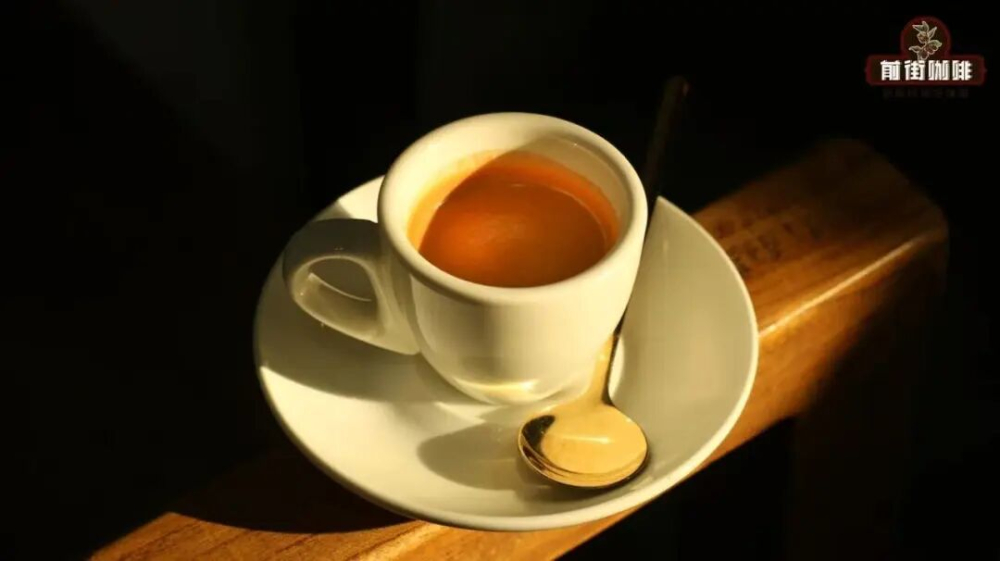
Below are five well-reviewed espresso blends that combine great flavor with value for money, each designed to suit different preferences—from balanced and smooth to bold and creamy, fruity sweetness, and even budget-friendly options—helping you make the best choice based on your taste preferences.
First up is the ‘Balanced Flavor’ combo, commonly featuring a blend of Colombian and Brazilian beans. Colombian beans bring a distinct nutty and chocolatey base, while Brazilian beans add notes of peanuts and cream. Together, they balance each other out, producing an espresso with a smooth texture, fresh aroma, and a moderate mild bitterness typical of American beans. The crema performance is also quite good, making it ideal for those who prefer stable and reliable flavors.
If you prefer a richer and fuller-bodied coffee, consider a ‘Rich Crema’ blend that includes Robusta. These blends typically mix Colombian, Brazilian, and a certain proportion of Robusta to enhance body and silky crema. The addition of Robusta not only improves the crema of the espresso but also delivers a more robust mouthfeel. It’s suitable for those who enjoy strong coffee or run coffee shops, offering daily output that is both stable and distinctive.
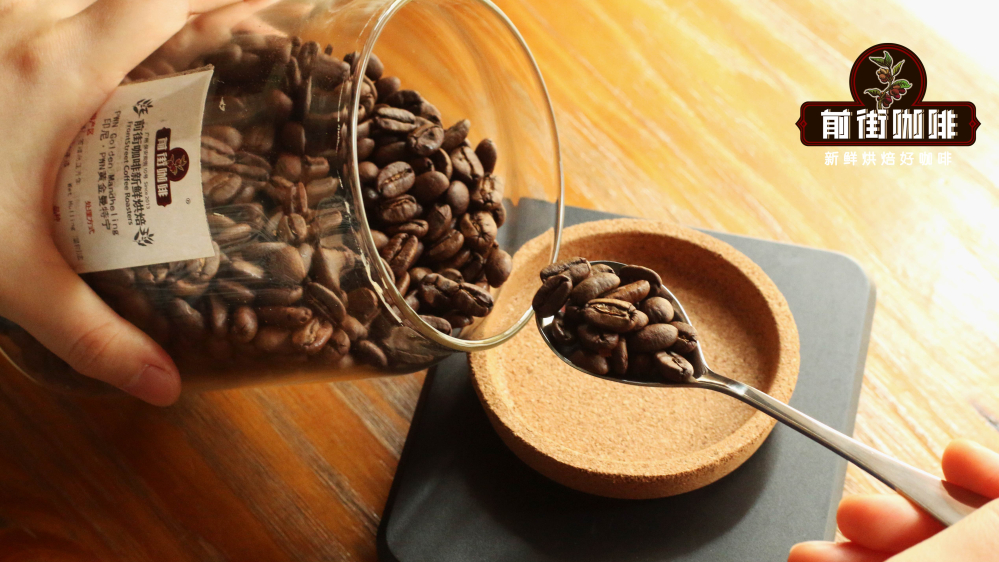
For readers who enjoy a noticeable sweetness and rich flavor layers, the ‘Fruity Sweetness’ type of blend is worth trying—for example, combinations of Costa Rican, Colombian, and Ethiopian beans. Costa Rican honey-processed beans bring a natural fermented sweetness, along with fruit elements such as rose, grape, and dried blueberry from Colombian and Ethiopian beans, making the overall flavor more vibrant. These blends usually have medium crema, with a well-balanced sweet and acidic profile, making them ideal for use with milk to make lattes or caramel-flavored drinks.
For enthusiasts who are committed to traditional Italian-style flavors, the ‘Traditional Espresso Blend’ is a great option. Based on deep-roasted Brazilian, Indonesian Mandheling, and Vietnamese beans, this blend highlights bold smoky and nutty aromas, while also delivering thick and velvety crema. Whether used for Americano or latte, these blends showcase the layered aroma typical of dark roasts, making them the top choice for those who love intense coffee flavors.
Lastly, if you’re just starting out or looking to manage your budget, consider a ‘High Cost-Performance’ blend. For example, an economical option blending Yunnan and Brazilian beans may not have as intense a flavor profile as premium blends, but the overall taste is mild and easy to enjoy. It’s suitable for everyday drinking or high-volume usage, such as in homes or small cafes, making it an extremely cost-effective and practical choice.
When purchasing espresso beans, in addition to the blend and roast level,freshness is key. It’s recommended to choose products that clearly indicate the roast date (rather than the expiration date), and to opt for beans that have been recently roasted whenever possible. Generally speaking,within 5 to 14 days after roastingis the optimal tasting period for espresso beans, allowing their full flavor potential to shine. Additionally, when buying, prioritize professional roasters or reputable brands to ensure quality and freshness.
The above content is compiled by CoffeeHunters, a coffee news website.


