







Introduction:Although Honduras may not be the most well-known coffee-producing country, its high-altitude environment and diverse processing methods have given rise to uniquely flavored specialty beans. This article delves into the country’s six core growing regions, the harvesting practices of smallholder farmers, and the much-talked-about sherry cask fermentation process. It explores the origins of the whisky and vanilla aromas, and offers practical pour over and cold brew parameter recommendations to give you a comprehensive understanding of this rising coffee star in Central America.
When discussing coffee-producing countries in the Americas, Brazil, Colombia, and Panama often come to mind first. But Honduras, a mountainous Central American nation, has quietly emerged as a major global coffee exporter thanks to its exceptional geographical conditions. Its high-altitude mountainous regions and tropical rainforest climate provide an ideal environment for coffee trees, resulting in beans with richly layered flavors.
The history of coffee cultivation in Honduras dates back to the late 18th century, initially introduced by Spanish trading caravans. It wasn’t until around 1804 that small-scale coffee farming activities began within the country. However, prolonged political instability severely hindered industry development. It wasn’t until 1970, when the government established the official body IHCAFE to improve coffee quality and expand international trade, that the industry saw a turning point. In 2011, Honduras’ coffee production successfully surpassed that of neighboring Costa Rica and Guatemala, solidifying its position in the international market.
Honduras is located in the northern part of Central America and boasts a unique geographical environment. It borders the Caribbean Sea to the north and the Pacific Ocean to the south. Over three-quarters of the country’s land consists of high-altitude mountains, which primarily run from west to east, while the coastal areas are mainly plains. Due to its proximity to the equator, most regions have a tropical rainforest climate, with an average annual temperature of about 23°C, making it very suitable for growing coffee and bananas, among other tropical crops.
The country’s six major coffee-growing regions include: Copan, Opalaca, Montecillos, Comayagua, Agalta Tropical, and El Paraiso. These regions, due to differences in altitude, microclimate, and soil, each exhibit unique flavor characteristics.
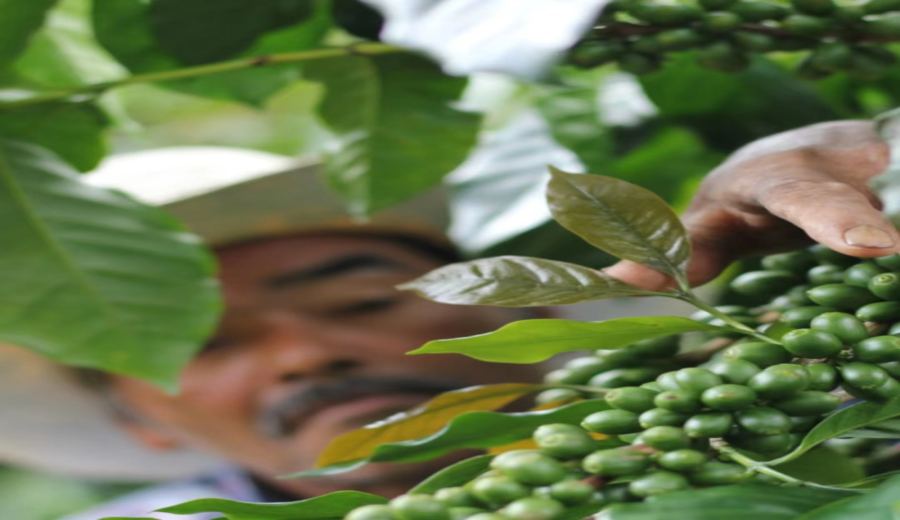
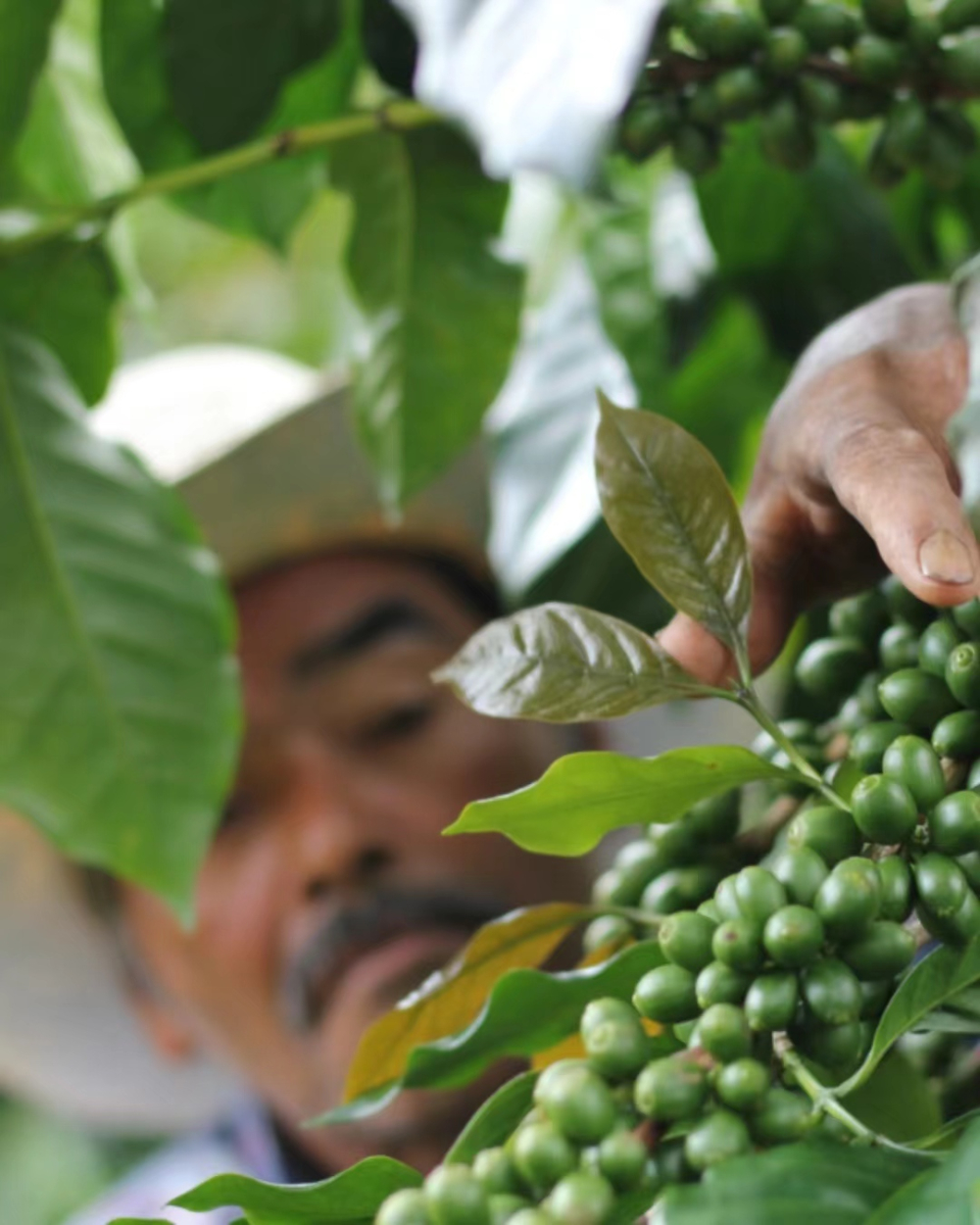
Honduras has approximately 280,000 hectares of coffee-growing land, the vast majority of which is owned by smallholder farmers. Each farmer typically owns less than 3.5 hectares, yet they account for about 60% of the country’s total production. Due to the rugged terrain and limited living standards, manual harvesting remains the primary method. For many impoverished families, the income from selling fresh coffee cherries is an important economic source for the year. However, backward transportation infrastructure, especially the inconvenience of connecting the northern and southern regions, leads to high transportation costs and also limits expansion into international markets.
In recent years, with the rise of the specialty coffee trend, Honduras’ coffee associations and processing mills have begun to experiment with various post-harvest processing methods to enhance bean quality and market competitiveness. In addition to traditional washed processing, sun-drying, honey processing, and special fermentation techniques have gradually become more common, resulting in more diverse coffee flavors. Common notes such as nuts, vanilla, cream, chocolate, and spices have also become increasingly pronounced.
When it comes to Honduran coffee, many people first think of those sherry cask fermented beans full of whisky and vanilla aromas. How exactly is this unique flavor formed? The key lies in its special post-harvest processing method.
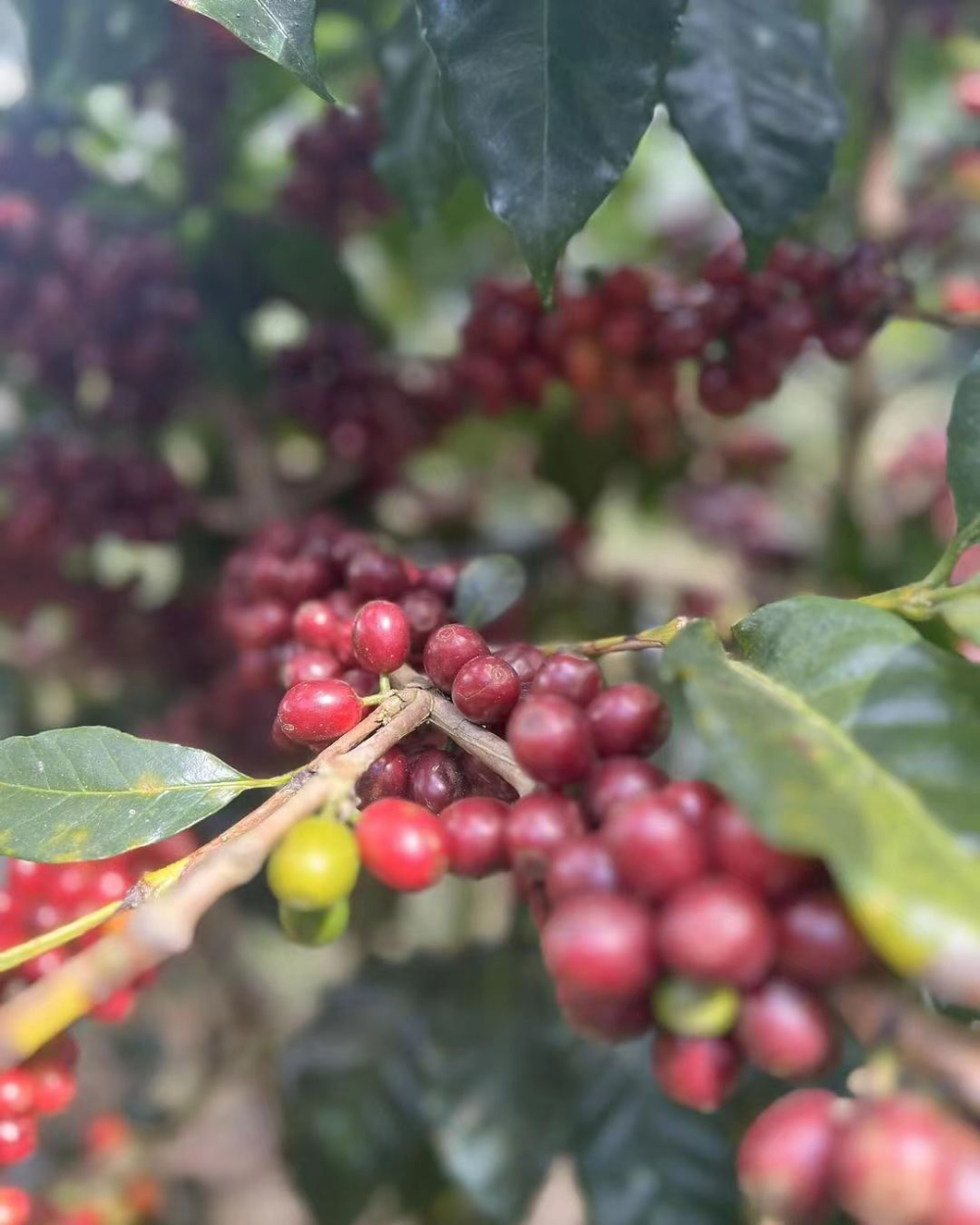
Before undergoing cask fermentation, the fresh coffee cherries must first go through washed processing. Farmers pour the harvested berries into water tanks to remove unripe beans that float to the surface, leaving behind the mature, plump fruit. Next, a pulper is used to remove the outer skin and most of the pulp. At this point, the beans are still covered with a layer of mucilage, which needs to be soaked in a fermentation tank for 16 to 36 hours to allow microbes to break down the mucilage. It is then thoroughly rinsed with clean water, and finally the beans are dried to the target moisture content.
The inspiration for sherry cask fermentation comes from wine-making. During the fermentation process, the wooden barrels allow trace amounts of air to penetrate, prompting the coffee beans to undergo moderate oxidation, further developing complex fermented aromas. In addition, the tannins in aged wine barrels gradually seep into the beans, imparting them with a rich, wine-like aromatic quality. This technique not only enhances flavor complexity but also gives the coffee a unique sweetness and layered profile.
Honduran sherry coffee, with its rich aromas and full-bodied taste, is very suitable for brewing via pour over or drip bags. If you prefer cold drinks, you can also try cold brew or ice drip, which can further highlight its whisky-like aftertaste and vanilla notes. For pour over, it is recommended to use medium-fine grind, a water temperature of about 90–92°C, a coffee-to-water ratio of 1:15, and segmented extraction to achieve the best balance.
The above content is compiled by CoffeeHunters, a coffee news website.


