







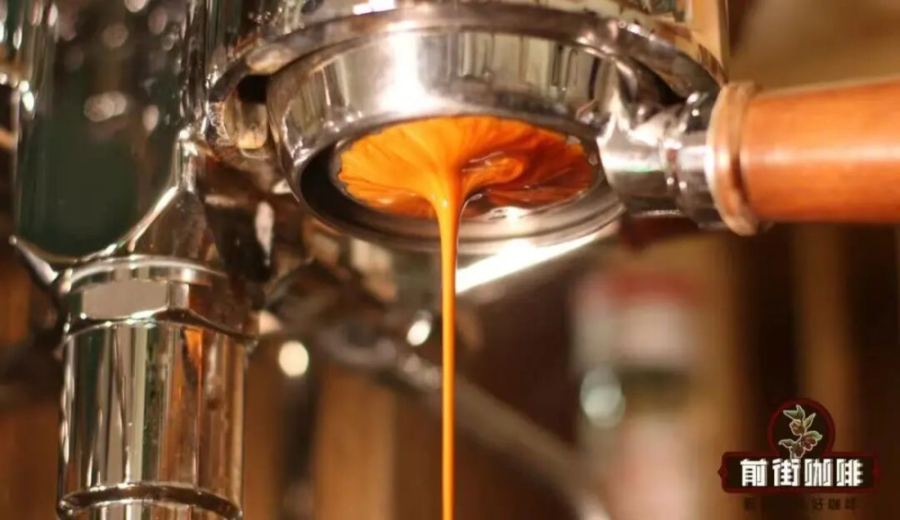
Introduction:Frequent splattering during espresso extraction is often caused by channeling. When hot water bypasses an even path and rushes through the least resistant part of the coffee puck, it not only affects flow rate but also leads to uneven extraction, resulting in sharp acidity and unpleasant bitter or astringent flavors. This article delves into the causes of channeling and offers five practical improvement methods—from coffee distribution, tamping, dosing, to clump management—to help you achieve a consistently balanced shot of espresso.
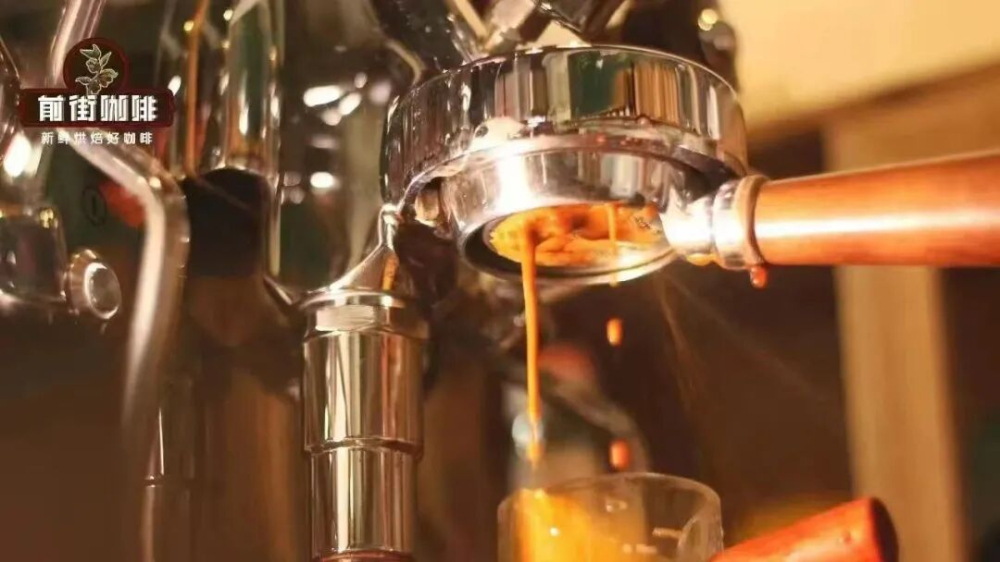
When using a bottomless portafilter for espresso extraction, if you frequently notice sudden coffee splatter, it’s very likely due to channeling. Channeling refers to the tendency of hot water to follow the path of least resistance through the coffee puck, causing over-extraction in some areas and under-extraction in others. The final shot may turn out overly sour, bitter, or even unpleasantly off-flavored. While it’s impossible to completely eliminate this issue, following standardized procedures can significantly reduce its occurrence. Next, we’ll analyze how channeling forms and share five key techniques to improve your extraction stability.
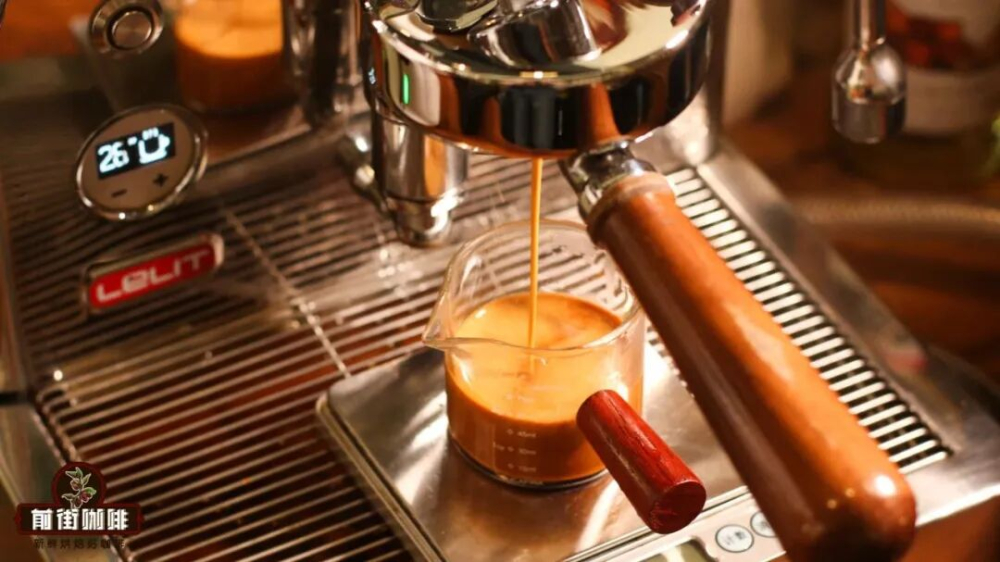
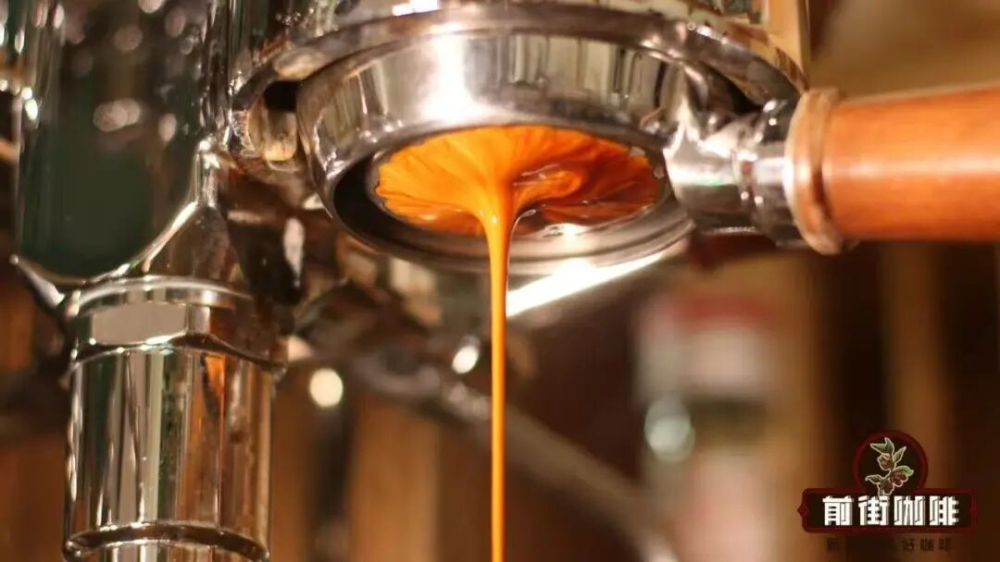 Nowadays, more and more coffee enthusiasts are opting for bottomless portafilters. These portafilters forgo the traditional spout design, leaving the bottom open so that the entire extraction process—from the first drop to the last—is fully visible, adding an extra layer of engagement to the brewing experience. However, if splattering occurs frequently, it's advisable to revisit the pre-extraction steps, as it’s usually a result of improper technique.
So, how does channeling actually occur? Simply put, water is inert and tends to flow through the path of least resistance. During espresso extraction, since the overall resistance of the coffee puck is high and extraction time is short, any area with lower resistance will attract a concentrated flow of water. This leads to localized over-extraction while the rest of the puck is under-extracted. The result is often a shot with sharp acidity, prominent bitterness, and unwanted off-flavors. A close look at the used puck often reveals numerous small holes—visible traces of where water has carved through the coffee.
 To avoid channeling, we can adjust and optimize the following five critical aspects:
1. Uneven Distribution
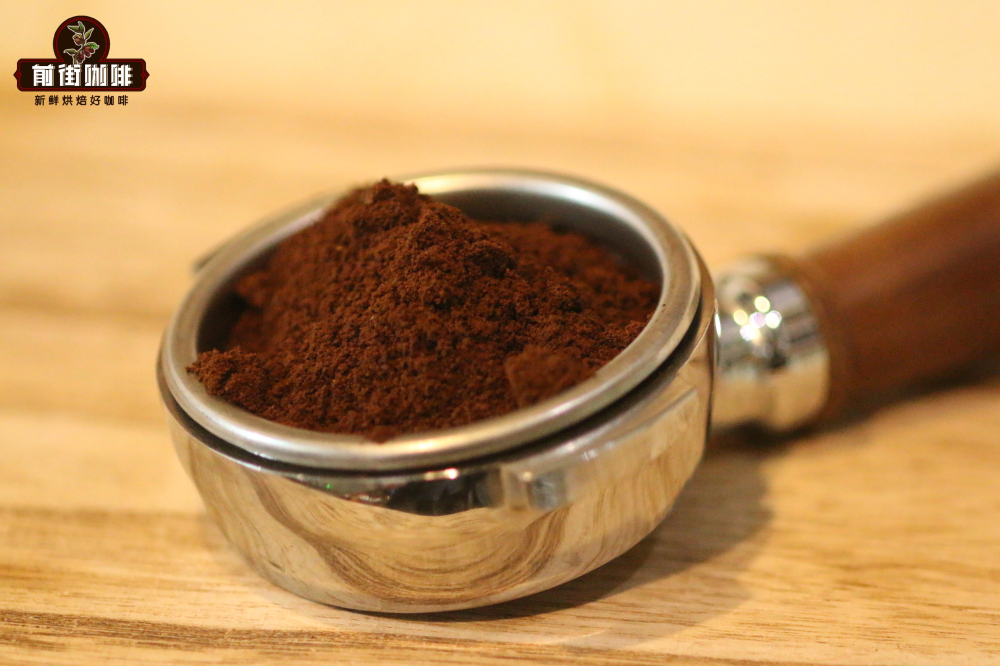
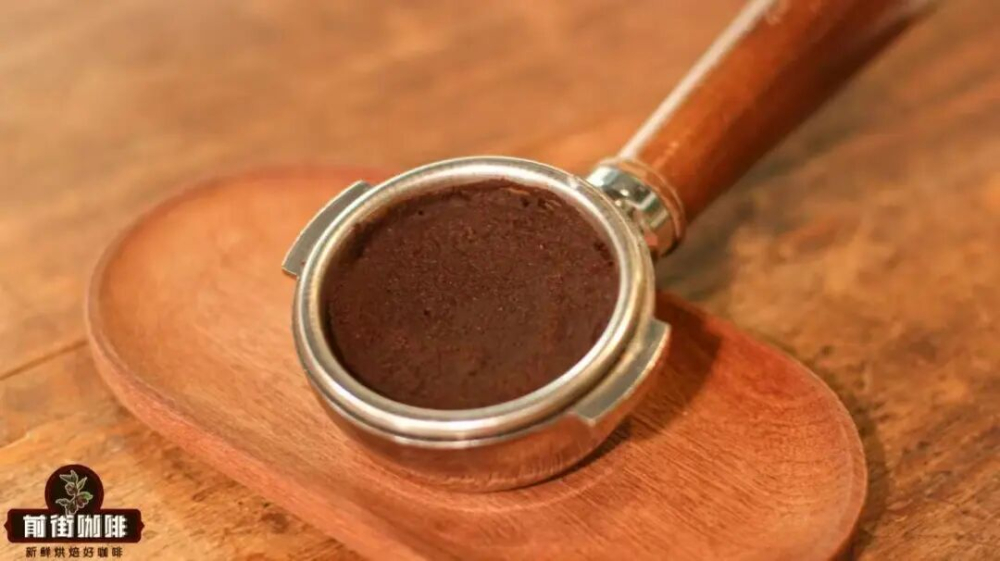
Distribution is the first step after dosing coffee into the portafilter. Its purpose is to ensure the coffee grounds are evenly spread across the basket so that resistance is uniform throughout the puck and water doesn’t concentrate in one spot. However, many users, in a rush, overlook this step—merely giving the grounds a quick stir or skipping it entirely before tamping and extracting. This greatly increases the risk of channeling and results in imbalanced flavor. Take the time to distribute the coffee properly, ensuring every particle is evenly positioned to lay the foundation for stable extraction.
2. Uneven Tamping Pressure
Even with good distribution, inconsistent tamping pressure can still create varying resistance across the puck. Areas with more pressure become more resistant, while less-pressed zones offer lower resistance, causing water to flow preferentially through the easier paths and leading to uneven extraction. Therefore, it’s important to apply even pressure when tamping to ensure the puck is uniformly compact and resistant. If you’re new to tamping or unsure about your technique, consider referring to professional tutorials to refine your method.
3. Bumping the Portafilter When Locking In
Some users, when attaching the portafilter to the group head, fail to align it precisely on the first try. Instead, they fumble and bump the portafilter multiple times before locking it in. Such actions can create cracks or uneven surfaces in what should be a level puck, allowing water to channel through these fissures quickly and intensely, resulting in channeling. To prevent this, aim to lock the portafilter in place smoothly and accurately on the first attempt, minimizing unnecessary knocks or bumps that could damage the puck.
4. Insufficient Dose or Too Coarse Grind
Using too little coffee or grinding too coarse reduces the overall resistance of the puck, making it easier for water to break through and channel through certain areas. To address this, try adjusting to a finer grind setting or slightly increasing the dose to raise the puck’s resistance and support more even extraction. Some also experiment with pressure profiling—reducing brew pressure to minimize channeling—but this method has a steeper learning curve and is generally less stable than simply refining grind size and dose. For beginners, start with grind adjustment and dosing.
5. Excessive Coffee Clumps
Aside from technique, the physical state of the coffee grounds themselves can contribute to channeling. During grinding—especially in dry conditions or when the grind is very fine—static electricity can cause the coffee particles to clump together. These clumps create uneven resistance within the puck, and water will naturally flow through the path of least resistance between them, triggering channeling. To solve this, use a distribution tool (like a WDT tool) to gently break up clumps before distribution, or lightly tap the portafilter to disperse any dense pockets. Make sure the coffee is evenly loose before proceeding with distribution and tamping. If you don’t have a distribution tool, lightly tapping the edge of the portafilter can help, though it’s less effective.
In summary, while channeling can’t be entirely avoided, following proper distribution, consistent tamping, careful portafilter handling, appropriate dosing and grind adjustment, and effective clump management can all significantly reduce its occurrence—helping you pull consistently balanced, flavorful, and complex shots of espresso.
The above content is compiled by CoffeeHunters, a coffee news website.


