








Introduction:If you want to easily brew espresso-style coffee at home, the moka pot is one of the most economical and practical choices. This article thoroughly explains the entire process of using a moka pot—from bean variety and roast level, grind size, heat control, to correct extraction steps and troubleshooting common issues. Whether you're a beginner or an experienced coffee enthusiast, you can master key techniques to brew a moka pot coffee with balanced flavor and rich body.
The moka pot uses a pressure-based extraction method, allowing you to easily brew rich, espresso-like coffee at home. The key lies in selecting the right coffee bean variety, controlling the appropriate grind size, and precisely managing heat and extraction time, so you can consistently brew coffee with a full body and concentrated aroma. Below, we’ll guide you step-by-step through bean selection, grind assessment, operation procedures, and flavor adjustments to help you master the essentials of using a moka pot.
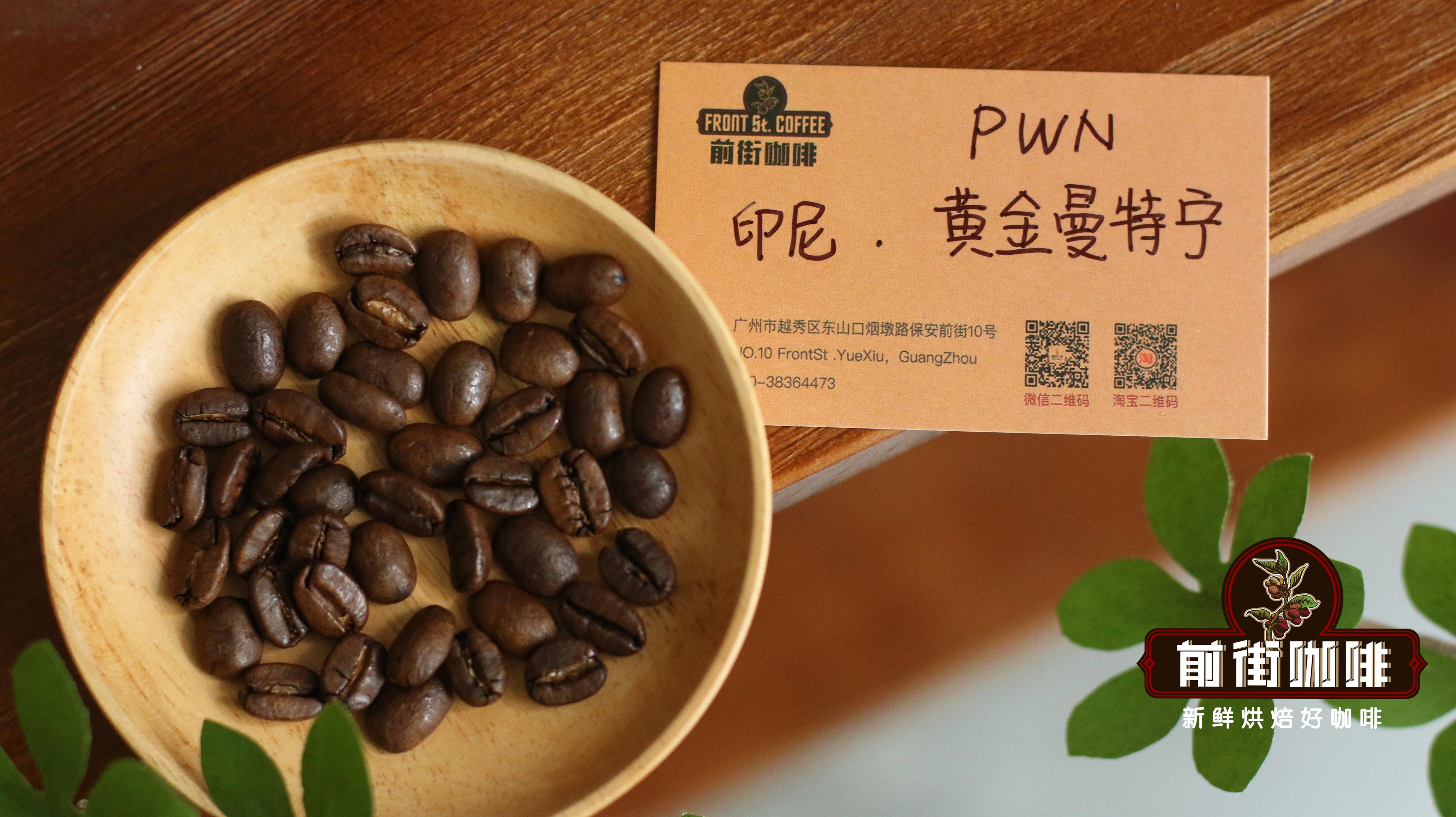
First, the moka pot is best suited for medium-dark to dark roasted coffee beans. These beans, due to their longer roasting time, have a richer, smoother flavor and readily release abundant oils and caramelized compounds, making them particularly well-suited for pressure extraction. If you prefer a brighter or more acidic cup with a lighter body, you may opt for medium-light roasted beans, but be aware that these are more challenging to extract properly, often resulting in under-extraction or uneven flavor. Additionally, coffee bean freshness is extremely important—choose beans roasted within 7 to 21 days for optimal flavor performance.
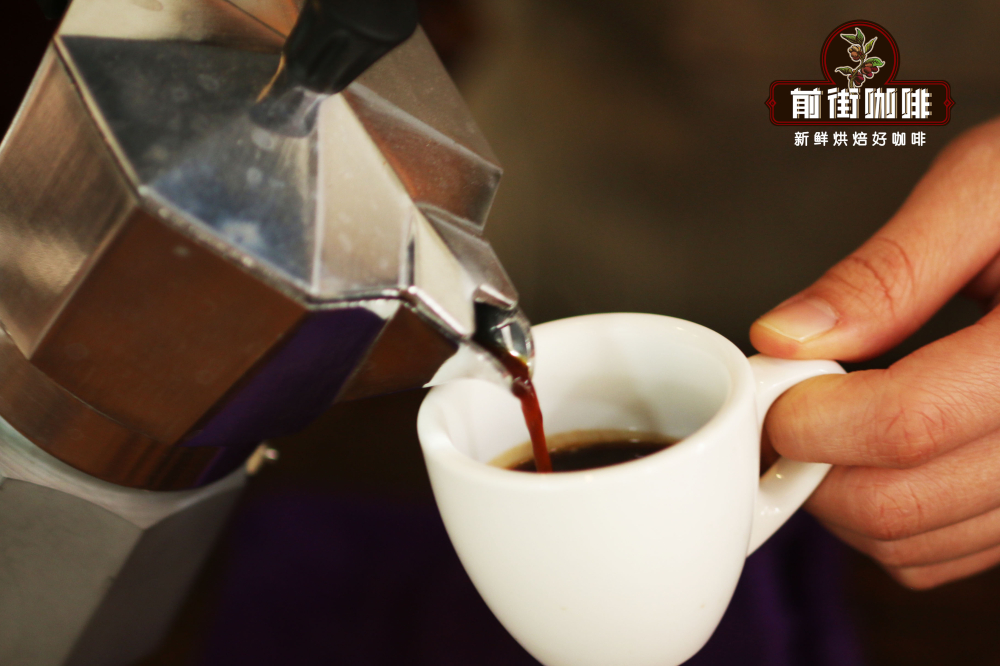
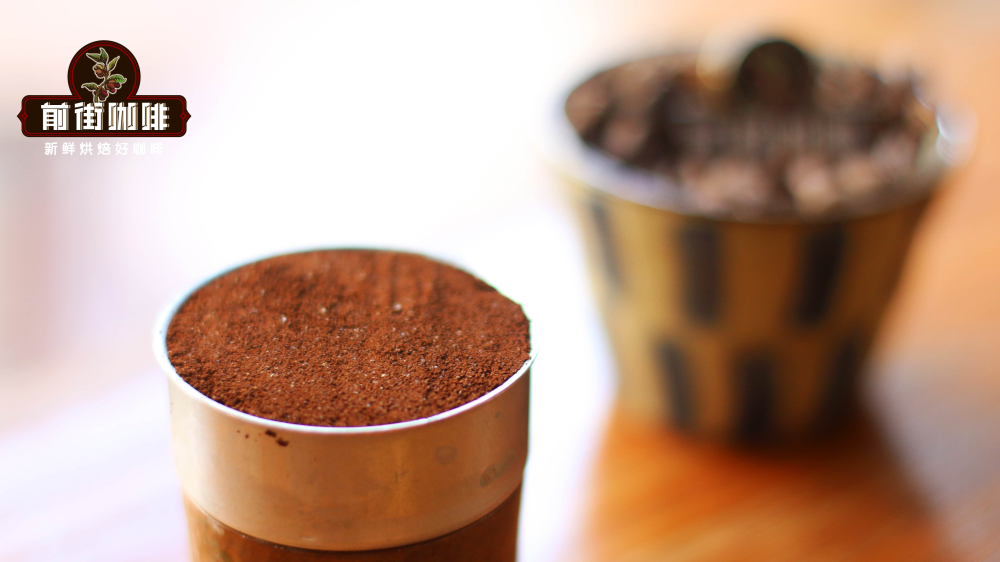
Regarding coffee grind size, the moka pot requires a grind between espresso and pour over—roughly similar to the texture of fine sugar or fine salt. If the grind is too coarse, water passes through too quickly, leading to under-extraction, resulting in a weak, flat-tasting coffee with little complexity. If the grind is too fine, water flow resistance increases, which can not only delay extraction time but also cause excessive pressure, uneven heating of the pot, or even risk of hot water spraying or the pot cracking. In practice, start with a medium-fine grind and adjust based on actual extraction results. The ideal scenario is a steady flow of coffee liquid, beginning to drip after about 20–30 seconds, with consistent flow rate.
Next, let’s go over the moka pot operation process. First, prepare the necessary tools: a moka pot (a double-chamber single-valve model is recommended), an appropriate amount of hot water, freshly ground coffee (about 18–20 grams, adjusted according to the pot’s capacity), and a heat source (such as a ceramic stove or gas burner). The steps are as follows: first, add hot water to the lower chamber—the water level should not exceed the safety valve to reduce heating time and avoid excessive pressure. Then, fill the coffee grounds into the filter basket, gently level the surface without tamping—especially when using a fine grind, as tamping significantly increases resistance, affecting flow rate and safety.
Screw the upper and lower chambers tightly together. If the lower chamber contains hot water, it’s recommended to use a damp cloth for insulation to prevent burns. Place the assembled moka pot on the heat source and begin heating. When you hear a distinct “hissing” sound or see coffee beginning to rise, immediately reduce the heat to low or medium-low to stabilize extraction pressure and avoid over-extraction. When about half of the coffee has flowed out, turn off the heat and allow residual heat to finish the remaining extraction. Timing this moment correctly is key to achieving balanced flavor—neither overly bitter nor sour.
Once brewed, you can enjoy moka pot coffee in a way that suits your taste. The simplest way is to drink it straight to enjoy its intense, pure coffee flavor. You can also dilute it with hot water to make an Americano, ideal for those who prefer a lighter taste. For a latte, heat fresh milk to 60–65°C and mix it with the coffee in a 1:2 to 1:3 ratio for a smooth, aromatic drink. Fans of Southeast Asian flavors might try adding sweetened condensed milk and ice to create a cold, sweet beverage similar to Vietnamese iced coffee—a unique twist.
If your brewed coffee tastes overly burnt or bitter, it may be due to over-extraction from too long a brew time or excessive heat—next time, shorten the extraction time or turn off the heat earlier. If the flavor is too acidic or has noticeable off-notes, the grind may be too coarse or the coffee not evenly tamped, causing under-extraction. Adjust to a finer grind or ensure the coffee is evenly distributed and lightly compressed. Through repeated experimentation and adjustments, you’ll find the optimal extraction parameters tailored to your specific moka pot and personal taste.

In summary, the moka pot is a great starting point for entering the world of espresso-style coffee. Not only is it easy to use, but it can also produce a rich coffee similar to that from professional machines. The key lies in understanding how bean variety, grind size, heat, and time interact. With continual trial and adjustment, you’ll be able to brew the perfect coffee to suit your taste. Whether for daily energy, home enjoyment, or sharing with friends, the moka pot brings plenty of coffee joy.
The above content is compiled by CoffeeHunters, a coffee news website.


