







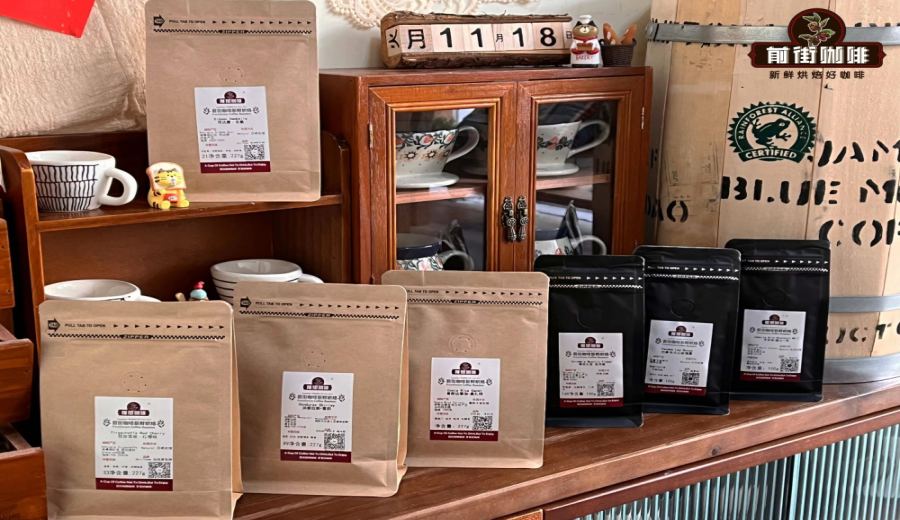
Introduction:The global coffee market is flourishing with diversity, where different regions and varieties create unique flavor profiles. This article selects classic coffee beans from six major regions—from the citrusy floral notes of Ethiopia, the tomato-like acidity of Kenya, to the nutty chocolate tones of Brazil, the herbal richness of Indonesia, the honeyed sweetness of Panama Geisha, and the berry-tea character of China’s Yunnan Typica—to analyze their regional characteristics, processing differences, and flavor profiles. It also includes practical references on altitude, variety, and brewing methods to help coffee beginners develop a systematic tasting perspective.
Coffee, alongside tea and cocoa, is one of the world’s three major beverages. Though it has been introduced to China for just over a hundred years, the rise of pour over and specialty coffee cultures has rapidly expanded its fan base. However, faced with diverse global regions and processing methods, beginners often don’t know how to choose. This article compiles representative beans from six major global regions, introduces their flavor characteristics and processing techniques in depth, and provides practical parameters to help readers more easily find coffee that suits their taste.
1. Ethiopia · Yirgacheffe (Gedeo Cooperative)
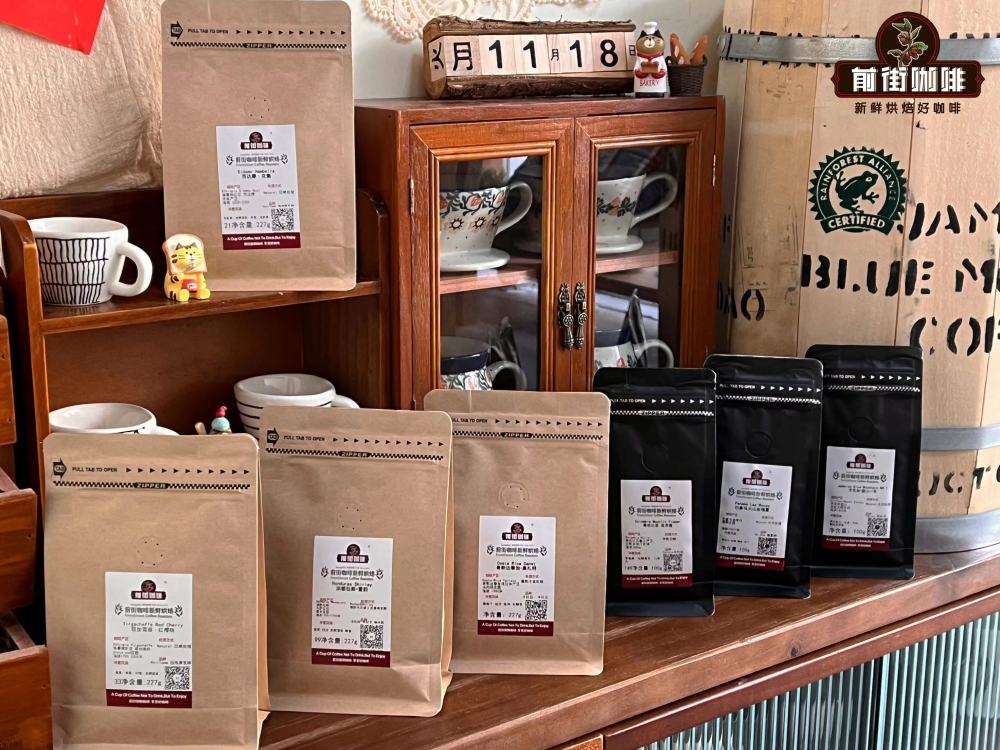
Although Yirgacheffe belongs to the Sidamo region, the unique coffee flavors produced in this small town—bright acidity and delicate floral notes—have gradually distinguished it as an independent region. Its hallmark lies in the citrus tones and refined tea-like body cultivated in high-altitude environments, making it a top choice for many beginners entering the world of specialty coffee.
Recommended bean: Produced by the Gedeo Cooperative, grown at an altitude of2000~2100 meters, usingwashed processing, with local native variety. The flavor profile includes citrus, black tea, floral, cream, caramel, and almond. It has a fresh mouthfeel with a subtle lemon-tea-like tea note, suitable for those who prefer bright acidity and fruity aromas.
2. Kenya · Little Tomato (Asali Processing Factory)
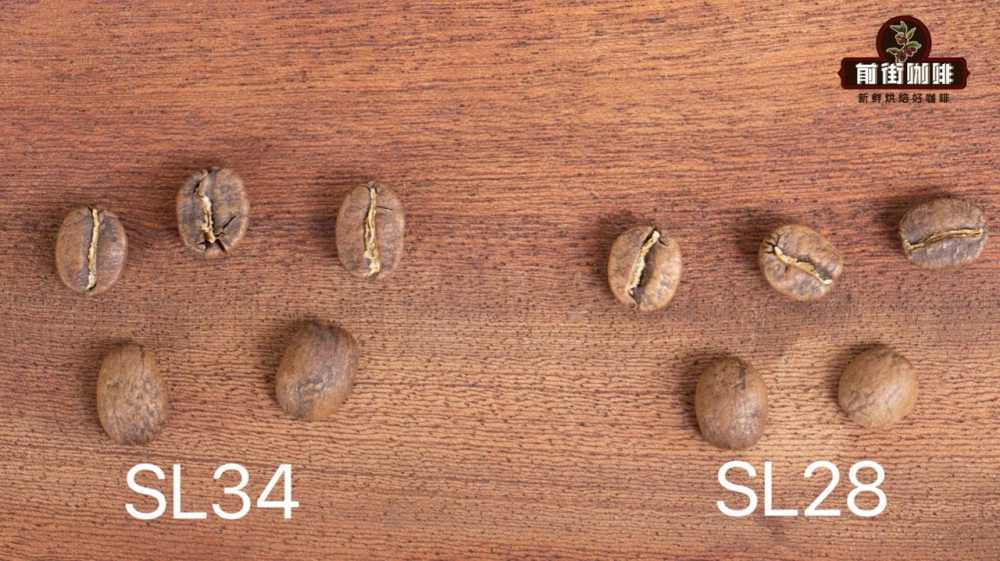
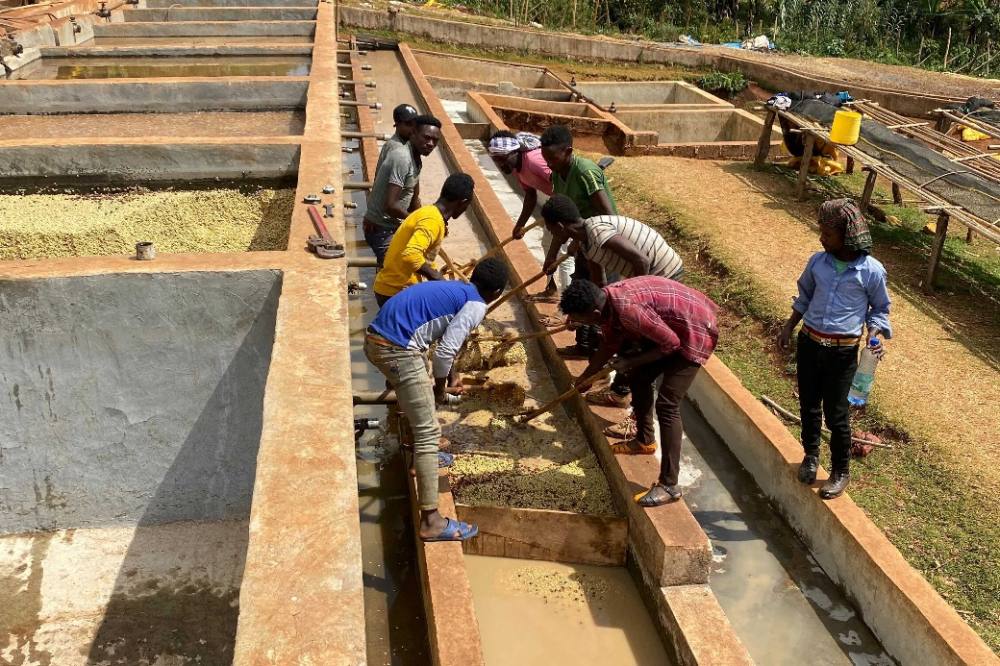
Kenyan coffee is known for its strong acidity and rich layers, particularly represented by the SL28 and SL34 varieties. These two varieties, developed by the national agricultural laboratory, thrive in medium-to-high altitudes and have strong disease resistance. Kenya’s unique K72 washed process, involving three 24-hour fermentation cycles (totaling 72 hours), enhances the coffee’s brighter acidity and fuller body.
The recommended beans come from the Asali Processing Factory in the Thika region, grown at an altitude of1550~1750 meters, with varieties SL28 and SL34, processed via K72 washed method. The flavor profile includes pear, black plum, brown sugar, cherry tomato, and plum, with vibrant acidity and a refreshing fruity aftertaste, ideal for those who enjoy a balanced sweet-and-sour cup.
3. Brazil · Queen’s Estate (Mogiana Region)
As the world’s largest coffee-producing country, Brazil excels in low-altitude cultivation (400~1600 meters) and sun-dried farming, producing beans with lower density and softer texture, typically showcasing low acidity, nutty, and chocolatey notes. The Queen’s Estate, located in the high-altitude area of Mogiana, usesnatural (sun-dried) processing, highlighting intense sweetness and a full-bodied mouthfeel.
The estate’s offerings mainly feature nutty, creamy peanut, cane sugar, and fermented fruit notes, suitable for those who prefer less acidity and seek stable, rich flavors. It’s also an ideal choice for milk pairings or cold brew.
4. Indonesia · Golden Mandheling (Gayo Highlands, North Sumatra)
Due to Indonesia’s tropical rainforest climate, where sun drying can easily cause fermentation issues, the region has developed a uniquewet hulling (Giling Basah)method. This technique involves multiple partial drying and hulling processes, resulting in coffee with low acidity, thick body, and distinctive herbal-spicy character. Golden Mandheling, produced in the Gayo Highlands of North Sumatra’s Aceh region, is a widely accepted and popular representative of Indonesian coffee.
The recommended item uses the Ateng variety, processed at an altitude of1100~1600 meters. After wet hulling, it presents layers of spice, nut, pine, caramel, herbs, and chocolate, with a bold and rich flavor profile, suitable for consumers who prefer heavy body and spicy notes.
5. Panama · Emerald Red Label Geisha (Boquete Region)
The Geisha variety gained fame overnight after winning the 2004 BOP competition. Its demanding requirements for high altitude, shaded environments, and fertile soil result in unique delicate floral notes and elegant fruit acidity. Emerald Estate is a key promoter of Geisha, and its Red Label series represents high-quality offerings.
This Geisha is grown at an altitude ofabove 1700 meters, usingnatural (sun-dried) processing. The flavor profile includes citrus, jasmine, honey, and berries, with delicate aroma and a long-lasting finish. It’s a premium choice for pour over enthusiasts.
6. China · Yunnan Typica (Lincang Region)
Yunnan’s coffee planting history spans over a century, initially dominated by the Typica variety before switching to Catimor for yield and disease resistance. The Lincang region, with an altitude of about1300 meters, distinct wet and dry seasons, and abundant sunlight, has become one of Yunnan’s key coffee-producing areas. A self-operated estate’s Typica sun-dried beans showcase a uniquely local berry and tea-like character.
This Typica is processed usingnatural (sun-dried) method, with flavors including berries, brown sugar, nuts, and tea notes. The acidity is soft, accompanied by a distinctive tea-like character, suitable for those who enjoy tea-flavored coffee or exploring local specialties.
The above content is compiled by CoffeeHunters, a coffee news website.


