








Introduction:Want to understand why cold brew has a crisper flavor? How does hot brewing showcase layered complexity? This article dives deep into the key differences between the two brewing methods—from water temperature parameters and extraction time to suitable coffee bean varieties. It will help you grasp the science behind hot and cold coffee, and unravel the secret of “why certain beans are particularly well-suited for cold brew,” assisting you in choosing the most fitting brewing method based on your taste preferences.
Like tea, coffee is also highly dependent on brewing craftsmanship, but with even more intricate details. Even when using the same coffee grounds and water, just a change in brewing method can result in vastly different final flavors. Many coffee enthusiasts find that the same coffee bean performs very differently in hot and cold drinks—this is precisely the subtle impact brought by brewing temperature and technique.

The allure of hot coffee lies in how high temperatures quickly release aromatic molecules, delivering pronounced fruitiness, floral notes, or caramel tones, making it ideal for experiencing the evolution of flavor layers. In contrast, cold brew relies on long-duration low-temperature extraction to minimize bitter and astringent impurities, resulting in a smoother, lower-acidity profile—especially suitable for summer drinking. However, not all coffee beans are suitable for cold brew, which will be explained in detail later.
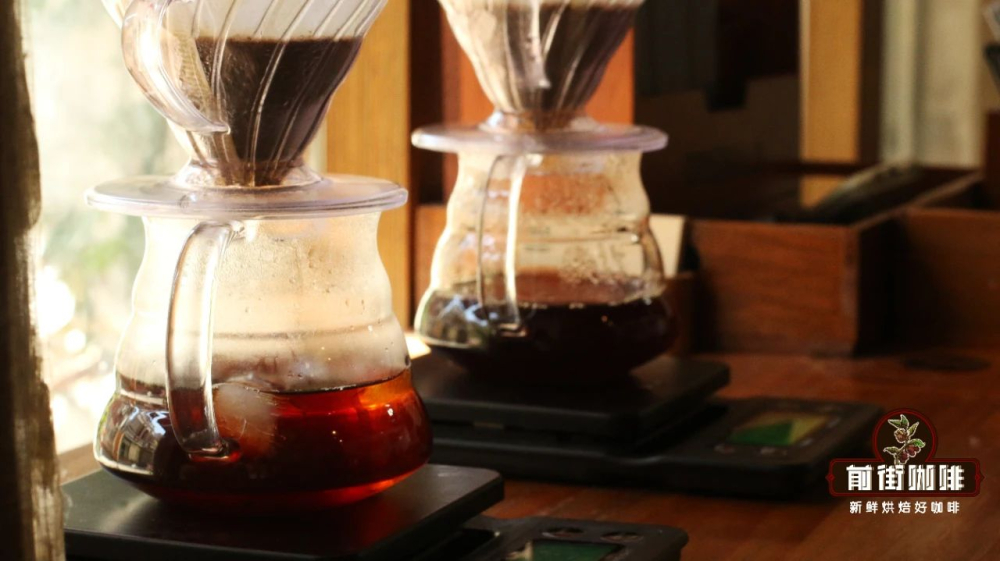
The core of brewing lies in water temperature control. It is generally recommended to use hot brewing water temperatures between 88°C and 94°C. Avoid using boiling water (over 96°C), as excessive extraction may lead to sharp acidity and woody flavors. After boiling the water, it’s advised to let it sit for 1 to 2 minutes to allow the temperature to drop to the ideal range before brewing. Cold brew, on the other hand, uses room temperature or chilled water throughout the process, slowly extracting flavor compounds through prolonged steeping.

So-called cold brew (or cold drip coffee) refers to immersing coarsely ground coffee in room temperature or ice water, then filtering it after 8 to 24 hours of low-temperature extraction to produce pure black coffee. This process doesn’t require hot water, thereby effectively reducing acidic substances and overly extracted impurities, resulting in a smooth texture, low bitterness, and clear flavor profile. Many office workers enjoy setting up the brew the night before bed and waking up the next morning to freshly made cold brew coffee.
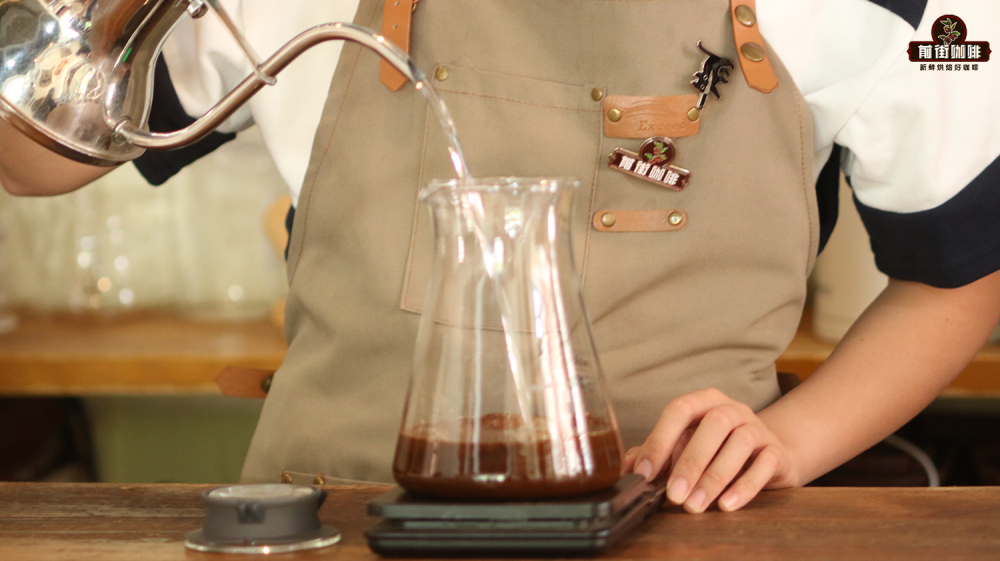
The flavor difference between hot and cold brewing mainly stems from variations in chemical reaction rates and the volatility of compounds. Hot water accelerates the release of soluble substances, including aromatic oils and acidic components, so hot coffee typically exhibits a richer aroma spectrum and brighter acidity. However, high temperatures can also bring out excessive bitter and astringent impurities, and aromas evaporate quickly—so it’s best enjoyed hot to experience the full flavor. In contrast, cold brew is a slow and gentle process, extracting only the more stable sweet and mellow compounds from the coffee, significantly lowering acidity and resulting in a softer, smoother mouthfeel.
From a scientific perspective, the flavor compounds in coffee dissolve and volatilize most efficiently at 195–205°C (near boiling point)—this is the main reason hot brewed coffee has such intense aromas. But high temperatures also accelerate oxidation reactions, which may produce unpleasant burnt or sour notes. Although cold brew has a lower extraction efficiency, its oxidation process is extremely slow, preserving more of the sweet foundational flavors, and the finished product has a longer shelf life—it can be stored in the refrigerator for 2 to 4 weeks, far surpassing the few-hour optimal window of hot brewed coffee.
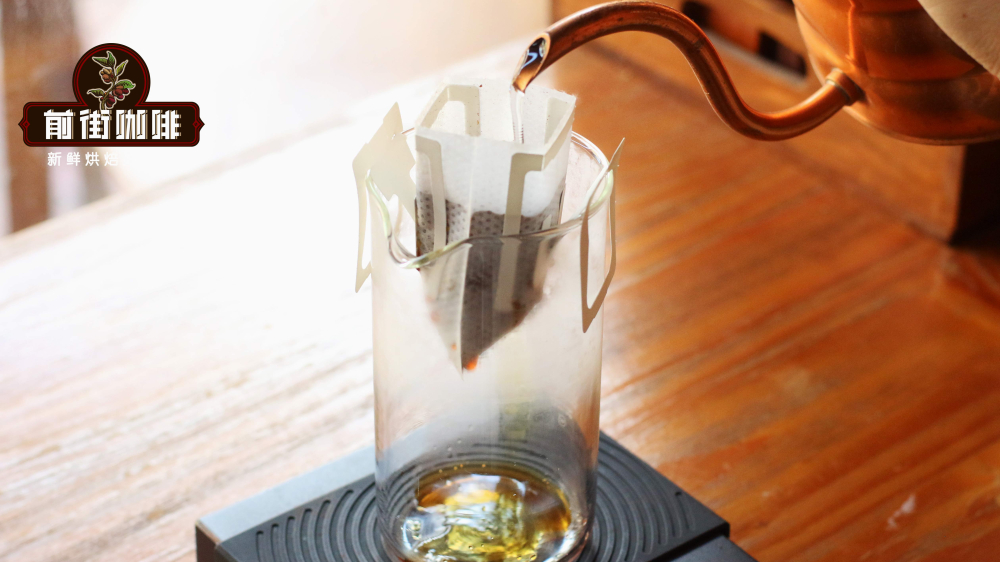
Is cold brew better than hot coffee? That depends on personal taste preferences. Hot coffee fully showcases the regional characteristics and processing-method flavors of the beans, from citrus and berries to nuts and chocolate, with distinct layers that shift with temperature. But when hot, the tongue is less sensitive to bitterness, making it easier to overlook subtle details. Cold brew amplifies sweetness and body while reducing acid and bitterness stimulation, making it suitable for those who prefer a refreshing taste. However, cold brew has a more subdued aroma compared to the boldness of hot coffee, and it requires more coffee grounds and time investment.

Choosing the right coffee bean is key. Beans with high sweetness and low acidity—such as Central American varieties (like Guatemala or Costa Rica) or Southeast Asian Sumatra Mandheling—often produce balanced and elegant cold brew. Light roasts are ideal for highlighting aroma in hot brews, while medium-to-dark roasts develop more sugar compounds and are often better able to withstand long-duration low-temperature extraction, yielding rich chocolate and caramel tones. In terms of grind size, cold brew requires a coarser grind than hot brewing to reduce the risk of over-extraction.

In summary, both hot and cold brewing have their unique charm. Hot coffee showcases the dynamic interplay of aroma and flavor layers, perfect for savoring slowly; cold brew excels in stable body and low stimulation, making it a convenient choice for summer or busy days. No matter which method you choose, mastering the correct water temperature, time, and grind settings can help you unlock the endless possibilities of coffee.


The above content is compiled by CoffeeHunters, a coffee news website.


