








Introduction:Want to easily brew a refreshing and smooth cold brew coffee at home? This article explains in detail the brewing principles of cold brew, key parameters such as a coffee-to-water ratio of 1:12, the recommended grind size (approximately 85% through a #20 sieve), and how it differs from hot brewed coffee. From flavor characteristics and suitable water types to extending shelf life, this guide will help you master both the basics and advanced techniques of this summer iced coffee.
With summer arriving, many people start looking for a coffee beverage that is both refreshing and energizing, making cold brew coffee a popular choice. Compared to common iced coffee, the biggest difference with cold brew lies in its cold extraction method. Known as Cold Brew Coffee, it involves steeping ground coffee in cold water for at least 12 hours, sometimes even extending to 24 to 48 hours. It extracts flavors over time without the use of high heat, which significantly reduces bitterness and results in a smoother taste.

The reason cold brew coffee is loved by office workers and coffee enthusiasts alike is not only because of its gentle flavor but also due to its relatively simple brewing process. No complicated skills are needed—just control the basic coffee-to-water ratio and grind coarseness, and you can easily make it. This low-temperature, long-duration extraction method not only makes the brewing process more stable but also reduces the release of acidity and stimulating substances, making it suitable for those who enjoy a rich mouthfeel but dislike bitterness.
In actual brewing, the recommended coffee-to-water ratio is 1:12, meaning 50 grams of coffee grounds to 600 milliliters of water. This ratio yields a coffee liquid with moderate strength that can be enjoyed directly without additional dilution. If you want to use cold brew as a base for creating lattes, sodas, or other creative drinks, you can adjust the ratio to 1:10 to increase coffee intensity for subsequent flavoring. In addition, many people add ice cubes during the steeping process, with a suggested ratio of coffee:water:ice = 1:8:4. This helps maintain stable extraction temperature while ensuring the overall coffee-to-water ratio remains within the ideal range.
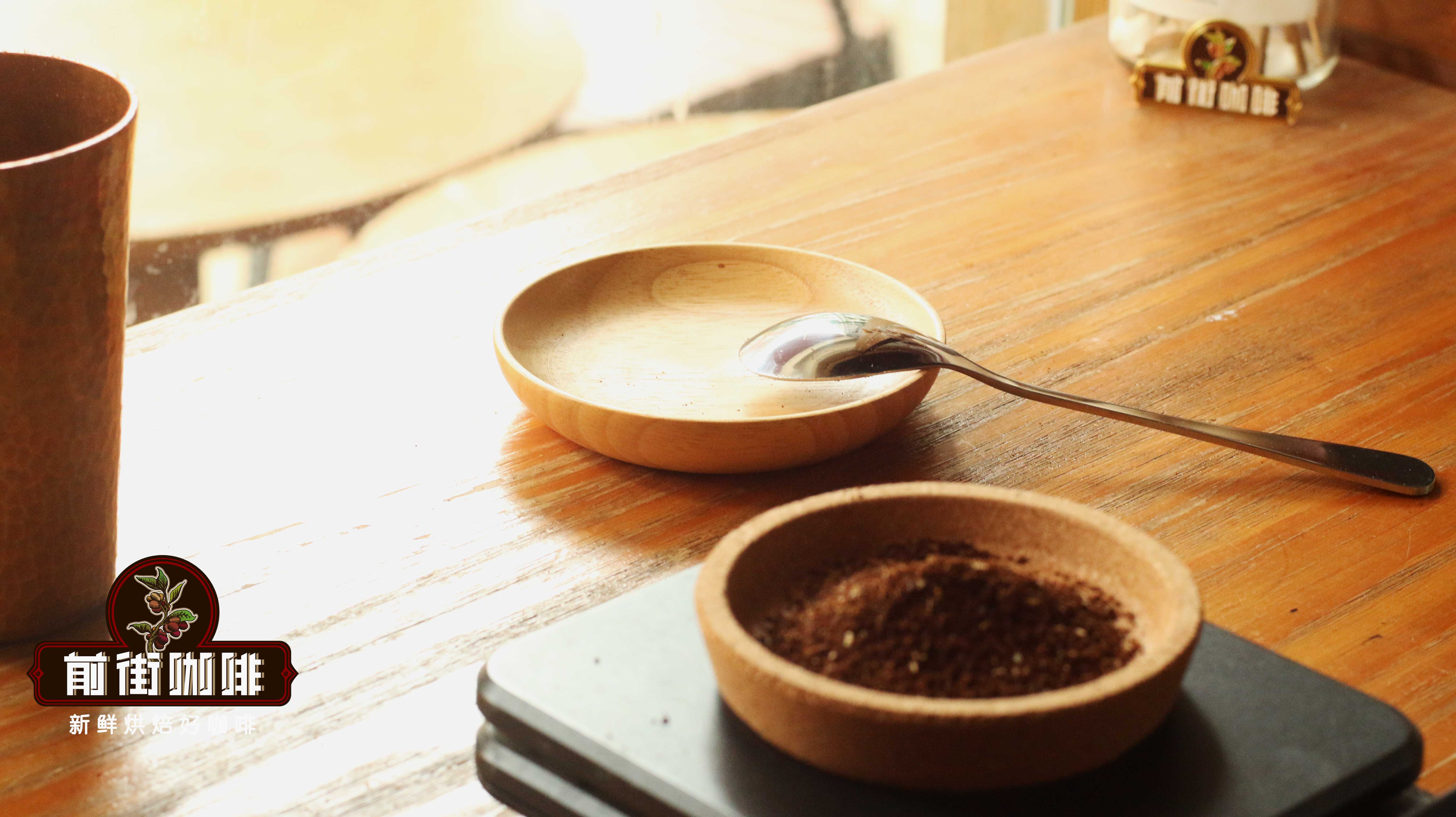
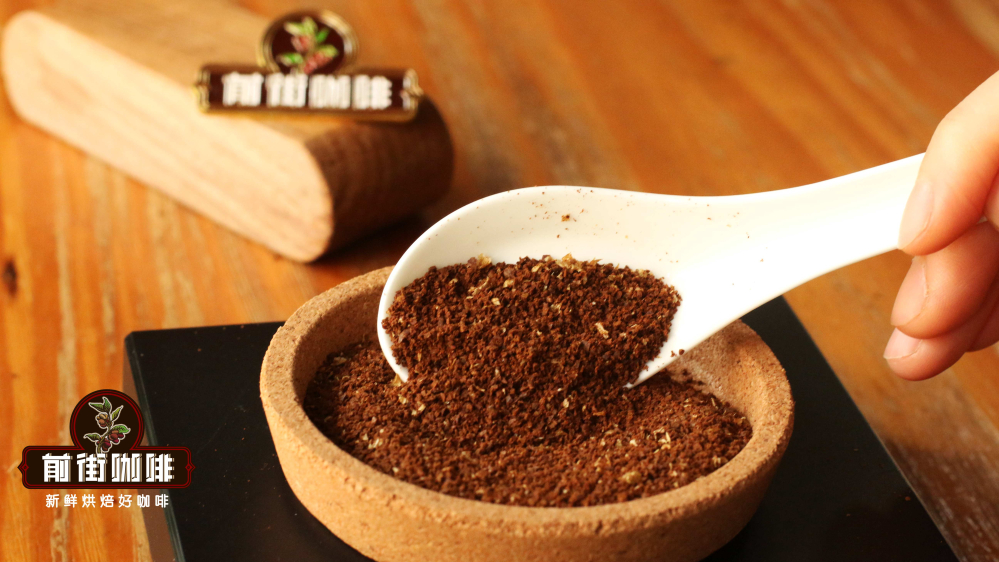
Regarding the grind size of the coffee, since cold brew uses cold water, the extraction efficiency is relatively low, so there’s less concern about over-extraction. It is recommended to choose a grind slightly finer than pour over, with an 85% passing rate through a standard #20 sieve. That is, the grind is slightly coarser than the typical medium-coarse pour over grind, but still avoid going too fine to prevent unpleasant woody off-flavors from developing over a long steeping time. While overly fine coffee grounds may release more aroma and sweetness initially, over time they can make the overall taste dull and even bring out undesirable off-notes.
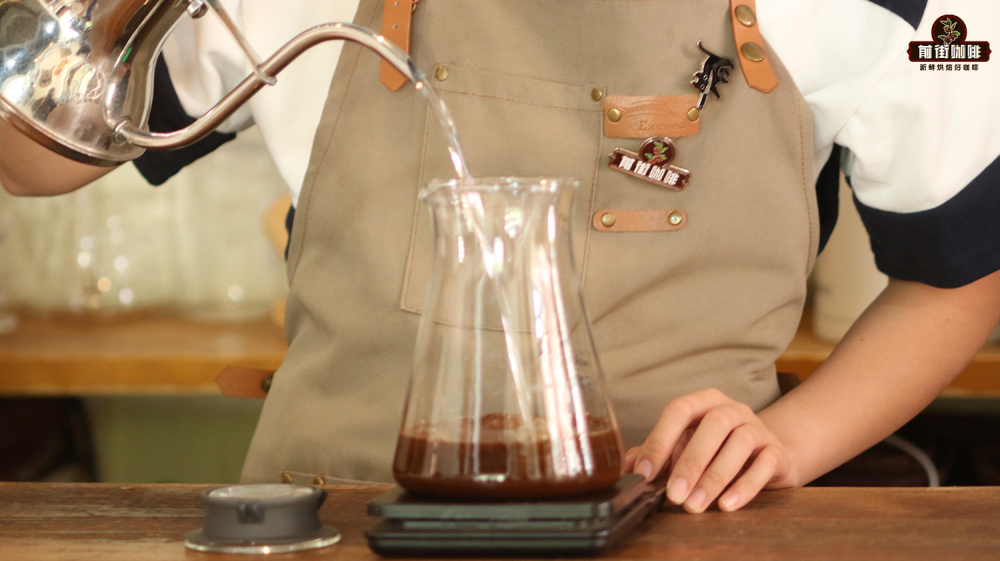
In terms of extraction temperature, cold brew is usually done at room temperature or in a low-temperature refrigerator environment. It is recommended to steep in a fridge for 12 to 24 hours. If you want to shorten the time, room temperature extraction is also possible, but the time should be kept within 8 to 12 hours. Regardless of the method, the key is to maintain a stable low temperature to avoid the release of unnecessary impurities. Many people at home will place the ground coffee along with cold water and ice cubes into a clean, sealed container, gently shake it, and then refrigerate it to ensure full contact between the coffee and water, improving extraction uniformity.
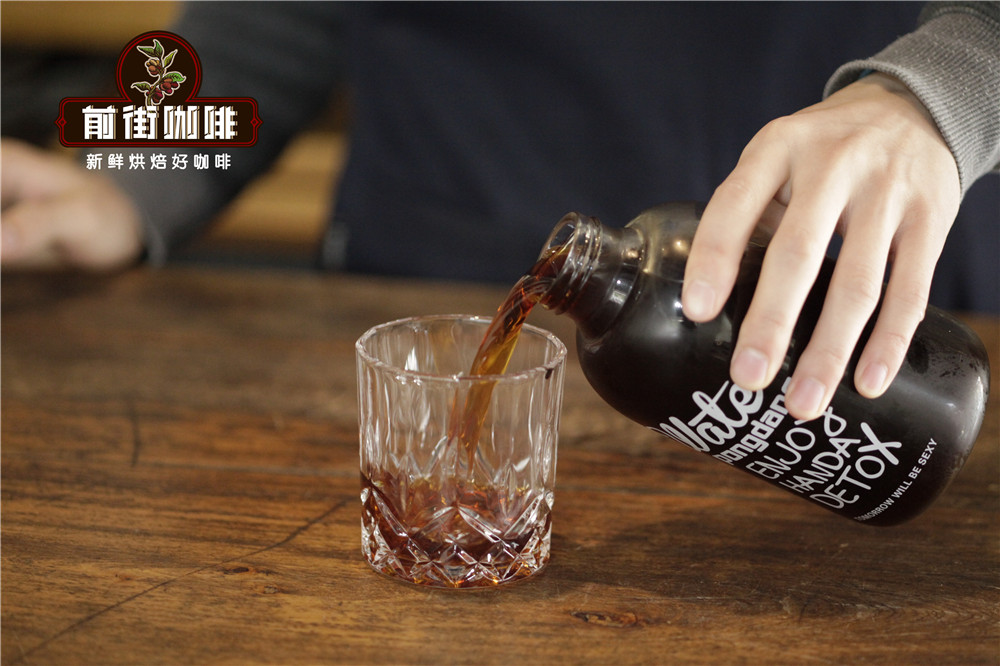
After filtration, the cold brew coffee liquid is recommended to be stored in a clean, sealed bottle and kept refrigerated. Its best flavor period is within 2 to 3 days after filtration, and it is not recommended to exceed 7 days to avoid fermentation flavors affecting the overall taste. Many people mistakenly believe that the longer cold brew is kept, the better it becomes. However, in reality, keeping it too long may lead to unpleasant fermented or off-flavors. It is best to enjoy it fresh to fully appreciate its smooth, low-acid, and layered characteristics.

The flavor characteristics of cold brew coffee lie in its low acidity, low bitterness, and rich mouthfeel. Compared to hot brewed coffee extracted at high temperatures, cold brew releases significantly less tannic acid and chlorogenic acid. Studies show its acidic content is about 67% lower than that of hot brew, making it smoother and less irritating to drink. Additionally, because the low-temperature environment is less effective at extracting large-molecule flavor compounds such as smoky or roasted aromas, it better highlights delicate floral and fruity notes. The flavor layers are clear, the aftertaste is sweet and lingering, and the overall profile is refreshing without being cloying.

In summary, the charm of cold brew coffee lies in its simplicity in preparation yet its ability to deliver a uniquely smooth and low-stimulation flavor. By mastering the coffee-to-water ratio, choosing the right grind size, and paying attention to water quality and extraction time, you can easily enjoy this classic summer iced coffee at home. Whether consumed straight or used as a base for mixed drinks, cold brew coffee offers a variety of possibilities and is a classic brewing method every coffee enthusiast should try.
The above content is compiled by CoffeeHunters, a coffee news website.


