







Introduction:There is a wide variety of iced coffee options, ranging from the refreshing iced Americano to the delicate cold brew. This article delves into the main brewing methods for iced coffee, including iced pour over, cold drip, French press, and cold brew. Using the popular Geisha coffee as an example, it also details key parameters for cold brewing such as grind size, coffee-to-water ratio, and steeping time. Whether you're a beginner or already have some experience, you'll be able to master the skills to brew balanced, rich, and flavorful iced coffee at home.
The world of iced coffee is far richer than one might imagine, extending well beyond the common iced Americano. Depending on the brewing method, you can enjoy the freshness of iced pour over, the intensity of cold drip, the body of French press, and the smoothness and low acidity of cold brew. This article will introduce the brewing principles and characteristics of these iced coffee methods one by one, and using the highly acclaimed Geisha variety as an example, take you through every step of cold brew coffee from bean selection to completion, including the most critical practical parameters such as grind fineness, coffee-to-water ratio, and refrigeration time.
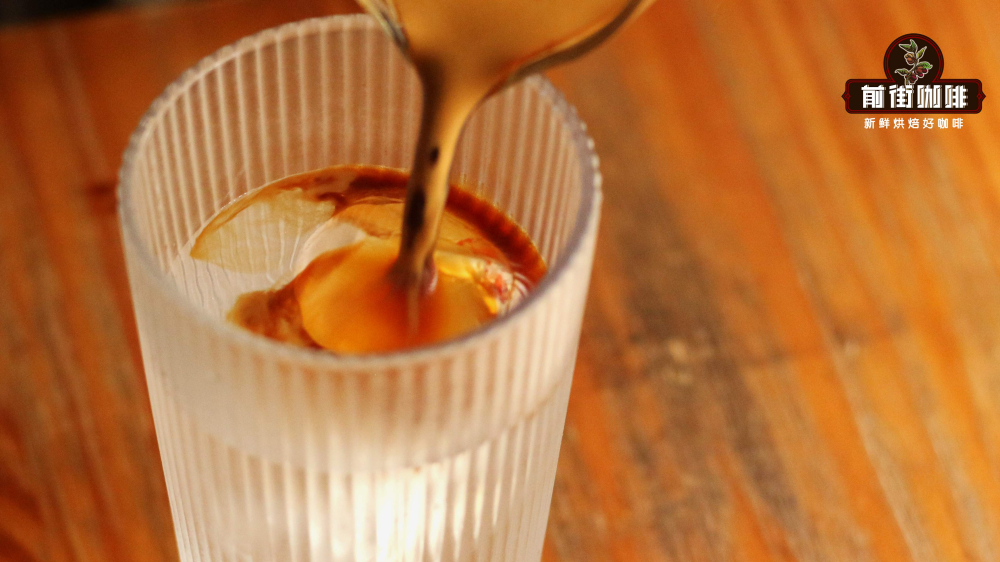
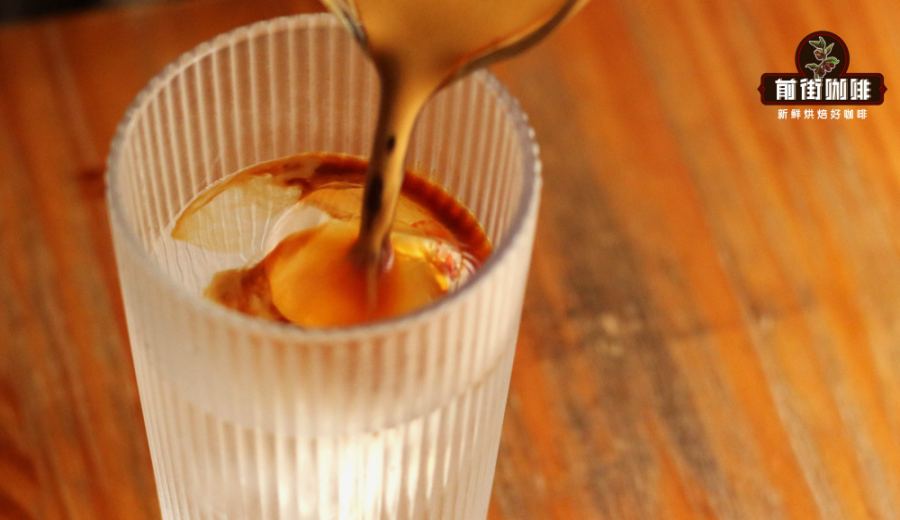
Iced Americano is the most common form of iced coffee. Its preparation is simple yet particular—typically, freshly brewed hot espresso is poured directly over ice cubes and cold water (or an ice-water mixture) in a cup, rapidly cooling while preserving a strong flavor. It is recommended to use medium to dark roasted beans with chocolate notes, such as the classic Black Cocoa blend, which can showcase a rich and balanced flavor profile.
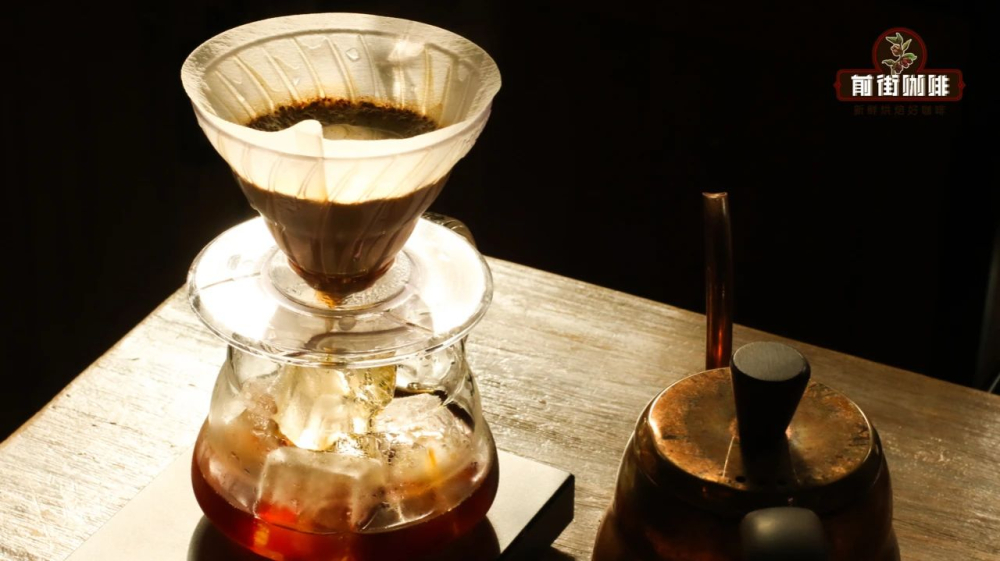
Iced pour over, on the other hand, is based on the hot water brewing method but uses ice cubes as a cooling medium. This technique combines the flexibility of pour over with the refreshing chill of ice, not only preserving the delicate flavors of single-origin beans but also achieving a balanced concentration as the ice melts and slowly dilutes the coffee. Almost all single-origin beans with clear flavor profiles are suitable for this method. For beginners, cost-effective beans like Gu Ding Ding, Hua Kui, or Mandheling are great starting choices.
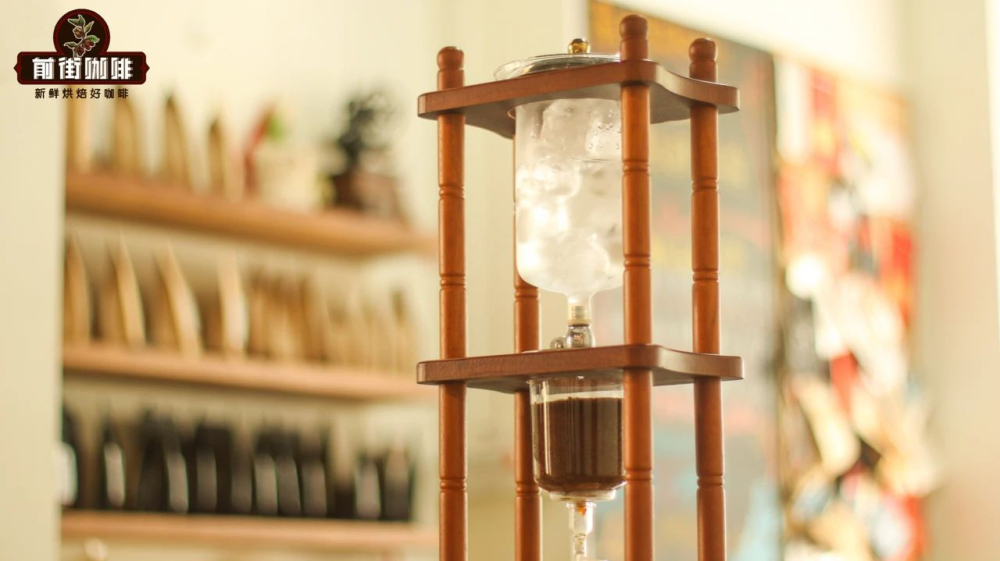
Cold drip coffee is a more meticulous brewing method that requires specialized equipment, allowing ice water to slowly drip through a bed of coffee grounds over several hours or even longer. This technique typically produces coffee with a rich mouthfeel, low acidity, and a unique fermented wine-like aroma, making it ideal for coffee lovers who enjoy deep and complex flavors. To experience this flavor profile, it is recommended to choose beans with distinct tropical fruit notes, such as Strawberry Candy or Sidamo, which complement the bold characteristics of cold drip.
In comparison, cold brew coffee has the lowest barrier to entry. It simply involves mixing ground coffee with cold water in a certain ratio, letting it sit in the refrigerator for 6 to 16 hours, and then filtering it for enjoyment. The resulting coffee is generally less clear than cold drip, with a slight layer of oil on the surface, but the overall flavor tends to be round, low in acidity, and well-balanced, making it very suitable for hot weather.
It is recommended to choose medium to light roasted beans, which better highlight the refreshing and clean qualities of cold brew. If you're trying it for the first time, you can select beans with prominent fruity aromas, bright acidity, and a full body—such as Kenya Little Tomato with its juice-like character, Flower Butterfly with its noticeable tea notes, or Geisha coffee that showcases bold floral notes. All are excellent choices.
Based on actual brewing experience, the grind size for cold brew is recommended to be slightly finer than regular pour over—approximately 75% to 80% passing through a Chinese No. 20 sieve, visually similar to the fineness of fine sugar. On the EK43s grinder, this corresponds to a setting of about 9.5 to 10; if using a hand grinder like the C40, it's around 22 to 26 clicks. Place the ground coffee in a clean container (such as a cold brew pitcher or mineral water bottle), add room temperature water at a 1:10 coffee-to-water ratio, stir well, seal, and refrigerate for at least 8 hours. It is recommended not to exceed 12 hours for optimal flavor. Finally, filter out the coffee grounds with filter paper to complete the process.
Regarding the coffee-to-water ratio, if you plan to drink it straight as black coffee, a ratio of 1:12 to 1:13 is recommended, resulting in a smooth and aromatic cup. However, if you intend to add fresh milk, it is suggested to increase the concentration to 1:10 to 1:11 to avoid the flavor becoming too weak after dilution.
Finally, a reminder: whether it’s cold drip or cold brew, due to the low-temperature, long-duration extraction method, it is recommended to consume the coffee within five days of preparation to ensure optimal flavor and drinking safety. With these practical tips and parameter suggestions, we believe you can also easily brew an amazing cup of iced coffee at home.
The above content is compiled by CoffeeHunters, a coffee news website.


