







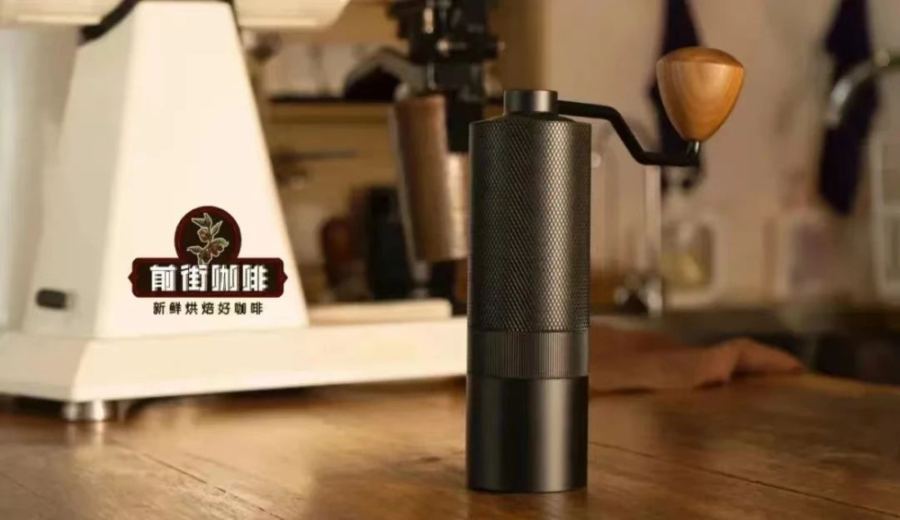
Introduction:Hand grinders are essential tools for pour over coffee enthusiasts, whether for home use or outdoor adventures. But do you know how to properly adjust the grind size or how to clean and maintain the burrs? This article will detail the five key components of a hand grinder—the burrs, adjustment ring, handle, bean hopper, and grounds chamber—and guide you step-by-step on how to adjust the grind size for different brewing methods, along with handy maintenance tips, so you can enjoy a consistently flavorful and aromatic cup every time you brew.
Hand grinders are everyday tools for many coffee lovers—not only suitable for home use but also great for creating a portable coffee setup with a French press, AeroPress, or moka pot. However, prices and grind fineness vary significantly among different brands and models. This article will delve into the critical components of a hand grinder, explain how to adjust the grind settings to match various brewing needs, and cover proper usage and maintenance techniques to help you grind more uniformly and enhance the quality of each extraction.
Burrs: The Core Component Determining Grind Fineness
A grinder’s burrs mainly consist of two interlocking discs with specially designed surfaces—such as serrated, grooved, or conical protrusions. As coffee beans pass through these patterns, they are cut and compressed into fine particles. Generally speaking, the finer the burr patterns, the finer the grind size they can achieve.
Most hand grinders on the market today use a conical burr design, where the upper burr is cone-shaped and the lower one features a ring-shaped groove structure. This design increases the contact area between burrs, making the grinding process more efficient and improving grind uniformity—an advantage for those seeking consistent extractions.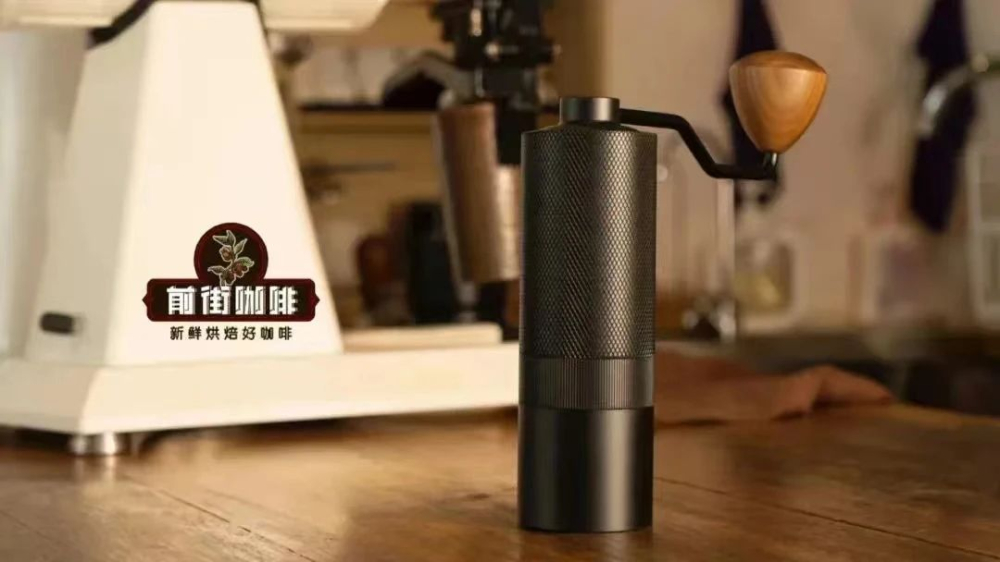
Adjustment Ring: The Key to Precisely Controlling Grind Coarseness
The fineness of the ground coffee depends on the distance between the upper and lower burrs. When the gap narrows, the coffee becomes finer; when it widens, the grounds are coarser. Most hand grinders come with an adjustment ring, knob, or nut that allows users to modify the spacing between the burrs. Additionally, some models feature a locking function to prevent the grind setting from shifting due to vibrations during grinding.
It’s important to note that the numbers on the adjustment ring are usually inversely related to grind coarseness—that is, the smaller the number, the finer the grind, and the larger the number, the coarser the grind. For example, if you’re brewing a medium-light roasted coffee using a pour over method, your target grind size is typically around the fineness of granulated sugar. If you find the grounds too coarse, you can fine-tune the setting by adjusting toward a smaller number.
Handle: The Component Delivering Stable Grinding Power
When using a hand grinder, you turn the handle to rotate the burrs and initiate the grinding process. The handle is generally connected to the upper burr via a linkage, converting manual effort into mechanical motion. Therefore, it’s important to apply even force—recommend rotating either clockwise or counterclockwise steadily without excessive pressure, as too much force may result in uneven particle size or even damage to the burrs.
If you experience noticeable resistance during use, it might be because the grind size is set too fine, increasing friction, or there may be foreign objects mixed in with the beans. In such cases, it’s best to stop immediately and recheck both the beans and the grind setting.
Bean Hopper and Grounds Chamber: Designs for Holding and Collecting Coffee Beans
The bean hopper is usually located above the burrs and serves as the container for storing beans before grinding. Once ground, the coffee powder falls through a central channel into the grounds chamber below. This channel typically has smooth inner walls to help minimize coffee residue buildup, which could otherwise affect flavor in subsequent uses.
The grounds chamber is where the freshly ground coffee collects. Most designs are detachable and come in forms such as twist-off, latch, or magnetic, allowing you to conveniently pour out the coffee grounds before brewing while maintaining hygiene and ease of use.
Proper Usage and Daily Cleaning & Maintenance Tips
To get the best performance from your hand grinder, in addition to mastering the correct grind adjustments and techniques, regular cleaning and maintenance are essential. After each use, it’s recommended to use a dedicated brush to clean residual coffee grounds from the grounds chamber and burrs, preventing buildup that could affect grind consistency and flavor in future brews.
A special reminder: never clean metal burrs directly with water to avoid rust or oxidation issues. If your grinder has a disassemblable design, it’s advisable to perform a deep clean every 1 to 2 months. You can remove the burrs and gently wipe them with a dry cloth to remove accumulated oils inside, preventing long-term oil residue that could impact the aroma of your coffee.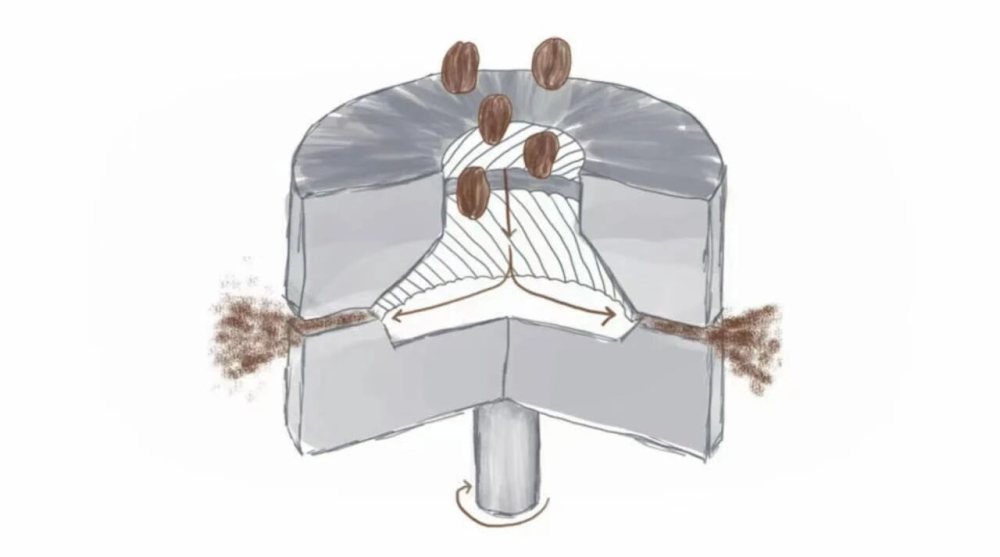
The above content is compiled by CoffeeHunters, a coffee news website.


