







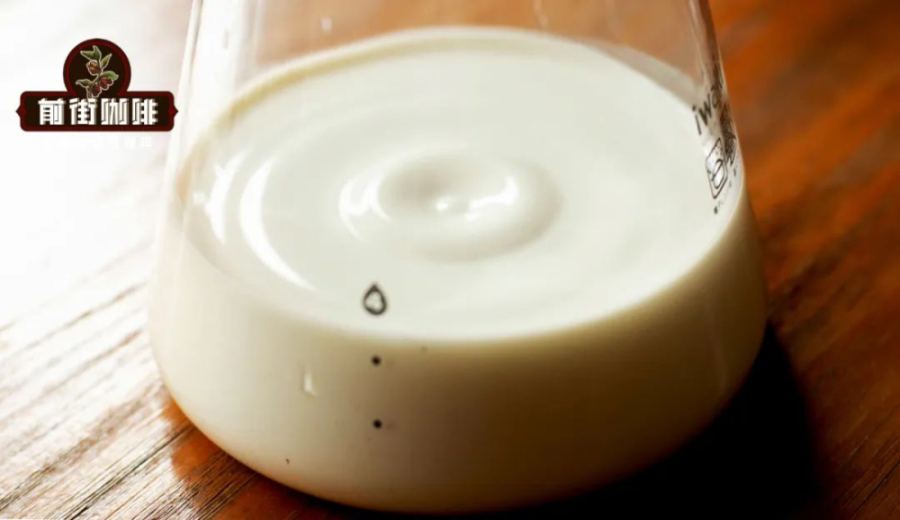
Introduction:Due to its high fat and protein content, water buffalo milk has become a new favorite in coffee beverages in recent years. This article explores its performance in terms of milk foam stability, latte art presentation, and flavor delivery by making actual drinks such as flat white, iced latte, and Dirty with water buffalo milk. It analyzes whether it can truly deliver a 1+1>2 taste experience and provides operational parameters and tips to help you master the brewing techniques of water buffalo milk coffee.
Water buffalo milk has long been a classic dairy product in the Guangdong and Guangxi regions, commonly found in desserts such as double skin milk and ginger milk custard. However, in recent years, it has gradually entered the view of coffee enthusiasts. Compared to regular milk from Holstein cows, this milk from water buffaloes contains higher levels of protein, fat, and calcium, with a relatively lower water content, resulting in a richer, smoother texture and a more pronounced sweetness.
So, is water buffalo milk suitable for making lattes and related coffee drinks? Especially in terms of latte art performance, milk foam texture, and flavor presentation in both iced and hot drinks, can it really outperform conventional fresh milk? For this practical test, we used chilled fresh water buffalo milk from the Foshan-based brand Baifulu, paired with a classic Italian blend coffee bean, to make flat white, iced latte, and Dirty, evaluating its performance from multiple angles.
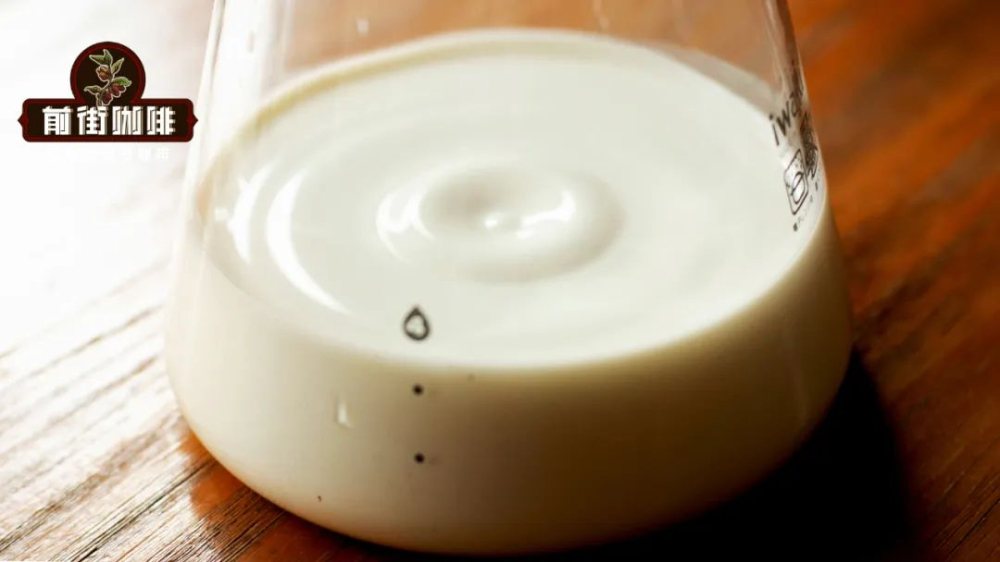
When it comes to water buffalo milk, many people in Guangdong immediately think of various milk-based desserts in dessert shops, such as double skin milk, ginger milk custard, fried milk, and peach gum stewed milk, which are mouthwatering. As a regional specialty dairy source, water buffalo milk has also gradually developed diverse possibilities in coffee applications, such as innovative combinations like water buffalo milk latte and water buffalo milk Dirty. With its unique aroma and texture, it has become a favorite among many coffee shops.
The biggest difference between water buffalo milk and regular milk lies in their nutritional composition. Water buffalo milk comes from specialized water buffalo cows, and its fat, protein, and lactose content are generally higher than those of conventional milk, while its water content is lower. This makes the texture of water buffalo milk richer and the sweetness more natural, and it usually lacks the common fishy or gamey taste found in ordinary milk, though it does have a relatively higher calorie count.
In blind taste tests, when water buffalo milk is heated to 45–50°C, its sweet and aromatic qualities are particularly prominent, and the milk flavor becomes more noticeable. However, in terms of richness, it is still slightly lighter compared to some high-fat fresh milks, making it suitable for consumers who prefer a sweet and smooth taste.
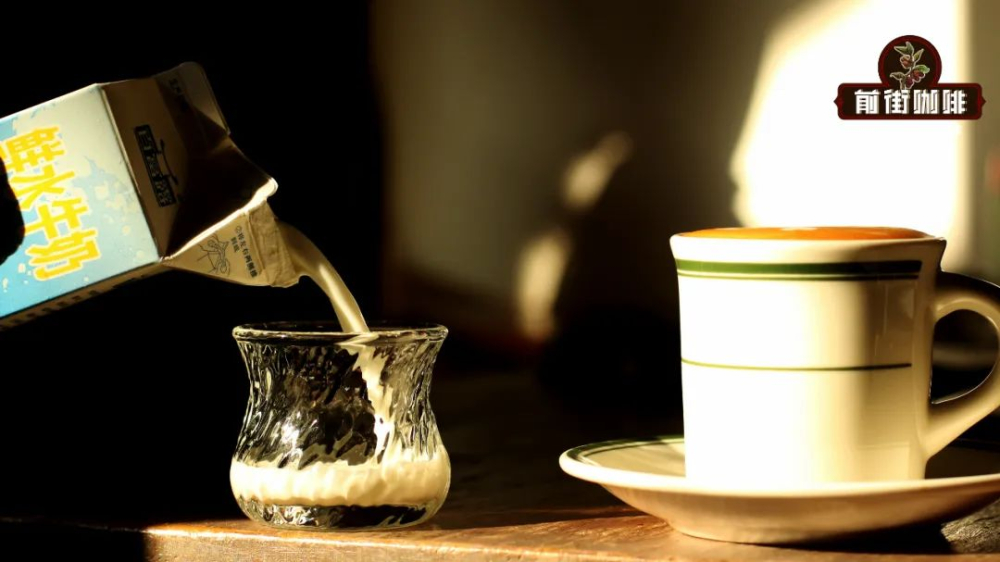
Currently, commercially available water buffalo milk is mainly divided into two types: fresh water buffalo milk that needs to be refrigerated, and ultra-high temperature sterilized milk that can be stored for a long time. The two differ in sterilization temperature and processing methods, which directly affect the final flavor and shelf life. For this test, we used chilled fresh water buffalo milk processed with pasteurization, with a sterilization temperature of about 60–82°C, retaining more of the original milk aroma but with a shelf life of only about 5–7 days. It is recommended to consume it as soon as possible after purchase.
To comprehensively evaluate the pairing potential of water buffalo milk with coffee, this test focused on three popular coffee drinks—flat white, iced latte, and Dirty—using the same best-selling blended coffee beans and strictly controlling extraction parameters and ratios to ensure that the variables were concentrated on the milk itself. Given the natural sweetness inherent in water buffalo milk, it is especially recommended to choose blended beans with distinct nutty tones, caramel aftertaste, or prominent cocoa flavors to highlight its pairing advantages.
Practical Test: Water Buffalo Milk Flat White
First, we made a water buffalo milk flat white. We poured 180ml of chilled water buffalo milk into the pitcher, preheated and frothed it to 50–55°C, aiming for a milk foam thickness of about 0.3cm. A foam that is too thick can affect fluidity and latte art details. Using 20g of coffee grounds, we extracted 28g of coffee using the Ristretto method, with a total extraction time of about 23 seconds, and finally poured it into a medium-sized ceramic cup.
During the test, it was found that although the milk foam created from water buffalo milk had an appropriate thickness, its fineness was noticeably inferior to that of regular fresh milk. Upon reflective observation, the surface appeared slightly rough, and during latte art, the stability was slightly weaker, with patterns tending to break apart. In terms of flavor, this flat white had a soft, sweet milk candy note upon entry. When combined with coffee oils, slight hints of vanilla, white chocolate, and cookie flavors could be detected. However, the overall body was lacking, the aftertaste was somewhat short, and the layering needed improvement.
Practical Test: Water Buffalo Milk Iced Latte
Making an iced latte is relatively simple, without the need to consider milk foam or latte art. Prepare a glass of appropriate size, add about 90g of ice cubes, pour in 180ml of water buffalo milk, and then drizzle with a double shot of espresso (about 38g). The biggest issue with this drink is the significant dilution effect of the ice cubes, which hinders the release of coffee aroma and also dulls the richness of the milk. The overall performance is closer to lightly coffee-flavored iced milk, falling somewhat short of the expected intense flavor.
Practical Test: Water Buffalo Milk Dirty
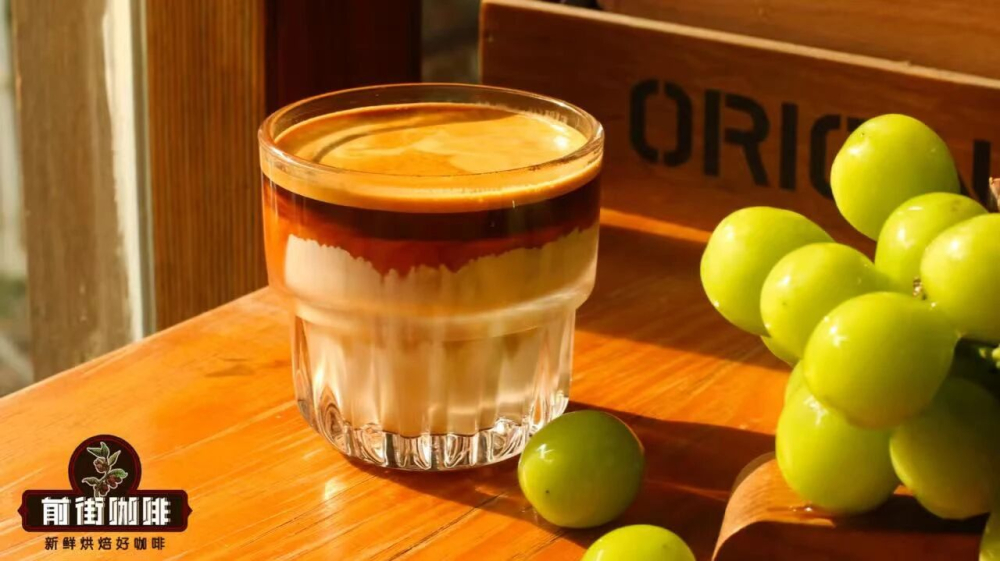
The essence of a Dirty lies in the instant collision between hot coffee and cold milk, creating a unique contrast of temperatures and layers. In this test, we used a 200ml ice-filled cup, first pouring in 150ml of water buffalo milk, then using a split portafilter to extract a double shot of espresso, pouring it directly onto the surface of the milk, minimizing the liquid fall height to help maintain the crema and layered effect.
This water buffalo milk Dirty performed the best overall. Upon the first sip, notes of vanilla, cocoa, and subtle wine aroma came through, followed by the gradual emergence of the sweet freshness of the cold milk. The aftertaste carried a roasted nutty finish, with clear layering and excellent balance. Without the immediate dilution from ice cubes, the coffee aroma was more fully released, forming an excellent complement to the sweetness of the water buffalo milk.
Overall Comparison: Although each of the three water buffalo milk coffees tested in this experiment had its own highlights, the overall performance did not reach the expected 1+1>2 effect. This is speculated to be related to the medium-light roast level of the coffee beans used and their insufficiently bold flavor characteristics. If you wish to further enhance the sweetness of the water buffalo milk and the layers of the coffee, it is recommended to try using medium-dark roast or more expressive blended beans to strengthen the overall performance of the drink.
The above content is compiled by CoffeeHunters, a coffee news website.


