







Introduction:This article provides a detailed analysis of the key extraction parameters for brewing a qualified shot of espresso, including dose, ratio, time, flow rate, pressure, and water temperature, while exploring how these elements influence the final flavor. It also introduces several espresso blends suitable for different scenarios, covering their flavor profiles and practical recommendations. Finally, it reminds readers to pay attention to roast dates and best-before periods when purchasing, helping you easily master the core techniques of espresso brewing.
Espresso is hailed as the soul drink of coffee shops, with its unique rich texture and abundant crema serving as the foundation for many classic coffee beverages such as lattes and cappuccinos. However, consistently extracting an espresso with balanced flavors is not something that can be achieved solely by relying on the machine—it requires a deep understanding of extraction parameters. Starting from internationally accepted technical standards, this article systematically breaks down the six key elements that influence espresso flavor and recommends several espresso blends suitable for various needs, helping you effortlessly produce professional-level espresso whether at home or in a café.
Perhaps you’ve had questions like: What exactly is a double espresso? What should the standard volume of espresso be? How is the extraction process carried out? How can you enjoy it to experience the best flavor? Or maybe you’re looking for high-quality, stable espresso blends suitable for use in shops or at home but don’t know where to start in terms of brands or channels? The following content will answer all these questions for you.
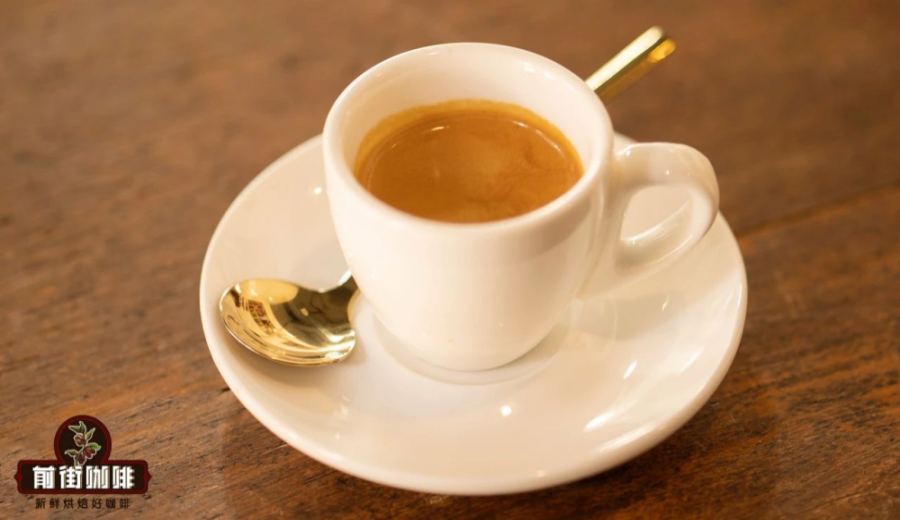
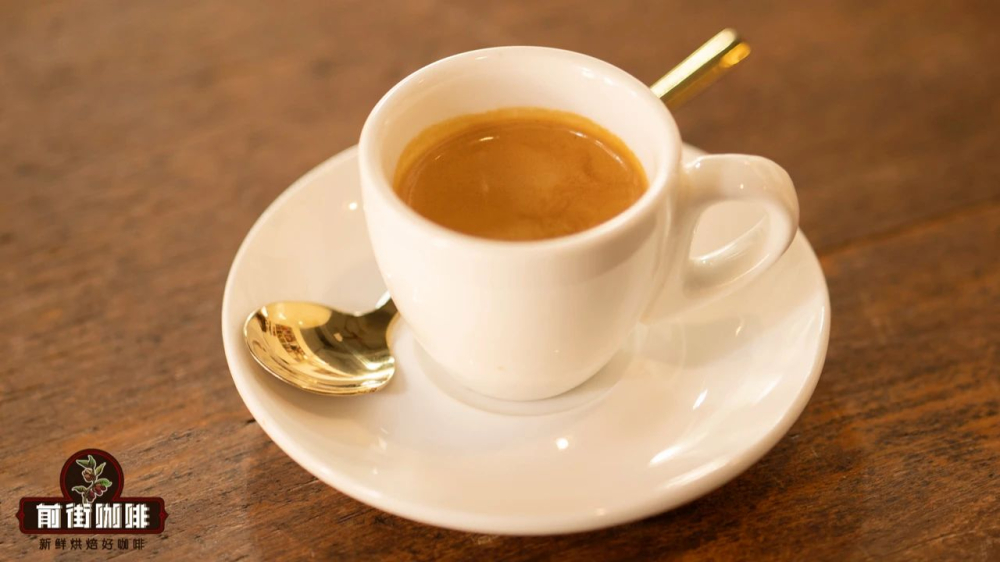
According to internationally accepted technical specifications, a standard shot of espresso typically uses about 7 grams of freshly ground coffee, extracted with water at approximately 92°C and under around 9Bar of pressure. The extraction time is controlled between 20 to 30 seconds, ultimately producing about 20 to 30 milliliters of thick coffee liquid topped with golden crema. However, with the development of specialty coffee concepts, many baristas and shops have also started adopting different coffee-to-water ratios and extraction strategies to pursue more complex flavor layers.
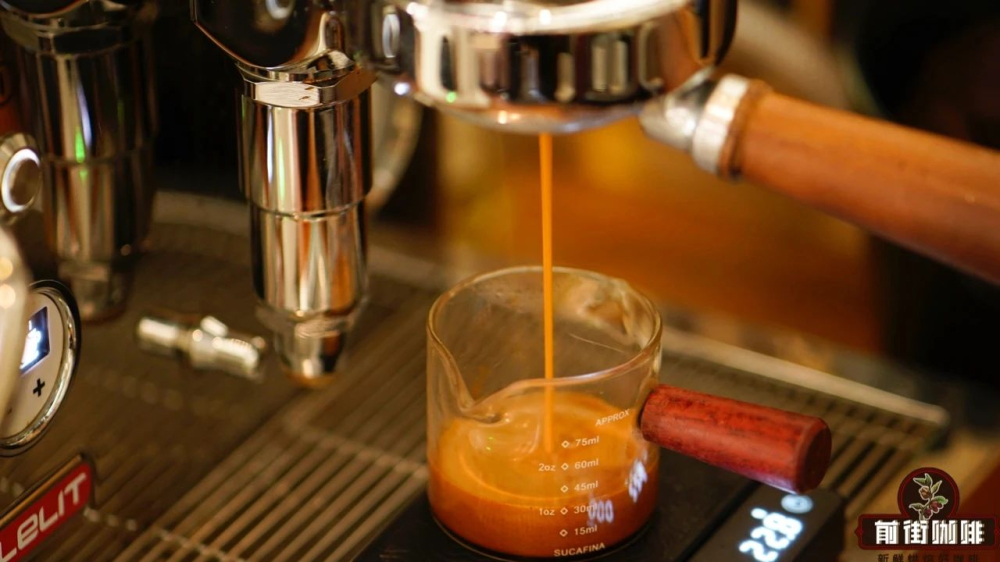
Taking a common serving standard as an example, using 19 grams of coffee grounds and extracting at a 1:2 coffee-to-liquid ratio, roughly 38 grams of espresso can be obtained within 28 seconds. But it’s important to emphasize that these numbers are not absolute—the true measure of a good espresso depends on the coffee-to-water ratio combined with actual flavor performance.
Next, we’ll go through each of the major key parameters affecting espresso extraction one by one to help you more accurately grasp the flavor direction of each cup.
【Dose: Matching the Portion Size to the Basket Capacity is Key】
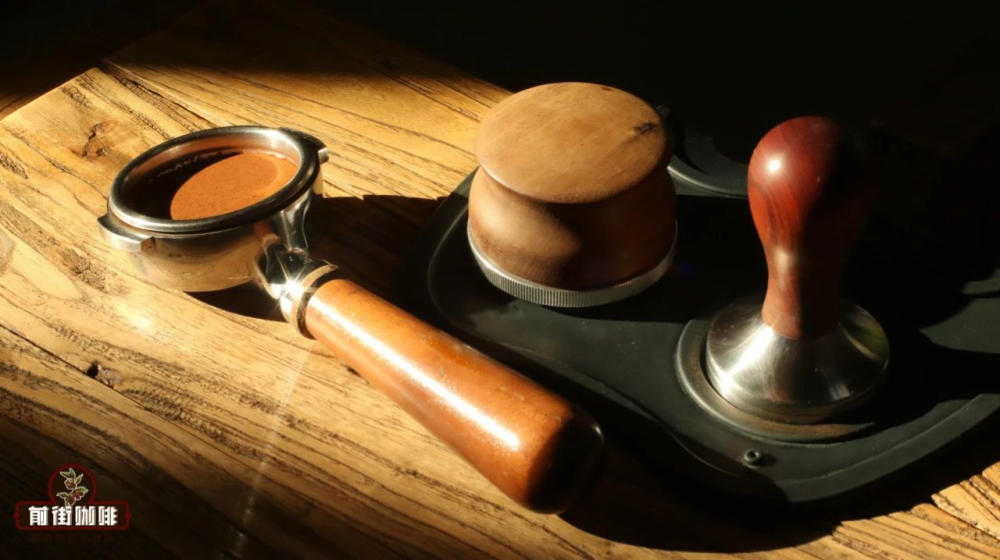
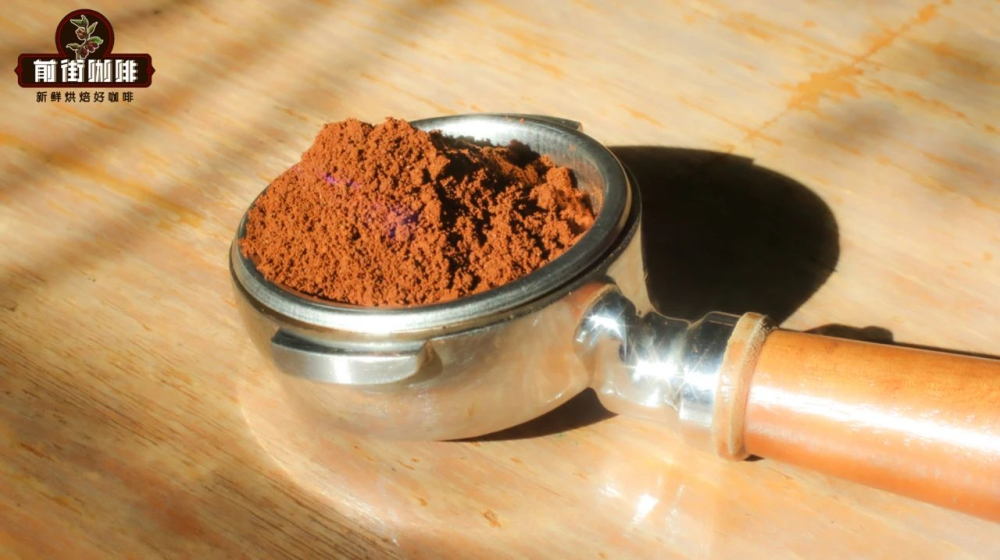
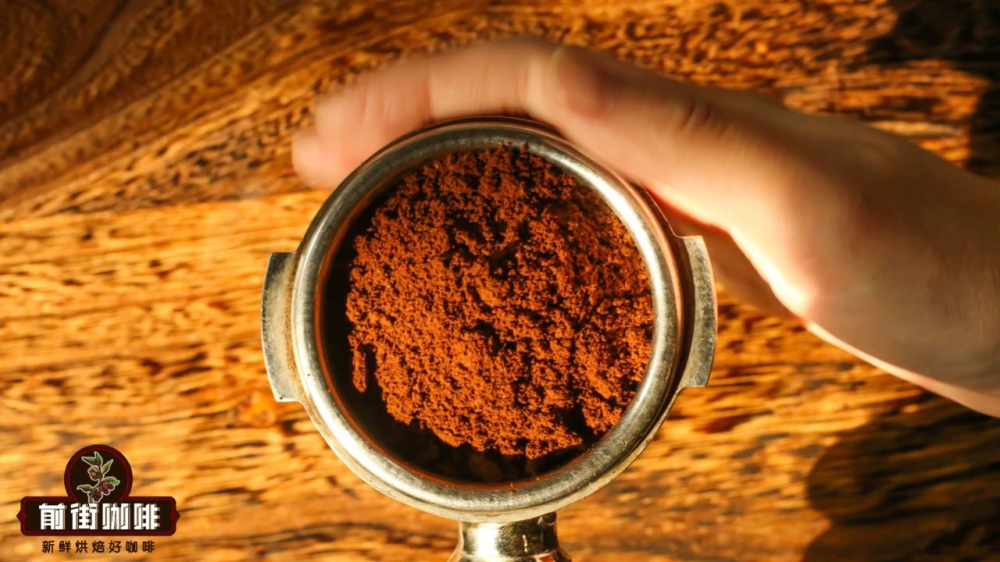
The choice of dose primarily depends on the capacity of the portafilter basket you’re using. Too little coffee leads to a thin coffee bed, causing water to pass through too quickly and resulting in under-extraction. Conversely, too much coffee creates an overly compact puck, making it difficult for water to penetrate—not only extending extraction time but also risking over-extraction or channeling. Therefore, choosing a dose that matches your basket design is the first step toward ensuring stable extraction.
【Ratio: The Coffee-to-Water Ratio Determines Strength and Flavor Balance】
The ratio refers to the proportion between the amount of coffee grounds and the final yield of coffee liquid. Common ranges fall between 1:1.5 and 1:2.5, with 1:2 being the most widely adopted standard—for example, 17 grams of coffee yielding 34 grams of espresso. A low ratio results in an overly intense taste, often leading to bitterness and astringency, while a high ratio produces a flat flavor with sharp acidity and lack of body. Adjusting the ratio is a crucial way to control overall strength and flavor expression.
【Time: The Core of Controlling the Extraction Process】
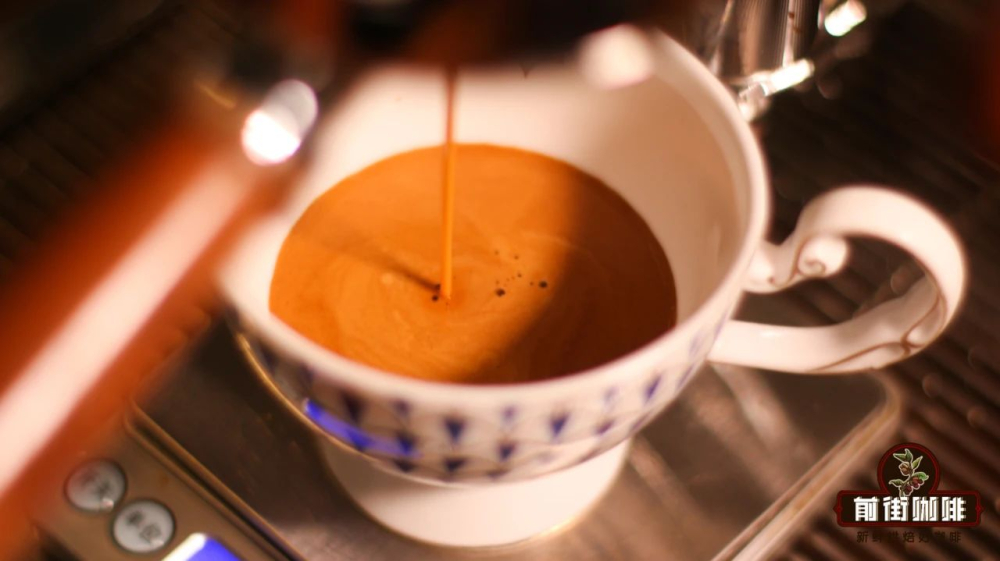
Extraction time refers to the total duration from the start to the end of the brew. It is mainly influenced by grind size and ratio. Generally, the higher the ratio, the more water is needed, and the longer the time naturally takes. In addition, the finer the coffee is ground, the denser the puck becomes, slowing down the flow rate and thus extending extraction time. If the time is too short, flavor compounds may not be fully extracted; if too long, over-extraction may occur, producing undesirable off-flavors.
【Flow Rate: An Important Indicator of Extraction Status】
Flow rate—the speed at which coffee flows out—is a direct visual cue to assess whether the extraction is balanced. Ideally, the first drop of coffee appears around the 5th to 6th second after starting the extraction. For example, when extracting 40 milliliters of liquid using 20 grams of coffee, if the total time is exactly 30 seconds, the flow rate is considered normal. If the extraction finishes in less than 25 seconds, the flow may be too fast, resulting in a sour and under-aromatic cup; if it exceeds 35 seconds, the flow is too slow, posing a risk of over-extraction. In such cases, reducing the dose or adjusting to a coarser grind may help improve the outcome.
【Pressure: The Behind-the-Scenes Driver Affecting Extraction Efficiency】
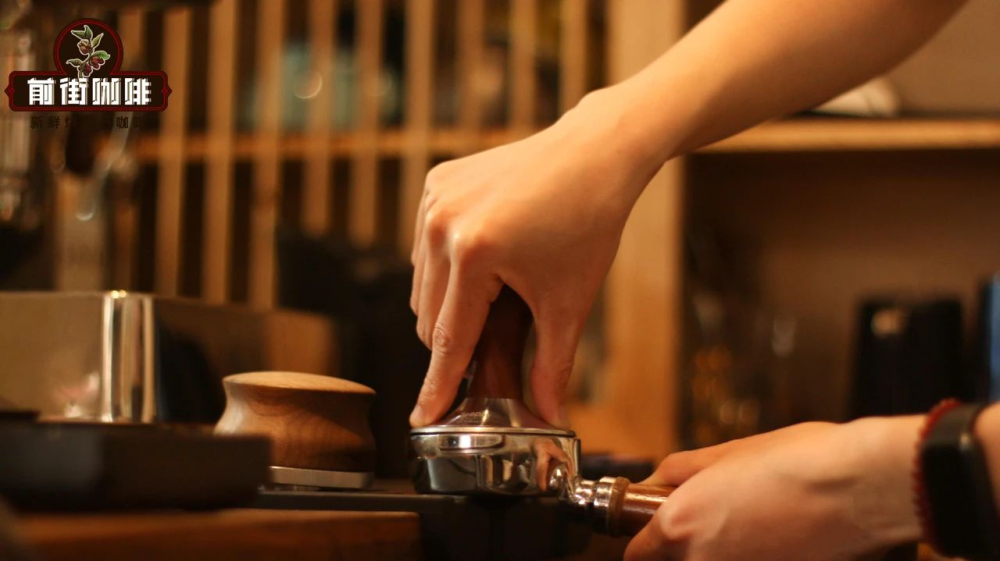
Typical home or commercial espresso machines operate at around 9Bar of pressure during extraction, and this value directly impacts extraction efficiency. Too low pressure prevents full release of flavor compounds in the coffee, while too high pressure can lead to over-extraction, making the coffee taste bitter and lose complexity.
【Water Temperature: A Key Environmental Factor Determining Flavor Extraction】
Water temperature is generally controlled between 90 and 94°C. When the water is too hot, over-extraction is likely, resulting in a bitter and overly intense cup; when the water is too cool, under-extraction may occur, causing sharp acidity and a decline in sweetness and body. Maintaining a stable water temperature is an essential condition for consistent flavor.
In addition to the above parameters, we’ll further introduce several commonly available espresso blends on the market with distinct flavor profiles, suitable for various scenarios and preferences.
【Dark Cocoa Blend: A Classic Choice for Balanced Mass Appeal】
This blend uses Brazilian coffee beans as its base, complemented by Yunnan small-bean coffee for balance. It offers an overall well-rounded flavor, suitable for both coffee newcomers and seasoned enthusiasts. With a medium-dark roast, it produces an espresso with mild acidity, subtle sweetness, and nutty aftertaste, along with moderate crema—making it highly suitable for milk-based drinks like lattes to meet daily shop production needs.
【Premium Blend: Gentle and Mellow Flavor Led by American Beans】
Primarily composed of Brazilian beans with Colombian beans added for soft fruity acidity and nutty aftertaste, this medium-dark roasted blend is designed for consumers seeking stable quality without strong flavors. This blend is often used in shops for extended periods, emphasizing sweet and nutty notes while minimizing bitterness.
【Commercial Blend: High-Value Option with Rich Crema】
This blend features rich crema and caramel sweetness, combining nutty, cocoa, and dark chocolate flavors with balanced acidity and sweetness, plus a long-lasting aftertaste. A small amount of Robusta beans is added to enhance crema without significantly altering the overall flavor. It’s ideal for commercial cafés making Americanos and milk drinks—affordable and reliably consistent.
【Strawberry Candy Blend: A Unique Option with Fruity Notes】
Based on a medium roast, this blend uses Costa Rican Tarrazú and Ethiopian beans paired with Colombian beans to deliver a sweet-and-sour taste reminiscent of strawberry taffy. The crema is smooth, and the flavor is gentle and non-irritating, appealing to those who enjoy fruity profiles—often accompanied by fermented wine-like and fruity aromas.
Finally, a reminder when purchasing coffee beans: always check the roast date and best-before period. Freshly roasted beans typically enter their optimal resting phase 4 to 7 days after roasting, followed by around 30 days of peak flavor. During this period, volatile compounds like floral and fruity notes are at their richest, while sugar and nutty tones remain relatively stable. Going past the best-before date doesn’t mean the beans are undrinkable, but overall flavor will gradually diminish. Additionally, the typical shelf life of roasted coffee beans is about 6 to 12 months. It’s advisable to purchase according to your consumption rate to avoid prolonged storage leading to flavor loss.
The above content is compiled by CoffeeHunters, a coffee news website.


