







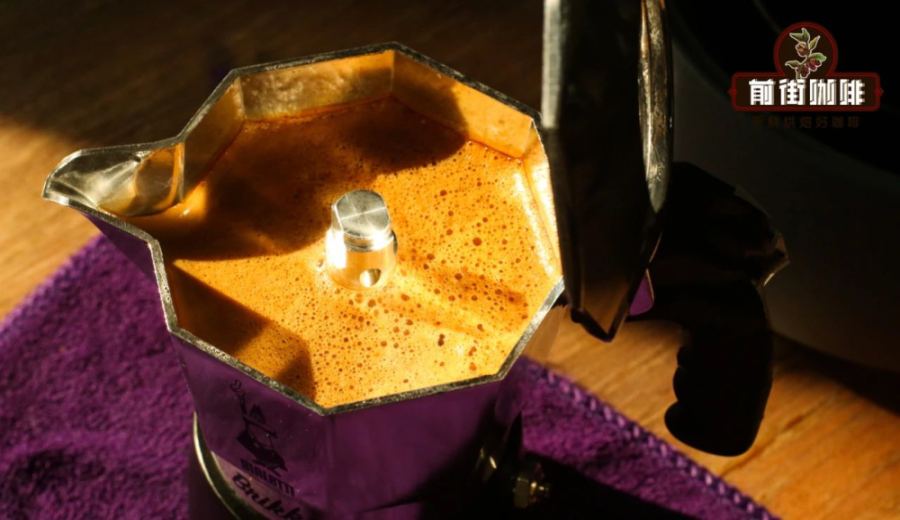
Introduction:Want to brew rich yet refreshing iced coffee with a moka pot? This article dives deep into the logic behind choosing the right coffee beans for moka pot brewing—from medium-dark roasts to fruity profiles—and provides expert-level brew ratios and operational details. We also recommend three battle-tested espresso blends, paired with standard parameters for a 3-cup Bialetti moka pot, to guide you step-by-step in crafting professional-grade Americano ice coffee. Whether you’re a beginner or a seasoned brewer, you’ll be able to master it quickly.
Many moka pot users often face a few key questions: which coffee beans are truly suitable for moka pot extraction? And how can you adjust your technique to brew satisfying iced coffee? As the home brewing device closest to a professional espresso machine, the moka pot, through its pressurized extraction principle, can deliver rich and bold coffee characteristics, even exhibiting a delicate crema layer under ideal conditions.
Based on practical experience, it’s recommended to prioritizecoffee beans with a medium or darker roast level. These beans can not only withstand the heat of pressurized extraction but also showcase a rich flavor profile and an appropriate body.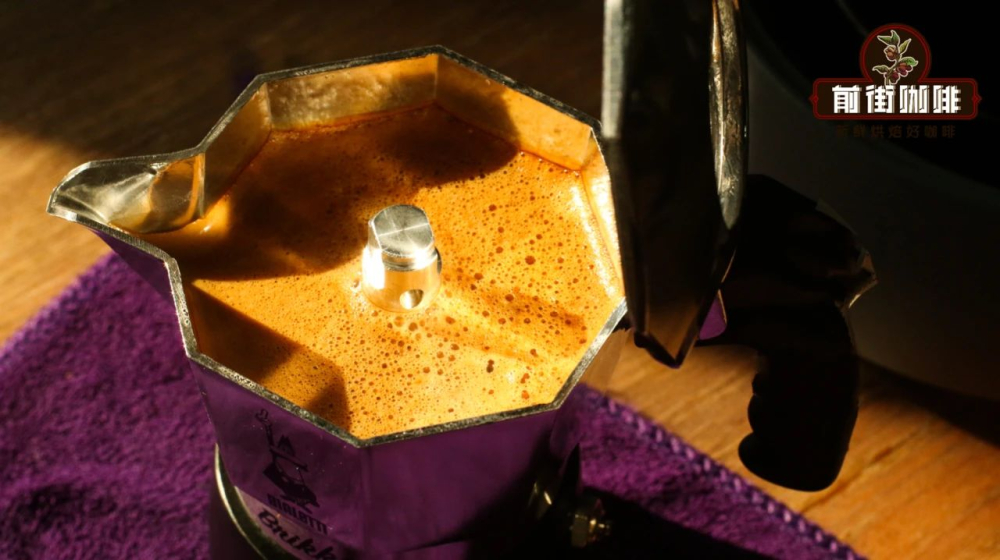
Commonly found Robusta beans, due to their naturally high oil content, often produce a thicker crema, but their flavor tends to be bold and intense. In contrast, a classic blend that combines Brazilian, Mandheling, and Robusta offers a complex aroma of spices, butter, and caramel, making it especially suitable for everyday home use. Its dark chocolate-like richness is particularly pronounced during extraction.
The roast level directly affects crema performance and flavor balance. Generally speaking,medium-dark roasts (around Agtron 45–55)can strike a balance between moderate acidity and a rich crema. A certain black cocoa blend, primarily based on Brazilian and Yunnan small-bean varieties, showcases an aroma profile of toasted bread, nuts, and caramel, with a delicate fruity acidity in the aftertaste. It’s not only suitable as an espresso base but also an excellent choice for everyday drinking beans.
If you prefer a brighter flavor profile, you can try a certain strawberry sugar espresso blend. This blend, under high-temperature pressurized extraction, particularly releases floral and fruity notes such as rose, grape, and dried strawberry, making it especially suitable for brewing refreshing iced Americanos.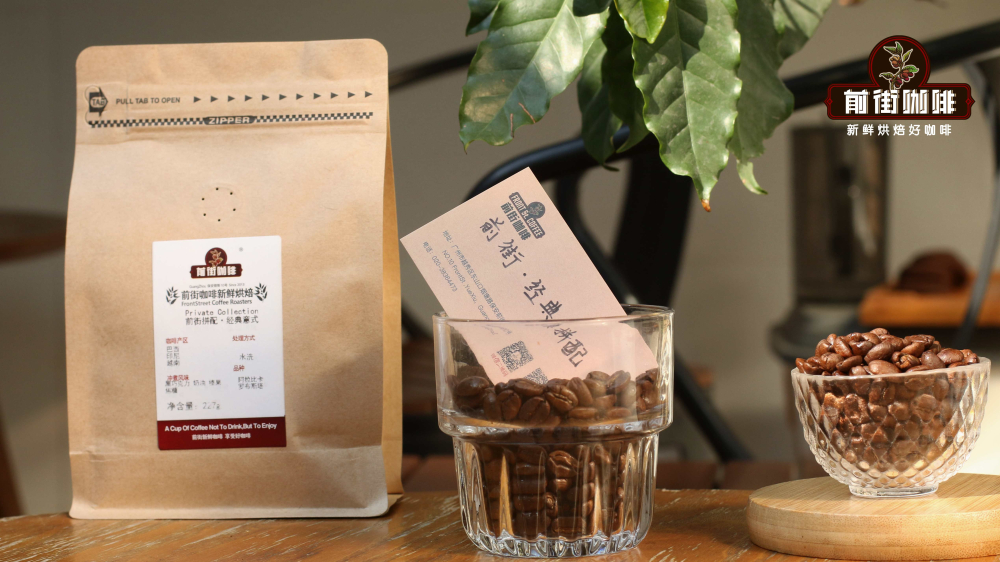
In terms of actual operation, taking the classic 3-cup Bialetti moka pot as an example, it’s recommended to fill150ml of water and 18g of coffee grounds, adjusting the grind size to slightly coarser than the standard for espresso machines (refer to the 0.5 setting on an EK43s grinder). When filling the coffee chamber, there’s no need to use a tamper—simply evenly fill and stack the grounds into a loose small mound, ensuring there are no noticeable gaps around the edges of the coffee bed. Finally, securely tighten the upper chamber.
After extraction, it’s recommended to divide the coffee liquid into two parts for use: the straight shot can be sipped directly to appreciate its bold characteristics, or mixed with ice to make an iced Americano. In practice, many users like to treat moka pot output as an “espresso” base, diluting it with an appropriate amount of water or ice to adjust the strength.
The specific steps for making an iced Americano are extremely simple: prepare a 300ml capacity cup, first add 100g of ice cubes, then pour drinking water to about eight-tenths full, and finally pour all the hot coffee liquid extracted from the moka pot into the cup. This method quickly cools the coffee while preserving its full flavor, and the ice melts at a slower rate.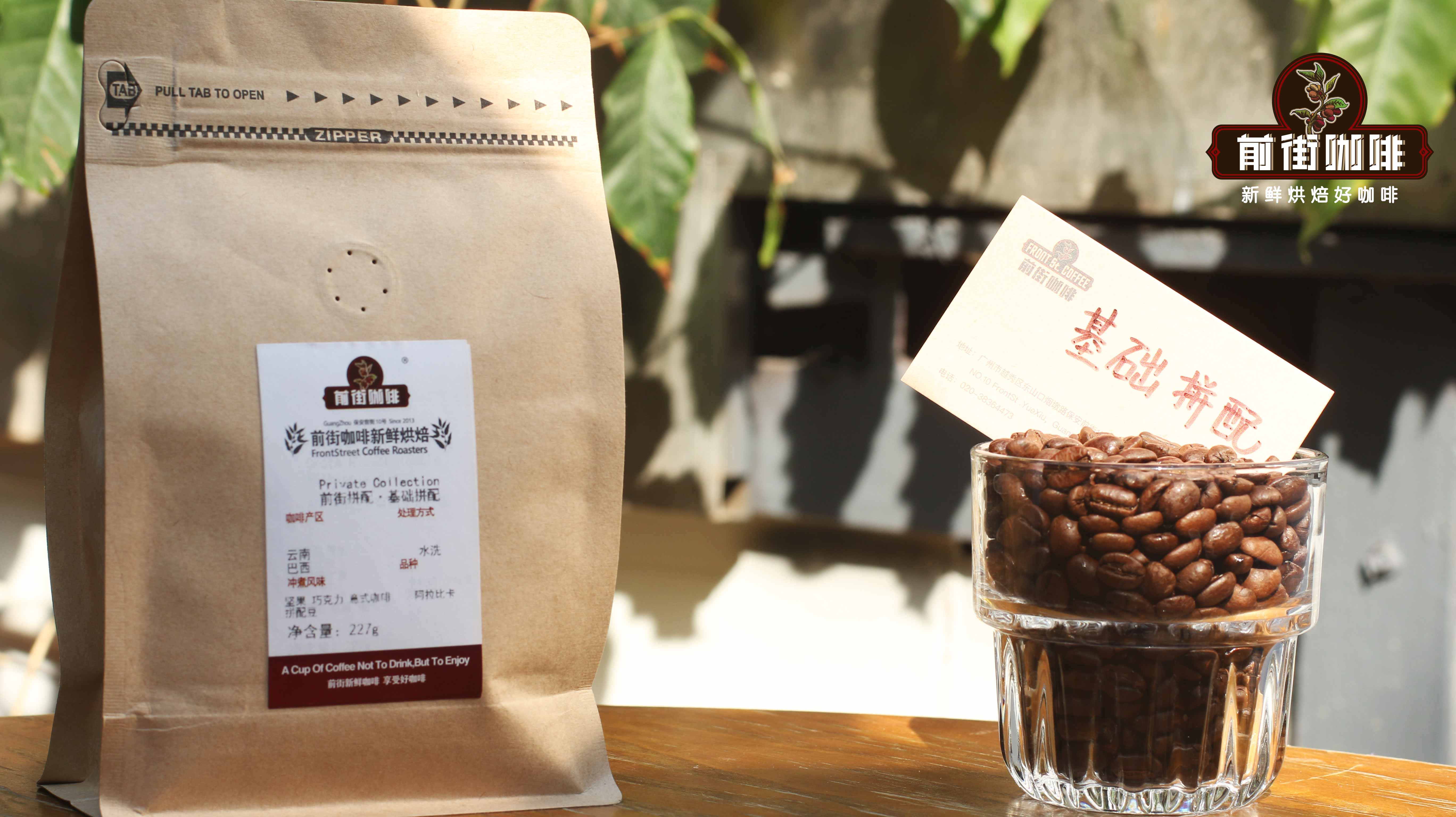
The above content is compiled by CoffeeHunters, a coffee news website.


