








Introduction:On hot summer days, iced coffee becomes the go-to choice for many coffee enthusiasts. But do you know how to make your iced pour over, cold brew, and iced drip coffee even more flavorful? This article explains in detail the brewing principles, golden coffee-to-water ratios, grind size adjustments, and optimal storage times for these three types of iced coffee, helping you go from beginner to expert and easily brew richly layered, refreshing iced coffee.
As summer arrives, iced coffee becomes a daily essential for many coffee lovers. Whether you enjoy the distinct layered flavors through iced pour over, the smooth and rich mouthfeel of cold brew, or the delicate and refined extraction of iced drip, each method has its own unique characteristics. However, brewing a truly memorable cup of iced coffee is not as simple as just adding water and ice.
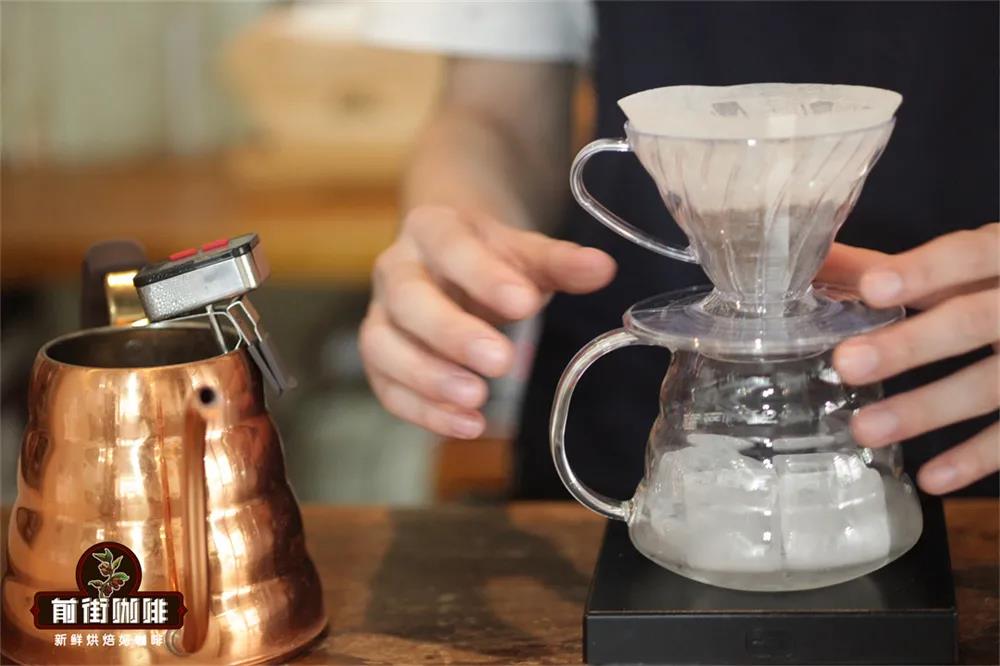
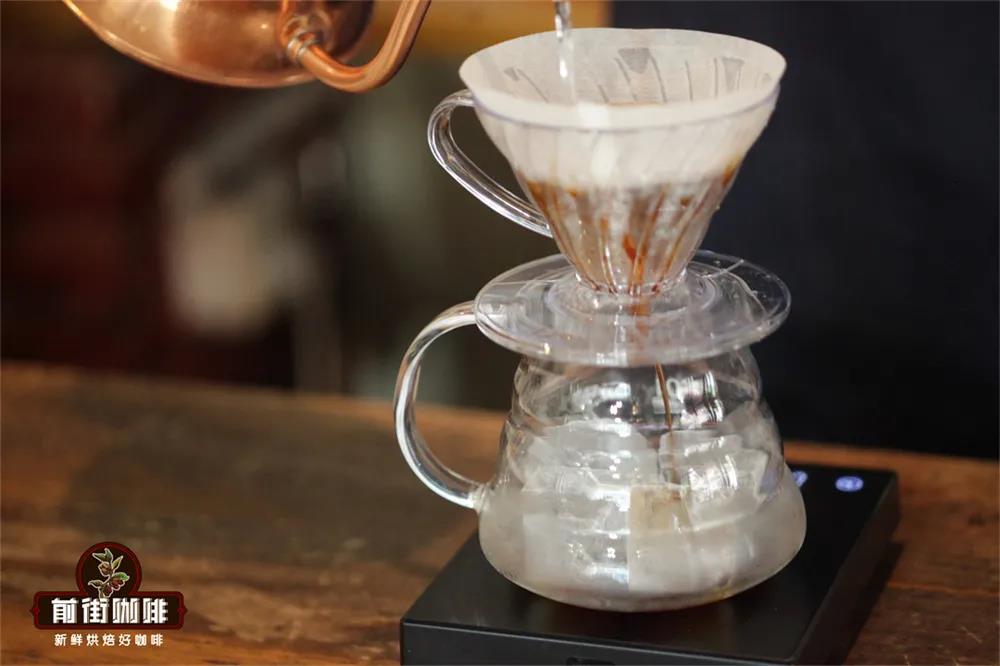
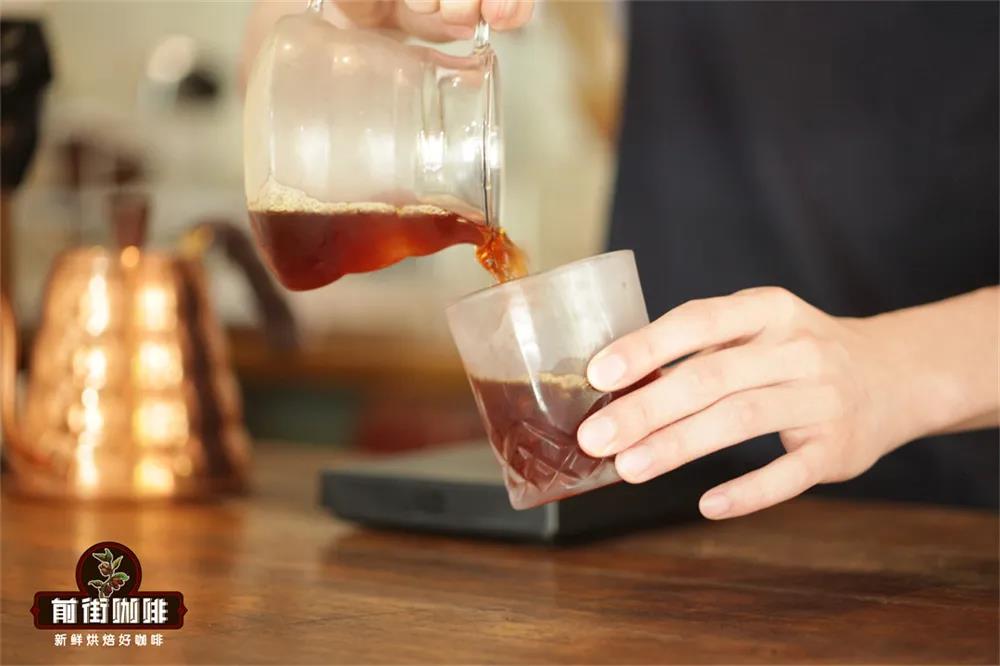
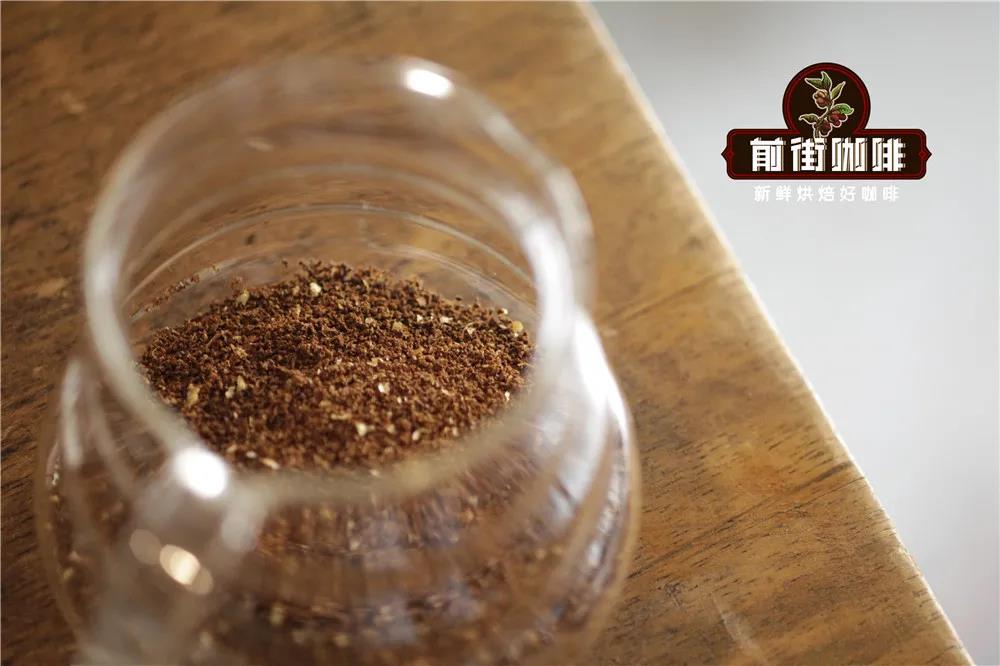
First up is iced pour over coffee—many people often encounter the issue of their coffee becoming weak after adding ice. The key lies in adjusting the coffee-to-water ratio based on the “total weight of the final coffee liquid plus ice.” It’s recommended to aim for a 1:15 ratio. For example, using 15 grams of coffee grounds, the final liquid (coffee + ice) should reach 225 grams. If you use a 1:10 hot water extraction ratio (15 grams of grounds with 150 grams of hot water), which is expected to yield about 120–125 grams of coffee liquid, you’ll need to add 100–105 grams of ice. Additionally, it’s recommended to grind slightly finer for iced pour over compared to regular hot pour over: for medium-light roasts, aim for around 80% extraction through a Chinese No. 20 sieve; for medium-dark roasts, around 73%. If you can’t adjust the grind, you can also keep the original grind size and increase the water temperature by 1–2°C. Using stainless steel ice cubes for cooling is also a good alternative, as it prevents flavor dilution caused by regular ice melting.
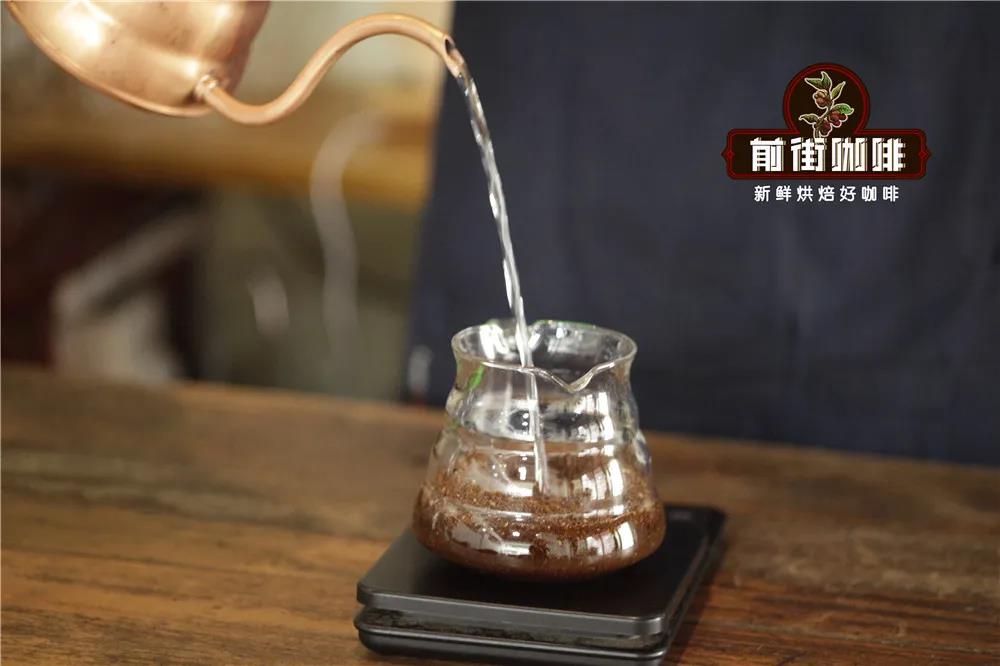
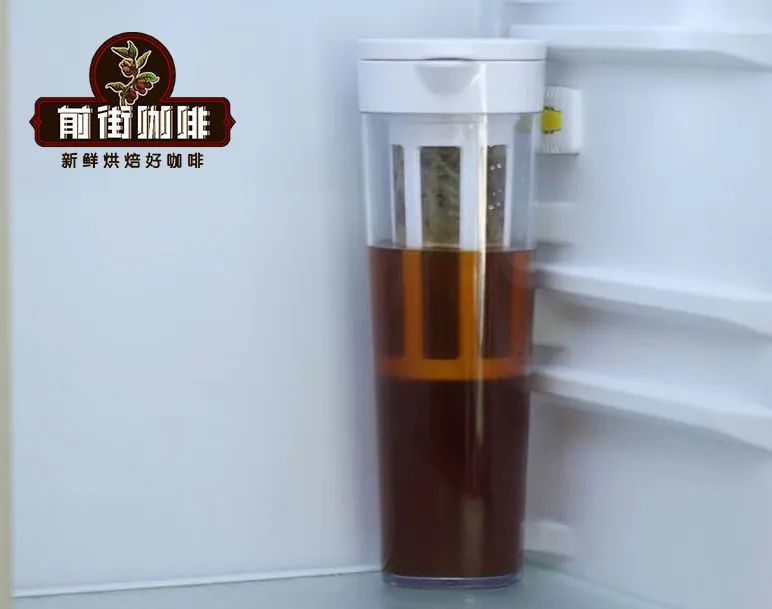
Cold brew coffee is arguably the easiest and most beginner-friendly way to make iced coffee. Simply mix coffee grounds with cold water (or ice), let it steep in the fridge for 12–24 hours, then filter and enjoy. The recommended coffee-to-water ratio is 1:15—for example, 30 grams of coffee beans with 300 grams of room temperature water and 150 grams of ice, stirred well and refrigerated to steep. Because cold brew uses low-temperature extraction, it significantly reduces the release of bitter substances while extracting more floral and fruity aromatic compounds from small molecules, resulting in a smoother and more mellow taste. One thing to note: do not grind the coffee too finely. It’s recommended to use a standard 0.85mm sieve with about 80–85% extraction to avoid over-extraction of body-heavy compounds, which can lead to woody off-flavors after prolonged steeping and affect the overall clarity of the flavor.
Many cold brew enthusiasts like to store their cold brew for multiple days, believing the flavor becomes more rounded over time. However, in reality, the optimal drinking window for cold brew is within 2–3 days after filtering, and it’s best not to store it for more than 7 days. Storing it for too long can lead to fermented flavors that mask the original coffee aroma—especially for those who prefer a fresh and bright taste, this may actually detract from the overall experience.
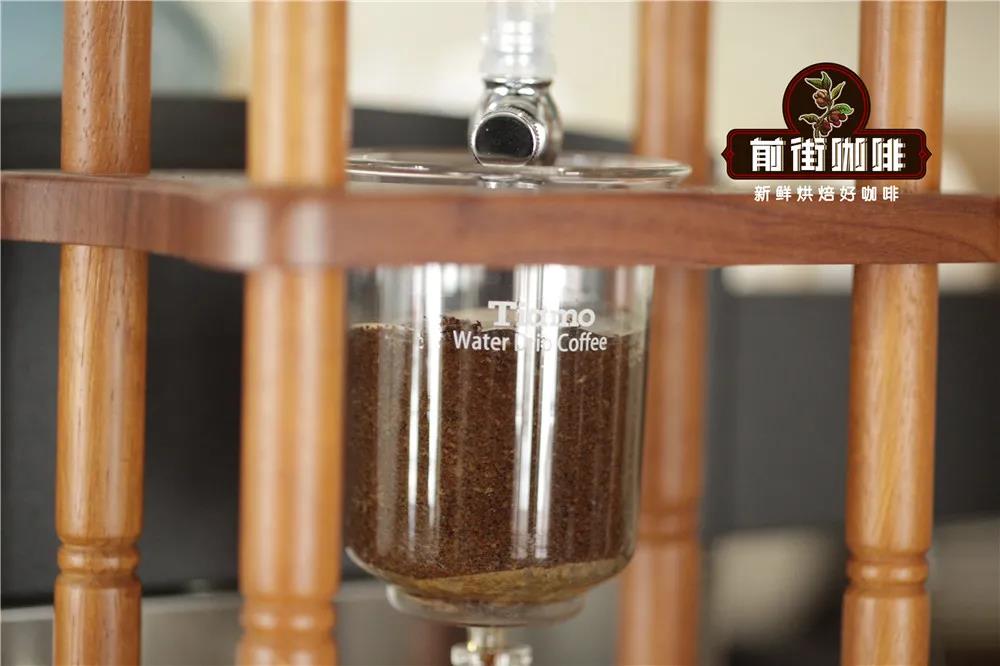
Iced drip coffee, on the other hand, is a more advanced method of making iced coffee, emphasizing extreme low temperatures and slow drip extraction. The process is relatively complex, but the final product often has more layers and finer details. It’s recommended to use a dedicated iced drip device, with a coffee-to-water ratio set at 1:13. Load an appropriate amount of coffee grounds according to the device’s capacity, then slowly drip a mixture of ice and water (at a 1:1 ratio) at a speed of 7 drops per 10 seconds, with the total extraction time being about 6–8 hours. The recommended grind size is a standard 0.85mm sieve with about 85% extraction, which helps bring out rich and clear flavor profiles.
Freshly extracted iced drip coffee usually has a rather green and tart flavor, with pronounced acidity and sweetness but lacking in body. Therefore, it’s recommended to bottle the coffee liquid and let it sit in the fridge for 12 hours for what is called “low-temperature fermentation.” This step allows the coffee to develop a rounder aroma and mouthfeel. It’s worth mentioning that iced drip coffee does not keep well—it’s best consumed within 3 days after low-temperature maturation, and the storage period should not exceed 5 days, otherwise it may develop spoiled sour notes that affect the overall quality.
In summary, iced pour over, cold brew, and iced drip each have their own unique brewing logic and flavor profiles. Iced pour over emphasizes precise coffee-to-water and ice ratios, making it ideal for coffee lovers who pursue complex flavors; cold brew stands out for its simplicity, ease, and smooth, rich taste, making it perfect for everyday enjoyment; and iced drip coffee shines with its intricate technique and refined expression, offering a rewarding challenge and experience for coffee aficionados. By mastering the right ratios, grind sizes, and storage tips, you too can easily brew high-quality iced coffee at home that rivals that of specialty cafes.

The above content is compiled by CoffeeHunters, a coffee news website.


