







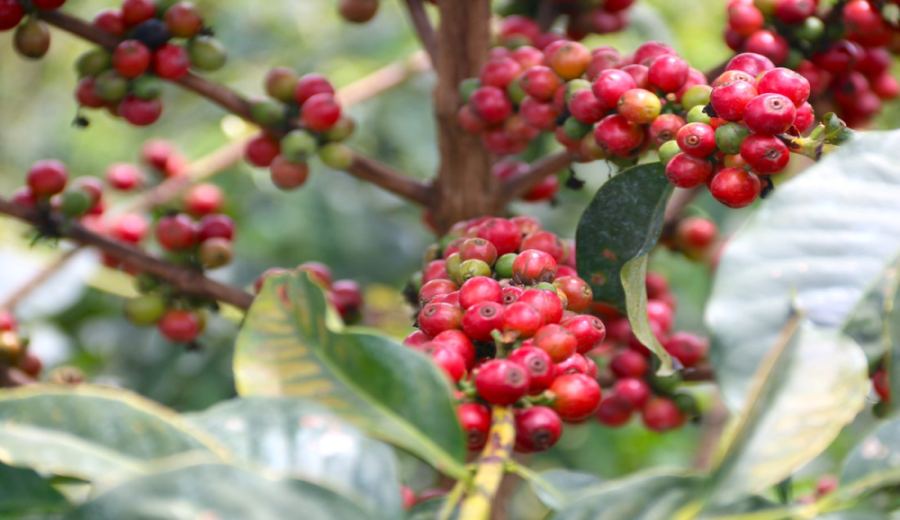
Introduction:As a classic yellow variety among Brazil’s specialty coffees, Yellow Bourbon is renowned for its distinctive fruity aroma and bright acidity. This article delves into its historical background, genetic characteristics, and cultivation challenges as a natural mutation from Red Bourbon, and analyzes how the classic batch from Fazenda Rainha, when expertly roasted by a professional roaster, exhibits captivating sweetness and citrus notes. It serves as an essential reference for readers keen to deeply understand the flavor profile and processing methods of coffee.
In the colorful world of specialty coffee, Yellow Bourbon stands out with its vibrant yellow fruits and outstanding cupping performance, making it a favorite among many coffee enthusiasts and roasters. Originating in Brazil, this variety not only has a unique appearance but also showcases highly recognizable sweetness and citrus acidity in its flavor profile, serving as a key to understanding the diversity of Brazilian coffee.
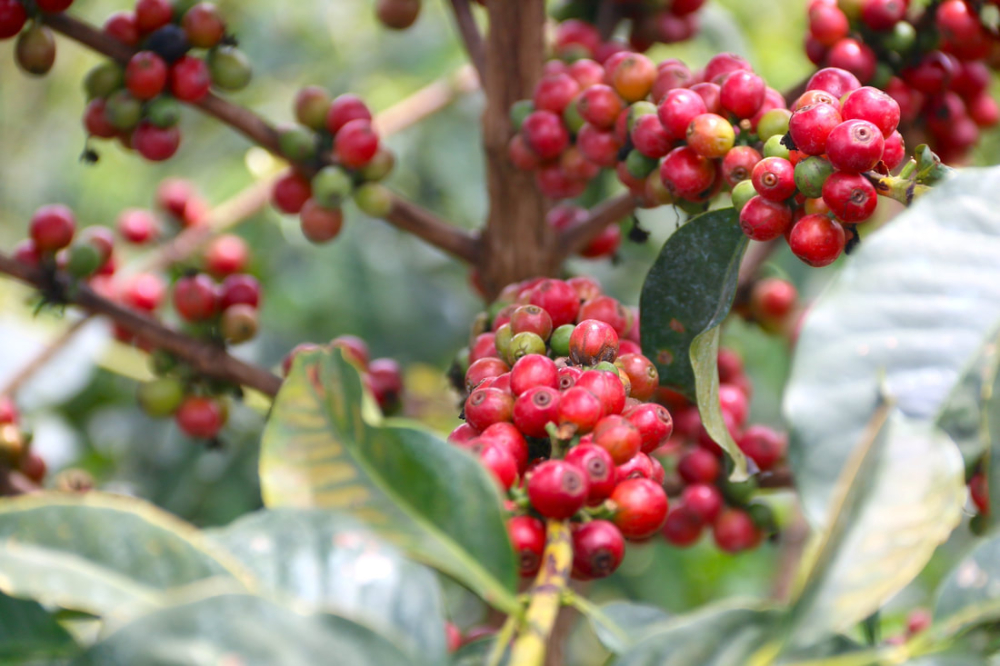
The name "Yellow Bourbon" comes from the warm yellow color of its ripe fruits, which forms a striking contrast with the more common red coffee cherries. In Brazil, this uniquely appearing variety is considered precious, especially valued by green coffee buyers and roasters seeking flavor differentiation.
The history of Yellow Bourbon dates back to the 19th century and is closely related to Red Bourbon. As early as the 1850s, Brazil, then a global hub of coffee production, primarily relied on the Typica variety. However, due to Typica’s limited yield, Brazil later introduced Red Bourbon, which was widely planted in the 1870s. Interestingly, in 1871, in the Botucatu region of São Paulo, Brazil, a rare variant appeared — one with unusually yellow-colored fruits, later known as 'Yellow Botucatu.' Though its yield was poor at the time, the unique fruit color piqued farmers’ interest. Researchers speculate that Yellow Bourbon may have originated from a natural mutation of Red Bourbon.
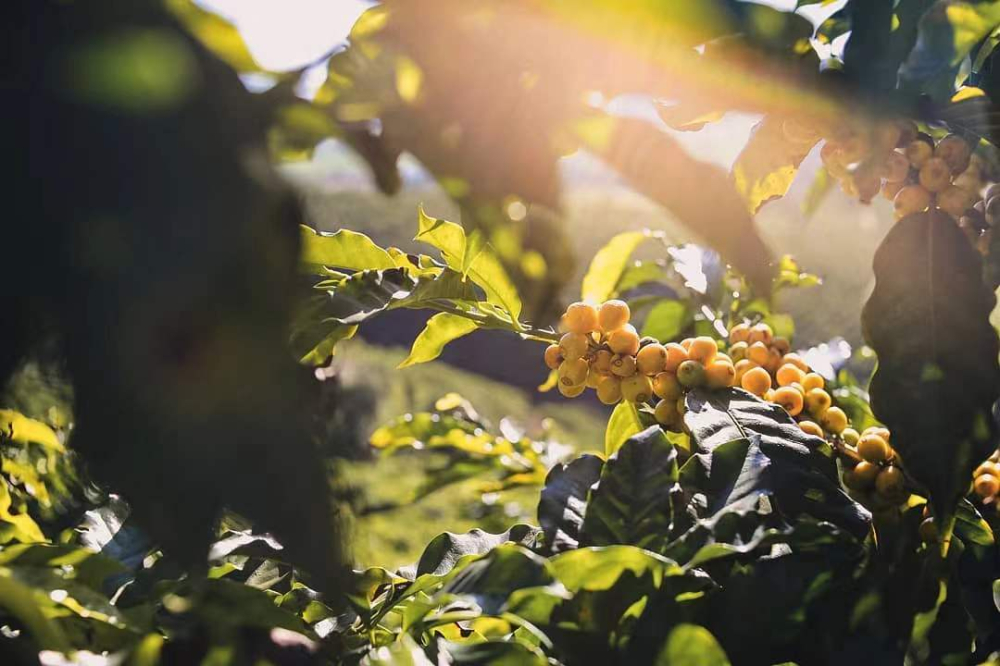
It is believed that the Yellow Bourbon we know today first appeared around 1930, on a Red Bourbon farm near Pederneiras in São Paulo State. Observations suggest that this variety might be the natural hybrid offspring of Red Bourbon and the local Yellow Botucatu variant. Aside from the fruit color turning yellow, its plant characteristics are very similar to those of Red Bourbon, but with relatively higher yields, which gradually drew attention.
In 1942, Carlos Arnaldo Krug from the Campinas Agronomic Institute (IAC) conducted the first formal study on this variety and analyzed 30 related varieties over the next three years at Jaú, São Paulo State. Thereafter, IAC continued to invest resources in trying to clarify its genetic mechanisms and cultivation potential through scientific methods. By the 1950s, the Yellow Bourbon variety with the code name ‘IAC J,’ due to its outstanding yield performance, was regarded as one of the most promising results of systematic breeding.
However, despite its promising productivity in early studies, the commercial promotion of Yellow Bourbon in Brazil was not as smooth as that of other mainstream varieties. Compared to later emerging varieties such as Caturra, Mundo Novo, and Catuai, Yellow Bourbon was not widely planted for a long time due to its relatively low yield and weaker resistance to leaf rust. Additionally, in the past, research on coffee varieties focused more on disease resistance, yield, and adaptability rather than flavor quality, so the unique flavor potential of Yellow Bourbon was not fully explored at the time.
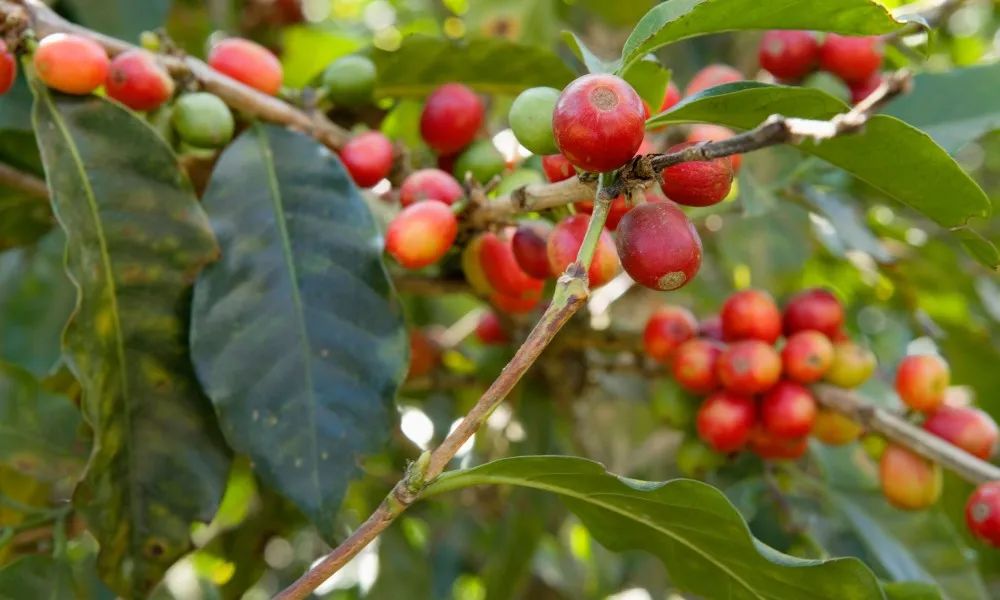
The secret behind the fruit color of Yellow Bourbon is directly linked to its genetics. According to Professor Krug’s 1942 study, this characteristic is controlled by a gene called ‘Xanthocarpa,’ derived from the Greek words ‘xanthus’ (yellow) and ‘carpus’ (fruit). Simply put, if a plant has a pair of dominant XcXc genes, the fruit will be red; if it has recessive xcxc genes, the fruit will be yellow; and in rare cases, if it is heterozygous Xcxc, the fruit may appear orange. Notably, yellow fruits are rich in luteolin, a type of flavonoid compound also found in plants such as parsley and broccoli, giving Yellow Bourbon a unique biochemical background.
Yellow Bourbon plants can grow up to 2.8 meters tall and mature relatively quickly. However, according to 1945 research data, among the 30 Yellow Bourbon strains studied at the time, only seven strains are still cultivated on a commercial scale in Brazil. The main challenges lie in unstable yields and relatively weak resistance to diseases, especially leaf rust, necessitating more meticulous management and a higher altitude environment (recommended above 1,000 meters) to realize their potential. Moreover, the harvesting and post-harvest processing of Yellow Bourbon also require extra care; only through proper processing can its full flavor potential be revealed.
In terms of flavor profile, Yellow Bourbon is known for its clear sweetness, rich fruitiness, and prominent citrus acidity. Common flavor descriptions include ripe tropical fruits, raisins, and intense dark chocolate notes. Research indicates that its sugar content, fat composition, and organic acid balance significantly influence the final flavor presentation, though the relationship between luteolin and flavor remains unclear.
Starting in 2005, IAC refocused on the cupping potential of Yellow Bourbon, re-evaluating the 30 strains studied in 1945 and finding that 16 of them scored over 85 points in cupping tests. Since then, these superior lineages have been continuously selected and bred. In 2017, at the Brazilian Cup of Excellence competition, a naturally processed Yellow Bourbon stood out with a remarkable score of 92.33 and was sold at auction for an astonishing $126 per pound, about a hundred times the futures price at the time, demonstrating its market potential and quality.
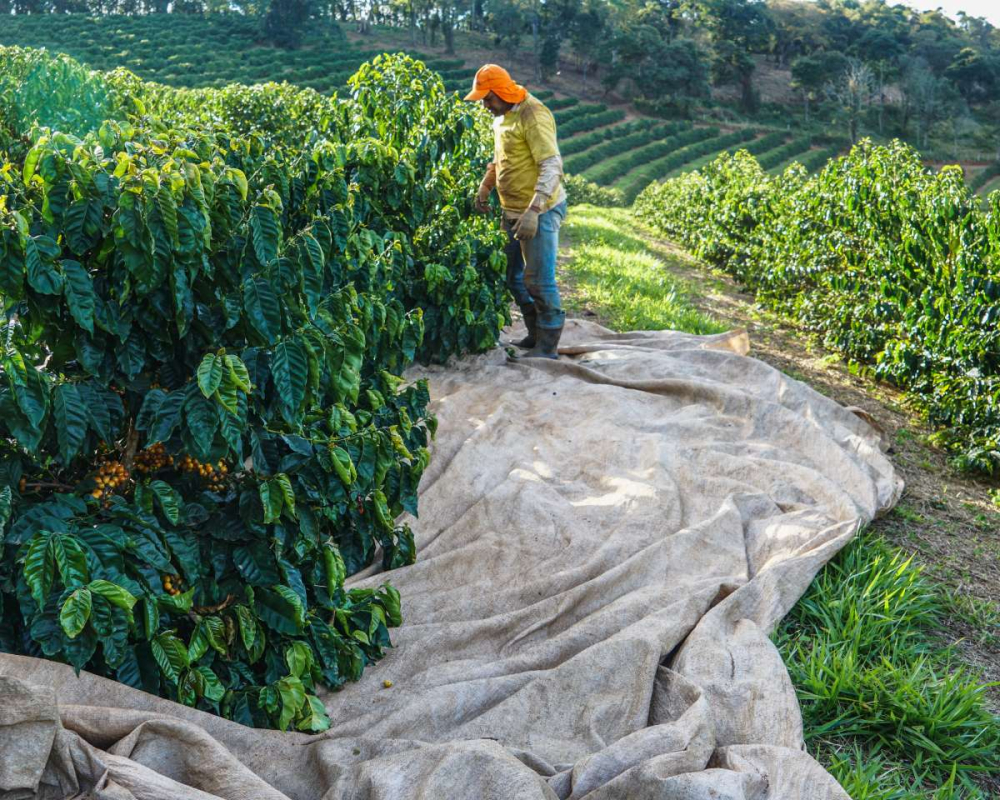
When talking about classic representatives of Yellow Bourbon, one cannot overlook Fazenda Rainha located in the Alta Mogiana region of São Paulo State, Brazil. This small-scale specialty coffee farm, operated by the Carvalho Dias family, covers only 280 acres, yet dedicates 200 acres exclusively to growing Yellow Bourbon, making it a dedicated cultivator of this variety. Since the first Brazilian COE competition in 1999, the family’s four farms have consistently achieved excellent results, including multiple finalists and championship honors, showcasing their relentless pursuit of quality.
Fazenda Rainha adheres to small-scale manual harvesting and employs refined semi-pulped natural processing. Unlike traditional sun-drying, they use African-style raised beds for drying, with dedicated personnel continuously turning the coffee cherries and strictly monitoring moisture changes to ensure even drying of every bean, thereby enhancing overall flavor consistency and complexity.
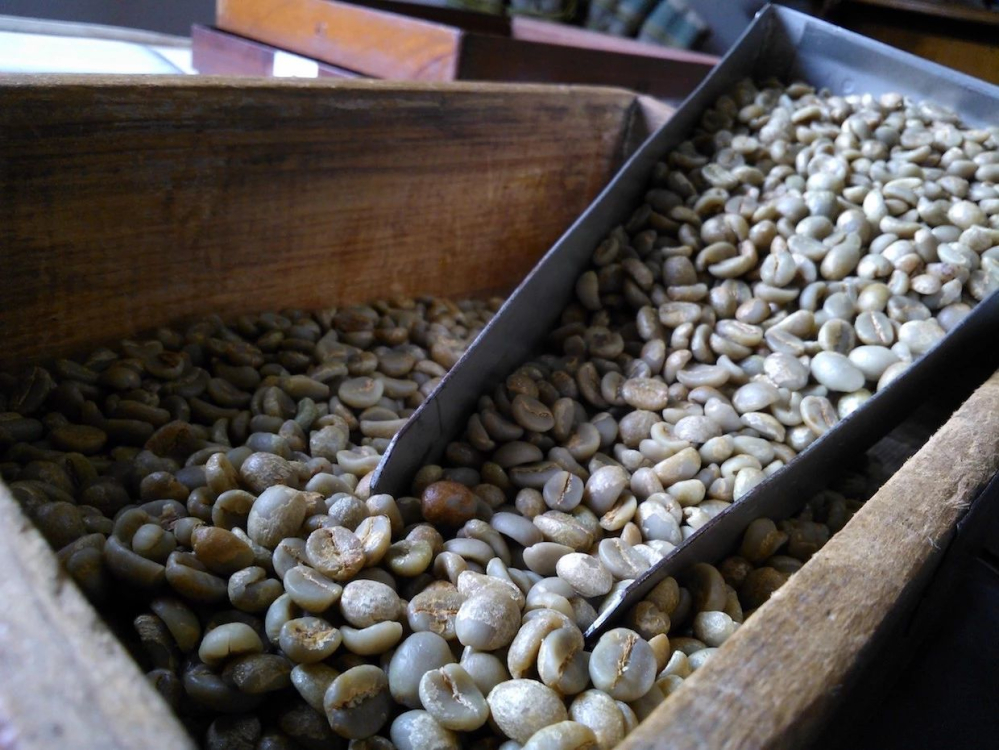
After acquiring the Yellow Bourbon green beans from Fazenda Rainha, a well-known roasting brand conducted repeated tests and ultimately chose a roast development time of two minutes after the first crack. This roast level successfully highlights the unique character of Yellow Bourbon: upon entry, there is a clear sense of sweetness, with delicate lemon aroma emerging in the background, particularly noticeable in the wet aroma stage; subsequently, the rich tone of dark chocolate gradually unfolds, resulting in a round and vibrant mouthfeel. It not only showcases the typical traits of Brazilian coffee but also retains the uniquely lively expression of Yellow Bourbon.
Summing up its flavor profile, this Yellow Bourbon exhibits rich notes of nuts and peanut butter, with a pronounced black chocolate aroma in the latter part, offering a balanced and layered taste. Whether as a daily drinker or a challenge for pour over brewing, it delivers a profound and delightful sensory experience for coffee lovers.
The above content is compiled by CoffeeHunters, a coffee news website.


