







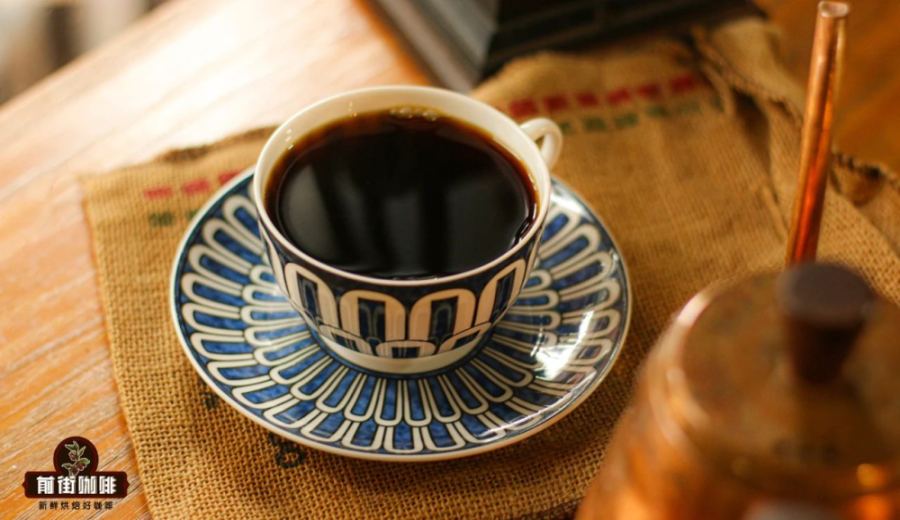
Introduction:Jamaican Blue Mountain coffee is hailed as one of the world’s finest coffees. Its unique flavor profile and rigorous grading system have made it a prized choice among coffee enthusiasts. This article will delve into the growing environment of Blue Mountain coffee, its four-tiered grading system (including Blue Mountain No.1, No.2, No.3, and Peaberry), its differences from High Mountain and regular Jamaican coffee, as well as the characteristics of the Typica variety, washed and natural processing methods. Finally, we’ll provide expert-level brewing parameters and flavor profiles to help you fully appreciate authentic Blue Mountain coffee.
Jamaican Blue Mountain coffee is widely recognized as one of the richest and most balanced coffees in the world. The harmony between its acidity, sweetness, and bitterness is nearly perfect, with almost no bitterness—only a soft and delicate acidity. This distinctive taste has earned it an exceptional reputation in the coffee world. However, many people are unaware that Blue Mountain coffee is actually subdivided into different grades based on factors such as altitude, bean size, and defect rate. This article begins with the background of Blue Mountain coffee cultivation and thoroughly explores Jamaica’s Blue Mountain coffee grading system—including the evaluation criteria for Blue Mountain No.1 through No.3, as well as Peaberry—while comparing it to High Mountain and regular Jamaican coffee.
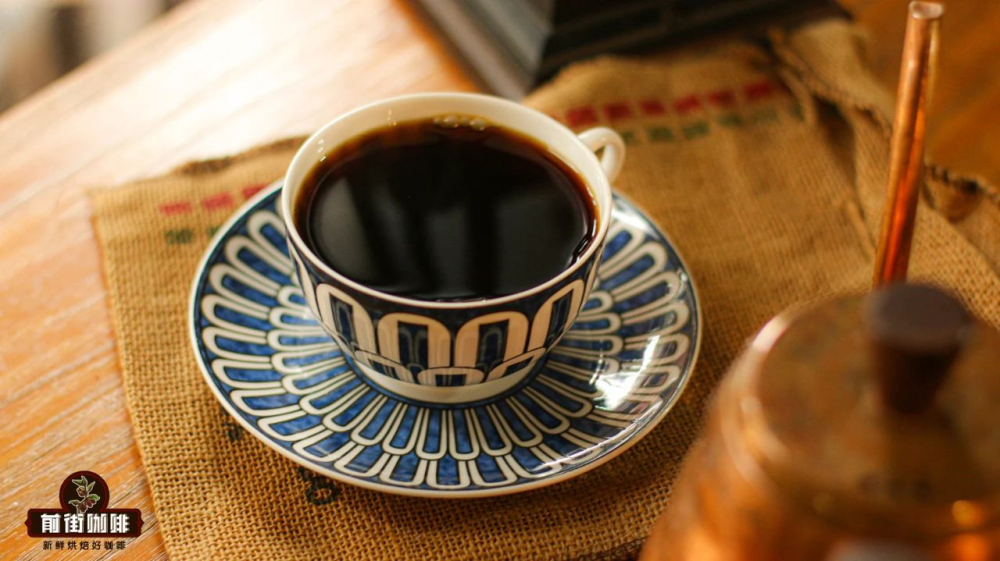
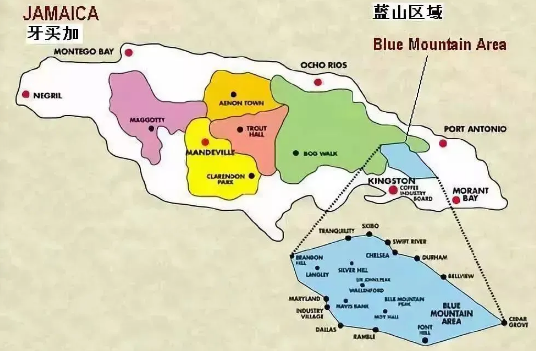
The reason Jamaican Blue Mountain coffee has become the most expensive and prestigious coffee globally is not only due to its rarity but also because of its exceptionally favorable growing conditions. Blue Mountain is located in eastern Jamaica, within the 25°N–25°S “coffee belt” known as the optimal zone for coffee cultivation. It enjoys a tropical rainforest climate with abundant year-round rainfall, high humidity, and persistent cloud cover. The Blue Mountains are the highest peaks in the Caribbean, reaching an elevation of 2,256 meters and surrounded by the crystal-clear Caribbean Sea. Sunlight reflecting off the sea onto the mountain peaks creates a unique bluish hue, hence the name “Blue Mountain.” The volcanic soil here is rich and fertile, the air is clean and unpolluted, and the significant day-night temperature variation promotes slow ripening of the coffee cherries, allowing them to accumulate a wealth of complex flavor compounds.
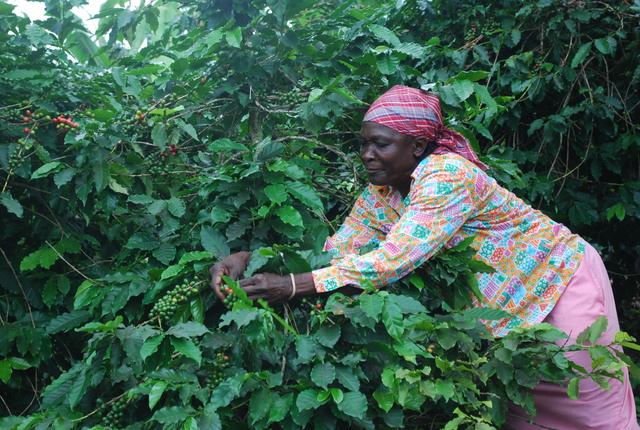
The main harvesting season for Blue Mountain coffee runs from June to November each year. Experienced female workers hand-pick the coffee cherries, requiring the skill to judge fruit ripeness to ensure only the best cherries are selected. Due to its limited production and typical presentation as a single-origin offering, Blue Mountain coffee is even more precious.
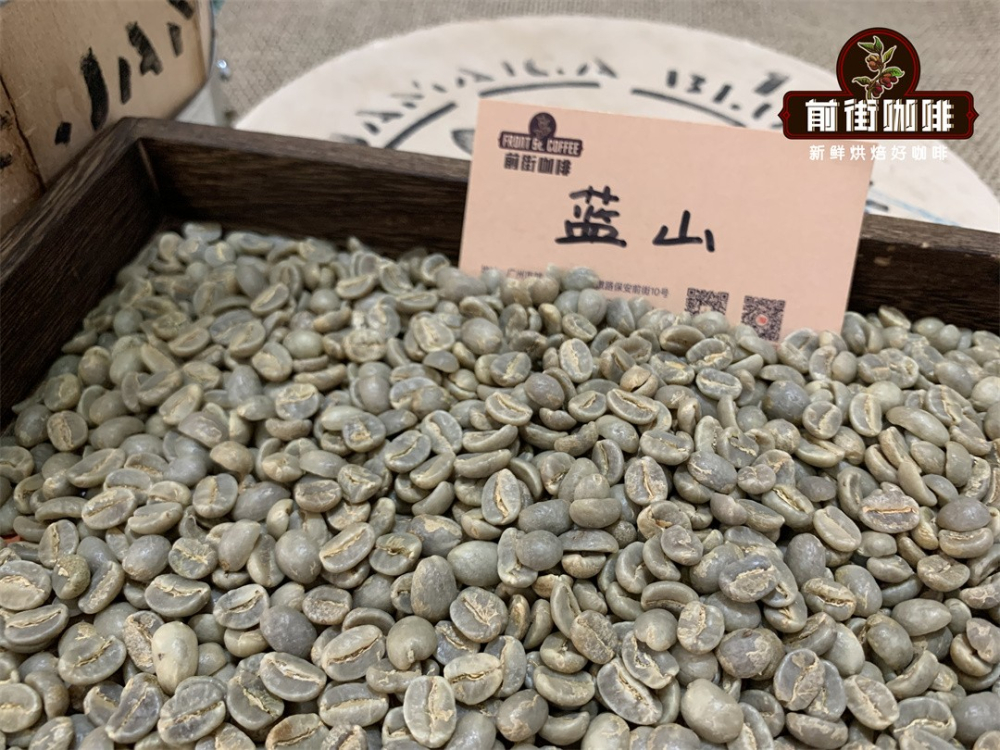
The grading of Jamaican Blue Mountain coffee is primarily based on the beans’ altitude, size, and defect rate. Established in 1953, the Jamaica Coffee Industry Board (CIB) implemented a strict green bean export grading system that requires an export defect rate of less than 3%. Based on bean size, Blue Mountain coffee is divided into the following four grades:
1. No.1(17/18 screen, defect rate ≤2%): The largest in size and highest in quality, considered the top representation of Blue Mountain coffee.
2. No.2(16/17 screen, defect rate ≤2%): Slightly smaller than No.1, but still of high quality.
3. No.3(15/16 screen, defect rate ≤2%): A step smaller in size, slightly lower in quality but still within the Blue Mountain grade.
4. Peaberry (10MS, defect rate ≤2%): A rare type of bean where only a single round seed develops inside the coffee cherry, often resulting in a more concentrated flavor.
Additionally, coffee grown at altitudes between 500 and 1,000 meters is classified asHigh Mountain Coffee, which is second only to Blue Mountain in quality. Coffee grown below 500 meters is collectively referred to asJamaican Coffee, and these coffees differ significantly from Blue Mountain in both flavor and value.
It’s worth noting that Jamaican Blue Mountain coffee is one of the few regions that still uses traditional wooden barrels for shipping green beans. These barrels bear the Rainforest Alliance Frog Seal certification, indicating they come from farms that meet sustainable agriculture standards, such as the renowned Clifton Estate. This packaging method not only helps preserve bean quality but has also become a distinctive hallmark of Blue Mountain coffee.
The coffee variety used in Blue Mountain coffee is the ancientTypica, one of the most traditional and historically significant Arabica varieties. Typica boasts a unique dark chocolate flavor (not the common milk chocolate found in the market), which is closely related to its genetics and Blue Mountain’s unique microclimate. However, Typica is less resistant to coffee leaf rust. Although it has been replaced in many regions due to disease, its incidence remains relatively low in Jamaica’s unique environment, allowing it to endure. Typica trees grow tall, and their leaves feature a reddish-copper tip, earning them the nickname “Red Tip Coffee.” Despite its low yield and susceptibility to disease, it is highly regarded for its pure and refined flavor.
In terms of processing, Blue Mountain coffee has traditionally been washed to preserve its bright acidity and refined flavor profile. However, in recent years, some estates—such as Clifton Farm—have begun experimenting with natural (sun-dried) processing, adding new layers of flavor and providing consumers with more choices.
For brewing, it is recommended to use a coffee-to-water ratio of 1:15, with a grind size passing through a standard 20-mesh sieve at 75%. Water temperature should be controlled around 88°C to fully showcase the coffee’s richness and gentle fruit acidity. A low-flow Kono dripper is recommended to reduce the risk of over-extraction, especially for darker-roasted Blue Mountain coffee. A three-stage pouring method is advised: start with a 30-second bloom using 30g of water, followed by a first pour to 125g then pause; after the liquid level drops, pour to 225g to complete extraction. Total brew time is about 2 minutes, achieving an ideal balance of aroma and taste.
In terms of flavor, sun-dried Blue Mountain coffee typically presents light berry acidity—like black plum and mulberry—alongside rich dark chocolate and nutty tones, with a hint of fermentation. Washed Blue Mountain, on the other hand, is known for its deep dark chocolate character and creamy-smooth mouthfeel, with an elegant balance of acidity, sweetness, and bitterness, plus a long-lasting finish.
In summary, Jamaican Blue Mountain coffee is exceptional not just because of its fame, but because every aspect—from its growing environment and grading system, to variety characteristics, processing, and brewing—is executed with the utmost precision. For coffee lovers, understanding the Blue Mountain grading and flavor profiles will greatly enhance your ability to enjoy a truly premium coffee experience.
The above content is compiled by CoffeeHunters, a coffee news website.


